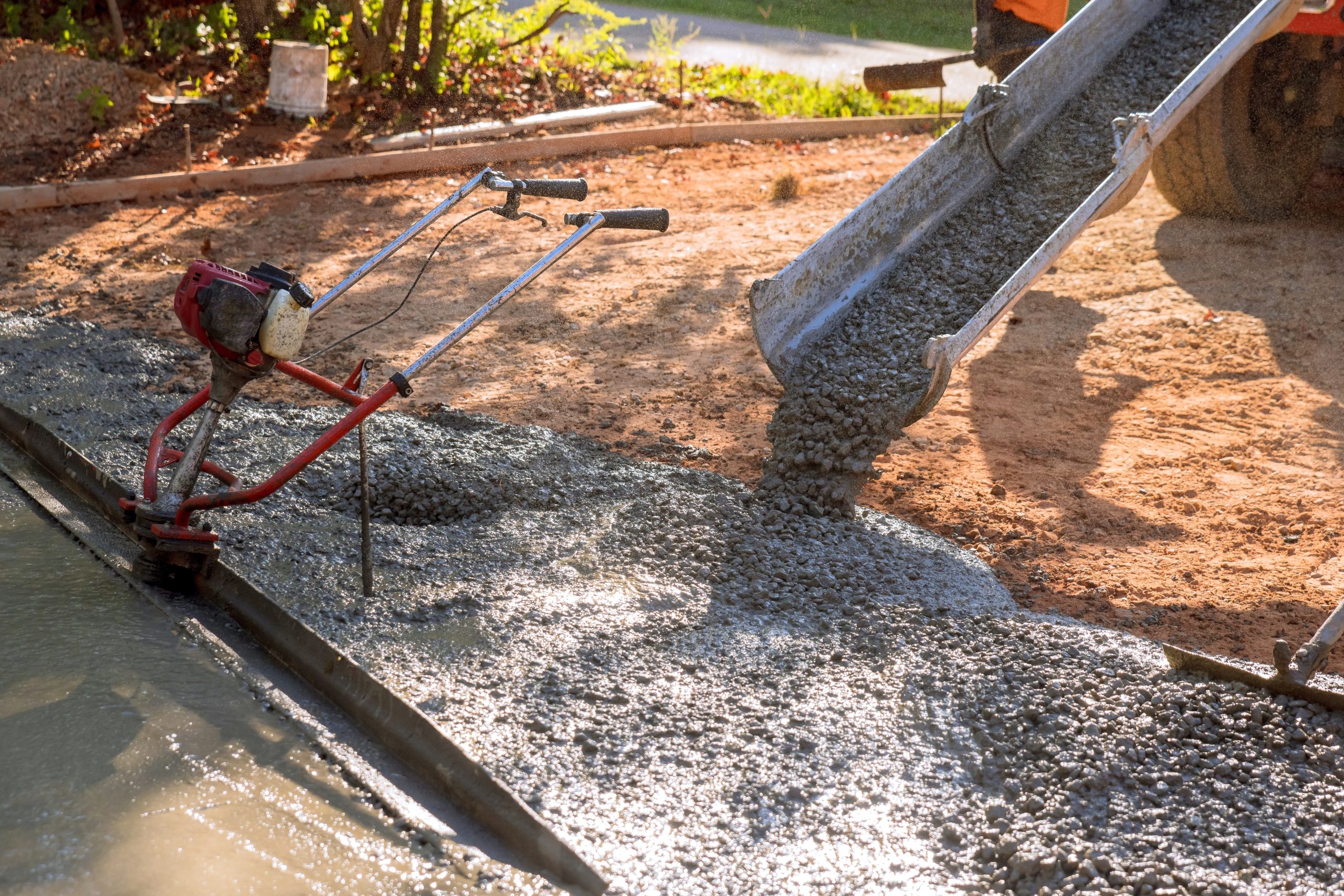
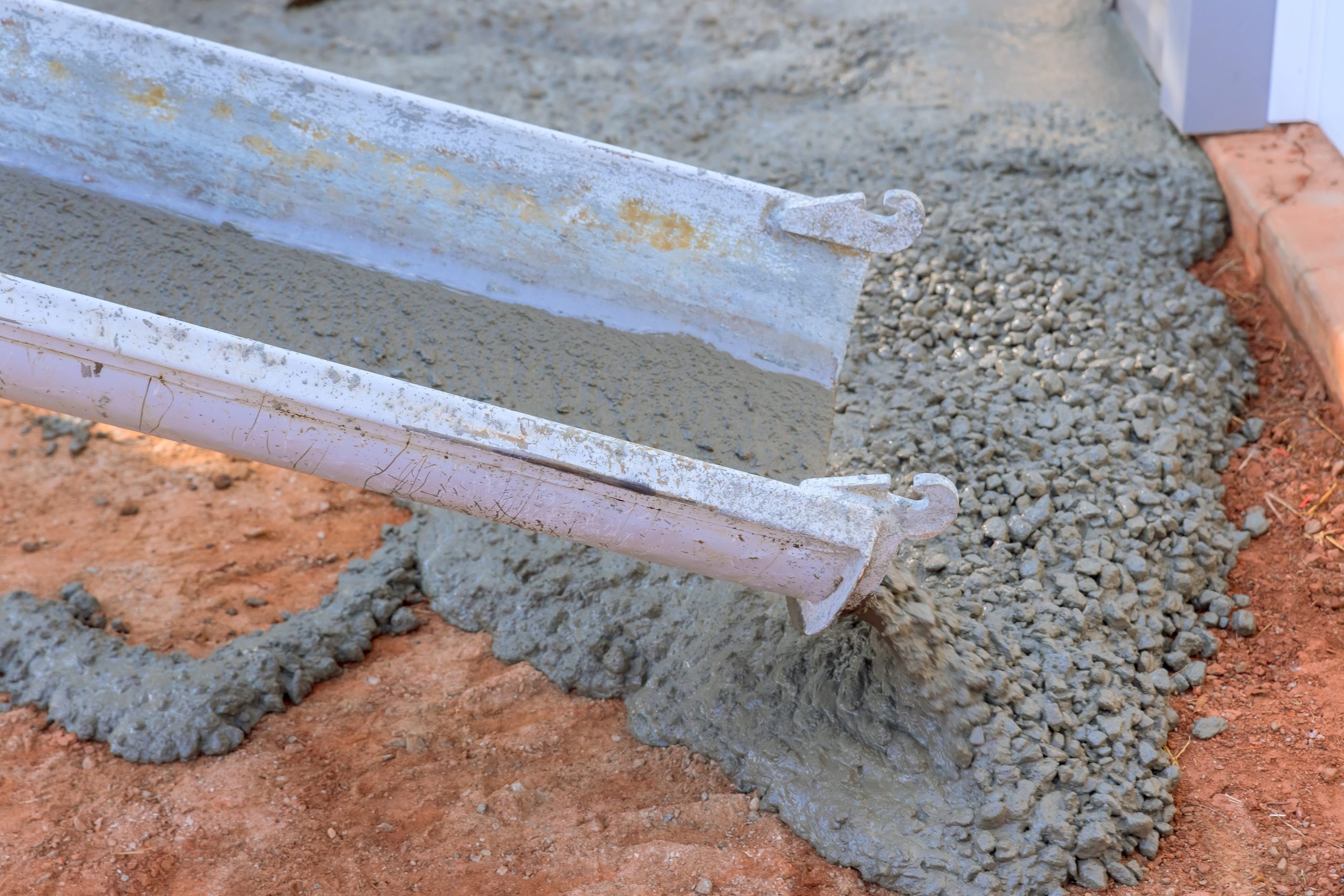
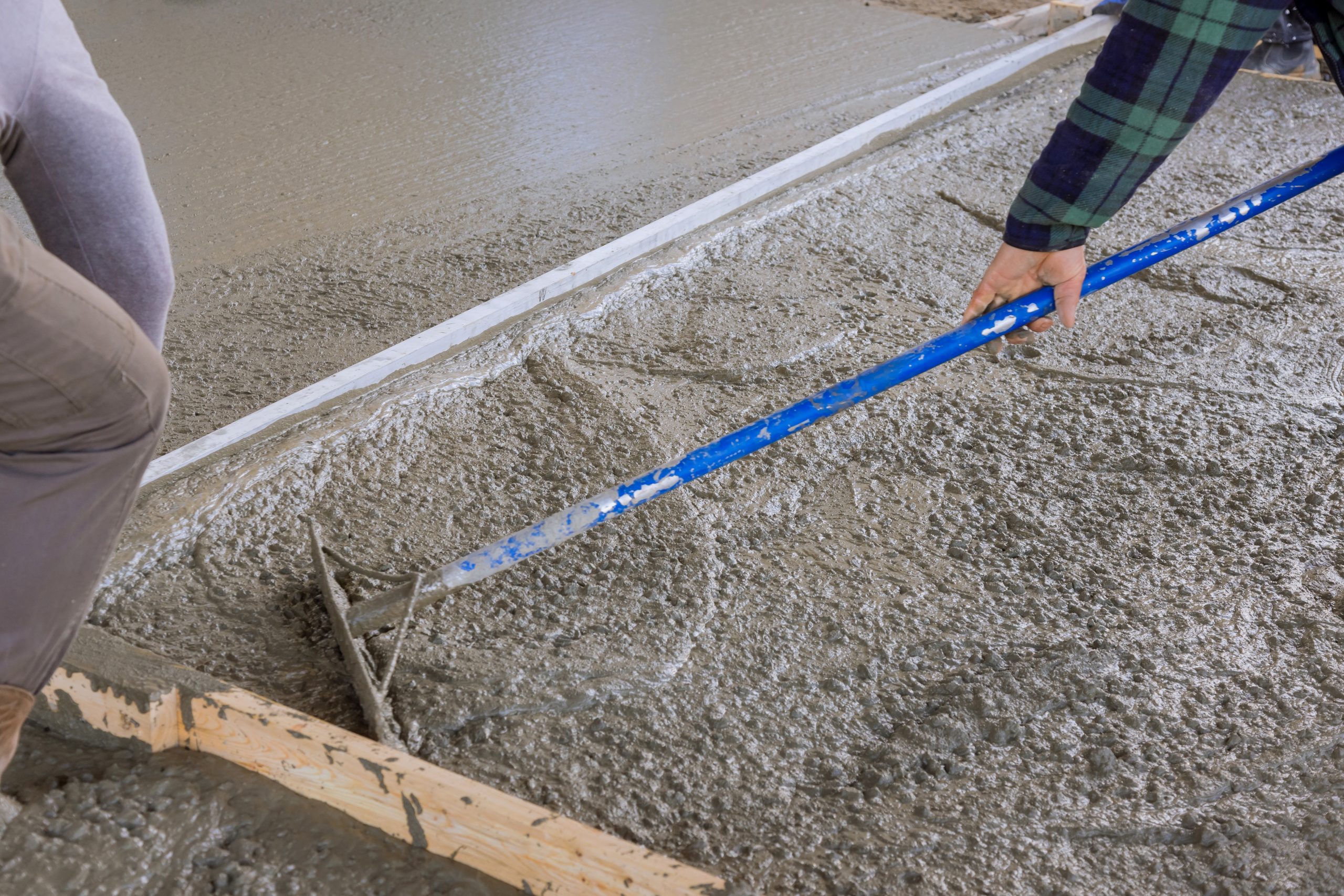
When ordering ready mix concrete, you must consider the type of mix, calculate the required volume, and schedule delivery carefully. It’s not just about choosing the right strength for your project; you also need to guarantee timely delivery and account for weather conditions that might impact curing. Clear communication with your supplier is essential, but do you know the potential pitfalls and how to avoid them? Understanding these aspects can make the difference between a smooth installation and a challenging one. Let’s explore what you should know to guarantee a successful concrete project.
Key Takeaways
– Homeowners should calculate the exact concrete volume needed, including a 5-10% waste factor, to avoid project delays.
– Communicate specific project requirements clearly with suppliers to ensure the correct mix type and strength rating.
– Schedule delivery with consideration for weather conditions, ensuring an optimal pouring temperature between 50°F and 90°F.
– Ensure site preparation includes soil stability assessment, debris removal, and proper formwork installation for successful concrete pouring.
– Regularly inspect the curing process, using moisture retention methods and avoiding heavy loads until the concrete fully cures.
Understanding Ready Mix Concrete
When you first plunge into the world of ready mix concrete, you’ll discover it’s a pre-mixed blend of cement, water, and aggregates that are prepared in a batching plant according to precise specifications. This guarantees that the mix components are consistently blended to meet strict quality standards.
As a homeowner, understanding these components is vital. Cement acts as the binding agent, while aggregates like sand and gravel provide volume and strength. Water initiates the chemical reaction that allows the mix to harden.
In a batching plant, these ingredients are measured and mixed to meet specific requirements, guaranteeing uniformity and reliability in your project. Quality standards aren’t just about the right proportions but also the purity and performance of each component. Consistency in mix components means your concrete will have predictable curing times and structural integrity, essential for load-bearing structures or decorative installations.
To select the right ready mix concrete, you’ll need to communicate your project’s requirements clearly. Consider factors like environmental conditions, load requirements, and aesthetic goals. By doing so, you guarantee the mix you choose aligns with both your practical needs and quality expectations.
Calculating Concrete Volume
Having grasped the basics of ready mix concrete, the next step is calculating the precise volume needed for your project. Begin by determining the area dimensions: length, width, and thickness. Calculate the volume by multiplying these dimensions. For instance, if you’re pouring a concrete slab, use the formula: Volume = Length x Width x Thickness.
Remember that thickness plays a vital role; make certain you’re calculating thickness accurately to avoid errors.
Once you’ve determined the basic volume, incorporate a waste factor to account for variations and unforeseen circumstances. Estimating waste is essential in making sure you don’t run short. Typically, adding an extra 5-10% to your calculated volume is recommended. This contingency accounts for spillage, over-excavation, or uneven surfaces.
It’s important to convert your measurements into cubic yards, as ready mix concrete is usually sold in this unit. Use the conversion: 1 cubic yard = 27 cubic feet. Accurate volume calculation guarantees cost-effectiveness and prevents project delays.
In your analysis, consider the specific project requirements, such as reinforcement or finishing needs, which might affect the overall volume. A precise calculation will streamline the ordering process, guaranteeing a seamless and efficient construction phase.
Choosing the Right Mix
Selecting the right mix is essential for guaranteeing your concrete project meets both structural and aesthetic requirements. Understanding mix types and strength ratings will guide you in choosing the best ready mix concrete for your needs.
Begin by evaluating the specific use of the concrete. For instance, a driveway requires a different mix type and strength rating compared to a decorative patio.
Mix types are categorized by their composition, typically including variations in cement, water, sand, gravel, and additives. Each component influences the concrete’s characteristics, such as workability and durability.
Strength ratings, measured in pounds per square inch (psi), indicate the load-bearing capacity of the cured concrete. Residential projects often utilize mixes with strength ratings ranging from 2,500 psi to 4,000 psi, depending on the application.
Consult with your supplier to match the appropriate mix type and strength rating to your project’s demands. They’ll consider factors like weather conditions, environmental exposure, and load requirements.
Keep in mind that using the wrong mix could compromise the structural integrity or appearance of your project. By making informed decisions, you’ll guarantee your concrete not only performs well but also enhances your property.
Preparing the Site
Before pouring your ready mix concrete, site preparation is essential to guarantee a successful and durable installation.
Begin by evaluating the soil stability, as it influences the structural integrity of your concrete. Conduct a soil test to determine its load-bearing capacity and identify any necessary amendments. If the soil is too loose or unstable, consider compacting or replacing it with more suitable material.
Next, clear the site of debris, vegetation, and topsoil to create a clean, level base. This promotes uniform concrete curing and prevents moisture-related issues. Use a laser level or surveying equipment to verify the ground’s evenness. Grading may be required to guarantee proper drainage, preventing water from pooling under the slab.
Once the site is cleared and graded, install formwork to maintain the concrete’s shape during curing. Secure the forms with stakes and ensure they’re properly aligned using a level.
Reinforcement, such as rebar or wire mesh, may be necessary for added strength, especially in areas prone to soil movement or heavy loads.
Scheduling the Delivery
With your site prepared and formwork in place, it’s time to focus on scheduling the delivery of your ready mix concrete. The first step is understanding the delivery lead time, which is the period between placing your order and the actual delivery. Lead times can vary based on supplier capacity, weather conditions, and demand fluctuations.
It’s essential to consult with your supplier early to secure a delivery slot that aligns with your construction timeline.
Order flexibility is another key aspect to take into account. Concrete suppliers often offer flexibility regarding adjusting order quantities or delivery times, provided there’s sufficient notice. This is particularly beneficial if your project scope changes or if unexpected delays occur.
Make sure you understand the supplier’s policy on modifications to avoid potential penalties.
When scheduling, confirm the batch plant’s proximity to your site as it impacts the concrete’s travel time and quality.
Coordinate closely with your contractor to align the delivery schedule with labor availability, making certain the crew is ready to pour upon arrival.
Ensuring Accessibility
Ensuring accessibility for your ready mix concrete delivery is vital to maintaining quality and efficiency. Begin by evaluating your site layout to determine the best approach for truck access. Concrete mixer trucks require significant space to maneuver, so identify the most direct and obstacle-free path from the street to the pour site.
Consider factors such as driveway width, overhead clearance, and turning radius, as these can impact delivery.
Next, examine any potential obstructions that could impede truck access. Remove vehicles, debris, and low-hanging branches from the delivery path. If your site layout includes narrow driveways or limited space, you might need to coordinate with neighbors for temporary access.
Make sure the ground is stable enough to support the weight of the truck to prevent sinking or damage.
It’s also essential to communicate with your concrete supplier about your site layout and access points. Provide them with detailed information, including maps or photos, to facilitate planning.
Considering Weather Conditions
Weather conditions are essential when planning your ready mix concrete project, as they directly influence the mix’s performance and setting time.
Temperature effects can greatly alter the hydration rate of the cement. In hot weather, the concrete mixture may set too quickly, leading to reduced workability and potential cracking. Conversely, cold weather can slow down the curing process, causing delays and potentially compromising strength development.
To mitigate these issues, consider adjusting the mix design with additives or accelerators tailored to the specific temperature conditions of your project.
Moisture considerations are equally critical. High humidity levels can affect the surface finish and durability of your concrete. Excessive moisture can lead to an increased water-cement ratio, resulting in a weaker final product.
On the other hand, low humidity and windy conditions can cause rapid evaporation, leading to surface shrinkage and cracking. Employ moisture-retaining measures such as curing compounds or plastic sheeting to guarantee ideal curing conditions.
Managing the Pouring Process
A successful concrete pour hinges on meticulous preparation and execution. Proper management guarantees not only the structural integrity of your project but also the safety and efficiency of the process. As you initiate this task, keep these critical elements in mind:
- Safety Measures: Prioritize safety by wearing appropriate personal protective equipment (PPE) such as gloves, goggles, and boots. Verify that the work area is free of unnecessary clutter to prevent accidents.
- Equipment Handling: Familiarize yourself with the tools required for the pour. You’ll need items like screeds, floats, and trowels. Confirm all equipment is in good working condition to avoid delays during the pour.
- Pouring Sequence: Plan the pour sequence meticulously. Begin from the corners and work inwards, maintaining a consistent flow to prevent cold joints. This method helps to achieve a uniform finish and structural integrity.
- Mix Consistency: Monitor the consistency of the ready mix concrete. The slump test is a quick way to check if your mix is at the appropriate workability level. This guarantees the mix is neither too wet nor too dry.
Adhering to these principles guarantees your concrete project proceeds smoothly and safely.
Post-Delivery Tips and Care
Once the concrete delivery has rolled in, it’s crucial to focus on post-delivery care to maintain the quality and durability of your project.
Start by implementing effective curing techniques. Curing guarantees concrete achieves its designed strength and durability. Immediately after finishing, cover the concrete surface with plastic sheeting or use curing compounds to retain moisture. Maintain consistent hydration for at least seven days, avoiding rapid drying, which can cause cracking.
Surface finishing is another critical step. Use appropriate tools like trowels or floats to achieve a smooth, even finish. Verify you work the surface only after the bleed water has evaporated to prevent surface defects. For decorative finishes, apply stamps or textures while the concrete is still pliable but firm.
Monitor temperature and weather conditions closely. In hot climates, consider using wet coverings or misting systems to prevent evaporation. In colder temperatures, use insulating blankets to retain heat.
Avoid heavy loads or stress on the newly set concrete until it has cured adequately, typically after 28 days.
Frequently Asked Questions
How Can I Ensure the Quality of the Delivered Ready Mix Concrete?
Guarantee quality by verifying the mix design specifications meet your project needs. Coordinate delivery logistics for minimal delays. Inspect slump consistency upon arrival, and confirm batch tickets for compliance with industry standards. Document discrepancies immediately for resolution.
What Should I Do if the Delivery Arrives Late or Incomplete?
When delivery issues rain on your parade, guarantee your contingency plans are rock-solid. Communicate promptly with the supplier, verify delivery notes, and document discrepancies. Understanding batching schedules and lead times helps prevent future hiccups in your project.
Are There Eco-Friendly Options for Ready Mix Concrete?
Yes, you can choose eco-friendly options by selecting ready mix concrete that incorporates sustainable materials and recycled aggregates. These alternatives reduce carbon footprint and maintain structural integrity, aligning with environmentally-conscious construction practices in the industry.
How Do I Handle Leftover or Excess Concrete After the Project?
To manage excess concrete disposal, consider creating small garden paths or stepping stones. For leftover concrete uses, form it into planters or decorative features. Ascertain compliance with local regulations regarding disposal methods and environmental impact.
What Are the Costs Associated With Canceling or Rescheduling a Concrete Delivery?
Coincidentally, many companies have similar cancellation policies. You’ll face cancellation fees if you cancel last minute. Rescheduling can incur additional charges, depending on notice duration. Analyze your concrete provider’s specific policies to avoid unexpected rescheduling fees or cancellation costs.
Conclusion
To guarantee a successful ready mix concrete project, you must integrate precise volume calculations, select an appropriate mix type, and schedule timely deliveries. Investigate the theory that curing conditions greatly impact concrete strength, as it’s rooted in scientific truth. Maintain clear communication with suppliers, prepare the site, and manage the pouring process effectively. By considering weather conditions and guaranteeing site accessibility, you’ll mitigate potential issues, leading to a durable and high-quality concrete installation that stands the test of time.