If you are a site manager or small contractor in Sheffield or South Yorkshire, knowing what to expect from a commercial concrete pump job can save you time, money, and headaches. This guide walks through the whole process, from planning and site prep to the pour and clean-up, so your team is ready when the truck arrives.
What Is Commercial Concrete Pumping?
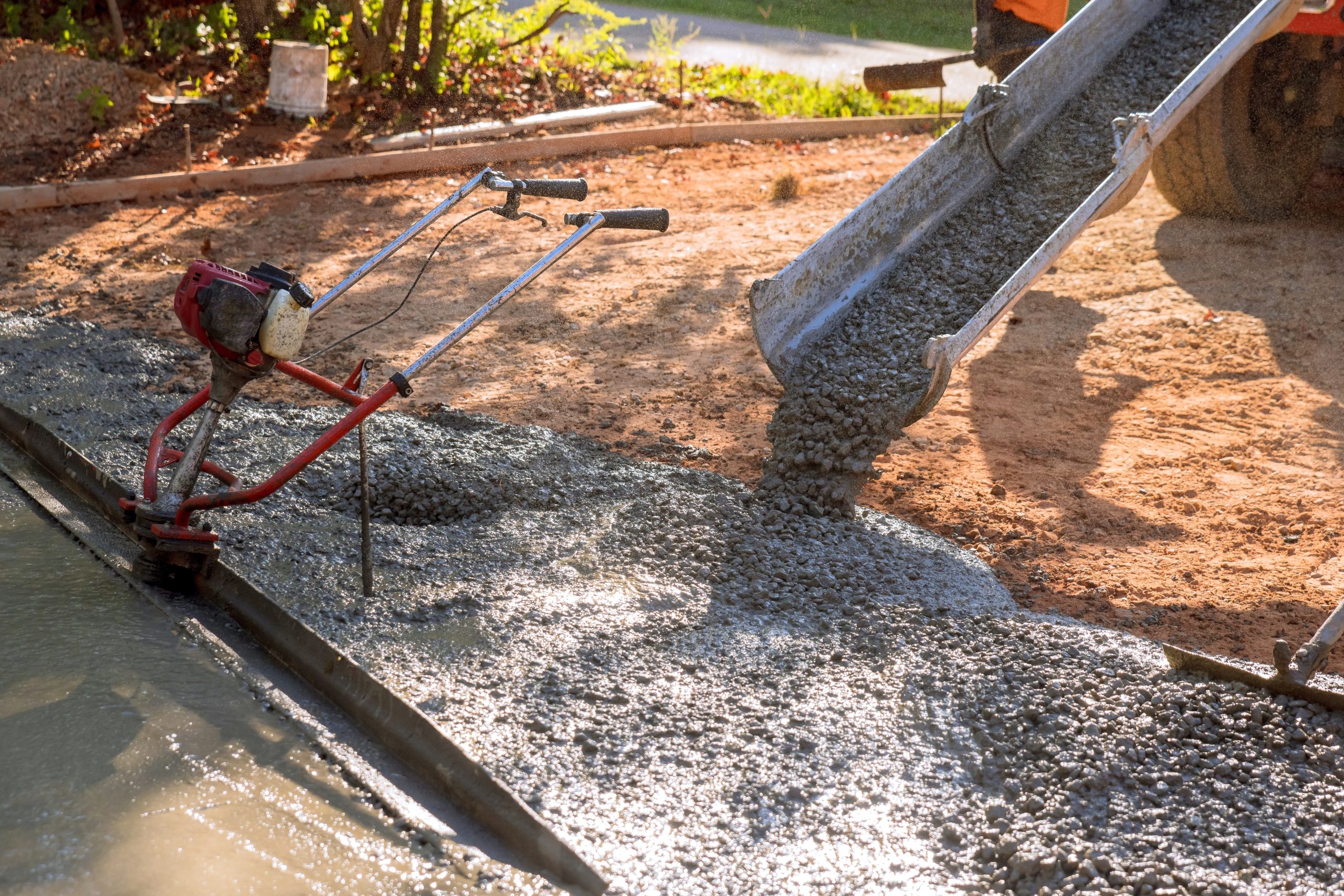
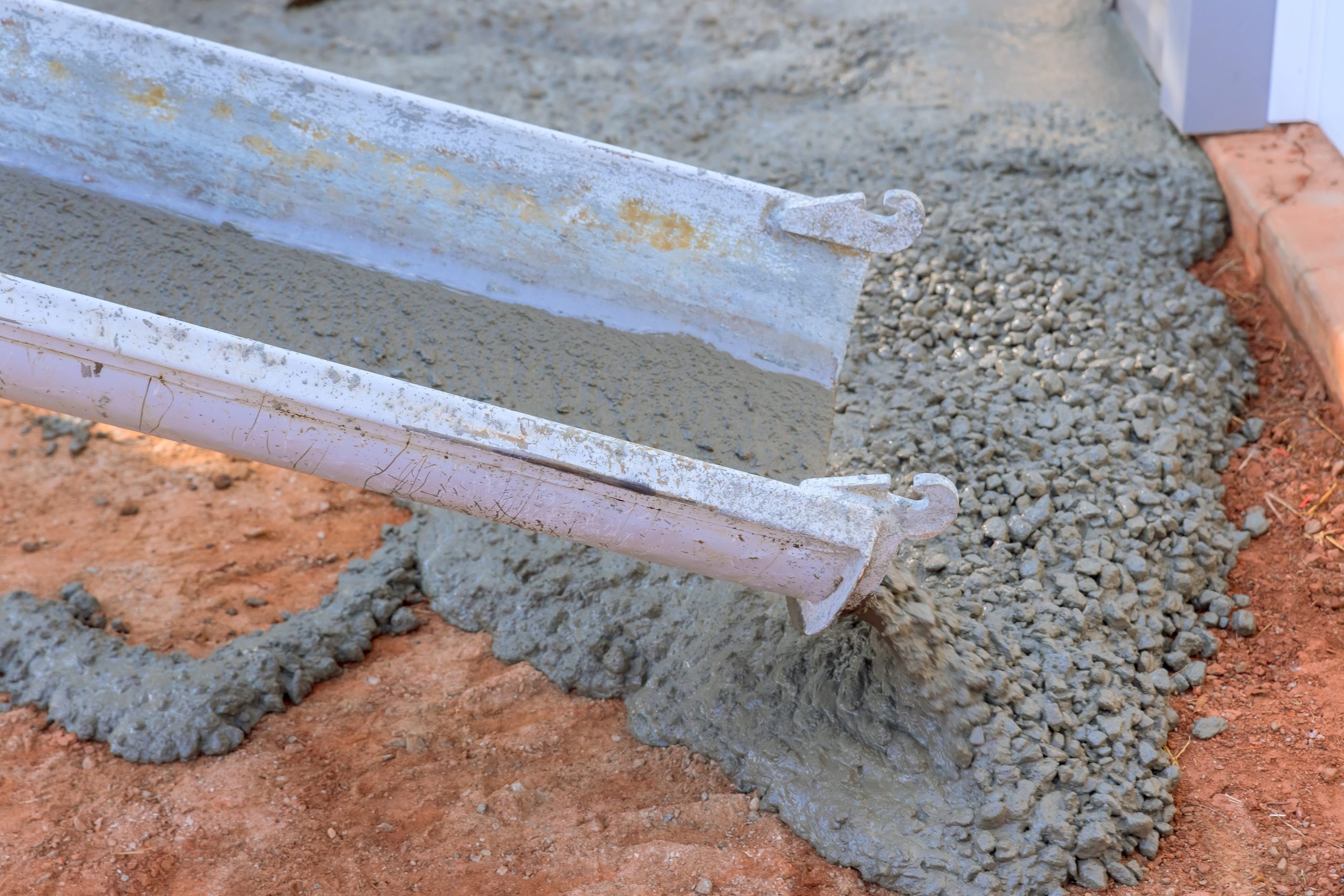
A concrete pump moves ready mix concrete from the delivery truck to exactly where it needs to go on site. Instead of relying on wheelbarrows and manual labour to shift concrete across a busy site, a pump does the hard work through a system of hoses or a boom arm.
On commercial jobs, this matters a lot. Large pours need to happen quickly and consistently. Manual handling slows things down and increases the risk of the mix going off before it reaches the pour point. A pump removes that problem.
National Mini Mix offers concrete pump hire Sheffield alongside its ready mix deliveries, so you can book both in one go and keep the job moving.
Before the Truck Arrives: Site Assessment
Good planning before arrival makes the difference between a smooth pour and a wasted load.
Access Requirements
The pump truck is a large vehicle. Before you book, think about:
- Whether your site entrance can take a truck of this size
- Whether the road leading to site has weight or height restrictions
- Where the truck will park to set up and operate
- Whether there is enough space to extend the pump arm or run hoses without obstruction
Sheffield and South Yorkshire sites vary a lot. City centre commercial builds often have tight access and shared roads. If your site is on a busy street or in a restricted zone, flag this when you call to book so the team can advise on the best setup.
Ground Conditions
The pump truck needs firm, level ground to operate safely. Outrigger pads are used to stabilise the vehicle, but soft or recently disturbed ground can be a problem. If your site has areas of fill or loose ground near the planned pump position, sort this before the vehicle arrives.
The Health and Safety Executive’s construction safety guidance covers mobile plant and vehicle requirements on site, including ground stability. It is worth a read if you are unfamiliar with the legal requirements around plant operations.
Hose Positioning and Route Planning
Before the truck arrives, work out where the hoses need to run. The pump operator will need a clear route from the vehicle to the pour point. Think about:
- Other trades working in the area
- Trip hazards and working at height risks if hoses need to go up floors
- Whether temporary hose supports are needed for longer runs
A rough sketch of the site with the hose route marked out is a useful thing to share when you book. It helps the team understand the job and bring the right equipment.
On the Day: What Happens Step by Step
| Stage | What Happens | Who Is Responsible |
|---|---|---|
| Truck arrival | Pump truck and ready mix vehicle arrive on site | National Mini Mix |
| Setup | Truck is positioned, outriggers deployed, hoses connected | Pump operator |
| Priming | Pump is primed with water and grout before concrete flows | Pump operator |
| Pour begins | Concrete flows through the hose to the pour point | Site team and operator |
| Rate management | Pour rate is controlled to match the site team’s speed | Operator and site manager |
| End of pour | Pump is flushed and hoses cleaned down | Pump operator |
| Washdown | Pump and surrounding area cleaned | Operator and site team |
Timing Matters
Ready mix concrete has a limited working time. Once it leaves the plant, the clock is running. On a commercial job, your site team needs to be ready to receive and place the concrete as soon as the pour starts. Delays on site can mean the mix starts to stiffen before it reaches its final position, which can affect strength and finish.
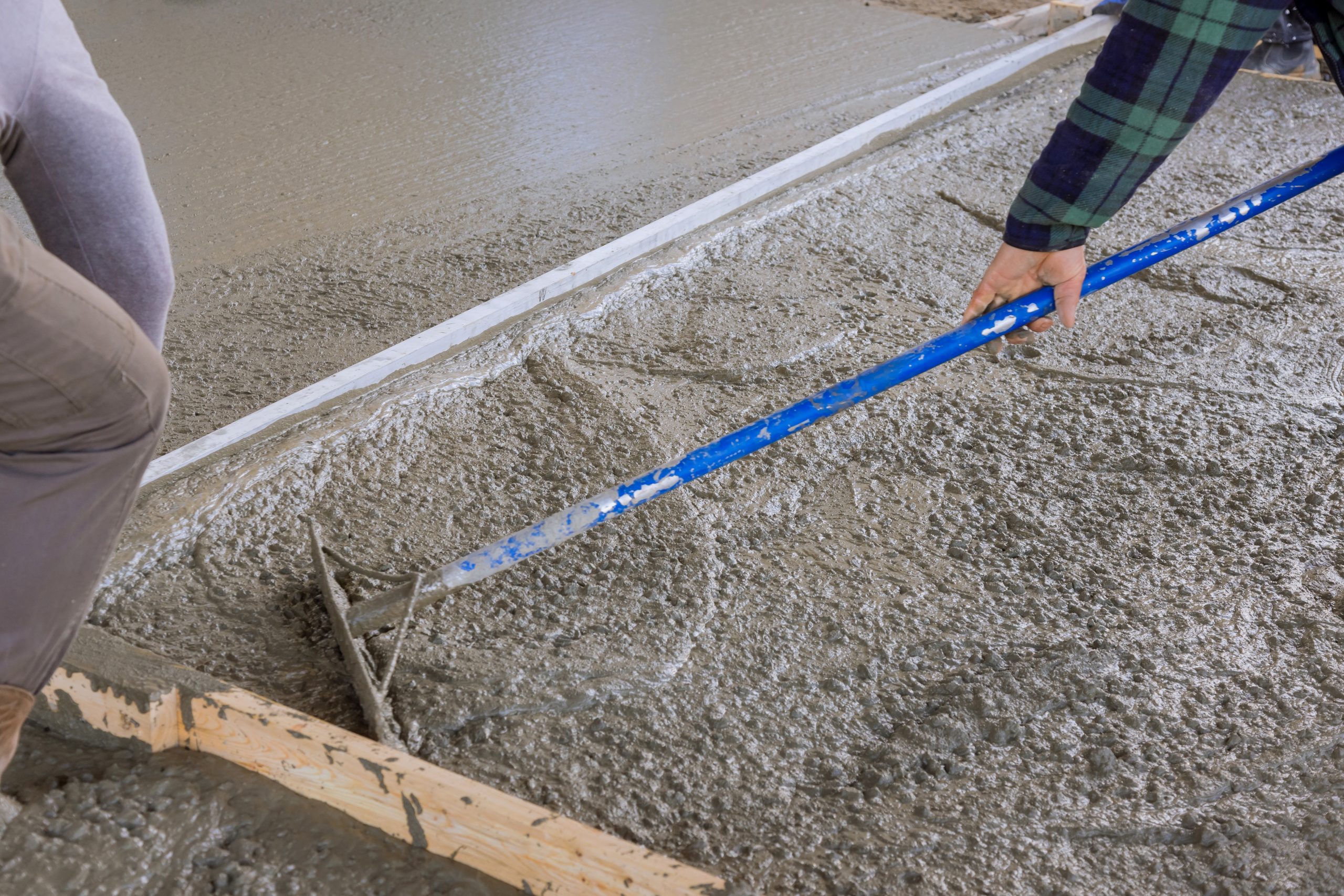
Talk to your team before the day. Make sure everyone knows their role, the pour sequence is agreed, and there are enough people on hand to place and tamp the concrete as it arrives.
Pour Rate
The pump operator controls how fast the concrete moves through the hose. A good operator will match the rate to what your team can handle. Do not be afraid to ask them to slow down if your team gets behind. It is far better to pace the pour properly than to rush and end up with poorly placed concrete.
Why Use a Pump Alongside a Ready Mix Delivery?
On a commercial site, the combination of a ready mix delivery and a concrete pump is one of the most efficient ways to place large volumes of concrete. The benefits are straightforward:
- Fewer people needed to move concrete around site
- Concrete reaches areas that a truck chute cannot access
- The pour happens faster, reducing the risk of the mix going off
- Less mess and waste compared to manual handling methods
- Safer for your team, with less heavy lifting
National Mini Mix can supply commercial concrete Sheffield in a range of mixes to suit your project specification, from standard floor slabs to higher-strength mixes for structural pours. Booking the concrete and pump together means one point of contact and a single delivery sequence that is planned to work efficiently.
After the Pour: Clean-Up
Once the pour is finished, the pump operator will flush the hose and clean down the pump. On a commercial site, you should plan for:
- A designated area for washdown water and concrete residue
- Barriers or signage if the washdown area is near foot traffic
- Enough time at the end of the pour for the clean-up to happen before the next trade moves in
Concrete washout water is alkaline and should not be allowed to run into drains or watercourses. Have a plan for where it goes.