Ready mix concrete pouring is a critical phase in any construction project that demands careful attention to safety, timing, and technique. Whether you’re a professional contractor or undertaking a DIY project, understanding the essential precautions can mean the difference between a successful pour and costly mistakes or dangerous situations. At National Mini Mix, we’ve witnessed the importance of proper preparation and safety measures firsthand, and we’re committed to helping our customers achieve safe, successful concrete pours every time.
The concrete pouring process presents unique challenges and hazards that require specific precautions. From personal safety considerations to technical requirements for achieving quality results, taking the right steps before, during, and immediately after pouring ensures both worker wellbeing and project success.
Personal Protective Equipment and Safety Gear
Before any concrete touches the ground, ensuring all personnel are properly equipped with appropriate personal protective equipment (PPE) is paramount. Fresh concrete is highly alkaline and caustic, capable of causing severe chemical burns upon prolonged contact with skin. Every person involved in the pour should wear waterproof gloves that extend well up the forearm, long-sleeved shirts, and long trousers to minimise skin exposure.
Eye protection is equally crucial, as concrete splashing can cause serious injury. Safety glasses or goggles should be worn throughout the entire pouring process. Additionally, concrete dust and particles can become airborne during mixing and placement, making respiratory protection advisable, particularly in confined spaces or windy conditions.
Proper footwear cannot be overlooked. Wellington boots or waterproof safety boots with good tread provide essential protection against wet concrete whilst offering the grip needed to work safely on potentially slippery surfaces. Steel-toed boots add an extra layer of protection against dropped tools or equipment.
Site Preparation and Access Planning
Thorough site preparation forms the foundation of safe concrete pouring. Clear access routes are essential, ensuring the delivery truck can position safely and efficiently whilst allowing workers to move freely without obstruction. Remove any debris, tools, or materials that could create trip hazards or impede the pouring process.
Check that all formwork is secure and properly braced. Unstable forms can shift during pouring, creating dangerous situations and compromising the final result. Verify that reinforcement steel is properly positioned and tied, as displaced rebar can create puncture hazards and affect structural integrity.
Establish clear communication protocols before beginning. Designate one person to communicate with the truck driver and coordinate the pour. This prevents confusion and ensures everyone understands their role and positioning throughout the process. Have hand signals established for situations where verbal communication might be difficult over machinery noise.
Weather Considerations and Environmental Factors
Weather conditions significantly impact both safety and concrete quality during pouring. Extreme temperatures, either hot or cold, require special precautions to ensure proper curing and worker safety. In hot weather, plan pours for early morning or evening hours when possible, and have adequate shade and hydration available for all workers.
Cold weather presents different challenges, including slippery conditions and the need to protect fresh concrete from freezing. Ensure walkways and working surfaces are clear of ice and provide adequate heating or insulation for the concrete if temperatures approach freezing.
Wind conditions can affect concrete placement and create dust or spray that poses health risks. Strong winds may require postponing the pour or implementing additional protective measures. Rain, even light precipitation, can severely compromise concrete quality and create hazardous working conditions, so monitor weather forecasts carefully and be prepared to reschedule if necessary.
Proper Tool Selection and Preparation
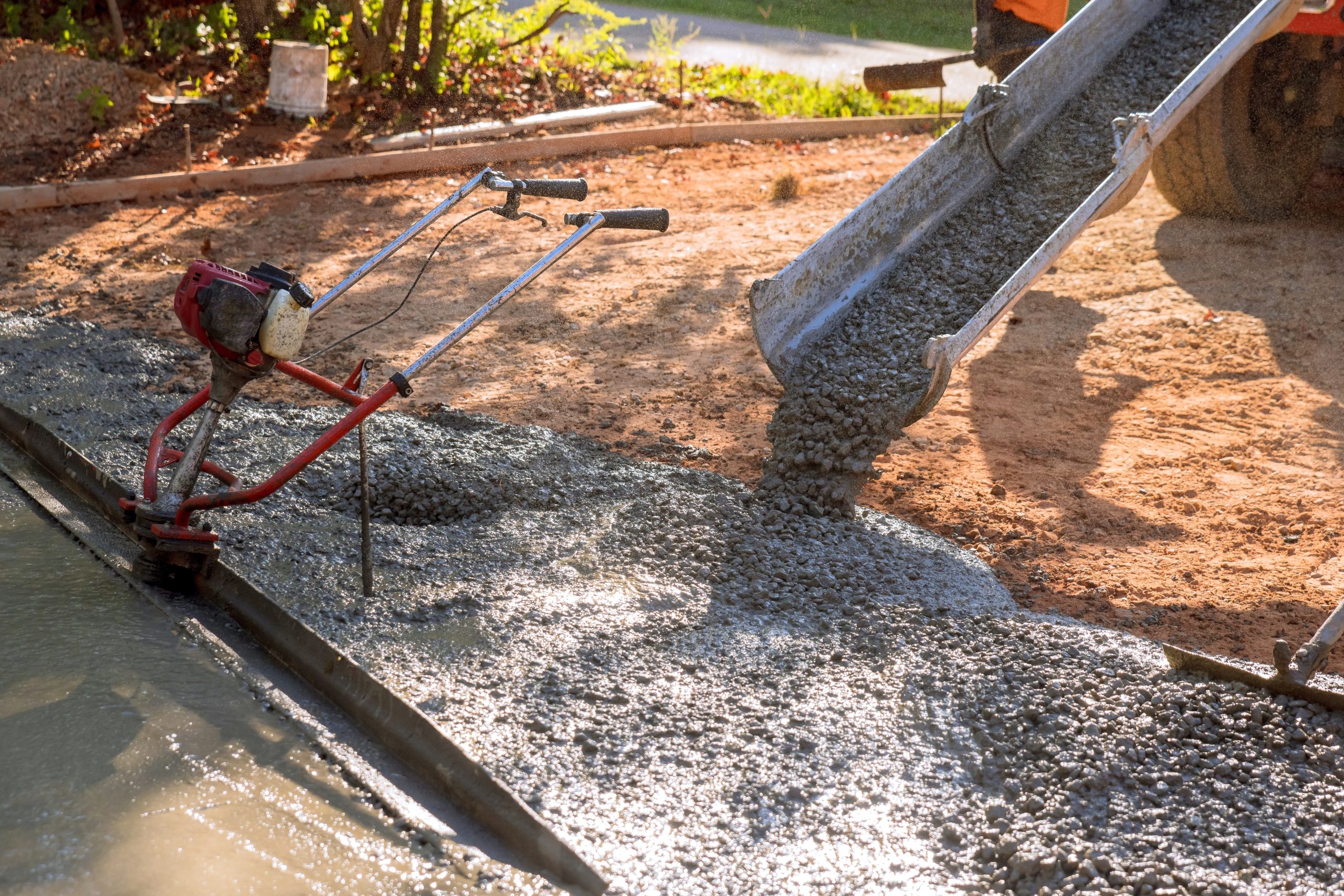
Having the right tools ready and in good working condition is crucial for both safety and efficiency. Ensure all vibrators, screeds, floats, and other equipment are functioning properly before the concrete arrives. Faulty equipment can lead to rushed repairs during pouring, creating dangerous situations and compromising quality.
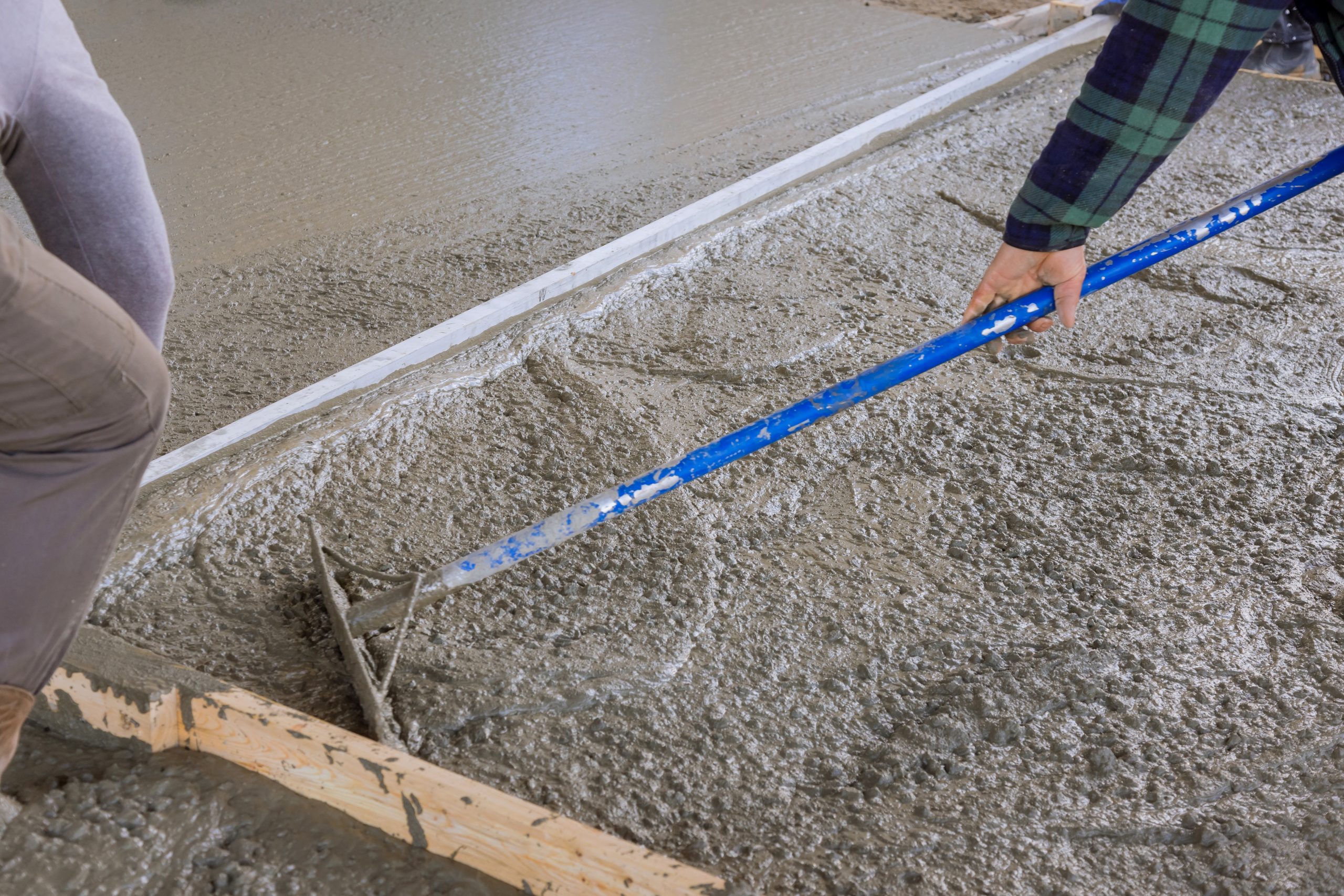
Prepare adequate numbers of wheelbarrows, shovels, and rakes, ensuring they’re clean and in good condition. Have spare tools available, as equipment can become damaged or lost in fresh concrete. Electric tools should have proper ground fault circuit interrupter (GFCI) protection, and all electrical connections should be kept well away from the pour area.
Consider the sequence of tool usage and position equipment strategically around the site. This prevents the need to move heavy equipment through fresh concrete, which can be both dangerous and damaging to the finished surface.
Timing and Coordination Protocols
Concrete has a limited working time, typically 30-60 minutes depending on conditions, making timing coordination critical. Begin the pour as soon as the truck arrives and work systematically to ensure even placement and adequate consolidation. Rushing leads to mistakes and safety hazards, whilst working too slowly can result in cold joints and poor surface finish.
Plan the pour sequence in advance, typically starting from the furthest point and working towards the truck. This minimises the need to walk through fresh concrete and reduces the risk of contamination or damage. Ensure adequate personnel are available to complete the pour within the working time window.
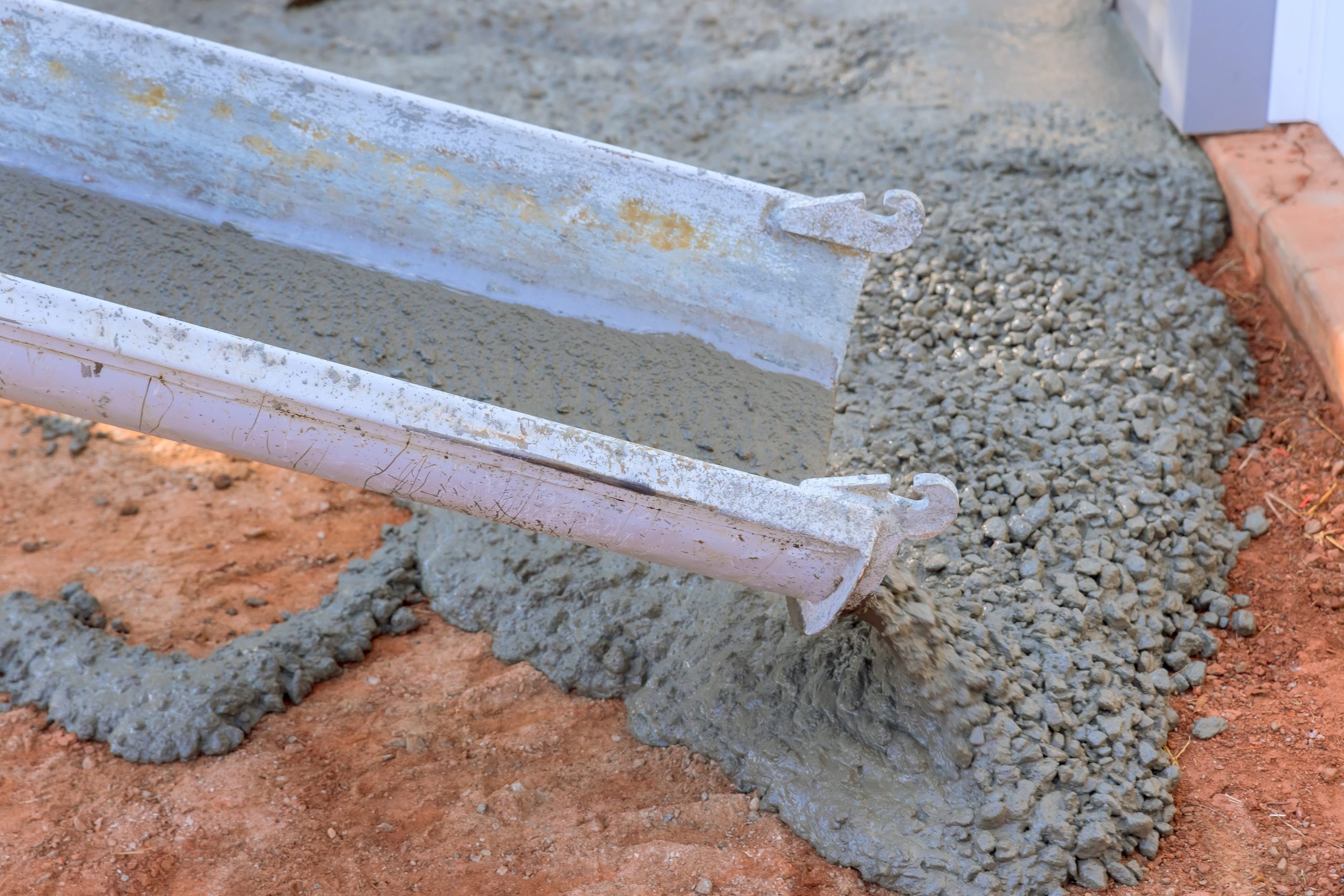
Coordinate with the delivery driver regarding truck positioning and chute adjustments. Drivers are experienced in concrete placement and can provide valuable assistance in controlling flow and positioning, but clear communication is essential to prevent misunderstandings.
Chemical and Health Safety Measures
Fresh concrete’s alkaline nature poses serious health risks beyond simple skin irritation. Prolonged exposure can cause chemical burns, whilst concrete dust can irritate respiratory systems. Never allow concrete to remain in contact with skin for extended periods, and wash any splashes immediately with clean water.
Keep a first aid kit readily available, including materials for treating chemical burns. Know the location of the nearest water source for emergency washing, and ensure someone on site is trained in basic first aid procedures. If concrete gets in someone’s eyes, flush immediately with clean water and seek medical attention.
Be aware that some additives used in ready mix concrete may pose additional health risks. Request safety data sheets for any specialised mixes and take appropriate additional precautions based on their recommendations.
Emergency Preparedness and Response
Despite careful planning, emergencies can occur during concrete pours. Establish clear procedures for handling injuries, equipment failures, or unexpected complications. Ensure mobile phones are available and charged, with emergency contact numbers readily accessible.
Have a plan for dealing with equipment breakdowns or delivery delays. Know how to contact your concrete supplier for assistance and understand options for extending working time or managing partial pours. Quick decision-making can prevent minor issues from becoming major problems.
Consider environmental emergencies such as concrete spills that might affect drainage systems or neighbouring properties. Have containment materials available and understand proper cleanup procedures to minimise environmental impact.
Quality Control During Placement
Safety and quality go hand in hand during concrete placement. Proper consolidation prevents voids and ensures structural integrity, but over-vibration can cause segregation and surface defects. Train all personnel in proper vibration techniques and establish clear guidelines for equipment usage.
Monitor concrete consistency throughout the pour, watching for signs of segregation or excessive bleeding. These conditions can create safety hazards such as slippery surfaces and may indicate problems with the mix that require immediate attention.
Document the pour process, including timing, weather conditions, and any issues encountered. This information proves valuable for future projects and can be crucial if quality problems emerge during curing.
Post-Pour Safety Considerations
The precautions don’t end when the concrete is placed. Fresh concrete surfaces can be extremely slippery and remain hazardous until initial set occurs. Restrict access to the pour area and clearly mark wet concrete to prevent accidental contact.
Continue monitoring weather conditions, as rain or extreme temperatures can affect curing and may require protective measures such as covering or heating. Maintain safety protocols until the concrete has gained sufficient strength to support normal activities.
Taking comprehensive precautions during ready mix pouring protects both personnel and project outcomes. By prioritising safety alongside technical requirements, you ensure successful concrete placement whilst maintaining the wellbeing of everyone involved. Remember, proper preparation and attention to detail during pouring pays dividends in both safety and quality throughout your project’s lifetime.