Let’s settle the concrete debate once and for all, shall we? If you’ve ever found yourself in a DIY dilemma, wondering whether to call in a ready mix supplier like us or crack on with mixing it yourself, you’re not alone. It’s the concrete equivalent of the age-old “takeaway versus home cooking” conundrum – except with considerably more weight involved!
At National Mini Mix, we’re obviously fans of the ready mix approach (bit of a giveaway in our name), but we’re not afraid to lay out the honest comparison. So grab a cuppa, and let’s dive into the nitty-gritty of concrete mixing methods.
The Traditional DIY Approach: Charm and Challenges
Picture the scene: you, a cement mixer (or just a wheelbarrow and shovel if you’re proper old school), some bags of cement, a pile of aggregates, and your trusty garden hose. There’s something undeniably satisfying about mixing concrete yourself – a bit like making bread from scratch or changing your own oil.
The Traditional Method Involves:
- Purchasing separate materials (cement, sand, aggregates)
- Measuring and mixing by hand or with a small mixer
- Adding water based on experience and gut feel
- Transporting your mix from mixing spot to pouring location
- Racing against the clock before it starts to harden
There’s a certain romance to it, I’ll grant you that. But is it practical? Let’s weigh it up…
Ready Mix vs DIY: The Showdown
Round 1: Quality and Consistency
Traditional Mixing: Ever tried to follow a recipe while simultaneously answering the phone, stopping the dog from eating something questionable, and realizing you’re out of a key ingredient? That’s DIY concrete mixing for you. The results can be… unpredictable.
Even with the best intentions, manual mixing often leads to inconsistent batches. One wheelbarrow might be spot on, the next a bit too wet or too dry. These variations can lead to weak spots, different setting times, and a finished result that’s about as uniform as my aunt Marge’s patchwork quilt.
Ready Mix: Our concrete is mixed in computer-controlled batching plants where precision is the name of the game. Every cubic metre is exactly the same quality, with carefully measured ingredients and perfect water-to-cement ratios. It’s like the difference between a cake made by Paul Hollywood and one made by yours truly after three pints.
Winner: Ready Mix (unless you fancy gambling with your foundation’s future)
Round 2: Time and Effort
Traditional Mixing: Let’s be honest – mixing concrete is proper grafting. For small jobs, you might spend more time setting up, mixing, and cleaning than actually pouring. A typical DIYer might manage about 0.5 cubic metres in an hour of back-breaking work, and that’s if you’ve got your system down pat.
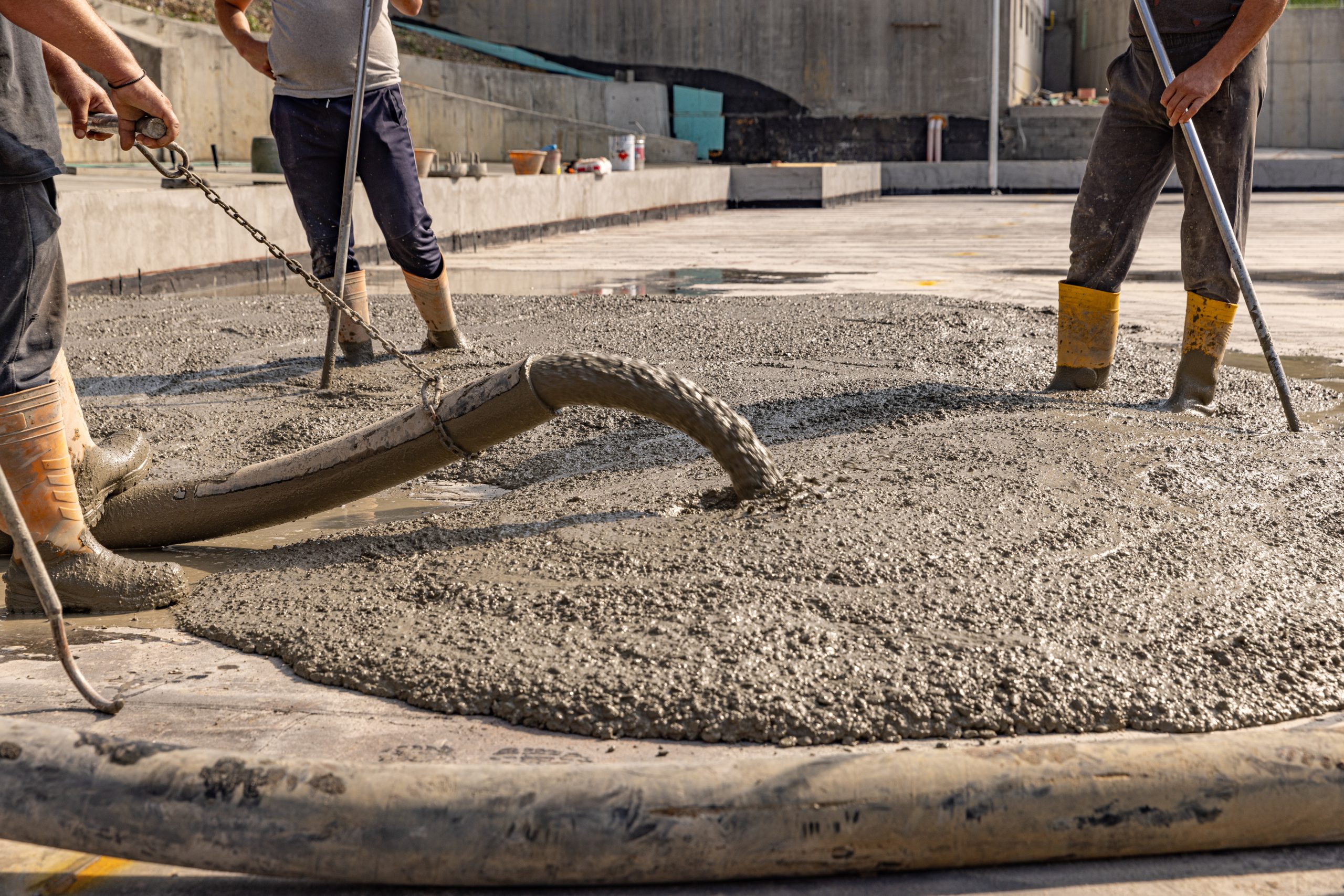
Ready Mix: Our mini mixer turns up, reverses to wherever you need it (within reason – we haven’t mastered levitation yet), and can discharge 1 cubic metre in about 10 minutes. While the concrete’s pouring, you can focus on proper placement and finishing rather than rushing back to mix the next batch before the first one sets.
Winner: Ready Mix (unless you’re using concrete mixing as your new fitness regime)
Round 3: Cost Comparison
Traditional Mixing: At first glance, DIY often seems cheaper. A rough calculation:
- Bags of cement, sand, and gravel: £70-£90 per cubic metre
- Mixer hire (if needed): £30-£50 per day
- Your time and energy: supposedly free, but we all know better!
Hidden costs include wastage (those half-used bags that harden before your next project), fuel for transporting materials, and the inevitable “oops, we’ve run out” emergency dash to the builders’ merchants.
Ready Mix: Our prices vary depending on mix design, volume, and delivery distance, but typically range from £90-£150 per cubic metre delivered to your door. That includes quality-controlled materials, professional mixing, and delivery exactly where you need it.
Winner: It’s a draw (depends on your circumstances and how you value your time)
Round 4: Waste and Environmental Impact
Traditional Mixing: DIY concrete often leads to:
- Over-purchasing materials “just in case”
- Unused materials that may deteriorate in storage
- Multiple trips to suppliers in your car or van
- Wastage from improper mixing ratios
- Water wastage from cleaning equipment
Ready Mix: With ready mix, you order exactly what you need – down to the half cubic metre with our mini mixers. No excess materials, no waste. Our efficient delivery routes mean less fuel consumption per cubic metre delivered compared to multiple car trips. Plus, our plant operations include water recycling systems and efficient material handling.
Winner: Ready Mix (Mother Nature sends her thanks)
Round 5: Suitable Project Size
Traditional Mixing: DIY mixing makes good sense for:
- Very small jobs (less than 0.5 cubic metres)
- Projects with very restricted access where even our mini mixers can’t reach
- Jobs where you can work in very small batches over time
- When you genuinely enjoy the mixing process (no judgment here!)
Ready Mix: Ready mix comes into its own for:
- Medium to large projects (from 0.5 cubic metres upwards)
- Time-sensitive pours where continuity matters
- Structural concrete where strength consistency is critical
- Projects where you want to focus on placement and finishing
- When your time is valuable (or your back is already complaining)
Winner: It depends (horses for courses, as they say)
The Technical Bits: Strength and Durability
Here’s where it gets serious. Concrete isn’t just concrete – its strength, durability, and performance depend massively on how it’s mixed.
Traditional Mixing Challenges:
- Inconsistent water-to-cement ratios affect final strength
- Improper mixing leads to weak spots and durability issues
- Limited access to specialized additives for specific performance needs
- Reliance on guesswork rather than testing
- Weather conditions can affect your mix dramatically
Ready Mix Advantages:
- Quality-controlled production meets British Standards
- Consistent strength across your entire project
- Access to specialized mixes (waterproof, high-strength, rapid-setting)
- Professional testing and quality assurance
- Mix designs tailored to weather conditions on delivery day
For anything structural – foundations, load-bearing slabs, retaining walls – the consistent quality of ready mix gives serious peace of mind. For a decorative garden path? DIY might do the job just fine.
The National Mini Mix Difference: Best of Both Worlds
We reckon our mini mix service offers a clever middle ground:
- Small minimum orders (from just 0.5 cubic metres)
- Access to tight spots that big trucks can’t reach
- Professional quality without massive volume requirements
- Pay only for what you need, not arbitrary “minimum loads”
- All the convenience of ready mix for projects that previously seemed too small
It’s like getting a takeaway from a Michelin-starred restaurant that delivers in sensible portions. Best of both worlds, innit?
So What’s The Verdict?
If we’re being completely honest (and we always are), there’s a place for both methods:
Stick with DIY mixing when:
- Your project requires less than 0.5 cubic metres of concrete
- You have extremely restricted access
- You enjoy the process and aren’t in a hurry
- Your project isn’t structural and minor variations won’t matter
Call National Mini Mix when:
- You value your time and back health
- Quality and consistency matter
- You’re pouring more than 0.5 cubic metres
- You want access to professional-grade concrete
- You need specialized concrete mixes
- You want to reduce waste and environmental impact
Ready To Make Your Choice?
Whether you decide to go old school with a wheelbarrow and shovel or join the ready mix revolution, we’re here to offer advice. Even if you’re determined to mix your own, give us a bell – we’re always happy to chat concrete (sad, I know, but it’s our thing).
And if you decide that life’s too short for mixing your own concrete, our mini mixers are ready to bring the perfect mix to your door – no heavy lifting, no wastage, no hassle. Just quality concrete, exactly where you need it.
Now that’s what I call a concrete plan!