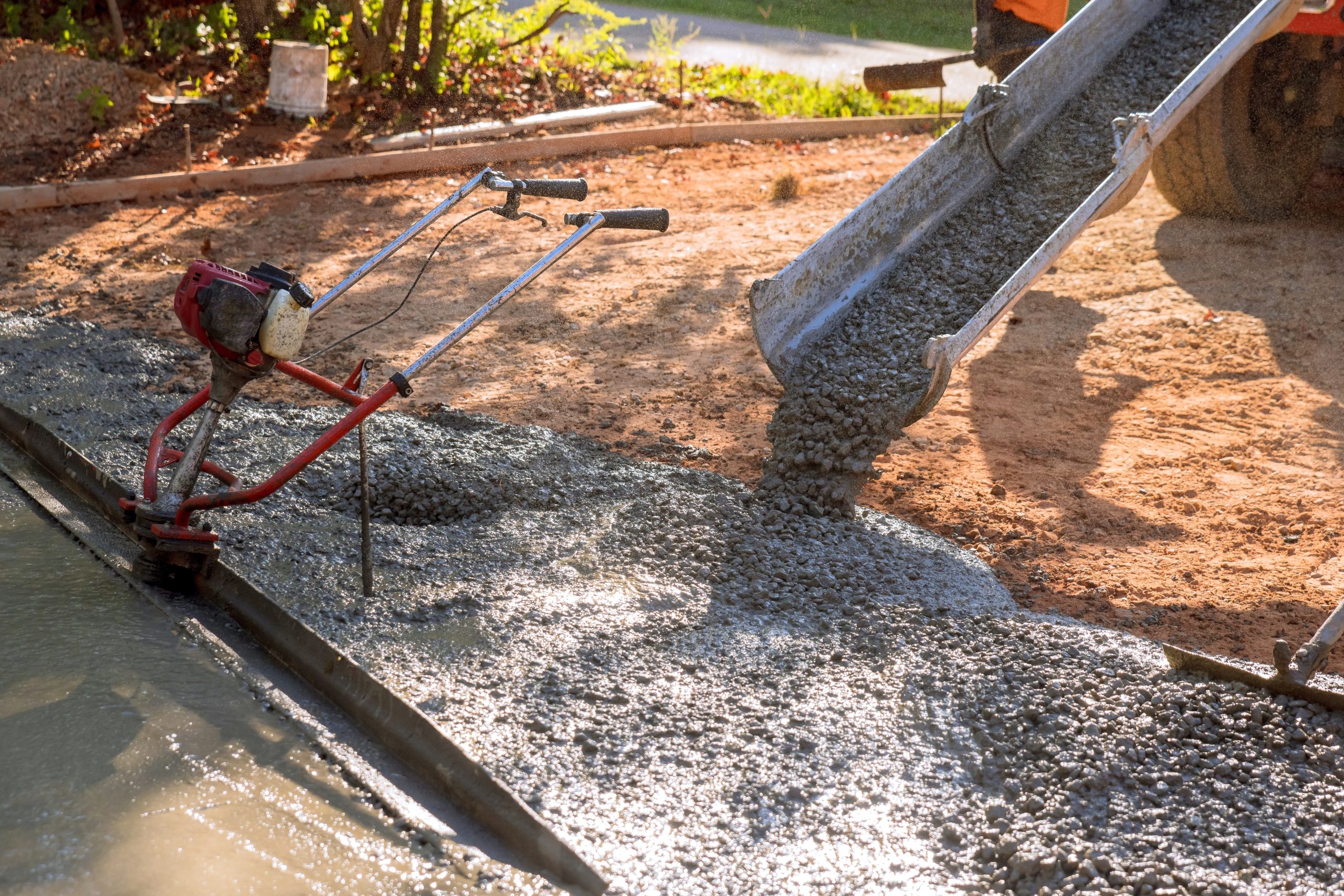
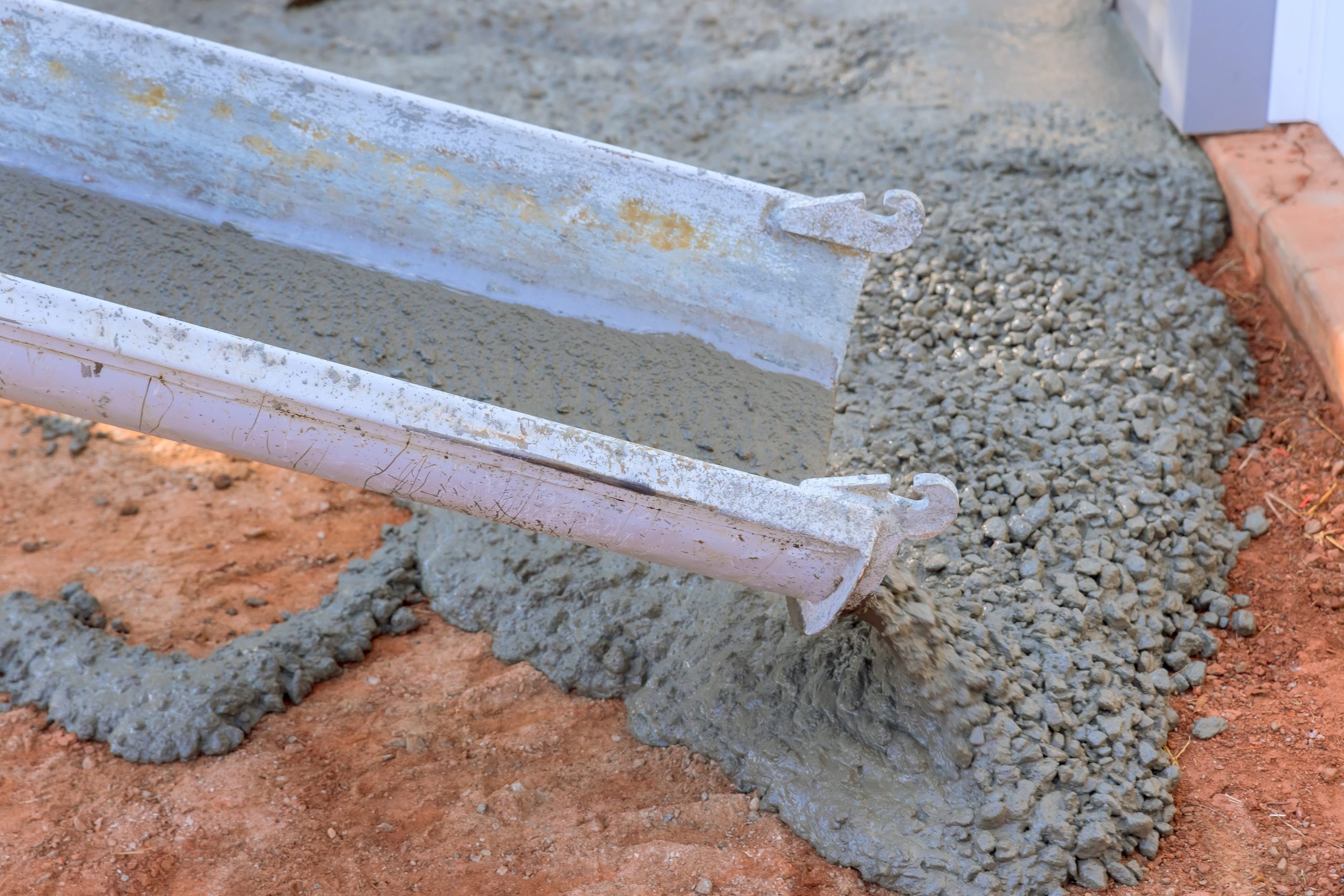
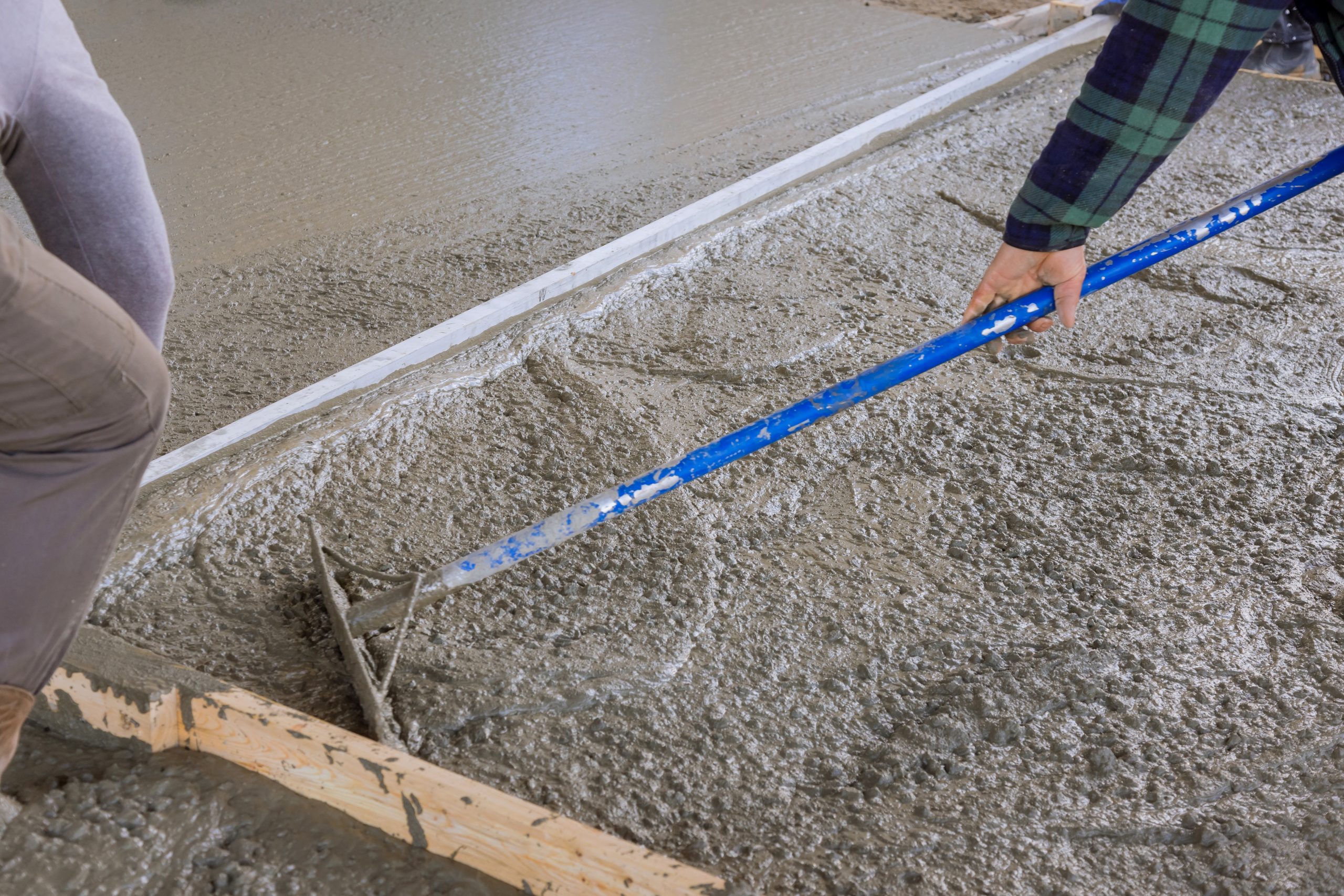
Construction projects don’t always take place in ideal locations with wide, accessible roads and ample space for large vehicles. Many projects occur in confined urban spaces, residential areas with narrow streets, heritage sites with access restrictions, or remote locations where standard concrete trucks simply cannot reach. This is where mini mix deliveries prove their worth, offering a practical solution that brings fresh, high-quality concrete to even the most challenging locations. At National Mini Mix, we specialise in navigating these difficult sites, ensuring your project receives the concrete it needs regardless of access limitations.
Understanding how mini mix deliveries work in restricted environments can help you plan more effectively and choose the right concrete solution for your specific site challenges. From tight city centre developments to rural barn conversions, mini mix trucks offer flexibility that standard concrete delivery simply cannot match.
Navigating Narrow Access Routes
One of the primary advantages of mini mix deliveries is their ability to access sites through narrow roads, lanes, and pathways that would be impossible for standard concrete trucks. Mini mix vehicles are typically much smaller than conventional ready-mix trucks, often measuring around 2.5 metres wide and 6-8 metres long, compared to standard trucks that can exceed 3 metres in width and 10 metres in length.
This size advantage becomes crucial in historic town centres, residential developments, and rural locations where roads were never designed for modern commercial vehicles. Mini mix trucks can navigate through village streets, down country lanes, and into housing estates where larger vehicles would struggle or be prohibited entirely. The reduced turning radius also means they can manoeuvre around tight corners and into confined spaces that would otherwise require expensive pumping solutions or manual concrete handling.
Many mini mix trucks are also designed with lower overall heights, allowing access under low bridges, tree canopies, and architectural features that might restrict taller vehicles. This capability opens up possibilities for projects in areas with infrastructure limitations that would otherwise require costly alternative delivery methods.
Weight Distribution and Ground Protection
Restricted sites often have concerns about ground bearing capacity, particularly in areas with sensitive landscaping, buried utilities, or weak subsoils. Mini mix trucks distribute their weight more effectively than larger vehicles due to their smaller size and often feature specialised tyres designed to minimise ground pressure.
This characteristic makes mini mix deliveries particularly suitable for projects in gardens, parks, or other areas where ground protection is essential. The reduced axle loads mean less risk of damage to driveways, pathways, and underground services. Many mini mix trucks can access sites where larger vehicles would require expensive ground protection measures such as trackway systems or temporary roadways.
The ability to work on softer ground conditions extends the construction season for many projects. Where larger trucks might be restricted during wet weather due to ground conditions, mini mix vehicles can often continue deliveries, maintaining project schedules and reducing weather-related delays.
Flexible Delivery Volumes
Restricted sites often have limited storage space for materials and equipment, making large concrete deliveries impractical. Mini mix trucks typically carry 1-6 cubic metres of concrete, allowing for precise quantity control that matches project requirements without overwhelming limited site capacity.
This flexibility is particularly valuable for phased construction projects where concrete is needed in smaller quantities over extended periods. Rather than attempting to coordinate large deliveries that might exceed site storage capabilities or working time constraints, mini mix allows for multiple smaller deliveries timed to match construction progress.
The ability to order concrete in smaller quantities also reduces waste on restricted sites where excess material disposal can be challenging and expensive. Projects in urban environments or heritage sites often have strict waste management requirements, making precise quantity control essential for both cost management and regulatory compliance.
Reduced Site Disruption
Projects on restricted sites often face heightened scrutiny regarding noise, dust, and traffic disruption. Mini mix deliveries typically create less disturbance than standard concrete trucks due to their smaller size and reduced delivery volumes. The smaller vehicles generate less noise during approach and positioning, making them more suitable for residential areas or sites with noise restrictions.
Parking and positioning requirements are also significantly reduced. Where a standard concrete truck might need to block roads or require extensive traffic management, mini mix vehicles can often position within existing parking areas or utilise smaller spaces without causing major disruption to surrounding activities.
The reduced delivery frequency compared to manual concrete mixing methods also minimises overall site traffic. Rather than multiple trips with bagged cement, aggregates, and mixing equipment, a single mini mix delivery can provide substantial quantities of ready-mixed concrete with minimal transport movements.
Overcoming Height and Clearance Restrictions
Many restricted sites face overhead clearance limitations from power lines, tree branches, building overhangs, or bridge structures. Mini mix trucks are designed with awareness of these common restrictions, often featuring lower overall heights and sometimes adjustable or foldable components that allow passage under obstacles that would prevent access by taller vehicles.
Some mini mix vehicles feature extending chutes or conveyor systems that can reach over obstacles or around corners, delivering concrete to areas that would otherwise be inaccessible. This capability eliminates the need for expensive pumping equipment or labour-intensive manual handling methods.
The ability to work under restricted height conditions makes mini mix particularly valuable for basement projects, undercroft developments, or any construction taking place beneath existing structures where clearance is limited.
Specialised Equipment for Difficult Terrain
Many mini mix operators have invested in specialised vehicles designed specifically for challenging site conditions. All-terrain mini mix trucks can access sites across rough ground, steep slopes, or unstable surfaces where conventional vehicles would be unable to operate.
Some vehicles feature four-wheel drive capabilities, allowing access to construction sites during adverse weather conditions or on challenging terrain. This capability is particularly valuable for rural projects, agricultural buildings, or developments in areas without established road infrastructure.
Track-mounted mini mix vehicles take this concept further, providing access to sites where even rugged wheeled vehicles cannot reach. These specialised units can traverse soft ground, steep gradients, and rough terrain whilst delivering concrete directly to the point of placement.
Cost-Effective Alternative to Pumping
On many restricted sites, the alternative to mini mix delivery would be concrete pumping from a standard truck positioned at a distant accessible location. Whilst pumping is an excellent solution for many projects, it involves significant additional costs for equipment hire and often requires longer setup times.
Mini mix deliveries can often eliminate the need for pumping by bringing concrete directly to or very close to the point of placement. This approach reduces overall project costs whilst maintaining the quality and convenience of ready-mixed concrete. The savings on pumping costs can be substantial, particularly for smaller projects where pump hire costs represent a significant proportion of the total concrete budget.
Environmental and Planning Considerations
Projects on restricted sites often face stringent environmental and planning constraints. Mini mix deliveries align well with these requirements by reducing the overall environmental impact of concrete delivery. Smaller vehicles produce lower emissions per delivery and cause less disturbance to local ecosystems and communities.
Many planning authorities prefer mini mix solutions for projects in sensitive areas because they minimise the infrastructure impact of construction activities. The reduced need for road modifications, temporary access routes, or traffic management measures makes projects more acceptable to planning committees and local communities.
Timing and Scheduling Flexibility
Restricted sites often have limited working hours due to noise restrictions, traffic limitations, or access agreements. Mini mix deliveries offer superior scheduling flexibility, allowing concrete delivery during permitted hours without the time pressures associated with larger deliveries.
The ability to schedule multiple smaller deliveries throughout a project timeline also allows better coordination with other site activities. Rather than requiring all site resources to focus on a single large pour, mini mix deliveries can be integrated into the normal workflow with minimal disruption to other construction activities.
At National Mini Mix, we understand that every restricted site presents unique challenges requiring tailored solutions. Our experience with difficult access situations means we can often find delivery solutions where others cannot, ensuring your project receives the concrete it needs regardless of site limitations. By choosing mini mix deliveries for your restricted site project, you’re selecting a service designed specifically to overcome the challenges that make your location unique whilst maintaining the quality and reliability essential for successful construction outcomes.