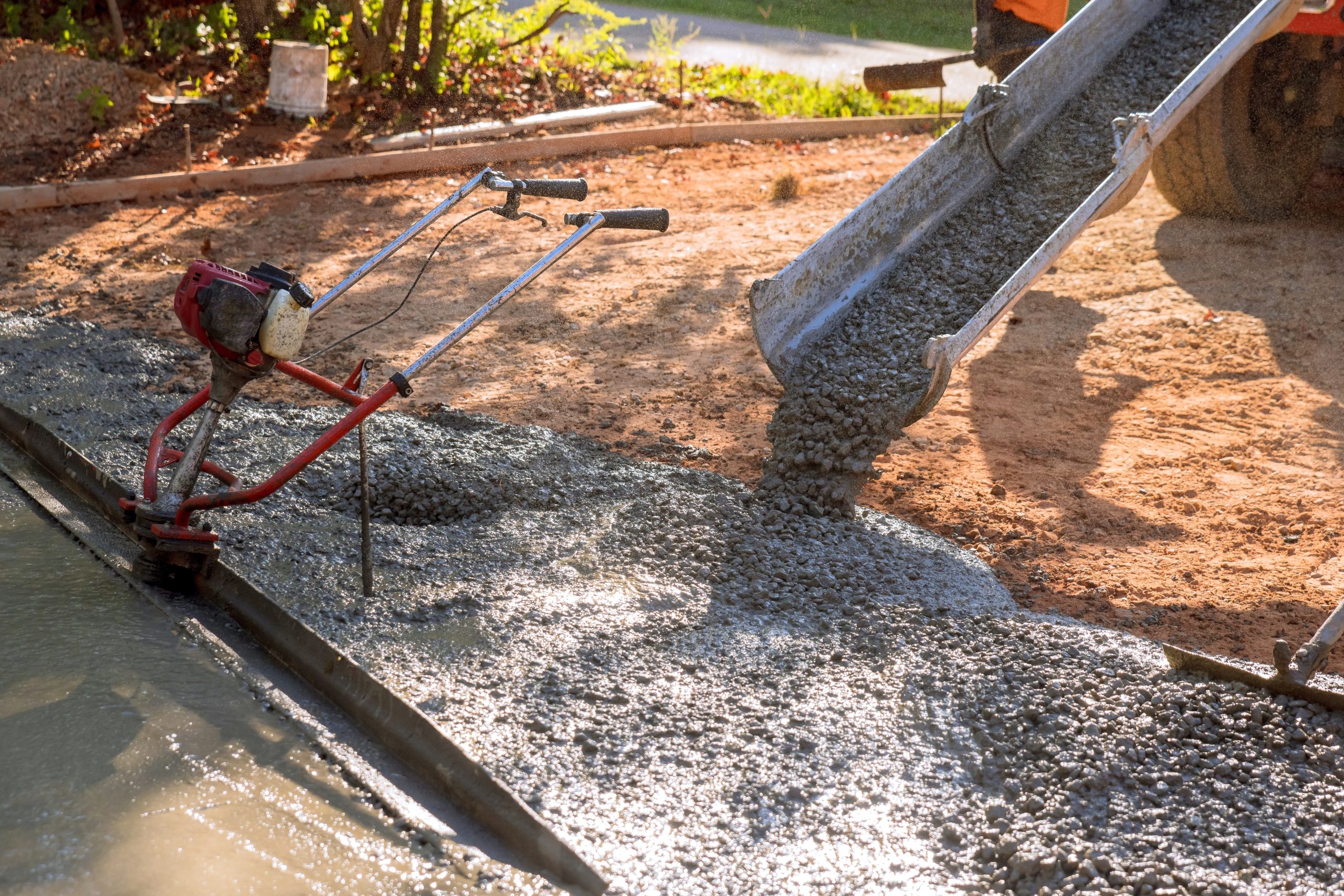
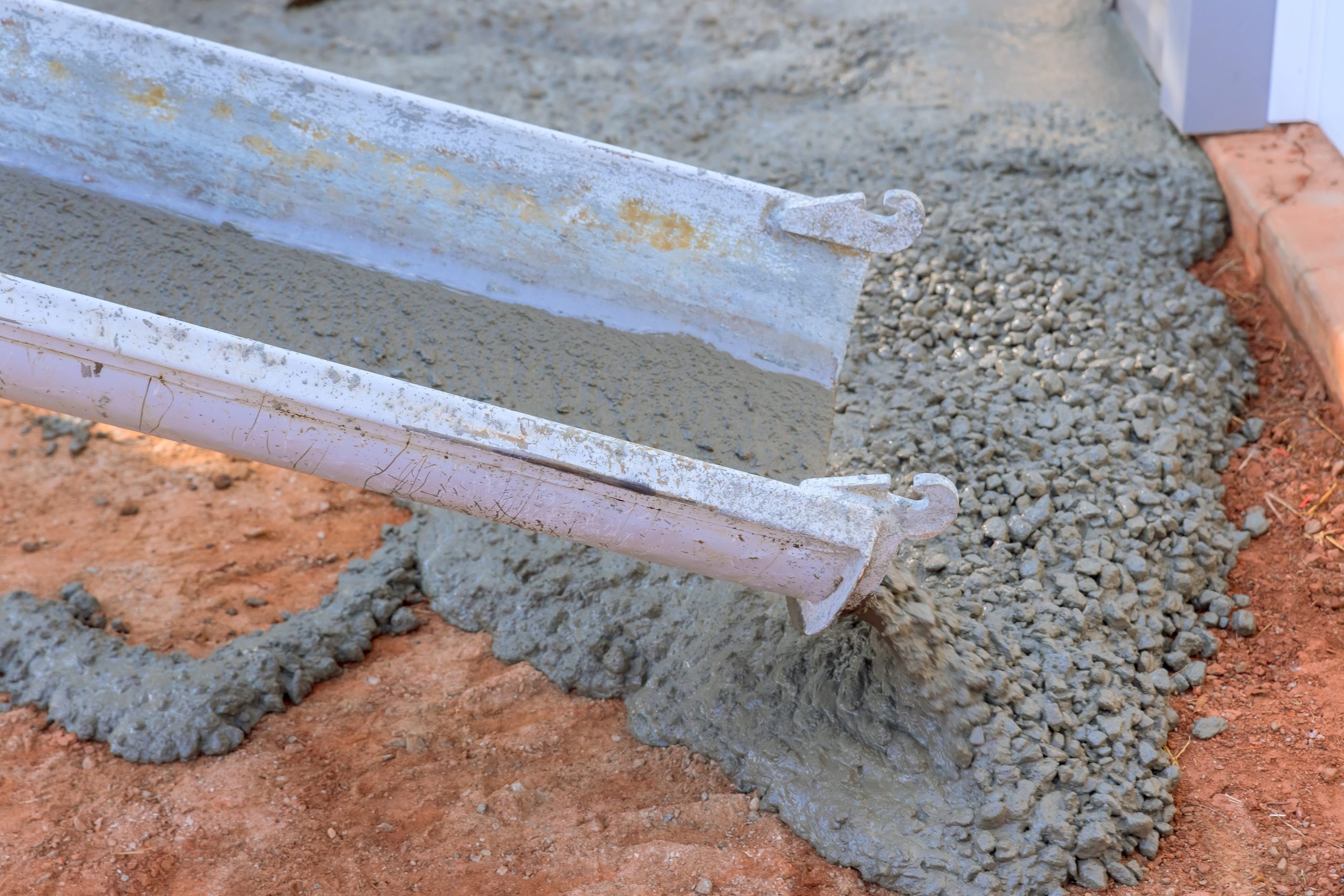
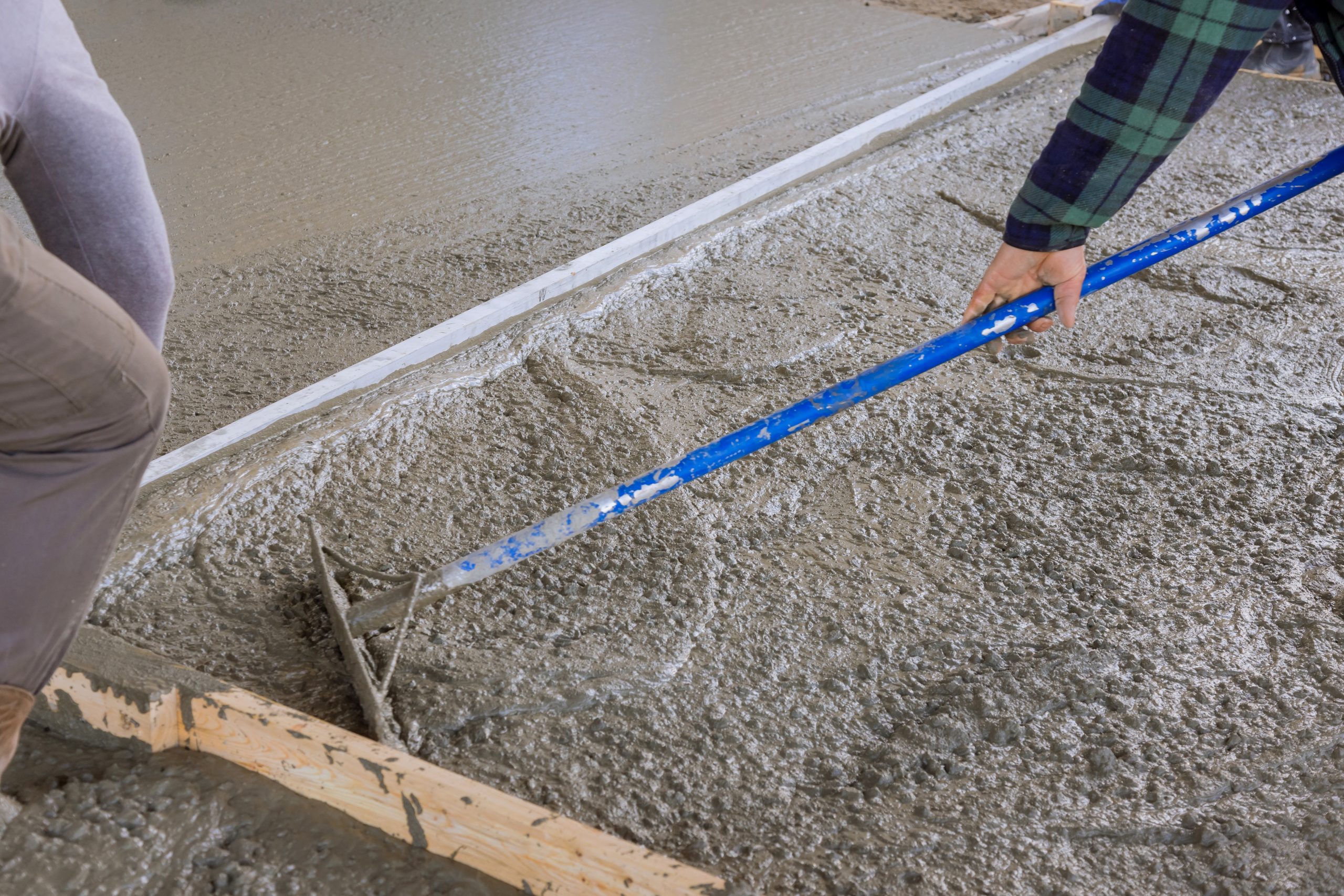
In today’s environmentally conscious construction industry, minimising waste isn’t just good for the planet—it’s essential for your bottom line. When it comes to concrete deliveries, ordering the right amount of mini mix can make the difference between a profitable project and one that eats into your margins through excess material costs and disposal fees. At National Mini Mix, we understand that getting your concrete quantities spot-on is crucial for both sustainability and cost-effectiveness.
Whether you’re a seasoned contractor or embarking on a DIY project, reducing waste when ordering mini mix deliveries requires careful planning, accurate calculations, and smart ordering strategies. Here’s how you can ensure you get exactly what you need, when you need it, without the environmental and financial burden of excess concrete.
Start with Precise Measurements and Calculations
The foundation of waste reduction lies in accurate measurement and calculation. Before placing your order, take the time to measure your project area meticulously. For slabs, multiply length by width by depth to get your cubic metre requirement. For footings, calculate the volume of each section separately, accounting for any changes in depth or width.
Don’t rely on rough estimates or quick mental calculations. Use proper measuring tools and double-check your figures. Remember that concrete is typically ordered in cubic metres, so ensure all your measurements are converted to the same units. A small error in measurement can result in either running short during your pour or having substantial amounts left over.
When calculating for complex shapes or multiple pours, break down the project into manageable sections. This approach not only helps with accuracy but also allows you to order concrete in phases if needed, reducing the risk of over-ordering for the entire project at once.
Account for Waste Factors, But Don’t Overcompensate
Professional contractors typically add a waste factor of 5-10% to their concrete calculations to account for spillage, uneven subgrades, and minor measurement discrepancies. However, many people make the mistake of being overly generous with this allowance, leading to significant over-ordering.
The key is to be realistic about your waste factor based on the complexity of your project and your experience level. Simple slab pours on well-prepared ground might only require a 5% allowance, whilst more complex projects with multiple pours or difficult access might warrant up to 10%. Avoid the temptation to add “just a bit more to be safe” beyond these recommended percentages.
Choose the Right Delivery Size and Timing
Mini mix trucks offer flexibility in delivery sizes, typically ranging from 1 to 6 cubic metres. Rather than ordering one large delivery, consider whether your project would benefit from multiple smaller deliveries. This approach is particularly valuable for projects where concrete will be poured over several days or where you’re uncertain about timing.
Multiple smaller deliveries allow you to assess your actual usage after the first pour and adjust subsequent orders accordingly. This strategy is especially effective for DIY projects where working speed might be slower than anticipated, or for projects where ground conditions might vary across different areas.
Timing your deliveries is equally important. Concrete begins to set within 30-60 minutes, so ensure you’re fully prepared before the truck arrives. Have your site ready, tools at hand, and sufficient labour available to complete the pour efficiently. Rushed pours often lead to spills and waste that could easily be avoided with proper preparation.
Plan for Efficient Placement and Usage
Efficient concrete placement significantly reduces waste. Ensure your site is properly prepared with level subgrades, correct formwork, and clear access routes. Poor site preparation often results in uneven pours that require additional concrete to achieve the desired thickness.
Consider the pour sequence carefully. Start from the furthest point and work towards the truck to minimise handling and potential spillage. Have wheelbarrows, chutes, or pumping equipment ready if needed, and ensure all pathways are clear and stable.
Train your team or family members involved in the pour about proper handling techniques. Concrete that’s carelessly transported or placed often results in spillage that represents pure waste. Simple techniques like using proper tools and maintaining steady movements can significantly reduce material loss.
Consider Partial Loads and Flexible Scheduling
Many suppliers, including National Mini Mix, offer flexible scheduling and partial load options that can help minimise waste. Rather than committing to a full truck when you’re uncertain about quantities, inquire about partial loads or the possibility of ordering additional concrete during your pour if needed.
Some suppliers offer “top-up” services where they can deliver additional concrete to your site if you run short during your pour. Whilst this might involve additional delivery charges, it can be more cost-effective than over-ordering initially, especially when you factor in disposal costs for excess concrete.
Have a Plan for Excess Concrete
Despite careful planning, you might occasionally find yourself with excess concrete. Rather than letting it go to waste, have contingency plans in place. Small amounts of leftover concrete can be used for garden edging, stepping stones, or small repair jobs around your property.
For larger excess quantities, consider whether you have any upcoming projects that could utilise the concrete. Simple projects like garden paths, small pads for sheds, or repair work can often absorb modest amounts of excess concrete productively.
Work with Experienced Suppliers
Partnering with experienced suppliers who understand waste minimisation can significantly improve your ordering accuracy. Reputable mini mix suppliers can provide valuable advice on quantities, timing, and efficient placement techniques based on their experience with similar projects.
At National Mini Mix, our team can help you calculate precise quantities for your project and suggest delivery strategies that minimise waste. We understand that every project is unique, and we’re committed to helping you achieve the best possible outcomes whilst reducing environmental impact.
Monitor and Learn from Each Project
Keep detailed records of your concrete orders and usage for future reference. Note the actual quantities used, any excess or shortfall, and factors that contributed to waste. This information becomes invaluable for estimating future projects more accurately.
Building this knowledge base helps you refine your ordering process over time, leading to increasingly accurate estimates and reduced waste. What starts as a learning process gradually becomes a reliable system for efficient concrete ordering.
Minimising waste when ordering mini mix deliveries requires attention to detail, careful planning, and realistic assessment of your needs. By implementing these strategies, you’ll not only reduce environmental impact but also improve your project profitability and efficiency. Remember, the goal isn’t just to avoid running short—it’s to order exactly what you need for successful, sustainable construction projects.