Choosing the Right Mix for Domestic Concrete Projects
Getting the right concrete mix for your home project can make the difference between a job that lasts decades and one that starts cracking within months. Whether you’re laying a patio, building a driveway, or creating garden paths, understanding concrete mixes will save you time, money, and headaches down the line.
Understanding Concrete Basics
Concrete is surprisingly simple – it’s just cement, sand, aggregate (small stones), and water mixed together. The magic happens when these ingredients combine in the right proportions. The cement acts as the glue, binding everything together as it sets and hardens.
Think of it like baking a cake. You need the right amounts of flour, eggs, and butter to get the texture you want. Too much of one ingredient and your cake falls flat. Concrete works the same way – get the mix wrong and your project will suffer.
Common Concrete Mix Ratios
The most common way to describe concrete mixes is by ratio. A 1:2:3 mix means one part cement, two parts sand, and three parts aggregate. Here are the standard mixes you’ll encounter:
1:2:3 Mix – This is your everyday, general-purpose concrete. It’s perfect for most domestic jobs like garden paths, small patios, and fence posts. It’s strong enough for regular foot traffic but not heavy loads.
1:1.5:2.5 Mix – This is stronger concrete, ideal for driveways, larger patios, and areas that might see heavier use. The extra cement makes it more durable but also more expensive.
1:3:6 Mix – This weaker mix works well for shed bases and light-duty applications where you don’t need maximum strength. It’s more economical for larger areas that won’t bear much weight.
Matching Mix to Project
Your project dictates which mix you need. Here’s how to choose:
Driveways need strength to handle car weight and regular traffic. Go for a 1:1.5:2.5 mix or stronger. You’ll also want to add steel mesh reinforcement for extra durability.
Patios and paths can usually manage with a standard 1:2:3 mix. This gives you good strength for foot traffic without overspending. If you’re planning to put heavy garden furniture or a hot tub on your patio, consider the stronger mix.
Fence posts work well with a 1:2:3 mix. The concrete doesn’t need to be incredibly strong since it’s mainly holding the post in place rather than bearing weight.
Shed bases can often get away with a 1:3:6 mix since most garden sheds are relatively light. However, if you’re storing heavy equipment or using the shed as a workshop, upgrade to the standard mix.
Steps and raised areas need the stronger 1:1.5:2.5 mix because they’ll see concentrated loads and potential impact from people using them daily.
Ready-Mix vs. Mixing Your Own
You’ve got two main options: buy ready-mixed concrete or mix it yourself.
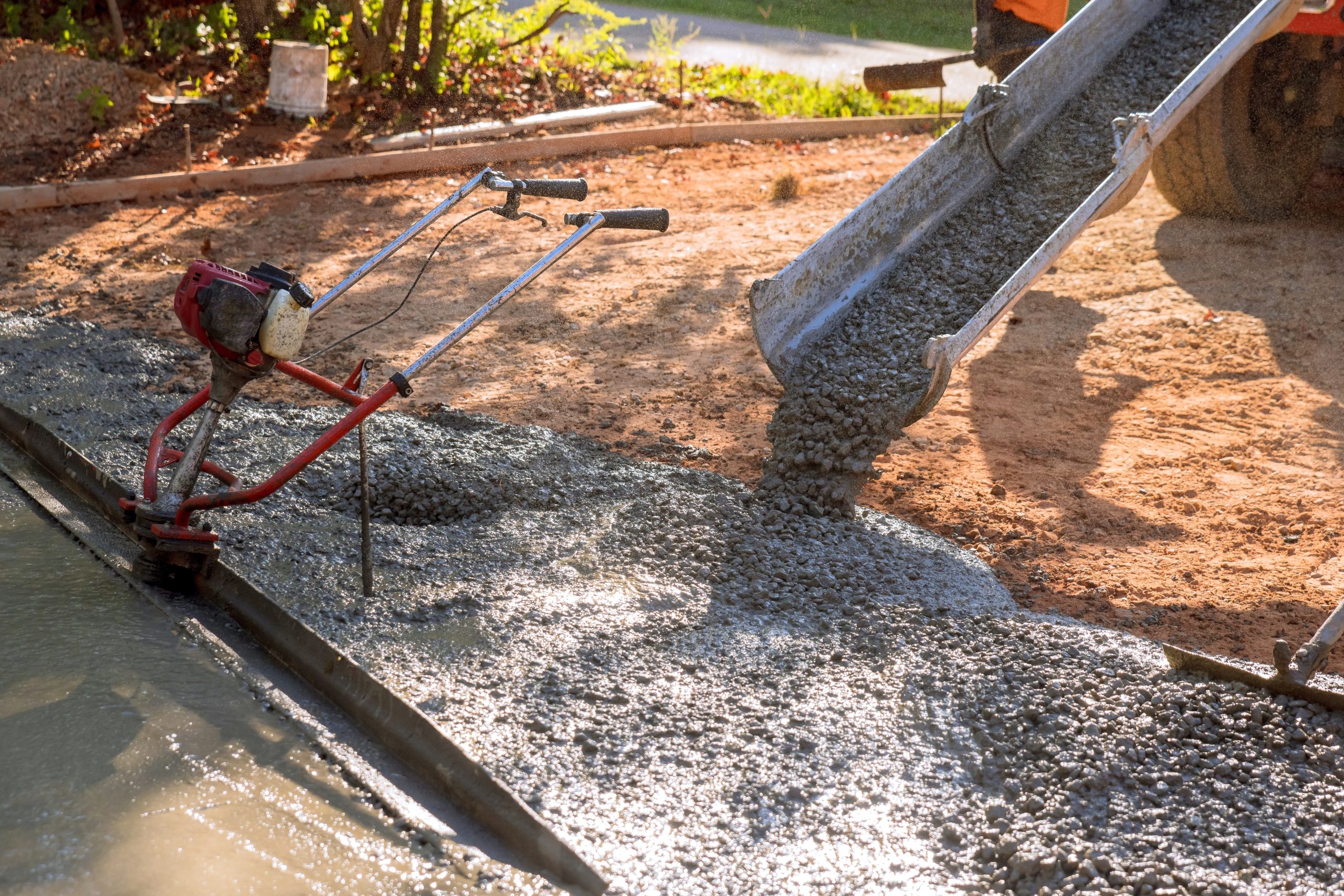
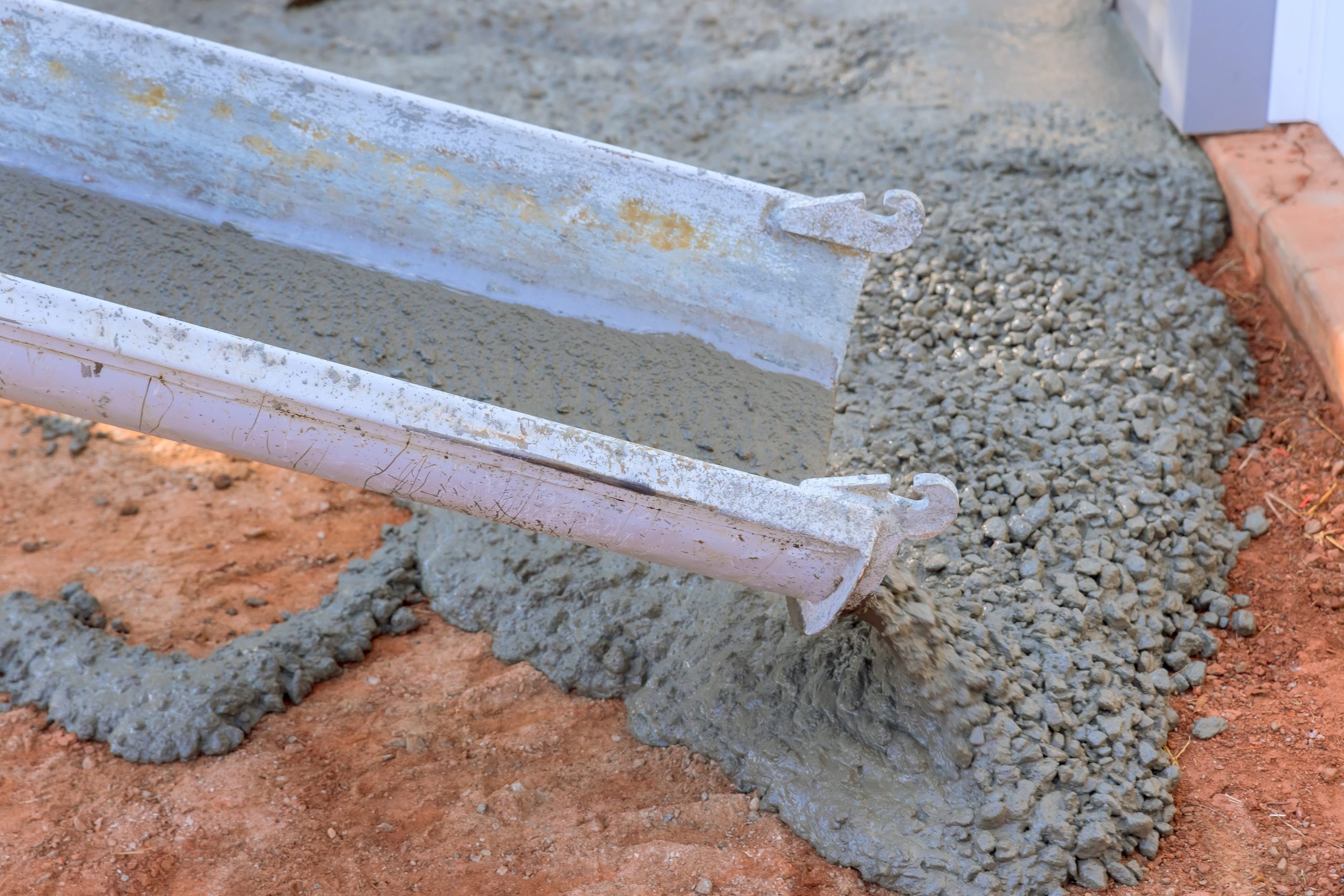
Ready-mix concrete arrives at your door already mixed and ready to pour. It’s convenient, saves time, and ensures consistent quality. For larger projects or when you need several cubic metres, it’s often cheaper too. The downside is you need to use it quickly once it arrives – concrete doesn’t wait around.
Mixing your own gives you complete control and works well for smaller jobs. You can work at your own pace and only mix what you need when you need it. However, it’s hard work and getting consistent results takes practice.
For most domestic projects under 2 cubic metres, mixing your own makes sense. Above that, ready-mix becomes more attractive.
Weather Considerations
British weather throws curveballs at concrete work. Temperature and moisture affect how concrete sets and its final strength.
Cold weather slows down the setting process. In winter, concrete might take days to reach working strength instead of hours. Protect fresh concrete from frost – it can seriously weaken the final result.
Hot weather speeds up setting, which sounds good but isn’t always helpful. Fast-setting concrete can crack if it dries too quickly. Work early in the morning during summer and keep the concrete damp as it cures.
Rain is concrete’s enemy when it’s fresh. Too much water weakens the mix and can wash away the cement. Check the weather forecast and plan accordingly. A bit of light rain after the concrete has started setting actually helps it cure properly.
Quality Matters
Not all concrete ingredients are equal. Good quality cement, clean sand, and properly sized aggregate make a huge difference to your finished project.
Cement should be fresh and dry. Old cement loses strength and takes longer to set. Store it properly in a dry place and use opened bags quickly.
Sand needs to be clean and well-graded. Dirty sand with clay or organic matter weakens concrete. Sharp sand works better than soft sand for most mixes.
Aggregate should be clean, hard stone in mixed sizes. The variety of sizes helps everything pack together tightly, making stronger concrete.
Water should be clean and drinkable. Dirty water can affect setting and strength.
Working with National Mini Mix
When you’re planning your project, think about access and timing. Mini-mix trucks are smaller than full-sized concrete lorries, so they can reach more domestic sites. However, they still need decent access and somewhere to discharge the concrete.
Plan your pour carefully. Have all your preparation work done, tools ready, and help lined up. Concrete doesn’t wait, so you need to be ready when it arrives.
Consider ordering slightly more than you calculate you need. It’s better to have a bit extra than run short partway through the job. You can always use surplus concrete for smaller tasks like fixing fence posts or creating stepping stones.
Final Thoughts
Choosing the right concrete mix isn’t complicated once you understand the basics. Match the strength to your project needs, consider the weather, and plan your work carefully. Whether you’re creating a simple garden path or a substantial driveway, getting the mix right sets the foundation for a project that will serve you well for years to come.
Remember, good preparation and the right materials matter more than perfect technique. Take your time, plan properly, and don’t be afraid to ask for advice when you’re unsure. A successful concrete project starts with choosing the right mix for the job.