
What Should You Know Before Ordering Domestic Concrete for Your Renovation?
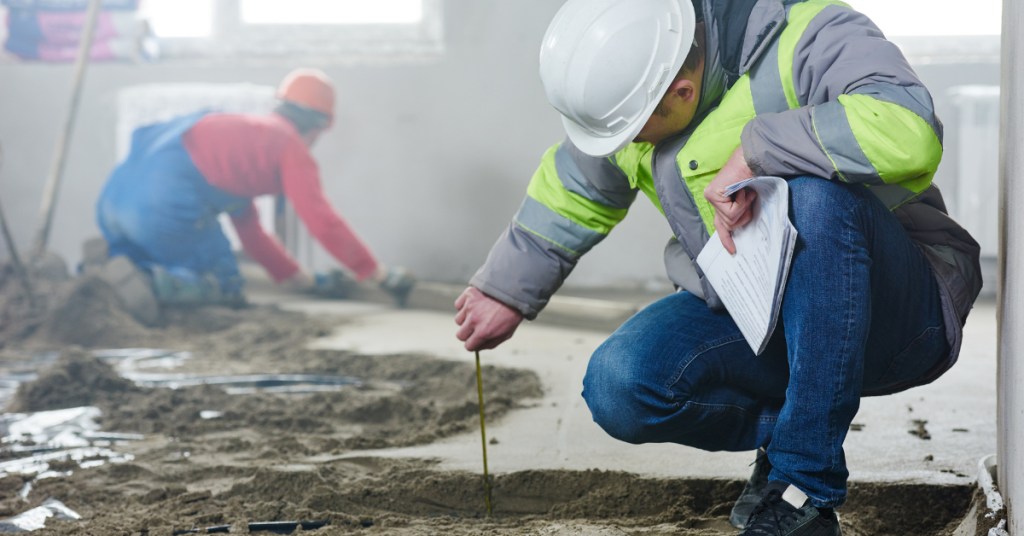
Before ordering domestic concrete for your renovation, comprehend the different concrete types and how to estimate the needed quantity. Assess factors such as mix strength, curing methods, and environmental elements that could impact its durability. Check cost variables like delivery fees, and communicate effectively with your supplier to prevent surprises. Consider proper handling and storage to guarantee maximum efficacy and longevity. Never overlook quality control, and be mindful of common concrete mistakes to avoid. By learning more about these factors, you’ll be better prepared for your project and its requirements. Your project’s success is dependent on this knowledge base. Key Takeaways – Understand the strength requirements of the concrete mix for your project. – Consider local environmental factors that can affect the durability of the concrete. – Familiarise yourself with proper curing methods to ensure concrete strength. – Learn about reinforcement techniques for added structural stability in your renovation. – Implement a quality control process, including regular testing and post-construction evaluations. Understanding Domestic Concrete To fully grasp the importance of domestic concrete in your renovation project, you must first understand its unique properties and diverse applications. This isn’t just about its solid, unyielding nature. It’s about appreciating concrete durability and concrete aesthetics, two vital aspects that could make or break your project’s success. Concrete durability is paramount in any construction project. You’re investing in a material that’s meant to withstand the test of time, weather, and physical stress. Unlike wood, which can rot, or metal, which can corrode, concrete stands firm. It doesn’t warp or rust. It’s resistant to fire, wind, water, vibration, and even seismic activity. That’s longevity and peace of mind you’re investing in. Then there’s concrete aesthetics. You might’ve thought of concrete as a dull, grey, lifeless material. But you’re mistaken. With advancements in technology, concrete can now mimic other materials such as brick, stone, and even wood. It can be coloured, textured, polished, and stamped, creating a wide array of design possibilities. With concrete, your renovation project can have the strength and longevity it needs, and the beauty and style you desire. Different Types of Domestic Concrete Exploring the world of domestic concrete, you’ll encounter various types, each uniquely suited to different aspects of your renovation project. Firstly, there’s standard concrete, the most commonly used type due to its versatile and durable nature. It’s perfect for general construction tasks such as laying foundations and building walls. Next, we’ve high-performance concrete, renowned for its strength, durability and longevity. It’s an excellent choice for projects requiring greater resistance to harsh environmental conditions. Then, there’s lightweight concrete, desired for its reduced weight while maintaining sufficient strength. It’s ideal for renovations requiring less structural load. Concrete sustainability also comes into play with green concrete. Made from recycled or waste materials, it’s an environmentally-friendly option that doesn’t compromise on strength or durability. Lastly, for an aesthetic touch, consider decorative concrete. These can mimic a variety of materials such as brick, slate, or even wood, adding a unique visual appeal to your project. They’re available in a range of colours, textures, and finishes, allowing for customization to suit your style. Understanding these different types of domestic concrete will empower you to make informed decisions for your renovation project. Choosing the Right Concrete for Your Project Having familiarised yourself with the different types of domestic concrete, it’s time to select the one that best suits your specific renovation needs. Your choice should hinge on two vital factors: Concrete Durability and Concrete Aesthetics. Concrete Durability: This is paramount, especially for renovations that involve heavy-duty areas like driveways or garage floors. You need to make sure you choose a concrete type that can withstand heavy weights and constant use. High-strength concrete, for instance, might be your best bet. Concrete Aesthetics: If you’re working on a decorative project, the aesthetic appeal of the concrete matters as much as its strength. Coloured or stamped concrete could offer the visual appeal you desire. Application: Finally, consider the application. For instance, if you’re laying a foundation, you might need a different type of concrete than if you’re resurfacing a patio. Estimating the Quantity of Concrete Needed Once you’ve chosen the appropriate type of concrete for your project, it’s crucial to accurately estimate the quantity you’ll need to avoid unnecessary costs and delays. Estimating the correct amount of concrete involves a few key steps. First, measure the area where the concrete will be poured. You’ll need to know the length, width, and depth to calculate the volume. You should also factor in an allowance for spillage or over-excavation. Next, consider concrete durability factors. If your project is in a location that experiences harsh weather conditions, you may require more concrete to guarantee durability and longevity. Then, think about cost-saving strategies. Ordering too much concrete can inflate your project costs, while ordering too little can cause delays and additional charges for subsequent deliveries. To assist with the estimation, consider using an online concrete calculator. These tools can help you determine the correct quantity of concrete based on your measurements and the type of project you’re undertaking. Tips for Ordering Domestic Concrete When you’re prepared to request domestic concrete for your renovation project, it’s important to keep in mind a few key guidelines to guarantee a smooth delivery process and high-quality results. Your understanding of these procedures won’t only save you time but also prevent unnecessary expenses. Here are some tips: Evaluate Concrete Cost Factors: The price of concrete can vary greatly depending on the type and volume required. Additionally, delivery charges and potential overtime fees may apply if your project extends outside normal working hours. It’s vital to clarify these aspects with your supplier beforehand to avoid unexpected costs. Understand Delivery Timelines: Concrete delivery isn’t an instant process. Factors such as the mixing process, traffic conditions, and your project’s location
Can Concrete Pump Hire Speed Up Your Construction Timeline?
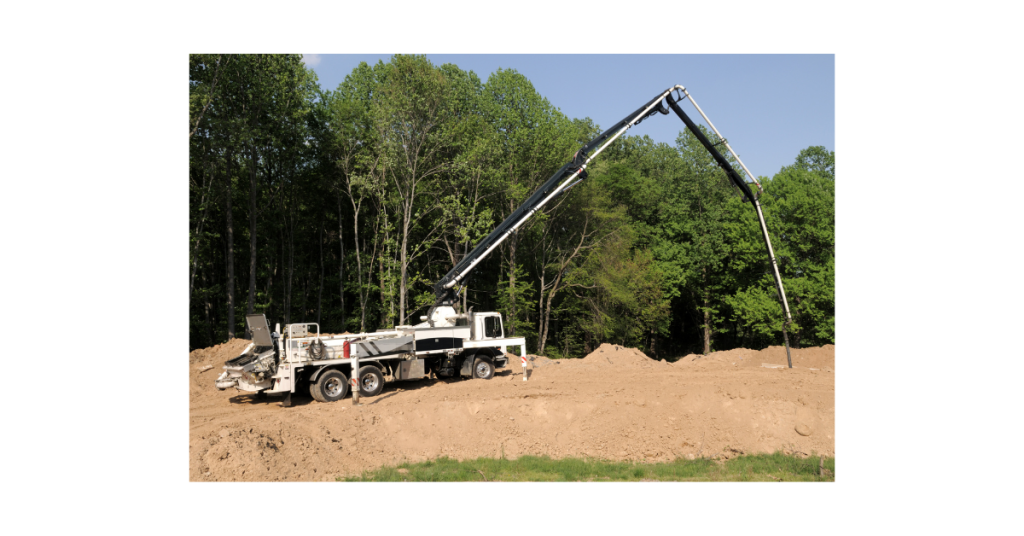
Yes, hiring a concrete pump can absolutely speed up your construction timeline. It enhances efficiency by delivering concrete directly where it’s needed, even to hard-to-reach areas. It also cuts down on labour costs and time by eliminating the need for manual transportation of concrete. Aside from expediency, it improves concrete quality and reduces waste. Proper operation training and maintenance are key to maximising these advantages. While initial pump hire costs can be considerable, long-term benefits often offset them. Pump hire might revolutionise your project, so why not explore further and unearth its full potential for your construction needs? Key Takeaways – Concrete pump hire can expedite construction timelines by delivering concrete directly to the desired location efficiently. – It reduces labour costs and efforts, allowing for increased focus on other areas of the project. – The streamlined process of concrete pumping helps ensure uninterrupted workflow, saving valuable time. – Concrete pumps can access hard-to-reach areas, eliminating delays caused by manual transportation of concrete. – Hiring a well-maintained pump can prevent unexpected breakdowns and interruptions, further speeding up the construction process. Understanding Concrete Pump Hire To fully understand the concept of concrete pump hire, you need to comprehend its role in expediting construction projects, and how it offers a practical, cost-effective solution for concrete transportation and delivery. A concrete pump is a machine used for transferring liquid concrete by pumping, a crucial tool in any construction site. When hiring a concrete pump, it’s crucial to receive proper pump operation training. This guarantees you’re equipped with the practical knowledge on how to manoeuvre the machine safely and efficiently. You’ll learn the techniques of controlling the pump, understanding its mechanisms, and troubleshooting minor issues, which can greatly reduce downtime on site. Pump maintenance essentials are another integral part of the hiring process. Regular maintenance guarantees the pump’s top performance, extends its lifespan, and prevents potential breakdowns. It involves routine checks, cleaning, replacing worn-out parts, and ensuring all safety features are functioning correctly. In essence, concrete pump hire involves more than just renting the equipment. It requires an understanding of the pump’s operation, its maintenance, and its role in enhancing construction efficiency. This grasp of knowledge allows you to maximise the machine’s potential, making your construction project run smoothly and swiftly. Benefits of Concrete Pumping Using the power of concrete pumping can greatly enhance your construction project’s efficiency, providing various benefits such as time-saving, decreased labour costs, and enhanced concrete quality. You’ll find you’re able to complete projects faster, cutting back on the long hours and manpower traditionally required for concrete pouring. Another major advantage lies in pump maintenance. A well-maintained concrete pump guarantees smooth, uninterrupted operation, preventing unnecessary downtime. This consistent performance can improve your project’s timeline greatly, allowing you to meet your deadlines without a hitch. You’ll also find that concrete pumping enhances the quality of your concrete work. It reduces the risk of forming air pockets and ensures a more uniform distribution of concrete. This leads to a stronger, more durable final product, which can uphold the integrity of your construction project in the long run. Furthermore, concrete pumping comes with improved safety measures. It eliminates the need for workers to transport heavy buckets of concrete, reducing potential workplace injuries. With a concrete pump, you’re not just speeding up your construction timeline, but also creating a safer working environment. Efficiency of Concrete Pumps When it comes to enhancing your project’s efficiency, you’ll find concrete pumps to be a game-changer. These machines enable you to accomplish more in less time, reducing labour costs and boosting productivity. But their efficiency isn’t automatic; it requires careful pump maintenance and adequate operator training. Pump Maintenance: Maintaining your concrete pump is essential. Regular checks and servicing guarantee the machine runs smoothly and reduces the likelihood of unexpected breakdowns. This proactive approach saves you from costly delays and keeps your project on track. Operator Training: The efficiency of a concrete pump is heavily reliant on the operator’s skill. Proper training ensures they can operate the machine safely and efficiently, minimising mistakes and maximising productivity. Streamlined Processes: Concrete pumps allow for a more streamlined construction process. They can deliver concrete to high or hard-to-reach places without the need for additional equipment or manpower. This not only speeds up the work but also makes it safer and more precise. In a nutshell, the efficiency of concrete pumps can greatly benefit your construction project. Just remember, it’s not just about having the machine; it’s about maintaining it and training your staff to use it effectively. Time-Saving Aspects of Pumping In the hustle and bustle of a construction site, you’ll find the time-saving benefits of concrete pumping to be a substantial advantage. It’s a solution that streamlines the process, cutting down on labour costs and overall construction time. Firstly, concrete pumps can deliver concrete directly to the desired location, eliminating the time-consuming process of manually transporting it. This automated method also reduces the risk of mistakes and accidents on site, thereby minimising downtime. Pump maintenance is another critical aspect. Well-maintained pumps are less likely to break down, ensuring a smooth, uninterrupted workflow. By regularly checking the pump’s condition and performing necessary repairs, you can avoid costly delays. Furthermore, concrete pumps have positive environmental implications. They use less water compared to traditional methods, reducing waste and conserving resources. This not only saves time but also contributes to sustainable construction practices. In essence, the time-saving aspects of pumping are manifold. From more efficient delivery to reduced risk of errors and environmental benefits, a concrete pump hire can substantially speed up your construction timeline. So, in the race against time, equip yourself with a concrete pump and reap the rewards of efficiency and speed. Potential Drawbacks of Pump Hire Despite the numerous benefits, have you pondered the potential drawbacks of hiring a concrete pump for your construction
How Can Domestic Concrete Improve the Aesthetics and Durability of Your Home?
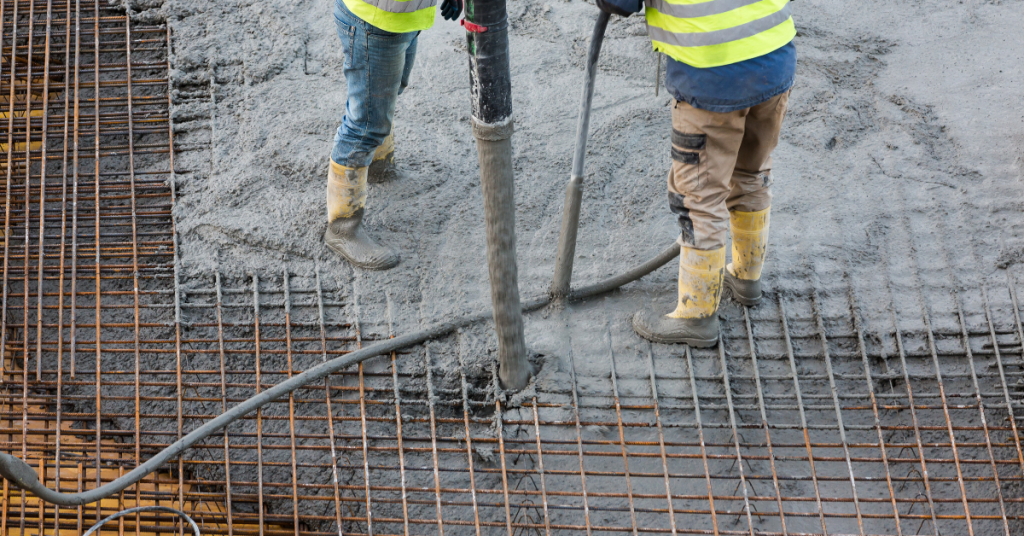
Domestic concrete can significantly enhance your home’s aesthetics and durability. Being suitable for numerous applications, it’s resilient against fire, wind, and water. You can customise its colour and texture to match your home’s style, lending an elegant, unique aesthetic touch. Its high load-bearing capacity and resistance to extreme weather reinforce structural integrity. Recycled concrete maintains this durability while lowering environmental footprint. Regular maintenance can make concrete installations last years. By delving deeper into the subject, you’ll reveal potential benefits and ways to utilise concrete to your advantage. Key Takeaways – Domestic concrete enhances home aesthetics through customizable textures, colours, and intricate patterns, adding sophistication and uniqueness. – Concrete is versatile, suitable for various home applications like foundations, driveways, patios, walkways, flooring, and countertops. – Its high load-bearing capacity and resistance to extreme weather conditions contribute to the durability and structural integrity of homes. – Concrete installations like flooring and countertops are not only stylish but also robust, energy-efficient, and require low maintenance. – Sustainability and longevity of concrete structures make it a cost-effective choice; it’s recyclable, reducing environmental impact. The Versatility of Domestic Concrete While you may not initially consider it, domestic concrete is incredibly versatile, serving as a vital and cost-effective solution for a variety of home improvement projects. Its robustness and adaptability set it apart, offering you numerous concrete applications for enhancing your home’s functionality and durability. For instance, you can utilise concrete for constructing the foundation of your home, which is essential for structural stability. It’s not only strong but also resistant to fire, water, and wind, making it an incredibly dependable material. Additionally, you’ll find it’s well suited for creating driveways, patios, and walkways, due to its high load-bearing capacity and resistance to wear and tear. Another aspect of concrete’s versatility is its suitability for indoor applications. You can use it for flooring or even countertops, taking advantage of its resilience and easy maintenance. Furthermore, with the advent of decorative concrete, your options extend beyond the conventional grey, allowing you to experiment with colours and textures. In essence, the concrete’s versatility enhances its applications in your home, providing you with a durable, cost-effective, and practical solution for a myriad of home improvement projects. So, don’t overlook the potential of this versatile material in your next renovation endeavour. Enhancing Home Aesthetics With Concrete Often overlooked, concrete can greatly enhance your home’s aesthetics, providing a range of design possibilities with its assortment of finishes, textures, and colours. It’s an underestimated material that can transform your living space into an elegant and modern haven. Concrete Artistry, for instance, is an innovative approach that allows skilled craftsmen to create intricate patterns and unique designs directly on your concrete surfaces. Whether on floors, walls, or ceilings, these designs can notably elevate the visual appeal of your home, adding a touch of sophistication and uniqueness. Furthermore, Concrete Furniture is another aesthetic avenue you can explore. It’s a growing trend in home decor, where concrete is used to craft functional yet stylish furniture pieces. These can include countertops, tables, benches, and even decorative items. The raw, minimalist appeal of concrete furniture can seamlessly blend with various interior styles, from industrial to contemporary. Concretes Contribution to Durability Beyond its aesthetic versatility, concrete greatly enhances the durability of your home, standing up to the tests of time and weather. Its inherent strength and weather resilience make it a preferred choice for construction. It can withstand extreme weather conditions, from high winds and heavy rains to scorching sun and freezing temperatures, without losing its structural integrity. The process of concrete recycling also contributes to its durability. When old concrete structures are demolished, they’re not simply discarded. Instead, they’re often crushed and reused to make new concrete. This recycled concrete is just as durable as its virgin counterpart, if not more so. The process also reduces waste and environmental impact, making it a sustainable choice. Moreover, concrete’s low thermal conductivity helps in maintaining the indoor temperature of your home, reducing your reliance on artificial heating or cooling systems. This not only improves the longevity of your home but also contributes to energy efficiency. Concrete Flooring: A Modern Touch Adding a modern touch to your home, concrete flooring offers both practicality and sleek style, proving itself to be a versatile option for various design concepts. It’s not just about aesthetics; the technical superiority of concrete is also a significant factor in its rising popularity. Concrete Textures: One of the notable advantages of concrete flooring is the variety of textures you can achieve. From smooth and polished to rough and rustic, you can customise the look to match your style. Thermal Properties: Concrete flooring is known for its excellent thermal properties. It can absorb, store, and release heat, which can help maintain indoor temperature, making it a perfect choice for energy-efficient homes. Durability: Concrete floors are highly durable. They can withstand high amounts of pressure and are resistant to wear and tear, ensuring longevity. Concrete Countertops: Built to Last Moving from the floor to the kitchen, let’s explore the durability and aesthetic appeal of concrete countertops. A hallmark of Concrete Artistry, these countertops embody the Industrial Chic trend sweeping contemporary interior design. Concrete countertops aren’t merely a style choice, they’re a practical one. You’ll find them incredibly robust, resistant to scratches, heat and, with proper sealing, even moisture. Unlike other materials, concrete’s durability increases over time, its strength amplifying with age. This inherent longevity makes them an investment that pays dividends in both functionality and aesthetics. Speaking of aesthetics, the artistry potential of concrete is vast. Concrete can be moulded, carved, and stained to your exact specifications, offering you a bespoke design solution that’s truly unique. Whether it’s the raw, unpolished look you’re after, or a sleek, polished surface, concrete delivers with aplomb. In terms of maintenance, concrete countertops require minimal upkeep. Regular
Is Concrete Pump Hire a Cost-Effective Solution for Small Scale Projects?
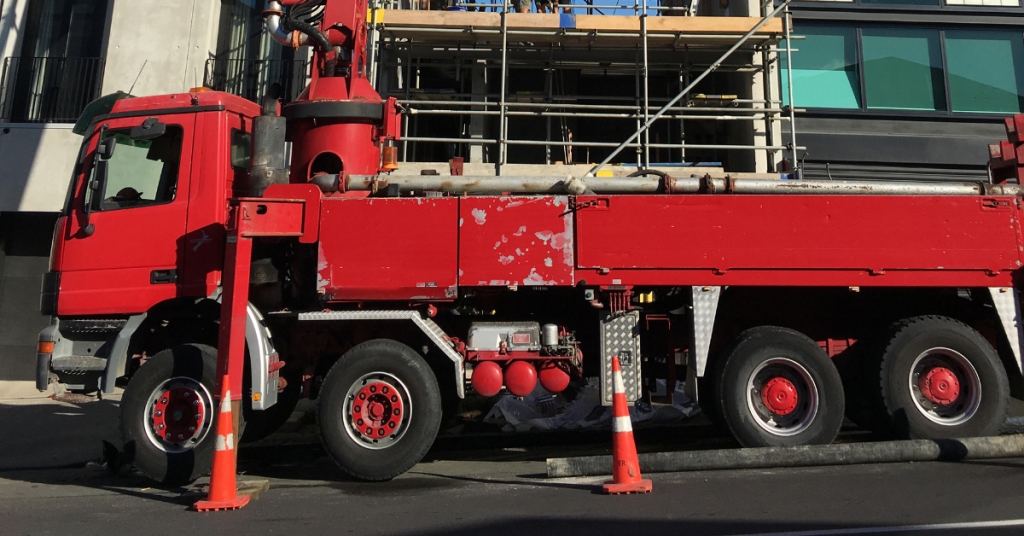
Yes, concrete pump hire can be an important solution for your small scale projects. Using a concrete pump enhances productivity and reduces labour, leading to significant cost savings. The pump’s automation eases concrete transfer, enabling consistent execution speed. However, keep in mind potential maintenance and hidden costs. Skilfully planned, your small project will reap the benefits of a concrete pump’s agility and efficiency. It’s also vital to take into account the pump’s availability during peak periods to avoid project delays. Knowing more will allow you to navigate these factors effectively for maximum economic benefit. Key Takeaways – Concrete pump hire can significantly reduce labour costs, making it cost-effective for small scale projects. – Pump maintenance, included in some hire packages, saves on upkeep costs and boosts productivity. – The consistent speed of concrete pumps enhances efficiency, further saving costs. – Despite potential hidden charges, detailed quotes can help manage hire costs effectively. – Case studies show reduced waste and improved timelines, contributing to cost-effectiveness on small projects. Understanding Concrete Pump Hire When it comes to your small scale construction project, understanding the ins and outs of concrete pump hire can provide you with an efficient, cost-effective solution. Analysing this process means grasping two important areas: pump types and safety measures. Pump types are categorised mainly into two: boom pumps and line pumps. Boom pumps, attached to a truck or semi-trailer, are ideal for reaching high or hard-to-reach places. Line pumps, on the other hand, are portable and perfect for smaller tasks, like swimming pools or walkways. Understanding your project’s scope and needs will help you decide which pump is right for you. Safety measures are another crucial aspect of concrete pump hire. You’ve got to make sure the operator is fully trained and certified. Always check the machine’s service history and maintenance records. It’s crucial that the pump is in top condition to avoid mishaps. Moreover, the setup and operation should adhere to strict regulations, including proper outrigger placement, hose management, and personal protective equipment usage. Cost Analysis: Concrete Pump Hire Having understood the types and safety measures of concrete pump hire, let’s now look at the financial aspect and analyse the cost involved in hiring these machines for your project. The cost of concrete pump hire isn’t a one-time fee; it’s a combination of several factors that include the hire rate, pump maintenance, and possible hidden charges. The hire rate is typically calculated per hour or per day, depending on your project’s timeline. However, this rate doesn’t include pump maintenance, which is an essential aspect to take into account. Regular maintenance guarantees the machine operates at peak efficiency, preventing costly breakdowns. While some hire companies include maintenance in their package, others do not, potentially adding an additional cost. Then there’s the tricky business of hidden charges. These unexpected costs can include transportation fees, fuel surcharge, or even cleaning charges after the pump’s use. Always request a detailed quote that outlines all costs involved. Concrete Pump Hire Vs Manual Labour When comparing concrete pump hire to manual labour, you must consider factors such as efficiency, cost-effectiveness, and project timeline. Concrete pump hire can offer significant labour savings. Instead of hiring a team of workers to manually mix, transport, and pour concrete, you’re basically replacing that team with a single machine. This can drastically reduce your labour costs, particularly for larger or more complex projects. However, these savings must be balanced against the cost of pump maintenance. Concrete pumps, like any machine, require regular upkeep to stay in good working order. This includes routine checks and repairs, which can add up over time. In contrast, manual labour doesn’t have these ongoing costs, as workers only get paid for the hours they work. In terms of project timeline, concrete pumps can often complete the job faster than a team of workers, especially for larger projects. This can help to keep your project on schedule and avoid costly delays. However, if the pump breaks down, it can cause significant disruptions to your project timeline. Efficiency and Productivity Benefits Shifting focus to efficiency and productivity, you’ll find that concrete pump hire can greatly enhance these aspects during the construction process. This improvement is primarily due to the automation of the labour-intensive and time-consuming task of manually transferring concrete. Concrete pump hire eliminates the need for manual labour, reducing the time and effort expended on transferring concrete. The pump’s consistent speed enhances productivity, allowing the project timelines to stay on track or even to be accelerated. With the pump handling the heavy work, your team can focus on other important aspects of the project, increasing overall efficiency. The direct impact on project timelines is evident, but there’s another subtle, yet important benefit. Pump maintenance, often perceived as a drawback, is actually a productivity booster. Regular maintenance guarantees the pump operates at peak performance, preventing unexpected breakdowns that could cause costly delays. Hiring a concrete pump also means you’re not responsible for maintenance, as it’s handled by the hire company. This arrangement further enhances efficiency, as it frees up more of your time to oversee project progress. As a result, the efficiency and productivity benefits of concrete pump hire make it a cost-effective solution for small scale projects. Case Study: Small Project Applications To illustrate the practicality and cost-effectiveness of concrete pump hire, let’s explore a case study that centres around its application in small scale projects. A local construction company was contracted to build a multi-story car park in a tight urban space. The project’s scalability was a challenge due to the compact area and multi-level design. Hiring a concrete pump proved to be the ideal solution. The equipment’s versatility allowed for efficient manoeuvring and placement of concrete in hard-to-reach areas. The pump’s remote control feature allowed operators to precisely place concrete from the ground level, reducing labour costs and
How Does Domestic Concrete Differ From Commercial Mixes, and Why Does It Matter?
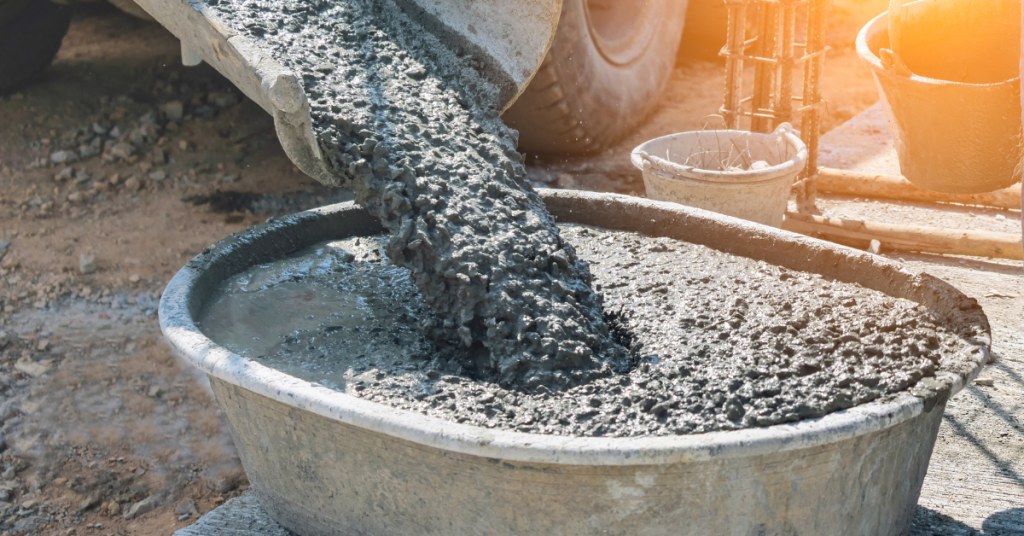
Domestic concrete, ideal for home projects, varies in composition and aesthetics to fit your specific needs. Commercial concrete, designed for large-scale, high-stress projects, has a precise mix for strength and durability. The key difference? Strength, durability, and, of course, cost. Commercial concrete withstands more, but it’ll also thin your wallet compared to its domestic counterpart. The type you choose impacts not just initial project success but ongoing maintenance requirements as well. To make an informed decision about what suits your project best, you’ll want to dig deeper into the science and specifics of concrete selection. Key Takeaways – Domestic concrete is customised for residential use, offering flexibility in composition and aesthetics, unlike commercial concrete designed for heavy-duty operations. – Commercial concrete requires more precise mixing and a longer, controlled curing process for enhanced strength and durability compared to domestic concrete. – The cost of commercial concrete is higher due to its complex mix design, impacting overall project expenses and long-term maintenance costs. – Both domestic and commercial concrete have environmental impacts and recyclability, influencing eco-friendly building practices. – The choice between domestic and commercial concrete significantly impacts project success, balancing project needs, cost, durability, and mixing techniques. Understanding the Basics of Concrete To fully grasp the disparities between home and business concrete, you first need to understand the basic principles of concrete as a building material. Fundamentally, concrete is a composite material comprising cement, water, and aggregate types, which could vary from sand to gravel or crushed rocks. An integral aspect of concrete’s formation is the curing process. This is the period after concrete has been placed and shaped but before it’s fully set. It involves maintaining ideal moisture and temperature conditions to make sure the concrete reaches its maximum strength and durability. Depending on the environment and concrete type, the curing process could range from a few days to several weeks. Aggregate types play an equally important role in defining the properties of concrete. The choice of aggregate, whether fine or coarse, directly impacts the concrete’s workability, strength, and durability. To summarise, the nature of the aggregate and the curing process greatly influence the characteristics of the final concrete product. Understanding these fundamental factors is vital to discerning the differences between home and business concrete, as you’ll soon discover in the next section, ‘Composition of Domestic Concrete‘. Composition of Domestic Concrete When it comes to domestic concrete, the composition is typically tailored to meet the unique requirements of residential construction and home improvement projects. It’s typically a mix of cement, water, and aggregate, but the proportions can vary depending on factors like weather conditions and the specific application. One key aspect of domestic concrete is its colour variations. You can choose from a wide range of hues to match your home’s exterior or interior design. This is made possible by adding colour pigments to the concrete mix before it’s poured. Whether you prefer a natural grey, a warm terracotta, or a rich charcoal, you’ll find a shade that enhances your property’s aesthetic appeal. The texture of domestic concrete could also be manipulated to add to its aesthetic appeal. By adjusting the aggregate size or using finishing techniques, you can achieve a smooth or coarse finish, or anything in between. It’s this flexibility in composition and aesthetics that makes domestic concrete a popular choice for residential projects. Key Features of Commercial Concrete In contrast to its domestic counterpart, commercial concrete boasts a set of unique features specifically designed to withstand heavy traffic and load, meet stringent safety regulations, and offer durability in a wide range of environments. This robustness is primarily due to advanced mixing techniques and the use of high-quality, industrial-grade materials. One vital aspect of commercial concrete is the mixing procedure. Unlike domestic concrete, this mix requires a precise balance of components to achieve the necessary strength and durability. High-tech mixers are used to guarantee thorough blending and uniform consistency. This precision is integral to the concrete’s performance and longevity. Commercial concrete also poses certain health risks if not handled properly. Due to its high alkalinity, it can cause skin burns and eye injuries. Additionally, inhaling concrete dust may lead to respiratory problems. Hence, safety measures such as wearing protective gear and employing dust control methods are paramount during the mixing and application processes. These key features of commercial concrete highlight its suitability for large-scale, high-stress projects. Its performance under rigorous conditions, coupled with the necessary precautions for handling, make it an indispensable resource in the construction industry. Strength Differences: Domestic Vs Commercial Drawing a comparison between domestic and commercial concrete, you’ll find that the strength factor plays a significant role in distinguishing the two. The mix ratio variations are primarily responsible for these strength differences. Commercial concrete often needs a higher strength to withstand heavy-duty operations, hence why the mix ratio leans more towards cement than aggregate. This results in a heavier, denser, and more robust product. On the other hand, domestic concrete typically requires less strength, resulting in a mix ratio that contains more aggregate than cement. This variation affects the overall strength and load-bearing capacity of the final product. Another important factor that influences the strength of the concrete is the curing process differences. Commercial concrete, due to its high-strength requirement, undergoes a longer and more controlled curing process. This allows for the full hydration of the cement particles, resulting in maximum strength. However, domestic concrete doesn’t need such rigorous curing. The process is shorter and less controlled, which suffices for its moderate strength requirements. Understanding these strength differences is key when choosing the right type of concrete for your project. Remember, strength isn’t just about the ability to withstand pressure; it’s also about the longevity and structural integrity of your construction. Comparing Durability Factors Moving beyond just strength, it’s also important to compare the durability of domestic and commercial concrete.
Why Should You Consider Concrete Pump Hire for Your Next Construction Project?
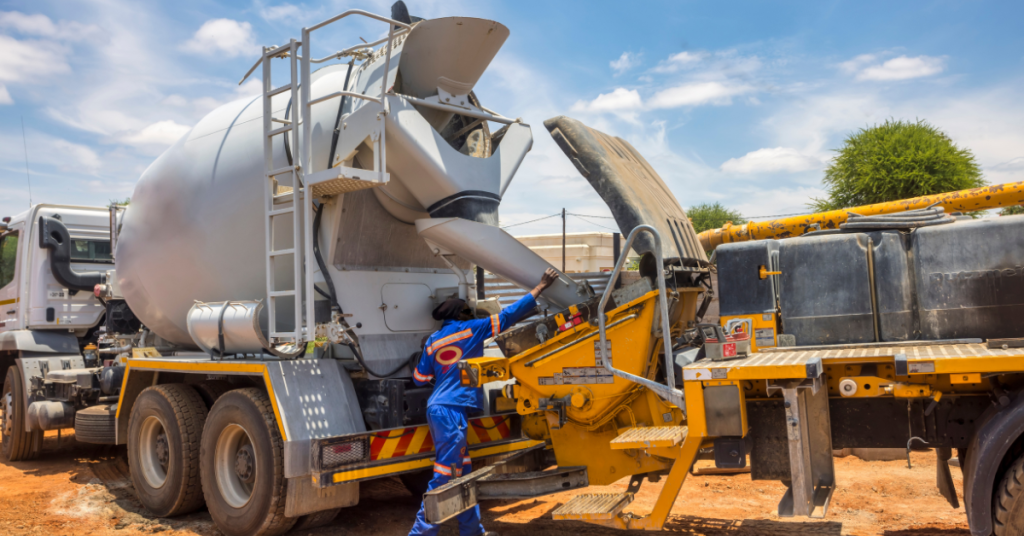
You should consider concrete pump hire for your next project as it streamlines construction work, making it efficient. It greatly trims labour requirements, time, and costs. Worries about machinery breakdowns are eliminated with flexible hire durations. It enables precise concrete placement while minimising wastage. An added bonus is the safety it provides by reducing physical injuries on site. Depending on the scope of your project, you’ve got a range of pumps to choose from. Stay tuned if you’re curious about different types of concrete pumps and how to maximise their benefits for your project. Key Takeaways – Concrete pump hire streamlines construction projects, enhancing site efficiency and reducing labour requirements. – It offers cost-effectiveness by eliminating the initial purchase cost, unexpected repair expenses, and includes maintenance services. – Hiring concrete pumps saves time by delivering concrete quickly and maintaining consistency in work quality. – The versatility of concrete pump hire allows for adaptation to various project sizes, job requirements, and site conditions. – Different types of concrete pumps are available for hire, catering to unique project needs, from high-rise constructions to smaller sites. Understanding Concrete Pump Hire To fully grasp the concept of concrete pump hire, you need to understand that it’s not just about equipment rental, but it’s an all-encompassing service that can greatly streamline your construction project. It’s a practice that’s been honed over years, with a proven track record of facilitating construction processes, ensuring efficiency and quality. Pump maintenance is a fundamental aspect of concrete pump hire. You’re not just renting the machine; you’re also benefiting from a well-maintained, high-functioning piece of equipment. This takes away the worry of machinery breakdowns, saving you time, money, and potential project delays. The hire duration is another essential element. Concrete pump hire services offer flexibility, allowing you to rent for the exact duration of your project, be it short-term or long-term. This takes away the need for costly investments in equipment that you may not need after your project is complete. It’s not just about having the necessary equipment, but having it when you need it. Enhancing Construction Site Efficiency With concrete pump hire, you’ll notice a significant enhancement in your construction site’s efficiency, eliminating unnecessary downtime and streamlining the overall process. Productivity improvements become obvious, and workforce management is simplified as you no longer need a crew for manual concrete transportation. Speed: Concrete pump hire accelerates the construction process. Since the concrete is pumped directly where it’s needed, you’ll spend less time waiting around. This means more work gets done in less time, boosting your overall productivity. Reduced Labour: Manual transportation of concrete is labour-intensive. By hiring a concrete pump, you’ll reduce the need for a large crew, allowing you to manage your workforce more efficiently. Quality Assurance: Concrete pumps deliver a consistent mix, ensuring that the quality of your construction remains high. This reduces the risk of costly mistakes and rework, saving you both time and money. The Cost-Effective Nature of Pump Hire Beyond the efficiency gains, you’ll also find that concrete pump hire is a cost-effective solution for your construction project. A thorough budget analysis will reveal that the cost of hiring is often much lower than the investment required to purchase, store, and maintain a pump. Firstly, the upfront cost of pump acquisition can be prohibitively high, especially for small to medium-sized projects. By opting for pump hire, you’re able to avoid this substantial initial outlay. Instead, you pay a much more manageable fee for the duration of your project. Secondly, the ongoing costs associated with pump ownership can quickly add up. These include storage costs, regular pump maintenance, and potential repair costs. When you hire a pump, these expenses are typically covered by the hire company, saving you from unexpected outlays. Lastly, you’ll benefit from the hire company’s expertise. They’ll make sure the pump is well-maintained and fit for use, reducing the risk of costly downtime. Time-Saving Capabilities of Concrete Pumps In the domain of construction, concrete pumps offer significant time-saving capabilities that can streamline your project’s timeline. Consider this: instead of labour-intensive manual pouring, you can utilise a concrete pump to deliver mixed concrete directly where it’s needed, quickly and efficiently. Fewer man-hours translate into a shorter project duration, and that’s a win for your budget and schedule. Pump Maintenance: Regular pump maintenance guarantees your machine runs smoothly and efficiently, further saving you precious time. A well-maintained pump can quickly deliver large volumes of concrete, avoiding the delays that come with mechanical issues. High Speed: Concrete pumps are renowned for their speed. Compared to traditional methods, they can distribute concrete at a remarkably faster rate. This speed isn’t only time-saving but also ensures the consistency and quality of your concrete work. Environmental Impact: Here’s a bonus – the time-saving benefits of concrete pumps also have a positive environmental impact! By reducing the duration of construction activities, you contribute to less noise and dust pollution, making your project more eco-friendly. Safety Benefits of Using Concrete Pumps Not only do concrete pumps offer speed and efficiency, they’re also a safer choice for your construction team. Their design reduces the risk of accidents, promoting a safe work environment. Concrete pumps eliminate the manual labour of carrying concrete, reducing the chance of physical injuries. Pump maintenance plays a pivotal role in safety. Regular upkeep guarantees the machines function as they should, preventing malfunctions that could lead to accidents. It’s vital to check the hoses, valves, and seals regularly for any signs of wear and tear, ensuring they’re in peak working condition. Concrete pumps also facilitate accident prevention. They’re typically remote-controlled, meaning your team can operate them from a safe distance, away from the risk of concrete splashes and machine malfunction. They also reduce the risk of slips, trips or falls that can occur when manually transporting concrete. Moreover, concrete pumps can
Why Is Concrete the Best Material for Construction?
Did you know that concrete is the most widely used construction material in the world, with nearly 10 billion tons produced annually? Its popularity is not by chance. The strength and durability of concrete make it a cornerstone in the construction industry. But what sets concrete apart from other materials? Let’s explore why this ubiquitous building material reigns supreme in the world of construction. Key Takeaways Unmatched strength and durability for supporting heavy loads and resisting weathering. Versatile design options through molding, coloring, and texturing techniques. Cost-effective by optimizing designs, materials, and project management strategies. Sustainable features like longevity, energy efficiency, and eco-friendly material choices. Strength and Durability For optimal structural integrity and longevity, concrete surpasses other construction materials due to its unmatched strength and durability. Concrete’s compressive strength is exceptional, making it ideal for supporting heavy loads and resisting external forces. The density of concrete allows it to withstand immense pressure without deforming or collapsing, ensuring the stability of structures over time. In addition to its impressive compressive strength, concrete also exhibits remarkable durability. Concrete structures have a longer lifespan compared to those made from alternative materials, as concrete is resistant to weathering, corrosion, and degradation. This durability minimizes the need for frequent repairs or replacements, reducing maintenance costs in the long run. Furthermore, concrete’s durability extends to its ability to resist fire and extreme temperatures, making it a safe choice for construction in various environments. The chemical composition of concrete provides inherent fire resistance, protecting structures and ensuring the safety of occupants. Overall, the combination of strength and durability makes concrete the superior choice for long-lasting and reliable construction projects. Versatility in Design Concrete’s versatility in design allows for a wide range of architectural possibilities, making it a preferred choice for innovative construction projects. Its adaptability stems from various factors such as formwork, color options, textures, and finishing techniques. Formwork enables concrete to be molded into virtually any shape or size, allowing architects and designers to create unique and complex structures. Additionally, concrete offers a wide array of color options through pigments or aggregates, providing flexibility in matching the aesthetic requirements of a project. Textures can be achieved by using different types of form liners or finishes, adding depth and visual interest to surfaces. Furthermore, finishing techniques like polishing, stamping, or staining can enhance the overall appearance of concrete structures, giving them a modern or traditional look based on design preferences. The ability to customize concrete designs to meet specific architectural visions makes it a versatile and sought-after material in the construction industry. Cost-Effectiveness Achieving cost-effectiveness in concrete construction projects requires meticulous planning and strategic decision-making throughout the project lifecycle. To ensure that your concrete project remains within budget while delivering high-quality results, consider the following key factors: Material Costs: Opt for locally sourced materials to reduce transportation expenses and choose concrete mixes that align with your project’s requirements to avoid unnecessary expenses. Efficient Design: Work closely with architects and engineers to develop efficient designs that minimize material waste and labor costs during construction. Lifecycle Analysis: Conduct a thorough lifecycle analysis to evaluate the long-term costs associated with maintenance, repairs, and durability of the concrete structure. Project Management: Implement robust project management practices to streamline construction processes, minimize delays, and prevent cost overruns through effective scheduling and resource allocation. Sustainable Construction Material To ensure the sustainability of your concrete construction project, selecting and utilizing eco-friendly materials is paramount. When it comes to sustainable construction materials, concrete stands out for several reasons. Firstly, concrete is known for its durability, which means that structures built with concrete have a longer lifespan, reducing the need for frequent replacements and minimizing waste. Additionally, concrete is a locally sourced material, which helps in reducing transportation emissions and supporting local economies. Another key aspect of concrete’s sustainability is its thermal mass properties, which can help regulate indoor temperatures and reduce the need for excessive heating or cooling, leading to lower energy consumption. Furthermore, advancements in concrete production techniques have led to the development of eco-friendly concrete mixes that incorporate recycled materials like fly ash or slag, further reducing the environmental impact of concrete construction. Longevity and Low Maintenance Utilizing high-quality concrete in construction projects ensures exceptional longevity and minimal maintenance requirements. When considering the longevity and low maintenance of concrete structures, several key factors come into play: Durability: Concrete is renowned for its durability, able to withstand extreme weather conditions, heavy loads, and natural disasters without significant wear and tear. Resistance to Corrosion: Unlike materials such as steel, concrete isn’t susceptible to rust or corrosion, reducing the need for frequent inspections and repairs. Low Maintenance Costs: Due to its robust nature, concrete structures require minimal upkeep over time, resulting in cost savings in maintenance and repairs. Long Lifespan: Concrete structures have a long lifespan, often lasting decades or even centuries with proper maintenance, making them a reliable and sustainable choice for construction projects. Frequently Asked Questions How Does the Composition of Concrete Contribute to Its Strength and Durability? To understand how the composition of concrete enhances its strength and durability, consider the mixture of cement, water, and aggregates. The hydration process creates a strong matrix, while the distribution of aggregates provides structural integrity, ensuring longevity. What Innovative Design Options Are Available With Concrete That Are Not Mentioned in the Article? You can explore limitless design possibilities with concrete, from intricate textures to bold shapes. With its versatility and strength, concrete allows for unique architectural features and sustainable solutions, making it a top choice for modern construction projects. Can You Provide a Cost Comparison Between Concrete and Other Construction Materials? When comparing concrete to other construction materials, you’ll find that concrete offers a cost-effective solution due to its durability and low maintenance requirements. In the long run, concrete can often be more economical than alternative options. What Specific Sustainable Practices Make Concrete a More Environmentally Friendly Choice? Concrete’s sustainability is unmatched. Its durability, thermal mass properties, and recyclability make it a top choice. By
Raft and Pile Foundation – Which Is Cheaper For You?
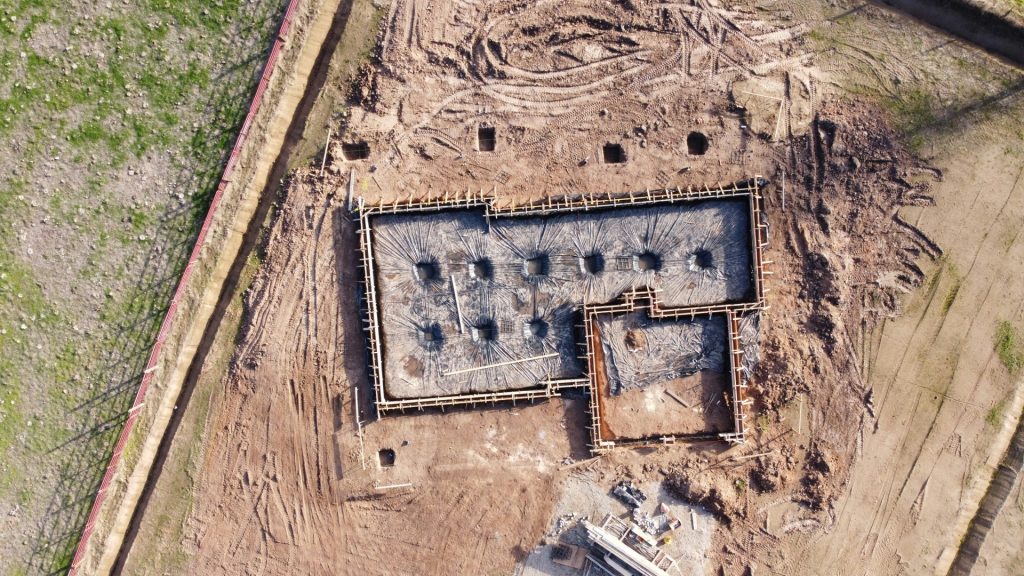
When it comes to deciding between a raft and pile foundation for your construction project, the costs involved can play a significant role in your choice. Have you ever wondered which option is more financially demanding? Factors such as soil conditions, building size, and project complexity all come into play when determining the cost disparity between these two foundation types. Stay tuned to unravel the intricacies of cost analysis for raft and pile foundations, helping you make an informed decision for your next building endeavor. Key Takeaways Raft foundations can be more costly due to extensive excavation and concrete expenses. Pile foundations require specialized equipment and materials, impacting overall costs. Soil conditions, structural complexity, and project timeline determine cost-effectiveness between the two. Consider specific site requirements to select the most cost-effective foundation type. Factors Influencing Raft Foundation Costs Factors that significantly impact the costs of a raft foundation include the type of soil, foundation depth, and structural design requirements. The soil type plays a crucial role as it determines the amount of excavation and preparation needed before pouring the concrete. For instance, soft clay soils may require additional measures such as soil stabilization or deeper excavation to ensure the stability of the foundation, thus increasing costs. Additionally, the depth of the foundation is a key factor affecting costs. Deeper foundations require more materials and labor for construction, leading to higher expenses. Moreover, the structural design requirements, such as the load-bearing capacity and reinforcement needed, can also influence costs. Complex designs or special considerations, like earthquake resistance or waterproofing, will add extra expenses to the overall project. Therefore, when considering the costs of a raft foundation, it’s essential to carefully evaluate these factors to ensure an accurate budget estimation. Factors Influencing Pile Foundation Costs When evaluating the costs of a pile foundation, the soil composition, depth of the foundation, and specific structural requirements play crucial roles in determining the overall expenses. Soil Composition: The type of soil at the construction site significantly affects the cost of a pile foundation. For instance, driving piles into hard rock formations may require specialized equipment and expertise, leading to higher costs compared to softer soil conditions. Depth of the Foundation: The depth at which the piles need to be driven is a key cost factor. Deeper foundations require longer piles and more intricate installation methods, increasing both material and labor expenses. Specific Structural Requirements: The design and load-bearing capacity of the structure influence the complexity of the pile foundation. Factors such as the number of piles needed, their diameter, and the type of material used all impact the overall cost of the foundation. Considering these factors is essential in accurately estimating the costs associated with implementing a pile foundation for a construction project. Cost Comparison: Raft Vs. Pile Foundation In comparing the costs of raft and pile foundations, it’s crucial to analyze various key cost factors to determine the most cost-effective foundation option for your construction project. Raft foundations typically involve a large concrete slab that distributes the load evenly, requiring extensive excavation and substantial concrete material. On the other hand, pile foundations consist of vertical columns driven deep into the ground to support the structure, necessitating specialized equipment and skilled labor for installation. The cost of raft foundations is influenced by factors such as the depth of excavation, concrete volume, reinforcement materials, and labor expenses. Pile foundations, while requiring less concrete, involve the cost of pile materials, installation machinery, labor for driving piles, and potential testing to ensure load-bearing capacity. In general, the cost of raft foundations can be lower for projects with shallow depths and uniform soil conditions, whereas pile foundations may be more economical in areas with challenging soil profiles or when dealing with heavy structural loads. Ultimately, a detailed cost analysis considering site-specific conditions is essential to determine the most cost-effective foundation type for your construction project. Cost-Effective Strategies for Foundation Selection To optimize your construction project’s foundation choice, employ cost-effective strategies that align with site-specific conditions and structural requirements. When selecting between raft and pile foundations, consider the following key points: Site Investigation: Conduct a thorough geotechnical investigation to understand soil conditions and determine the most suitable foundation type. This will help avoid unexpected costs due to foundation failures or modifications. Design Efficiency: Opt for a foundation design that maximizes material usage and minimizes construction time. Efficiency in design can lead to cost savings in both materials and labor. Life Cycle Cost Analysis: Perform a comprehensive life cycle cost analysis that considers not only initial construction expenses but also long-term maintenance and operational costs. This holistic approach will ensure that the selected foundation is cost-effective over the project’s lifespan. Case Studies: Cost Analysis in Real Projects For a comprehensive understanding of cost implications in real construction projects, delve into detailed case studies analyzing the financial aspects of foundation choices. In a recent project involving a high-rise building in an urban area with soft soil conditions, a comparison was made between using a raft foundation and a pile foundation. The cost analysis revealed that while the initial outlay for a pile foundation was higher due to the need for extensive piling, the overall expenses for the raft foundation, including excavation, formwork, and concrete, exceeded those of the pile foundation. Additionally, the time required for construction differed significantly, with the pile foundation being quicker to install despite the longer initial planning phase. Factors such as soil conditions, building height, and project timeline all played crucial roles in determining the cost-effectiveness of each foundation type. These case studies highlight the importance of conducting thorough financial assessments to make informed decisions regarding foundation selection in real-world construction projects. Frequently Asked Questions How Much Does the Location of a Project Impact the Cost Difference Between Raft and Pile Foundations? When considering the cost difference between raft and pile foundations, the location of a project plays a significant role. Factors like soil conditions, water table levels, and seismic activity directly impact the pricing variation. Are
Discover 5 Differences Between Concrete and Ready Mix

When considering construction projects, did you know that ready-mix concrete accounts for over 75% of all concrete used globally? Understanding the distinction between concrete and ready mix can be crucial in ensuring the success of your project. From the composition to the mixing process and quality control measures, each plays a significant role in determining the final outcome. Stay tuned to unravel the nuances between these two fundamental building materials and how they can impact your construction endeavors. Key Takeaways On-site mixing offers flexibility and customization, while ready mix ensures consistency and quality control. Ready mix is ideal for larger projects needing a steady concrete supply, while on-site mixing suits smaller, adjustable projects. Ready mix saves time and labor by eliminating on-site mixing equipment, offering immediate application upon delivery. On-site mixing requires manual quality control and setup, potentially causing construction delays, unlike the efficient ready mix process. Composition Variances When comparing concrete and ready mix, the composition variances between the two materials are crucial in determining their respective properties and applications. Concrete is typically a mixture of cement, water, and aggregates such as sand, gravel, or crushed stone. The ratios of these components are precisely calculated to achieve the desired strength and durability. On the other hand, ready mix is a premade mixture that includes cement, aggregates, water, and additives in specific proportions. This ready-to-use mixture is produced in batching plants and delivered to construction sites in transit mixers. Concrete offers more flexibility in adjusting the mix design on-site, allowing for customization based on project requirements. Ready mix, on the other hand, provides consistency in quality and saves time on-site by eliminating the need for mixing components. Understanding the composition variances between concrete and ready mix is essential for selecting the most suitable material for your construction project based on factors such as strength, durability, and convenience. Mixing Process Dissimilarities The mixing processes for concrete and ready mix exhibit distinct dissimilarities in their approach and execution. When producing concrete on-site, the process involves combining cement, aggregates, and water at the construction location. This method allows for adjustments to be made based on specific project requirements. In contrast, ready mix involves the preparation of concrete at a batching plant before being transported to the construction site. Ready mix is produced in large quantities and is delivered in specialized trucks, ensuring consistency and quality control. Concrete mixing on-site requires meticulous planning and precise measurements to achieve the desired strength and durability. Factors such as the water-cement ratio and mixing time must be carefully monitored to prevent inconsistencies. Ready mix, on the other hand, follows a standardized process where materials are mixed in a controlled environment using advanced equipment. This method ensures uniformity in the final product and minimizes variations that can occur with on-site mixing. Quality Control Disparities Quality control disparities emerge due to the distinct production methods employed in concrete mixing on-site versus ready mix preparation. When mixing concrete on-site, quality control relies heavily on the skills and experience of the workers. Factors such as the proper ratio of ingredients, mixing time, and environmental conditions can significantly impact the quality of the final product. In contrast, ready mix concrete undergoes rigorous quality control measures at the production plant. In ready mix preparation, computer-controlled processes ensure precise measurements of raw materials, consistent mixing, and uniformity in the final product. This automated system minimizes human error and enhances the overall quality of the concrete. Additionally, ready mix plants conduct regular testing to monitor the strength, durability, and workability of the concrete batches. These stringent quality control measures result in a more reliable and consistent product compared to on-site mixing. Therefore, while both methods aim to produce high-quality concrete, the disparity in quality control procedures sets them apart. Applications Differences To better understand the differences in applications between concrete mixed on-site and ready mix, it’s important to consider their unique characteristics and suitability for various construction projects. Concrete mixed on-site is typically used for smaller projects where the exact concrete requirements are known in advance. It offers greater flexibility in adjusting the mix design on the spot, making it ideal for projects with specific or changing needs. Ready mix, on the other hand, is more suitable for larger projects that require a consistent supply of concrete over an extended period. It’s pre-mixed off-site according to standardized recipes, ensuring uniformity and quality control. Ready mix is commonly used in large construction projects such as high-rise buildings, bridges, and highways where a continuous and consistent supply of concrete is essential. Understanding the differences in applications between these two types of concrete can help you choose the most appropriate option for your construction project. Convenience Discrepancies Considering the convenience discrepancies between concrete mixed on-site and ready mix, evaluating factors such as transport, storage, and immediate usability is crucial for decision-making in construction projects. Ready mix offers significant convenience advantages over on-site mixing. With ready mix, the concrete is prepared off-site and transported to the construction site, eliminating the need for on-site mixing equipment and labor. This can result in time savings and increased efficiency, especially for large projects where a continuous supply of concrete is required. Additionally, ready mix offers better consistency and quality control since it’s produced in a controlled environment by professionals. On the other hand, concrete mixed on-site requires careful planning for raw material storage, mixing equipment setup, and quality control measures. This method may be suitable for smaller projects or when specific mix designs are needed on the spot. In terms of immediate usability, ready mix allows for immediate application upon arrival, reducing construction downtime. In contrast, on-site mixed concrete may require additional curing time before it can be used, affecting project timelines. Ultimately, the choice between on-site mixed concrete and ready mix depends on the specific project requirements, timeline, and budget considerations. Frequently Asked Questions Can Concrete and Ready Mix Be Used Interchangeably in Construction Projects? Yes, concrete and ready mix can be used interchangeably in construction projects. Both consist of
Concrete Pumping? Discover the 5 Practical Applications
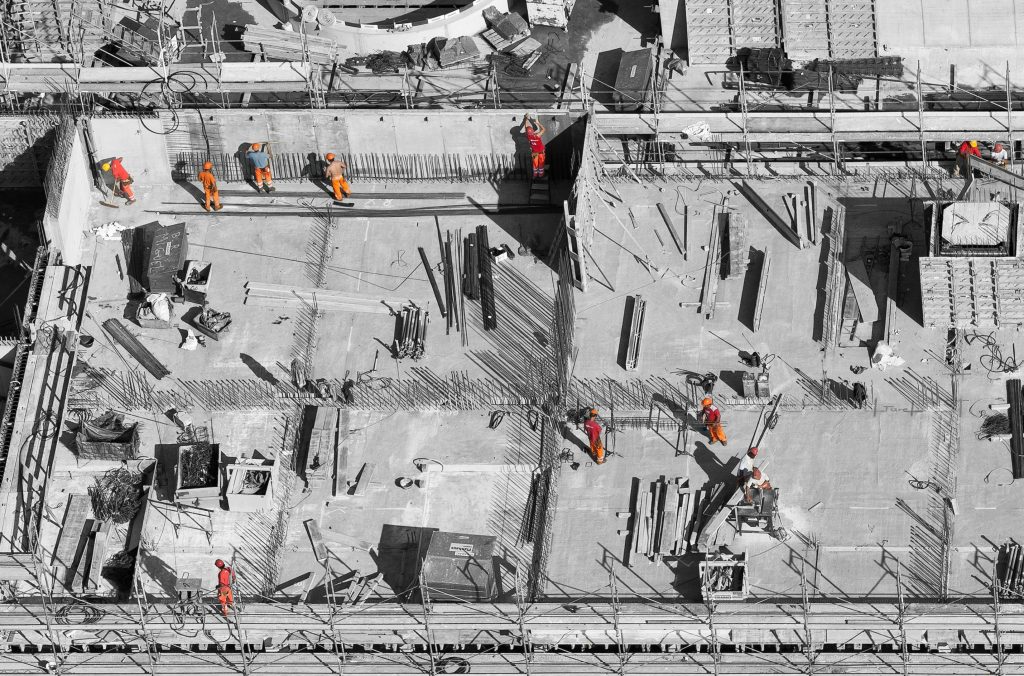
In a world where strength meets flexibility, concrete pumping offers a versatile solution for various construction needs. From laying sturdy foundations and footings to reaching new heights in high-rise projects, the applications of concrete pumping are diverse and essential. But have you ever considered the crucial role it plays in infrastructure development or the intricate designs of decorative concrete projects? And let’s not forget its capability to access remote or hard-to-reach areas, making it a game-changer in modern construction practices. Key Takeaways Concrete pumping is essential for precise concrete placement in foundations, footings, high-rise buildings, and infrastructure projects. Advanced pumping systems enhance efficiency, accuracy, and safety in delivering concrete to various construction sites. Specialized techniques support decorative concrete projects, enabling intricate designs and finishes with ease and consistency. Concrete pumping is a game-changer for reaching remote or hard-to-reach areas, minimizing manual labor and enhancing project feasibility. Foundations and Footings When constructing foundations and footings, it’s essential to ensure proper alignment and stability through precise concrete pumping techniques. The process begins by setting up the concrete pump in a strategic location that allows for optimal reach and coverage. Using a boom or line pump, the concrete is then pumped into the designated area with accuracy and efficiency. One crucial aspect to consider is the rate at which the concrete is pumped. It must be controlled to prevent segregation and ensure uniformity in the mixture. Additionally, the pressure applied during pumping plays a vital role in achieving the desired strength and durability of the foundation or footing. Proper coordination between the pump operator and construction team is imperative to avoid any delays or mishaps. Clear communication ensures that the concrete is delivered to the right location at the right time, maintaining the integrity of the structure being built. High-Rise Construction In high-rise construction projects, the utilization of advanced concrete pumping systems is vital for efficient vertical concrete placement. When constructing tall buildings, traditional methods of transporting concrete via cranes or wheelbarrows become impractical due to height and accessibility constraints. Concrete pumps offer a solution by efficiently delivering large volumes of concrete to elevated areas with precision and speed. High-rise construction demands a high level of accuracy and consistency in concrete placement to ensure structural integrity. Concrete pumps, equipped with booms and high-pressure systems, can reach significant heights, allowing for seamless pouring of concrete at various levels of the building. This technology minimizes the risk of segregation or setting issues that may arise from transferring concrete through conventional means. Moreover, concrete pumping in high-rise projects enhances worksite safety by reducing manual handling of heavy materials at elevated heights. By utilizing specialized equipment operated by skilled professionals, the construction process becomes more streamlined and secure, ultimately contributing to the successful completion of towering structures. Infrastructure Development The advancement of concrete pumping technology plays a crucial role in supporting the intricate demands of infrastructure development projects. Concrete pumping facilitates the efficient and precise placement of concrete in various infrastructure applications such as bridges, roads, dams, and tunnels. In infrastructure development, where large volumes of concrete are required to support heavy loads and ensure durability, concrete pumping offers significant advantages over traditional methods. Concrete pumps enable the seamless delivery of concrete to construction sites, even in challenging terrains or hard-to-reach areas. The ability to pump concrete vertically and horizontally allows for increased flexibility in constructing foundations, pillars, and other critical infrastructure components. By utilizing concrete pumping, construction projects can be completed more quickly and with higher precision, reducing labor costs and potential errors. Moreover, concrete pumping minimizes material wastage and enhances worksite safety by reducing the need for manual handling of heavy concrete materials. This technology streamlines the construction process, making it an indispensable tool for modern infrastructure development projects. Decorative Concrete Projects Utilize specialized concrete pumping techniques to enhance the intricacy and precision of decorative concrete projects. By employing concrete pumps, you can achieve intricate designs and patterns that would be challenging using traditional methods. Decorative concrete projects often require precise placement of the concrete to create unique finishes like stamped concrete, exposed aggregate, or intricate stenciling. Concrete pumping allows for the efficient delivery of concrete to the desired location, ensuring a smooth and even distribution of the material. This is crucial in decorative projects where the aesthetic appeal heavily relies on consistent textures and colors. The ability to pump concrete directly to the site enables you to work with intricate molds and templates, achieving detailed designs with ease. Moreover, concrete pumping provides the flexibility to work on projects of various scales, from small decorative elements like garden pathways to larger features such as decorative walls or facades. The accuracy and control offered by concrete pumps make them indispensable tools for achieving stunning decorative concrete finishes. Remote or Hard-to-Reach Areas To reach remote or hard-to-reach areas efficiently, consider employing specialized concrete pumping techniques that offer precise delivery capabilities beyond traditional methods. When faced with challenging terrains or inaccessible sites, concrete pumping can be a game-changer. Here are three key advantages of using concrete pumping in such scenarios: Increased Accessibility: Concrete pumps can navigate through narrow alleys, steep slopes, or areas with limited access, ensuring that concrete can be delivered precisely where it’s needed. Time and Cost Efficiency: By eliminating the need for manual labor to transport concrete over difficult terrain, pumping reduces project timelines and labor costs significantly. Enhanced Safety: Working in remote or hard-to-reach areas can pose safety risks to workers. Concrete pumping minimizes these risks by reducing the need for personnel to move heavy materials manually. Frequently Asked Questions Is Concrete Pumping a Cost-Effective Solution Compared to Traditional Methods of Concrete Placement? Concrete pumping offers a cost-effective solution compared to traditional methods of concrete placement. It provides efficiency, speed, and precision, reducing labor costs and material wastage. By utilizing pumps, you can save time and money in your construction projects. What Are the Environmental Benefits of Using Concrete Pumping Technology? When you explore the environmental benefits of concrete pumping technology, you’ll find