
How Does Commercial Concrete Meet the Demands of Industrial Construction?

You might not know that commercial concrete can be tailored for specific industrial applications using innovative additives like superplasticizers and fly ash. These additives enhance the concrete’s performance, ensuring it meets the rigorous demands of industrial construction. Reinforcement techniques, such as steel rebar and fibre-reinforced polymers, further bolster its structural integrity. With advanced mix designs and a focus on sustainability, commercial concrete is not only strong and durable but also cost-effective and environmentally conscious. Let’s explore how these aspects contribute to faster construction timelines and reduced environmental impact. Key Takeaways – Commercial concrete offers high compressive and tensile strength, ensuring the structural integrity and longevity of industrial facilities. – Advanced mix designs and innovative additives tailor concrete properties to specific industrial needs, enhancing performance. – Reinforcement techniques, including steel rebar and fibre-reinforced polymers, improve durability and resistance to stress. – Rigorous quality control measures ensure consistent performance and compliance with industry standards. – Sustainable practices, such as using recycled aggregates and eco-friendly additives, reduce environmental impact and support green building certifications. Strength and Durability When evaluating commercial concrete for industrial construction, you’ll find its strength and durability are paramount factors. Understanding these properties is essential for ensuring the structural integrity and longevity of industrial facilities. Two key metrics you need to take into account are compressive strength and tensile strength. Compressive strength measures the material’s ability to withstand loads that reduce its size. This property is significant for industrial concrete, as floors, foundations, and walls must bear substantial weight and pressure without cracking or failing. Typically, commercial concrete used in industrial settings should have a compressive strength ranging from 3,500 to 5,000 psi, though certain applications may require even higher values. Tensile strength, on the other hand, assesses the concrete’s ability to resist forces that attempt to pull it apart. Although concrete is inherently weak in tension compared to compression, this property can’t be overlooked. Reinforcing materials, like steel rebar, are often embedded within the concrete to enhance its tensile strength, ensuring the structure can handle diverse stress conditions. Advanced Mix Designs Advanced mix designs empower you to tailor commercial concrete’s properties to meet specific industrial requirements, optimising performance and efficiency. By incorporating performance optimisation techniques, you can enhance the concrete’s strength, durability, and workability. The selection and proportioning of materials, such as aggregates, cement, water, and innovative additives, play an essential role in achieving the desired characteristics. Innovative additives like superplasticizers, silica fume, and fly ash improve the concrete’s performance by increasing its flowability, reducing water content, and enhancing its mechanical properties. Superplasticizers, for instance, allow you to achieve a high-strength concrete mix with lower water-cement ratios, thereby improving durability and reducing shrinkage. Silica fume, a byproduct of silicon and ferrosilicon alloy production, increases the compressive strength and reduces permeability, making it ideal for industrial applications requiring high durability. Fly ash, another common additive, enhances the concrete’s workability and long-term strength while also being environmentally friendly. Reinforcement Techniques Reinforcement techniques are vital for enhancing the structural integrity and load-bearing capacity of commercial concrete in industrial construction. You’ll find that reinforcement materials such as steel rebar, welded wire mesh, and fibre-reinforced polymers play a key role in achieving these objectives. Steel rebar, commonly used due to its high tensile strength, is embedded within the concrete to counteract tensile forces. This synergy between concrete’s compressive strength and steel’s tensile strength greatly boosts the overall structural integrity. Welded wire mesh is another reinforcement material that effectively distributes loads across the concrete surface, minimising the risk of cracking. Its grid-like pattern guarantees uniform stress distribution, enhancing the durability and longevity of the concrete structure. Fibre-reinforced polymers, though less common, offer unique advantages like corrosion resistance and lightweight properties. These materials are particularly useful in environments where traditional reinforcement might deteriorate over time. Incorporating these reinforcement techniques requires precise planning and execution. You’ll need to take into account factors such as load distribution, environmental conditions, and specific industrial requirements. Environmental Resistance Ensuring environmental resistance in commercial concrete involves selecting materials and additives that can withstand harsh conditions such as extreme temperatures, chemical exposure, and moisture. To achieve this, you need to focus on the concrete mix design. Incorporating supplementary cementitious materials like fly ash or slag can enhance the concrete’s durability. Additives such as silica fumes improve its resistance to chemical attack. In the context of weather extremes, you should use air-entraining agents. These agents create microscopic air bubbles within the concrete, allowing it to expand and contract without cracking during freeze-thaw cycles. Additionally, low water-cement ratios can be beneficial. They reduce the permeability of concrete, making it less susceptible to moisture ingress and subsequent freeze-thaw damage. For chemical exposure, selecting the right type of aggregate is essential. Use aggregates that don’t react with alkalis in the cement, avoiding potential alkali-silica reaction (ASR) issues. Additionally, applying surface treatments like sealants can provide an extra layer of protection against aggressive chemicals. Quality Control Measures Implementing rigorous quality control measures is vital to guarantee the consistent performance and durability of commercial concrete in industrial construction. You need to establish thorough testing protocols to evaluate properties such as compressive strength, workability, and setting time. These protocols should include standardised tests like the slump test, compressive strength test, and air content test, making certain that every batch of concrete meets predefined criteria. Adhering to compliance standards is essential. You must follow guidelines set by organisations such as ASTM International and the American Concrete Institute (ACI). These standards dictate the acceptable ranges for various properties of commercial concrete, ensuring safety and reliability. Regularly scheduled inspections and audits can help verify that these standards are continuously met. Incorporating advanced technology, such as real-time monitoring systems, can further enhance quality control. These systems allow you to track the concrete’s properties from the mixing stage through to placement, providing instant feedback and
What Are the Advantages of Using Domestic Concrete in Driveways?

When you’re considering upgrading your driveway, domestic concrete offers several compelling benefits. You’ll find it exceptionally durable, standing up well against cracks, chemical spills, and harsh weather. While the initial cost might be higher than materials like asphalt, the reduced maintenance and extended lifespan make it a cost-effective choice. Beyond its practicality, concrete also provides versatile aesthetic options, allowing you to tailor the look to your home. Curious about how concrete can transform your driveway into a long-lasting, attractive feature? There’s more to uncover about why it’s a smart investment. Key Takeaways – Concrete driveways offer superior durability, reducing the need for frequent repairs. – Low maintenance requirements make concrete cost-effective over time. – Concrete provides excellent weather resistance, preventing damage from extreme temperatures and heavy rainfall. – High load-bearing capacity ensures concrete driveways withstand heavy vehicles and frequent traffic without compromising structure. – Versatile design options, including colours, patterns, and textures, enhance driveway aesthetics and integration with landscapes. Durability Concrete driveways offer unparalleled durability, making them a highly reliable choice for long-term use. When you opt for a concrete driveway, you’re investing in a material that’s specifically engineered for crack resistance. This means fewer repairs and lower maintenance over the years. Concrete’s inherent strength comes from its composition, which includes cement, water, and aggregates that form a dense, impervious surface. This guarantees it withstands heavy loads and adverse weather conditions without degrading. Moreover, concrete provides longevity assurance, outperforming other materials like asphalt or gravel. Its robust nature means you won’t have to worry about frequent resurfacing or patching. The curing process of concrete forms a solid, unified structure that resists the expansion and contraction cycles caused by temperature fluctuations. This characteristic is vital in preventing cracks and fissures, which can compromise the integrity of the driveway. In addition, concrete’s durability extends to its resistance against chemical spills, oils, and de-icing salts, which can often damage alternative materials. By choosing concrete, you’re guaranteeing a driveway that maintains its structural integrity and aesthetic appeal for decades, providing you with a reliable and cost-effective solution. Cost-Effectiveness Opting for a concrete driveway proves to be a cost-effective choice due to its low maintenance requirements and extended lifespan. When you’re making budget considerations, concrete stands out as a material that offers both durability and affordability. The initial installation cost may be higher than some alternatives, but the minimal upkeep and rare need for repairs translate into long-term savings. Concrete driveways require less frequent maintenance compared to asphalt or gravel. You won’t need to worry about regular resurfacing or sealing, which can be both time-consuming and expensive. This reduction in ongoing costs makes concrete a smart investment. Additionally, concrete’s resistance to weather conditions and heavy loads means fewer instances of damage, further decreasing repair expenses. From an analytical standpoint, the cost-effectiveness of concrete extends beyond mere financial savings. By choosing concrete, you’re also investing in a material that maintains its structural integrity over decades, reducing the frequency of replacements. This longevity directly impacts your overall budget considerations by spreading the cost over a longer period, enhancing your long-term savings. To summarise, concrete driveways offer a robust solution that aligns with both immediate and future financial planning. Versatility One of the primary advantages of using domestic concrete for driveways is its remarkable versatility in design and application. Unlike other materials, concrete offers unparalleled design flexibility, allowing you to tailor your driveway to your specific aesthetic preferences and functional needs. Whether you’re looking for a sleek, modern finish or a textured, rustic appearance, concrete can be customised to achieve the desired look. With concrete, you have extensive customisation options. You can choose from a variety of colours, patterns, and textures to create a unique driveway that complements your home’s exterior. Stamping, staining, and scoring techniques enable you to mimic the appearance of more expensive materials like brick or stone, without incurring the same costs. Additionally, concrete’s adaptability doesn’t stop at aesthetics. It can be poured into any shape or size, accommodating irregularly shaped plots or intricate layouts. This adaptability guarantees that your driveway not only looks great but also fits seamlessly into your existing landscape. Low Maintenance Due to its inherent durability and resistance to weathering, domestic concrete driveways require minimal upkeep, saving you both time and money in the long run. Unlike other materials that demand frequent attention, concrete offers a low-maintenance solution that’s both practical and cost-effective. To guarantee your concrete driveway remains in peak condition, you should employ simple preventative measures. Regularly sealing the surface helps protect against stains and surface damage. Additionally, cleaning techniques such as power washing can easily remove dirt and debris without causing harm to the concrete. Consider the following low-maintenance benefits of domestic concrete driveways: – Minimal Sealing Requirements: Unlike asphalt, concrete doesn’t need frequent resealing. – Effortless Cleaning: Simple power washing or broom sweeping keeps the driveway looking pristine. – Weed Resistance: Properly installed concrete prevents weed growth, eliminating the need for herbicides. – Stain Resistance: Sealed concrete resists oil and other stains, reducing the need for intensive cleaning. – Longevity: Concrete’s durability means fewer repairs and replacements over time. Weather Resistance Concrete driveways excel in weather resistance, effectively withstanding extreme temperatures, heavy rainfall, and freeze-thaw cycles. This durability stems from concrete’s inherent freeze-thaw resistance, which guarantees that it remains robust despite repeated freezing and thawing events. When water infiltrates the concrete and subsequently freezes, the expansion can cause significant damage. However, the use of air-entrained concrete mitigates this risk, as microscopic air bubbles within the mix provide space for expanding ice, thereby preventing internal stress and cracking. Moreover, concrete’s low moisture absorption rate plays a vital role in enhancing its weather resistance. By minimising the amount of water that penetrates the surface, concrete driveways reduce the likelihood of damage caused by freeze-thaw cycles and other
How Can Ready Mix Concrete Save You Time and Money?
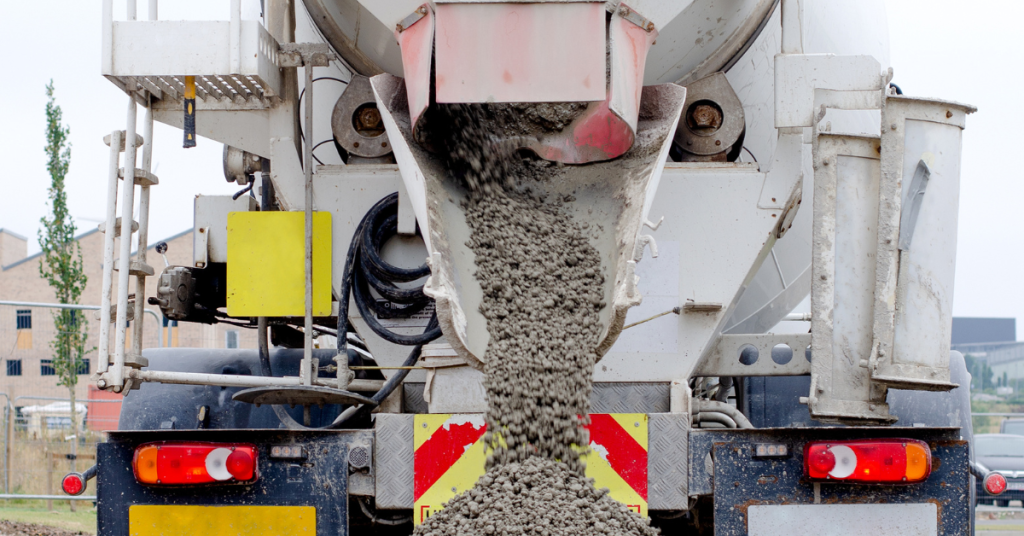
Imagine a construction site humming with efficiency as trucks deliver perfectly mixed concrete right when you need it, eliminating the chaos of on-site mixing. Ready mix concrete streamlines your project workflows, allowing you to cut down on labour costs and finish faster. By ensuring precise proportions and consistent quality, you minimise the need for costly corrections. Plus, efficient delivery systems mean less downtime and immediate use. Curious about how else this can impact your bottom line? Key Takeaways – Accelerated Project Timelines: Ready mix concrete eliminates on-site mixing delays, speeding up project completion. – Lower Labour Costs: Minimises need for labour-intensive mixing, allowing workforce to focus on other essential tasks. – Consistent Quality: Automated batching ensures standardised composition, reducing errors and the need for costly corrections. – Reduced Material Waste: Precise batching and just-in-time delivery minimise excess production and waste. – Lower Maintenance Costs: Uniform quality leads to fewer structural issues, reducing long-term maintenance expenses. Faster Project Completion Utilising ready mix concrete considerably accelerates project timelines by eliminating on-site mixing delays. When you opt for ready mix concrete, you can streamline project scheduling efficiently. The concrete arrives at your site pre-mixed to exact specifications, ensuring consistent quality and eliminating the variability that often accompanies on-site mixing. This precision allows you to maintain a tight project schedule without the disruptions caused by inconsistent mix quality or unexpected delays. Moreover, delivery logistics play a critical role in ensuring faster project completion. Ready mix concrete providers typically have sophisticated delivery systems that guarantee timely arrival of the material. They use GPS tracking and advanced scheduling software to optimise delivery routes, minimising wait times and ensuring that your concrete is delivered exactly when you need it. This just-in-time delivery model allows you to coordinate other construction activities more effectively, reducing downtime and enhancing overall productivity. Reduced Labour Costs Opting for ready mix concrete greatly reduces labour costs by minimising the need for on-site mixing and handling. When you choose ready mix concrete, the material arrives at your site already prepared, eliminating the labour-intensive task of mixing concrete manually. This enhanced labour efficiency translates directly into cost savings, as your workforce can focus on other essential tasks, thereby optimising project timelines. By reducing the number of labour hours required, ready mix concrete allows you to allocate your budget more effectively. Traditional concrete mixing requires multiple workers to measure, mix, and transport the concrete, often leading to inefficiencies and potential errors. In contrast, ready mix concrete arrives with precise proportions and consistency, ensuring you don’t need additional labour to correct mistakes or perform rework. Moreover, the time saved by using ready mix concrete can greatly reduce labour costs. Projects often face delays due to the time-consuming nature of on-site mixing, but with ready mix, the concrete is delivered promptly, allowing for immediate use. This streamlined process not only enhances labour efficiency but also contributes to substantial cost savings, making ready mix concrete a financially prudent choice for any construction project. Consistent Quality Ready mix concrete guarantees consistent quality by ensuring precise control over the mixing process. When you opt for ready mix concrete, you’re leveraging advanced mixing techniques that standardise the composition across every batch. This precision minimises variability, guaranteeing that each cubic metre of concrete meets stringent specifications. Quality assurance is integral to the ready mix concrete industry. Automated batching plants employ sophisticated control systems to regulate the proportions of cement, aggregates, water, and admixtures. By utilising computerised systems, you eliminate human error, achieving a consistent mix every time. The automated process also includes real-time monitoring and adjustments, enhancing the reliability of the product. Moreover, ready mix concrete undergoes rigorous testing protocols before it reaches your construction site. Samples are regularly taken and analysed for compressive strength, workability, and durability. These quality checks guarantee that the concrete adheres to industry standards and project-specific requirements. In the long run, consistent quality reduces the likelihood of structural issues and costly repairs. It also enhances the lifespan of the constructed asset, providing you with a durable and reliable foundation. By choosing ready mix concrete, you’re not just saving time and money; you’re investing in enduring quality. Less Material Waste By employing ready mix concrete, you greatly reduce material waste through precise batching and delivery processes. Ready mix concrete is produced in controlled environments, guaranteeing that each batch meets exact specifications. This precision minimises excess production, which directly translates to less material waste on your job site. When you rely on ready mix concrete, material sourcing becomes more efficient. Suppliers procure only the necessary raw materials, reducing overstock and the associated costs. This streamlined approach to material sourcing not only saves money but also mitigates environmental impact by minimising the carbon footprint linked with excess production and transportation. Effective project planning is another critical benefit. With ready mix concrete, you can schedule deliveries to align perfectly with your construction timelines. This synchronisation guarantees that you have the right amount of concrete when you need it, eliminating the risk of unused material hardening and going to waste. Moreover, ready mix concrete allows for scalability in your project planning. Whether your project is small or large, you can order the exact quantity required, preventing the common issue of over-ordering. By reducing waste and optimising resources, ready mix concrete proves to be a smart, economical choice for any construction project. Enhanced Durability In addition to minimising material waste, ready mix concrete substantially enhances the durability of your structures by providing consistent quality and strength. When you use ready mix concrete, you guarantee that each batch maintains precise proportions, resulting in uniform strength performance across your entire project. This consistency is vital for the structural integrity and long-term sustainability of your constructions. Ready mix concrete’s enhanced durability offers several advantages: – Improved Load-Bearing Capacity: Uniform composition guarantees that your structures can handle greater loads and stresses without compromising
What Makes Concrete Pumping Essential for Large-Scale Projects?
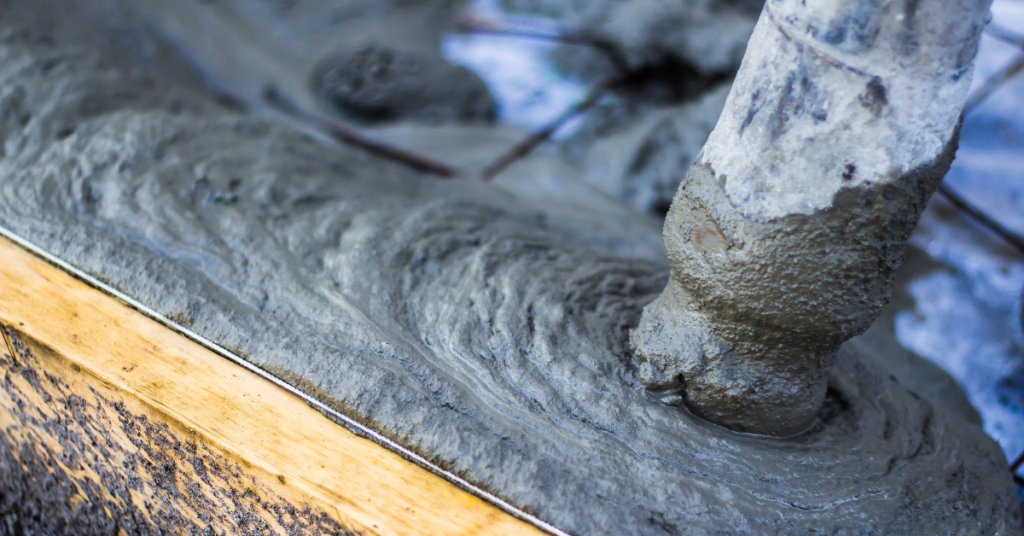
When you consider large-scale construction projects, concrete pumping emerges as an essential element due to its role in streamlining operations and boosting precision. By utilising advanced technology, you can deliver concrete quickly and accurately to even the most challenging locations on-site. This not only minimises costs and labour but also enhances safety and guarantees high-quality results. But what truly sets concrete pumping apart from traditional methods, and how does it transform your project’s efficiency and environmental footprint? Let’s explore these aspects further to understand its indispensable value in modern construction. Key Takeaways – Concrete pumping enhances efficiency by reducing time and labour for transport and placement on large sites. – It offers precise placement, minimising material waste and ensuring structural integrity. – Pumps provide accessibility to hard-to-reach areas, improving project logistics and reducing delays. – Automating concrete placement increases safety by reducing manual handling and associated injuries. – Concrete pumping supports environmental benefits by reducing material waste and emissions, aligning with sustainable practices. Increased Efficiency Concrete pumping greatly increases efficiency by reducing the time and labour required to transport and place concrete on large-scale construction sites. By employing advanced pump technology, you can streamline project logistics, guaranteeing that concrete is delivered exactly where it’s needed without the delays associated with manual handling or traditional pouring methods. This precision not only accelerates the construction process but also enhances the overall quality of the work. When you use modern pump technology, you minimise the need for extensive scaffolding and manual labour. This equipment can pump concrete vertically and horizontally over great distances, allowing you to reach otherwise inaccessible areas effortlessly. The pump’s ability to deliver a continuous flow of concrete guarantees a uniform and consistent pour, reducing the likelihood of weak spots or structural inconsistencies. Additionally, integrating pump technology into your project logistics means fewer interruptions and a smoother workflow. You won’t need to constantly manoeuvre concrete mixers or schedule additional labour for manual transport, which can be both time-consuming and costly. Instead, your team can focus on other critical tasks, improving overall productivity and guaranteeing that deadlines are met with greater ease and reliability. Cost Savings By leveraging concrete pumping technology, you can achieve considerable cost savings through reduced labour expenses and minimise material waste. When you incorporate concrete pumps into your budget planning, you streamline operations by requiring fewer workers to pour and distribute the concrete. This reduction in labour costs directly impacts your project estimates, enabling you to allocate resources more efficiently. Concrete pumps also minimise material waste, an essential factor when managing large-scale projects. Traditional methods often result in spillage and overuse, inflating your material costs. With a concrete pump, precise delivery reduces these issues, ensuring that you use only the necessary amount of concrete. This efficiency not only lowers material expenses but also supports your overall budget planning by providing more accurate project estimates. Additionally, concrete pumping speeds up the pouring process, which can greatly cut down on project timelines. Faster completion means fewer days of labour, less equipment rental time, and reduced site overheads. All these factors contribute to notable cost savings, making concrete pumping an indispensable tool for large-scale projects. Precision Placement How can you achieve unparalleled accuracy in your concrete placement? Precision placement is essential for large-scale projects, and concrete pumping offers the exact control you need. Different pump types, such as boom pumps and line pumps, allow you to place concrete with pinpoint accuracy, reducing waste and enhancing structural integrity. Here’s how you can master precision placement: Choose the Right Pump Type: Boom pumps are ideal for high-rise buildings due to their extended reach, while line pumps are perfect for horizontal or small-scale applications. Use Advanced Placement Techniques: Employ techniques like sectional pouring, which divides large pours into manageable sections, guaranteeing uniformity and reducing the risk of cold joints. Monitor Flow Rates: Adjust the flow rate according to the type of structure and the specific requirements. This helps in preventing overflows and guarantees a smooth finish. Utilise Skilled Operators: Skilled operators can manoeuvre the pump precisely, guaranteeing that the concrete is placed exactly where it’s needed, minimising errors and rework. Accessibility Guaranteeing accessibility during concrete pumping is essential for the success of large-scale projects, as it allows for efficient material delivery to hard-to-reach areas. You need to take into account how concrete pumping can streamline site logistics, especially when dealing with complex terrains or high-rise structures. Traditional concrete placement methods often involve labour-intensive and time-consuming processes, but concrete pumps can manoeuvre around obstacles, tight spaces, and vertical climbs effortlessly. In project planning, incorporating concrete pumping from the outset guarantees that you can deliver materials precisely where needed. This minimises disruptions and delays, thereby optimising the workflow. For instance, boom pumps can extend their reach over long distances and heights, making them invaluable for multi-story buildings or expansive sites. Line pumps, on the other hand, offer flexibility for manoeuvring through confined spaces or around existing structures. Moreover, concrete pumping reduces the need for heavy equipment and manual labour to transport concrete, which enhances the overall efficiency of your project. By integrating this technology into your site logistics, you’ll find that it simplifies material handling and accelerates project timelines. Proper planning and utilisation of concrete pumping can greatly improve your project’s outcomes by addressing accessibility challenges head-on. Enhanced Safety Incorporating concrete pumping into your construction strategy greatly enhances safety by minimising the need for manual handling and heavy lifting. This method supports adherence to stringent safety regulations and reduces the risk of workplace injuries. Concrete pumps are designed to handle large volumes of concrete with precision, effectively eliminating the need for labourers to transport it manually, which can lead to strain injuries and accidents. Concrete pumping also guarantees that the concrete is delivered to hard-to-reach areas without compromising worker safety. With proper equipment training, operators
How Does Commercial Concrete Enhance the Durability of Business Structures?
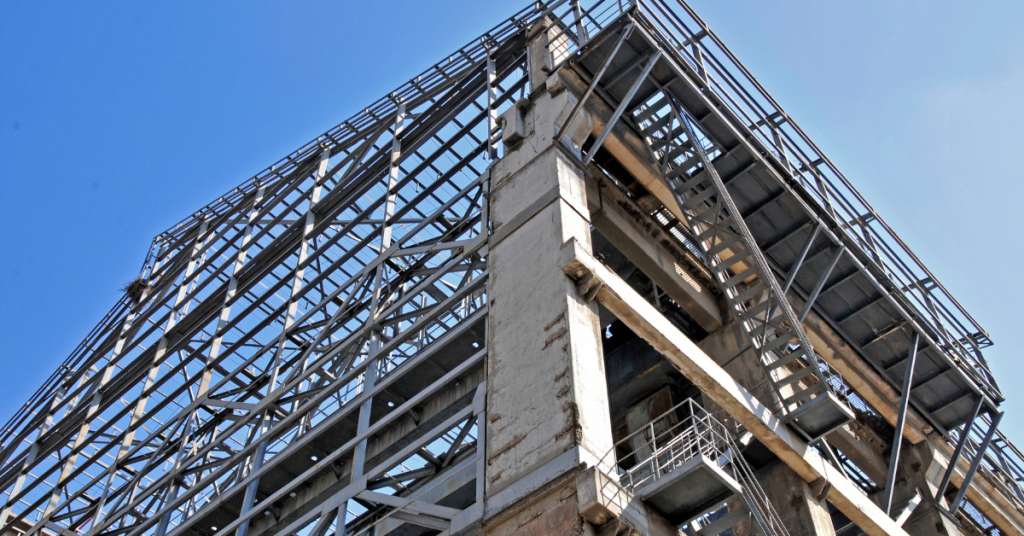
When you consider enhancing the durability of your business structures, commercial concrete stands out due to its exceptional strength and load-bearing capacity. It doesn’t just support heavy loads and multi-story buildings; it also offers remarkable weather resistance, protecting your investment from moisture and temperature changes. The use of specialised additives can further extend the lifespan of your buildings, reducing the need for frequent maintenance. But that’s not all—commercial concrete also brings added benefits regarding cost efficiency and safety. So, how exactly does this material manage to offer such extensive advantages? Key Takeaways – High compressive strength and load-bearing capacity ensure structural integrity and support for heavy loads. – Weather resistance protects against moisture, temperature fluctuations, and chemical exposure, enhancing durability. – Quality material composition and proper curing methods extend the lifespan of concrete structures. – Fire resistance and robustness improve safety and security, reducing risks from natural disasters and vandalism. – Low maintenance requirements and high resistance to wear result in long-term cost efficiency and reliability. Strength and Sturdiness When evaluating commercial concrete, you must consider its compressive strength, which directly impacts its sturdiness and overall durability. Compressive strength measures the material’s ability to withstand loads that tend to reduce size. This property is vital for maintaining the structural integrity of commercial buildings, guaranteeing they can bear significant weight and resist deformation. To determine compressive strength, you should conduct standardised tests using cylindrical concrete samples. These tests provide a quantifiable measure of the concrete’s maximum load-bearing capacity before failure. High compressive strength indicates that the concrete can support heavy structural loads, contributing to the building’s longevity. In commercial applications, a higher compressive strength typically translates to enhanced structural integrity. This guarantees that the concrete can handle dynamic loads, such as machinery vibrations or heavy foot traffic, without compromising its stability. As a result, selecting concrete with an appropriate compressive strength is essential for projects where durability and safety are paramount. Weather Resistance Equally important as compressive strength, weather resistance determines how well commercial concrete can withstand environmental factors like moisture, temperature fluctuations, and chemical exposure. By effectively enhancing weather resistance, commercial concrete guarantees your business structures last longer and require less maintenance. A key component of weather resistance is the creation of a moisture barrier. This barrier prevents water infiltration, which can lead to internal damage and structural weaknesses. When concrete acts as a moisture barrier, it protects against mould and mildew, extending the service life of the building. Temperature regulation is another critical factor. Concrete with high thermal mass can absorb and store heat, releasing it slowly over time. This capability helps maintain a stable internal temperature, reducing the stress caused by thermal expansion and contraction. Here are three ways commercial concrete achieves superior weather resistance: Additives and Sealants: Incorporating specialised additives and sealants enhances the concrete’s ability to repel water and resist chemical exposure. Proper Curing: Confirming ideal curing conditions allows the concrete to develop its full weather-resistant properties. Advanced Mix Design: Utilising a well-formulated mix design improves both moisture barrier effectiveness and temperature regulation. Load-Bearing Capacity Understanding load-bearing capacity is essential for determining how much weight commercial concrete can support without experiencing failure or excessive deformation. When you assess the load-bearing capacity, you’re really evaluating reinforced concrete’s ability to maintain structural integrity under various stress conditions. Reinforced concrete, a composite material, combines the compressive strength of concrete with the tensile strength of steel reinforcement, resulting in an enhanced load-bearing capacity. In practical terms, this means that commercial concrete can support substantial loads, making it ideal for constructing multi-story buildings, bridges, and other large-scale structures. Reinforced concrete’s superior load-bearing capacity stems from its unique design, which distributes loads evenly and minimises the risk of localised stress concentrations. Consequently, commercial concrete not only withstands significant vertical loads but also resists lateral forces, such as those from wind or seismic activity. To guarantee peak performance, you must consider factors like the quality of materials, proper mixing ratios, and adequate curing times. By meticulously adhering to these parameters, you enhance the structural integrity of your business structures, ensuring they can handle the intended loads without compromising safety or functionality. This meticulous approach to load-bearing capacity underpins the durability and reliability of commercial concrete in various applications. Longevity and Lifespan To maximise the longevity and lifespan of commercial concrete, it’s vital to focus on factors such as material composition, environmental conditions, and maintenance practices. Proper material selection is imperative; choosing high-quality aggregates, cement, and admixtures can greatly enhance durability. You’ll want to guarantee the concrete mix is optimised for the specific environmental conditions it will face, such as temperature fluctuations, moisture levels, and potential chemical exposure. Consider the following factors to boost longevity: Material Selection: Utilise high-performance materials that resist wear and tear. This includes using supplementary cementitious materials (SCMs) like fly ash or slag to improve durability. Environmental Impact Assessment: Evaluate the environmental conditions where the concrete will be used. Factors like freeze-thaw cycles, humidity, and exposure to chemicals can degrade concrete over time. Regular Maintenance: Implement a maintenance schedule that includes periodic inspections, sealing cracks, and applying protective coatings to prevent degradation. Cost Efficiency Maximising cost efficiency in commercial concrete projects demands a strategic approach to material selection, labour management, and lifecycle planning. You need to prioritise budget considerations at every phase of the project. Opt for high-quality materials that, while potentially more expensive upfront, offer longevity and reduced maintenance costs. This investment translates into long-term savings, as durable concrete minimises the need for frequent repairs or replacements. Efficient labour management is equally crucial. Skilled labour guarantees precise application techniques, reducing waste and enhancing the structural integrity of the concrete. Proper training and oversight can prevent costly errors and rework, keeping your project within budget and on schedule. Lifecycle planning is another essential component. Evaluate
Why Choose Ready Mix Concrete for Your Next Build?
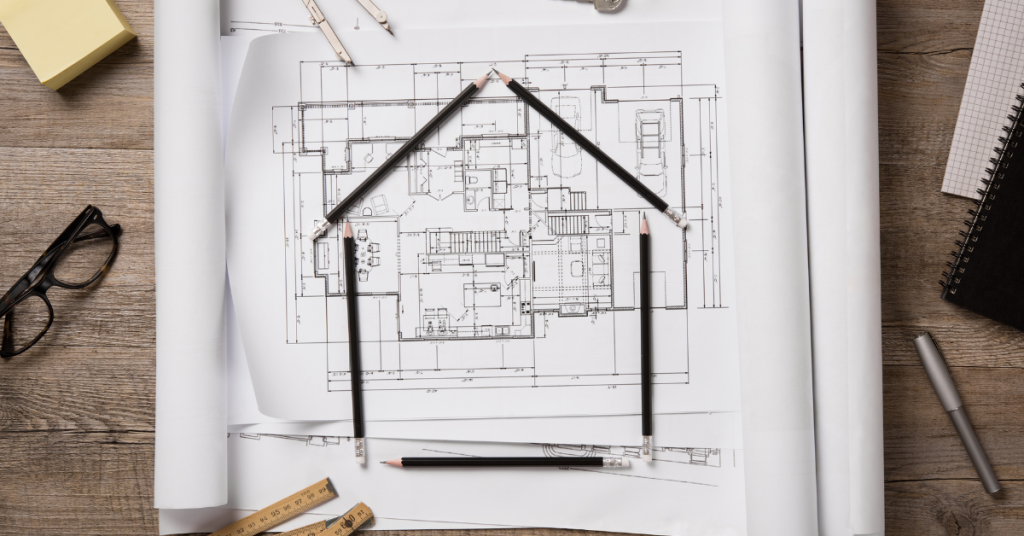
When you think about the materials for your next construction project, have you considered the distinct advantages of ready mix concrete? This approach provides superior quality and consistency, thanks to its production in controlled environments with advanced mixing techniques. Beyond just quality, imagine the time and labour saved by streamlining your logistics and minimising on-site mixing. But there’s more to explore—how does ready mix impact costs, versatility, and even environmental sustainability? Understanding these benefits might just change the way you plan your builds. Key Takeaways – Ensures consistent quality through advanced mixing and rigorous quality control. – Saves time and labour by delivering ready-to-pour concrete, streamlining worksite logistics. – Cost-effective, reducing material storage needs and minimising wastage. – Versatile mixes customisable for various construction needs and weather conditions. – Eco-friendly production reduces waste and optimises resource efficiency. Superior Quality and Consistency When you choose ready mix concrete, you’re guaranteeing superior quality and consistency for your construction projects. Ready mix concrete is produced in a controlled environment using advanced mixing techniques that assure uniformity. This precision in mixing guarantees that each batch meets stringent material properties, such as compressive strength and durability. By opting for ready mix concrete, you eliminate the variability that often arises from on-site mixing. Industrial mixing techniques utilise precise measurements of water, cement, aggregates, and additives, resulting in a homogeneous mixture. This accuracy is essential for achieving the desired performance characteristics and structural integrity of your project. Moreover, ready mix concrete undergoes rigorous quality control processes. Samples from each batch are tested to verify that they meet specific standards, guaranteeing that the material properties remain consistent throughout your project. This level of quality assurance is difficult to replicate with on-site mixing, where factors like human error and environmental conditions can compromise the mix. Time and Labour Efficiency By using ready mix concrete, you greatly reduce the time and labour required for your construction project. This efficiency stems from the streamlined process of having concrete mixed offsite and delivered ready to pour. You eliminate the need for on-site mixing, which notably simplifies worksite logistics. No more waiting for materials, calibrating mixes, or dealing with inconsistencies that can arise from manual mixing. Ready mix concrete guarantees that your project timelines stay on track. With concrete delivered exactly when you need it, you can synchronise pours with other construction activities, minimising downtime. Your team can focus on placing and finishing the concrete rather than mixing it, leading to faster project completion. Furthermore, using ready mix concrete reduces labour costs as you need fewer workers to handle the mixing process. This allows you to allocate labour resources more efficiently to other critical tasks. By optimising both time and labour, you can address potential bottlenecks and keep your construction project moving forward smoothly. Cost-Effectiveness Choosing ready mix concrete often results in significant cost savings for your construction project. When you consider budget considerations, opting for ready mix concrete can be a more economical choice compared to on-site mixing. By eliminating the need for purchasing and storing raw materials, you reduce not only material costs but also the overhead associated with managing them. In addition, ready mix concrete minimises the risk of over-ordering or under-ordering materials, which can lead to wastage and additional expenses. By ensuring precise mixes, you avoid the costly rework often required when on-site mixing produces inconsistent results. The uniformity and quality control inherent in ready mix concrete translate into fewer repairs and adjustments during the build, saving both time and money. Moreover, the long term savings associated with ready mix concrete are substantial. Its durability and lower maintenance requirements mean fewer repairs and replacements over the lifespan of the structure. This translates into reduced long-term operational costs and a more predictable budget for future projects. Versatility in Use Ready mix concrete offers unparalleled versatility, enabling it to meet the demands of a wide variety of construction projects with precision and efficiency. Its adaptability allows you to achieve specific design requirements without compromising on quality or performance. Whether you’re working on a high-rise building or a simple driveway, the design flexibility of ready mix concrete guarantees a perfect fit for your custom applications. Consider these key points to understand its versatility: Customisable Mixes: Ready mix concrete can be tailored to meet specific strength, durability, and workability requirements, allowing you to tackle unique project challenges. Wide Range of Applications: From foundations and floors to decorative elements and structural components, its uses span across various types of construction projects. Consistent Quality: Manufactured under controlled conditions, it assures uniformity and reliability, reducing the risk of onsite errors. Adaptability to Weather Conditions: You can adjust the mix to suit different climates and environments, guaranteeing peak performance even under extreme conditions. Environmental Benefits Utilising ready mix concrete in your construction projects can greatly reduce environmental impact by minimising waste and optimising resource efficiency. By employing this material, you contribute to sustainable sourcing because ready mix concrete is often produced with locally available materials, reducing the need for long-distance transportation and its associated carbon emissions. Moreover, the production process of ready mix concrete is meticulously calibrated to guarantee exact proportions, leading to reduced waste. When concrete is mixed on-site, there’s often a surplus that goes unused, which eventually contributes to landfill waste. Ready mix , however, is prepared in precise quantities as per your project’s requirements, considerably cutting down on excess material. Additionally, ready mix concrete plants typically implement advanced recycling systems, repurposing water and raw materials. This not only lessens the demand on natural resources but also mitigates the environmental footprint of your build. The controlled environment of these plants guarantees consistent quality, further reducing the likelihood of project delays or material wastage. Implementing ready mix concrete in your projects isn’t just a smart move for efficiency; it’s a proactive step towards eco-friendly construction. By focusing on sustainable
How Can Domestic Concrete Improve Your Home Renovation?

Did you know that homes with concrete flooring can reduce energy bills by up to 30% due to its thermal mass properties? When you incorporate domestic concrete into your home renovation, you’re not just adding durability and aesthetic versatility; you’re also investing in long-term cost savings and sustainability. Imagine having a material that offers customisable colour schemes, textures, and slip resistance, all while requiring minimal maintenance. Curious about how this versatile material can transform both your indoor and outdoor spaces? Let’s explore the myriad ways concrete can elevate your home’s functionality and style. Key Takeaways – Concrete’s durability ensures long-term performance, reducing the need for frequent replacements. – Versatile colour schemes and texture variations offer extensive customisation options for aesthetics and functionality. – Slip-resistant surfaces enhance safety, especially in moisture-prone areas like pool decks and walkways. – Cost-effective material with DIY potential minimises renovation expenses and boosts budget flexibility. – Environmental benefits include energy efficiency and the use of recycled materials for sustainable home improvements. Enhancing Indoor Spaces Why not transform your indoor spaces with the versatility and durability of domestic concrete? Concrete offers a broad spectrum of colour schemes and texture variations, making it an ideal choice for enhancing your home’s interiors. By selecting the right colour schemes, you can guarantee that the concrete complements your existing decor. Modern staining techniques allow for a range of hues from subtle earth tones to vibrant shades, giving you the flexibility to customise your space according to your aesthetic preferences. Texture variations also play an essential role in enhancing indoor environments. Polished concrete floors provide a sleek, modern look, while textured finishes can add depth and character. You can select from a multitude of finishes like troweled, brushed, or even stamped patterns to achieve the desired tactile quality. These textures not only contribute to the visual appeal but also offer practical benefits, such as slip resistance. Incorporating concrete into your home doesn’t just offer visual and tactile improvements; it’s also a sustainable choice. Concrete’s durability reduces the need for frequent replacements, and its thermal mass properties can contribute to energy efficiency. Outdoor Concrete Solutions Outdoor concrete solutions provide durable and versatile options for enhancing your home’s exterior spaces. Whether you’re looking to revamp your patio or upgrade your driveway, concrete offers a robust and low-maintenance choice. Here’s how you can make the most out of outdoor concrete: Patio Designs: Transform your backyard with various concrete patio designs. Stamped concrete can mimic the appearance of stone or brick, offering both aesthetics and durability. Smooth finishes provide a sleek and modern look. The flexibility in design allows you to create a personalised outdoor retreat. Driveway Upgrades: Opting for a concrete driveway guarantees both strength and longevity. Unlike asphalt, concrete can withstand heavier loads and resist wear and tear better. Driveway upgrades with reinforced concrete can greatly enhance curb appeal and property value. Walkways and Paths: Concrete walkways and garden paths provide safe and stable surfaces. They can be customised with different textures and colours to blend seamlessly with your landscaping. Pool Decks: Concrete pool decks offer slip-resistant surfaces and are easy to clean. They can be designed to complement the pool area, guaranteeing a cohesive look. Customisation Options Customisation options for concrete allow you to tailor finishes, colours, and patterns to meet your specific design preferences and functional needs. With an extensive array of colour choices, you can match or contrast your existing décor. Concrete stains and dyes provide a broad spectrum of hues, from natural earth tones to vibrant, eye-catching colours. This flexibility guarantees that your concrete surfaces can blend seamlessly with any interior or exterior design theme. Texture variations further enhance the versatility of concrete. You can choose from smooth, polished finishes for a sleek, modern look or opt for textured surfaces that mimic the appearance of natural stone, brick, or wood. Techniques such as stamping, engraving, and sandblasting allow for intricate patterns and designs, adding a unique touch to your space. Additionally, the ability to customise concrete extends to functional aspects. For instance, you can incorporate non-slip textures in areas prone to moisture, like bathrooms or pool decks, guaranteeing safety without sacrificing aesthetics. By leveraging these customisation options, you can create concrete surfaces that not only look exceptional but also meet the specific demands of your home environment, enhancing both form and function. Durability and Maintenance In addition to offering extensive customisation options, concrete stands out for its remarkable durability and low maintenance requirements. When you choose concrete for your home renovation, you’re investing in a material known for its long-term performance. Concrete’s inherent strength guarantees it can withstand heavy use and harsh environmental conditions without significant wear or damage. To maximise the lifespan of your concrete surfaces, consider the following maintenance tips: Regular Cleaning: Keep your concrete surfaces clean by sweeping and washing them periodically. This prevents dirt buildup that can cause abrasion over time. Sealant Application: Apply a high-quality sealant every few years. Sealants protect concrete from moisture infiltration, which can lead to cracking and other forms of deterioration. Crack Repair: Address minor cracks promptly using appropriate repair techniques. This prevents small issues from escalating into more significant structural problems. Avoid Deicing Chemicals: During winter, avoid using deicing chemicals that can cause surface damage. Opt for sand or non-corrosive agents instead. Cost-Effective Renovations When planning cost-effective renovations, leveraging the affordability and versatility of concrete can greatly reduce overall expenses. Concrete’s low material cost makes it an ideal choice for budget planning. It’s not just about the upfront savings—concrete’s durability minimises long-term maintenance costs, offering an economical solution over time. For those inclined towards DIY projects, concrete provides a user-friendly medium. You can handle tasks such as pouring slabs or creating unique finishes without needing specialised skills. By undertaking these projects yourself, you eliminate labour costs, further stretching your renovation
What Are the Benefits of Concrete Pumping for Your Construction Project?
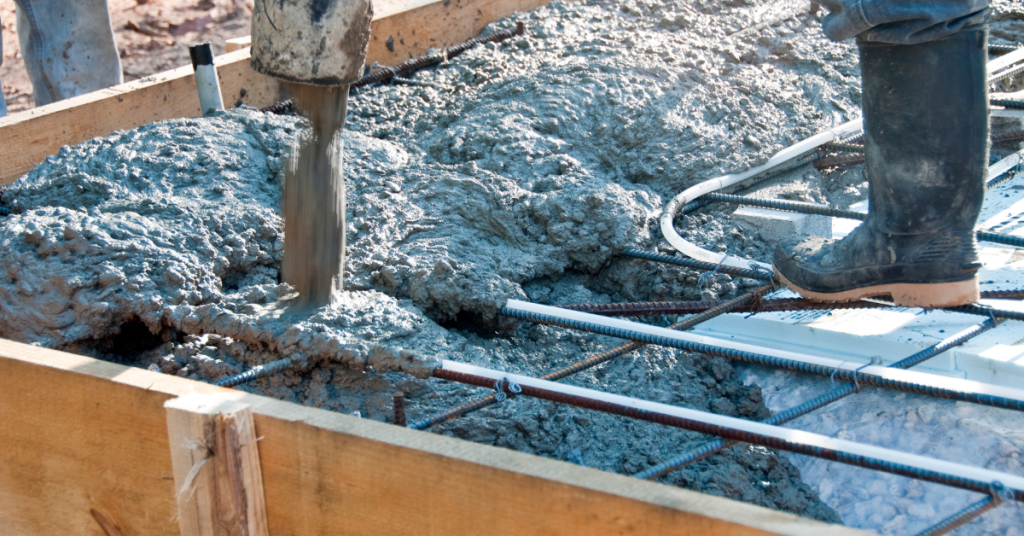
Have you ever considered whether concrete pumping truly enhances the efficiency of your construction project? In reality, this method not only boosts productivity but also brings precision and substantial cost savings in both time and labour. Imagine reaching challenging locations with ease and reducing material wastage while improving safety on-site. The versatility of concrete pumping can cater to various applications, ensuring consistent, high-quality results every time. So, how exactly does this technology streamline your workflow and contribute to a successful project outcome? Key Takeaways – Concrete pumping increases project efficiency by reducing labour costs and timelines. – Precise concrete placement ensures adherence to design specifications and minimises material wastage. – Access to challenging locations is improved with advanced pumping systems, including urban and steep terrains. – Enhanced safety with reduced manual handling and lower risk of workplace injuries. – Versatile applications for various construction projects, from high-rise buildings to residential developments. Increased Efficiency By leveraging concrete pumping technology, construction projects can greatly reduce labour costs and project timelines. This technology allows you to move concrete efficiently to hard-to-reach areas, which traditional methods often struggle to access. Utilising advanced pumping techniques, such as line pumps and boom pumps, guarantees that concrete is delivered with consistency and minimal waste. When you employ these pumping techniques, you’ll notice a significant uptick in productivity. Line pumps are ideal for smaller projects and tight spaces, while boom pumps can cover larger areas and navigate around obstacles. This versatility translates into quicker completion rates, less manual labour, and fewer delays. Additionally, the speed of concrete placement is dramatically increased, allowing other trades to commence their work sooner. However, to achieve these benefits, proper equipment maintenance is essential. Regular inspections and servicing of pumps prevent breakdowns and confirm peak performance. Components like hoses, seals, and hydraulic systems need frequent checks to avoid malfunctions. Enhanced Precision Concrete pumping technology offers unparalleled precision in concrete placement, guaranteeing that every pour meets the exact specifications required for structural integrity and design. By employing advanced precision techniques, you can achieve accurate and consistent concrete distribution, which is essential for maintaining the quality and safety standards of your construction project. The use of calibrated equipment allows for precise control over the flow rate and placement of concrete, minimising the risk of over-pouring or under-pouring in vital areas. When you utilise concrete pumps, the precision extends to complex and hard-to-reach locations on your site. With the ability to direct the concrete exactly where it’s needed, you reduce material wastage and avoid the need for manual adjustments that can compromise structural integrity. High-precision equipment calibration guarantees that the machinery operates within the designed tolerances, which is vital for achieving the intended load-bearing capacities and aesthetic qualities of the structure. Furthermore, the enhanced precision offered by concrete pumping translates to better adherence to architectural designs and engineering plans. This meticulous approach not only meets regulatory compliance but also boosts the overall quality of the construction, providing you with a robust and durable end product. Time Savings Utilising concrete pumping technology greatly accelerates project timelines by streamlining the concrete placement process, thereby reducing labour hours and enhancing overall productivity. When integrating this technology into your project planning, you can greatly cut down on the time required for concrete delivery and placement. Unlike traditional methods that involve labour-intensive wheelbarrowing or bucket systems, concrete pumps can deliver material directly to the required location, even in hard-to-reach areas. In terms of equipment selection, opting for advanced concrete pumps guarantees a continuous flow of concrete, minimising delays caused by transportation or manual handling. This efficiency allows for faster setting times and reduces the risk of cold joints, thereby maintaining the structural integrity of the project. By precisely calculating the pump’s output rate and adjusting it to meet the project’s specific needs, you can optimise the workflow and adhere more closely to project deadlines. Additionally, concrete pumps are less susceptible to weather-related delays, as they can operate under a variety of conditions, further keeping your project on track. Essentially, the strategic use of concrete pumping technology in your project planning translates into substantial time savings, resulting in a more efficient and streamlined construction process. Labour Cost Reduction Integrating concrete pumping technology into your construction project considerably reduces labour costs by minimising the need for manual handling and transportation of concrete. By employing concrete pumps, you streamline the labour management process, allowing for a more efficient allocation of your workforce. The use of concrete pumps eliminates the necessity for extensive teams of workers to manually transport concrete via wheelbarrows or buckets, thereby reducing the number of labour hours required. In terms of cost analysis, concrete pumping provides a significant reduction in labour expenses. The precision and speed of the pumping process mean that projects can be completed faster, saving on prolonged labour costs. Additionally, because concrete pumps can deliver concrete to high, far-reaching, or otherwise challenging locations with minimal human intervention, you can optimise workforce deployment, focusing labour resources on more skilled tasks rather than manual transport. Moreover, reduced physical labour translates to fewer workplace injuries and associated costs, further enhancing your project’s cost efficiency. By integrating concrete pumping into your construction plans, you achieve a more streamlined, cost-effective labour management strategy, ultimately contributing to a more financially efficient and timely project completion. Access to Difficult Locations Reaching challenging construction zones becomes markedly easier with the implementation of advanced concrete pumping systems. When your project involves remote locations or challenging terrains, traditional methods of concrete delivery can prove inefficient and time-consuming. Concrete pumps, especially boom pumps, offer a superior solution by providing precise delivery to hard-to-reach areas. These pumps can navigate through dense urban environments, steep inclines, and confined spaces, ensuring that concrete placement is both accurate and efficient. With their extended reach, boom pumps can bypass obstacles and deliver concrete directly to elevated or recessed sites without
Is Concrete Pump Hire Suitable for Residential Construction Projects?
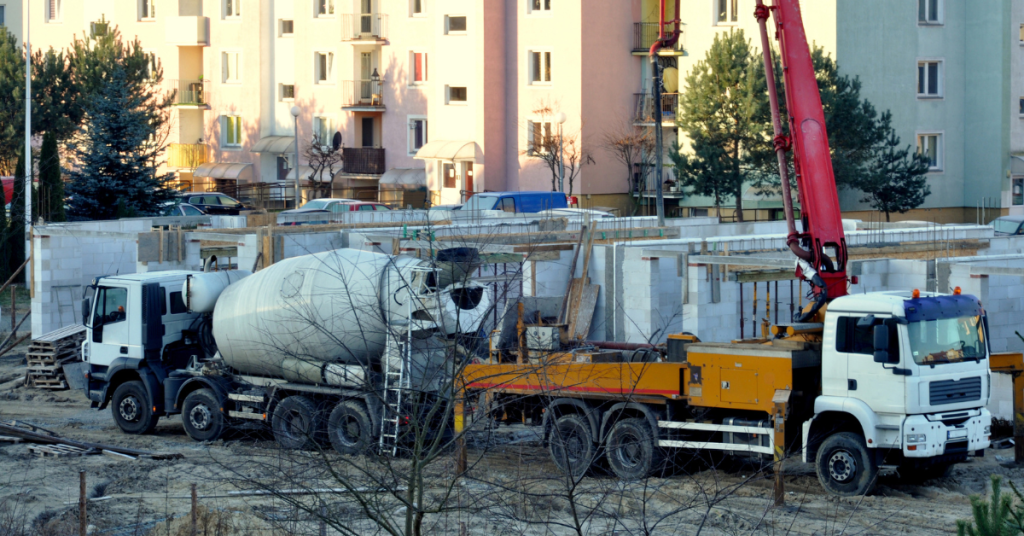
Yes, concrete pump hire is definitely suitable for your residential construction projects. It increases efficiency, accuracy, and cuts costs, whether you’re building foundations, driveways, home extensions, or landscaping. The flexibility of pump hoses enables precise concrete placement, reducing waste and potential for cracks or uneven surfaces. Keep in mind, while hiring a pump saves labour and enhances concrete strength, you’ll also need to take into account cost implications, operator skill and regular maintenance. Knowing your project’s scope, site location, and type of concrete guides you in making the right decision. Stick around to gather more insights on this topic. Key Takeaways – Concrete pumps are suitable for residential projects due to their efficiency and precise concrete delivery. – They are ideal for hard-to-reach areas, such as second-story extensions or basements. – The flexibility of pump hoses reduces wastage and ensures accurate placement of concrete. – Material selection with concrete pumps can prevent blockages and ensure a smooth pumping process. – Despite costs, the benefits of time and labour savings make concrete pumps a valuable investment for residential projects. Understanding Concrete Pump Hire When you’re tackling a residential construction project, understanding how to hire a concrete pump can greatly streamline your process, saving both time and labour. Knowing the different pump types is essential to making an informed decision. The two primary types include boom pumps and line pumps. Boom pumps use a robotic arm to deliver concrete, excellent for large-scale projects. Line pumps, on the other hand, are better suited for smaller jobs where less concrete is required. After understanding pump types, you’ll need to take into account cost analysis. Hiring a concrete pump isn’t cheap, but it’s an investment that can save you money over time. The cost might vary depending on the pump type, project scale, and rental duration. It’s advisable to get quotes from different suppliers to make sure you’re getting the best value for your money. Advantages of Concrete Pumping While it’s apparent that hiring a concrete pump can be a significant investment, it’s vital to ponder the myriad benefits of concrete pumping, including enhanced efficiency, time savings, and superior concrete placement accuracy. By utilising the power of a concrete pump, you’re optimising the pumping efficiency, which means you can deliver more concrete in less time. This is an important aspect when dealing with residential construction projects where time is often of the essence. Moreover, the cost effectiveness of concrete pumping shouldn’t be overlooked. By reducing the number of labourers required on site, you’re able to cut down on labour costs considerably. Also, concrete pumping allows for precise delivery, minimising wastage and further contributing to cost savings. Here are some additional advantages of concrete pumping: – Improved concrete strength: Due to reduced water content, the concrete’s strength is often increased, which enhances the structure’s durability. – Safety: Concrete pumps provide a safer environment by minimising manual labour and associated risks. – Access to hard-to-reach areas: Concrete pumps can reach areas that would otherwise be challenging to access, such as high or tight spots. – Consistency: Pumping ensures a constant flow of concrete, providing consistency in the mix and its placement. Potential Drawbacks Despite the numerous advantages, it’s important to weigh potential drawbacks that might accompany the use of concrete pumps in residential construction. First and foremost, you must consider the cost implications. While hiring a concrete pump can greatly accelerate the process, it isn’t always the most cost-effective option, particularly for smaller-scale residential projects. Hiring equipment, coupled with potential delivery and operator charges, can add up quickly. Additionally, you should be aware of the maintenance challenges that come with using concrete pumps. These machines require regular checks and servicing to guarantee they function at their best. If not properly maintained, they can break down, leading to costly repairs and delays in your project timeline. Furthermore, concrete pumps require skilled operators. If you can’t find or afford a qualified operator, it further increases the project’s complexity and cost. Lastly, there’s the challenge of site accessibility. Some residential sites may not have the adequate space required for the pump, which could lead to logistical issues. Residential Project Applications Considering these potential challenges, let’s now explore how concrete pumps can be implemented in different residential construction scenarios to maximise their benefits. Concrete pumps can increase project feasibility, saving you time and labour costs. They are particularly suitable for projects requiring the pouring of concrete in hard-to-reach areas, such as second-story extensions or basement constructions. The flexibility of the pump hoses allows for precise placement, minimising waste and mess. Material selection is important for the successful use of concrete pumps. The right mix of concrete can guarantee a smooth pumping process, reducing the risk of blockages. To give a clearer picture, below are some residential applications where concrete pump hire can be a game-changer: – Building foundations: Using a concrete pump allows for a quicker and more efficient process, ensuring a solid base for your construction. – Driveways: Concrete pumps can deliver concrete to the desired location with precision, reducing the risk of cracks and uneven surfaces. – Home extensions: For second-story extensions or loft conversions, a concrete pump can reach high or difficult areas with ease. – Landscaping: Whether it’s constructing a patio or a swimming pool, a concrete pump can provide a hassle-free solution. Making the Right Decision Traversing the concrete pump hire process for your residential project means evaluating several important factors to guarantee you make the correct decision. Understanding the residential construction challenges you may encounter, which may include limited access, tight timelines, or specific surface preparation requirements, is crucial. Your decision-making strategies should involve a thorough assessment of your project’s needs. Consider the scope and timeline of your project, the type of concrete you plan to use, and the location of your site. These factors will help you ascertain
How Does Ready Mix Concrete Contribute to Sustainable Building Practices?
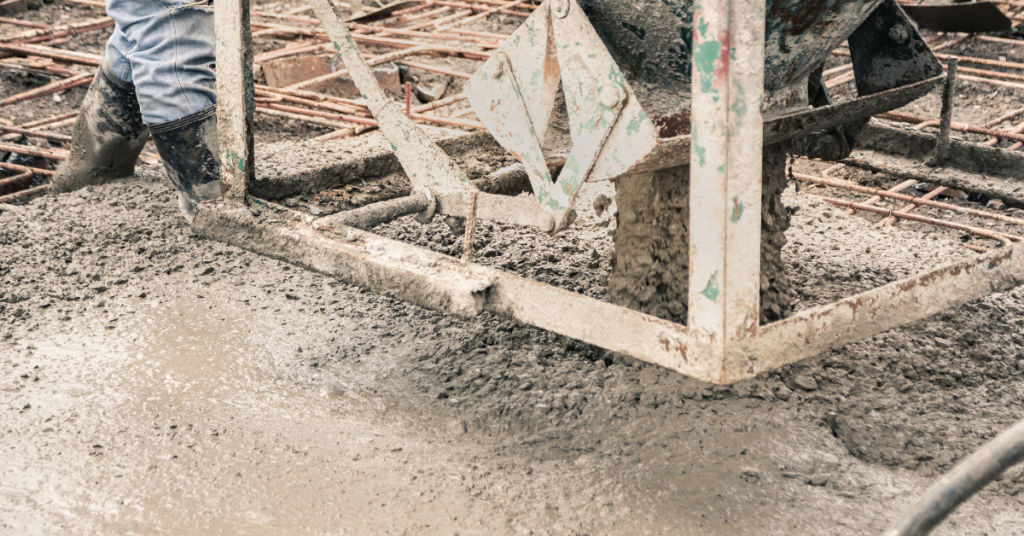
Ready mix concrete contributes to sustainability in your building projects due to its precise, efficient production process, which minimises waste and maximises performance. It’s sourced from sustainable suppliers and incorporates supplementary cementitious materials, reducing energy consumption and carbon footprint. The material’s longevity reduces resource consumption and waste generation, providing fire, water and pest resistance. Recyclability of unused concrete and treatment of washout water further benefit the environment. By engaging further, you’ll discover more about its cost-effectiveness and environmental friendliness. Key Takeaways – Ready Mix Concrete production focuses on energy efficiency, using sustainable material sourcing and reducing carbon emissions. – The use of Supplementary Cementitious Materials (SCMs) in production reduces energy consumption and enhances durability. – Innovations in concrete recycling reduce landfill waste and greenhouse gas emissions, promoting environmental sustainability. – The material composition of Ready Mix Concrete enhances its longevity and durability, reducing resource consumption and waste generation. – By ordering precise amounts, surplus concrete and waste production are minimised, contributing to cost-effective and environmentally-friendly building practices. Understanding Ready Mix Concrete To fully grasp the role of ready mix concrete in sustainable building practices, it’s essential to understand its composition, production process, and unique properties. The concrete composition mainly involves a blend of cement, aggregates (like sand, gravel, or crushed stone), and water. It’s the exact proportioning of these materials that determines the strength and durability of the concrete. Your application techniques also play an important role. You’ve got to guarantee that the mix is uniformly blended before pouring. If it’s not, you risk creating weak points that could lead to structural issues down the line. The concrete should be poured into a well-prepared and levelled formwork, then compacted properly to eliminate any trapped air which can cause voids. The concrete’s properties are also crucial. It’s known for its excellent compressive strength but has limited tensile strength. That’s why it’s often reinforced with materials that have high tensile strength, like steel. Production Process of Ready Mix Concrete Understanding the composition and properties of ready mix concrete sets the stage for exploring its production process, which is a systematic and precise operation. This operation is key to assuring concrete quality and managing mix variations. At the heart of the process is the batching plant. Here, specific quantities of sand, gravel, cement, and water are combined, following the recipe for the desired mix variation. The blend is then mixed until a uniform consistency is achieved. The result is a ready mix concrete of high quality, tailored to meet the exact specifications of the project at hand. This precision in production has significant implications for sustainable building practices. By ensuring each batch of concrete is produced to exact standards, waste is minimised, and performance is maximised. There’s no room for guesswork or approximation in this process, as even slight changes in the ratio of components can dramatically affect the concrete’s strength, durability, and workability. The production process of ready mix concrete is a demonstration of the power of precision, showcasing the potential for both improved performance and sustainability in building practices. Its meticulous operations underscore the importance of concrete quality and careful management of mix variations. Energy Efficiency in Production In producing ready mix concrete, optimising energy efficiency isn’t just essential for cost savings – it’s a key element in sustainable building practices. It’s where production innovations and material sourcing come into play. Firstly, you need to understand that production innovations are constantly being explored and implemented to enhance the energy efficiency of the production process. For instance, modern batching plants now employ computerised control systems, allowing for precise measurements and minimising human error, thereby reducing energy wastage. Material sourcing is equally important. By choosing suppliers that promote sustainable extraction and transportation methods, you’re not only ensuring a lower carbon footprint but also supporting the sustainability movement in the industry. Moreover, the use of supplementary cementitious materials (SCMs) such as fly ash or slag cement in the mix design can greatly reduce energy consumption. These SCMs, being industrial by-products, require less energy for production compared to traditional Portland cement. Also, they contribute to enhancing concrete’s durability, indirectly reducing the energy needed for maintenance and repair. Waste Reduction and Recycling When it comes to waste reduction and recycling, you’ll find that ready mix concrete plays a major role in advancing these sustainable practices. This is largely due to recycling innovations in the industry. These innovations make it possible to reuse the waste produced during the construction process, reducing the amount of waste that ends up in landfills. For instance, concrete washout water, which is typically discarded, can now be treated and reused in the production of new concrete. Additionally, leftover concrete can be crushed and recycled into aggregate for new concrete or other construction materials. Moreover, by using ready mix concrete, the exact amount needed for a project can be ordered, reducing the surplus concrete that often results in wastage. This precision significantly minimises the environmental footprint associated with concrete production and waste disposal. In terms of greenhouse emissions, ready mix concrete also shines. The reduction in waste translates to fewer resources used in the production process, which subsequently leads to lower emissions. In effect, the use of ready mix concrete not only decreases waste but also contributes to the reduction of greenhouse gas emissions, further promoting sustainable building practices. Longevity and Durability Benefits You’ll definitely appreciate the longevity and durability benefits of ready mix concrete, as these aspects directly contribute to sustainable building practices. The material composition of ready mix concrete greatly enhances its longevity. It’s composed of cement, water, and aggregates, which when combined create a sturdy material with superior resistance to environmental stressors. This sturdiness not only guarantees that the structures last longer, reducing the frequency of replacements and repairs, but also minimises resource consumption and waste generation in the long run. Let’s explore further into