
Discover the 5 Advantages of Ready Mix Concrete
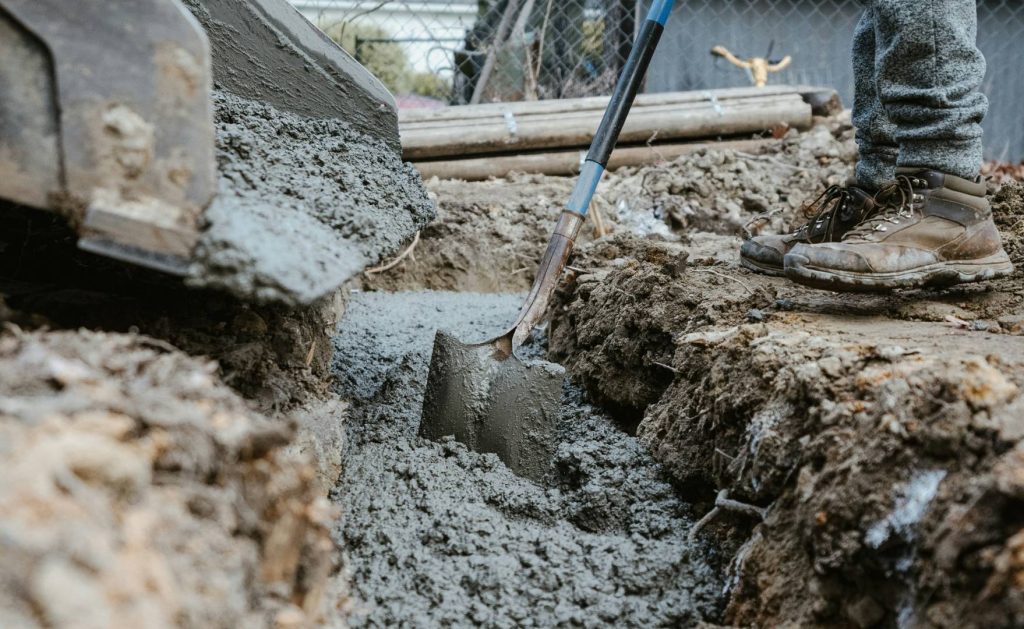
Looking for a construction material that offers efficiency and reliability? Have you considered the benefits of ready mix concrete? From saving valuable time to ensuring consistent quality, this versatile material has a lot to offer. But that’s just the beginning. Stay tuned to uncover how ready mix concrete can provide you with a range of advantages that go beyond the surface level. Key Takeaways Ready mix concrete ensures precise mixtures for quality assurance and uniformity in construction projects. It enhances strength and durability by reducing human errors and improving structural integrity. Efficiency benefits include quicker project completion, reduced labor costs, and optimized resource utilization. Cost-effectiveness and waste reduction are achieved through minimized material wastage and lower carbon footprint. Time-Saving Benefits When using ready mix concrete, you save valuable time due to the elimination of on-site mixing processes. This pre-mixed concrete is prepared off-site according to specific requirements, ensuring consistency in quality and composition. By simply transporting the ready mix to the construction site, you bypass the need for on-site mixing, which can be time-consuming and labor-intensive. The use of ready mix concrete streamlines the construction process, allowing for quicker project completion. Since the concrete is already mixed to the correct proportions, you can immediately start pouring and setting it, eliminating the wait time associated with on-site mixing. Additionally, the risk of errors in mixing ratios is reduced, ensuring that the concrete used is of optimal quality from the outset. In essence, the time-saving benefits of ready mix concrete translate to increased efficiency on the construction site. This efficiency not only speeds up the construction process but also minimizes delays and ensures a smoother workflow overall. Cost-effectiveness By utilizing ready mix concrete, you can realize significant cost savings throughout your construction project. Ready mix concrete offers several cost-effective advantages that can positively impact your budget and overall project expenses: Reduced Labor Costs: Ready mix concrete eliminates the need for on-site mixing, reducing labor costs associated with manual mixing, handling raw materials, and cleaning equipment. Minimized Material Wastage: Ready mix concrete is prepared in controlled environments, ensuring accurate mixing proportions and reducing material wastage, which can occur when mixing concrete on-site. Lower Equipment Expenses: Since ready mix concrete is delivered directly to your construction site, you can save on equipment costs such as mixers, storage facilities, and maintenance expenses. Incorporating ready mix concrete into your construction projects can lead to cost efficiencies by streamlining processes, reducing waste, and optimizing resource utilization. Consistent Quality Assurance To ensure a consistently high level of quality in your construction projects, ready mix concrete offers a reliable solution. Ready mix concrete is produced in controlled environments using precise mixtures of cement, aggregates, water, and additives. This controlled production process eliminates variability that can occur with on-site mixing, ensuring that each batch meets strict quality standards. Quality assurance in ready mix concrete is further enhanced through rigorous testing procedures. Before delivery, samples are taken and tested for consistency, strength, and durability. This testing regimen helps identify any issues early on, preventing potential problems in the final construction. Additionally, the use of ready mix concrete allows for better monitoring of mix proportions and quality control measures. The consistency in the production process means that each batch will have the same properties, leading to uniformity in your construction projects. Increased Strength and Durability With ready mix concrete, you can achieve increased strength and durability in your construction projects through precise mixtures and controlled production processes. This results in a more reliable and robust final product that can withstand various environmental conditions and stresses. Benefits of Increased Strength and Durability: Optimal Mix Ratios: Ready mix concrete is formulated with exact proportions of cement, aggregates, and water, ensuring a consistent and strong mixture every time. Enhanced Quality Control: The production of ready mix concrete takes place in controlled environments, reducing the risk of human error and ensuring uniformity in strength and durability. Improved Structural Integrity: The uniform distribution of materials in ready mix concrete leads to enhanced cohesion and reduces the likelihood of cracks or weaknesses in the structure. Environmental Advantages Ready mix concrete offers significant environmental advantages due to its reduced waste generation and lower carbon footprint compared to traditional on-site mixing methods. The controlled production process of ready mix concrete results in less material wastage, as it’s precisely mixed in specialized plants according to specific requirements. This reduces the overall environmental impact by minimizing the amount of unused or excess concrete being disposed of after construction. Furthermore, the use of ready mix concrete can lead to a lower carbon footprint due to optimized transportation logistics and energy-efficient production methods. By centrally batching the concrete at dedicated plants, the transportation distances to construction sites are often shorter, reducing fuel consumption and emissions from transportation vehicles. Additionally, modern ready mix plants are equipped with advanced technology that enhances energy efficiency during the mixing process, further contributing to environmental sustainability. Frequently Asked Questions How Does Ready Mix Concrete Compare to Traditional Concrete in Terms of Workability and Placement Time? When comparing ready mix concrete to traditional concrete for workability and placement time, you’ll find that ready mix offers better consistency, faster placement, and reduced labor. Its controlled mix design allows for easier handling and quicker setting times. Are There Any Additional Costs or Fees Associated With Using Ready Mix Concrete? When using ready mix concrete, you may encounter additional charges for additives, delivery beyond a certain distance, or after-hour services. These costs are essential to consider for accurate project budgeting and planning. How Does the Quality Assurance Process for Ready Mix Concrete Differ From On-Site Mixed Concrete? When using ready mix concrete, the quality assurance process involves batch testing at the plant, ensuring consistent ratios and mix design compliance. This differs from on-site mixed concrete, which may lack uniformity and control. Can Ready Mix Concrete Be Customized for Specific Project Requirements, Such as Strength or Color? Yes, ready mix concrete can be customized for specific project requirements. By adjusting the mix design,
5 Advantages of Concrete in Construction
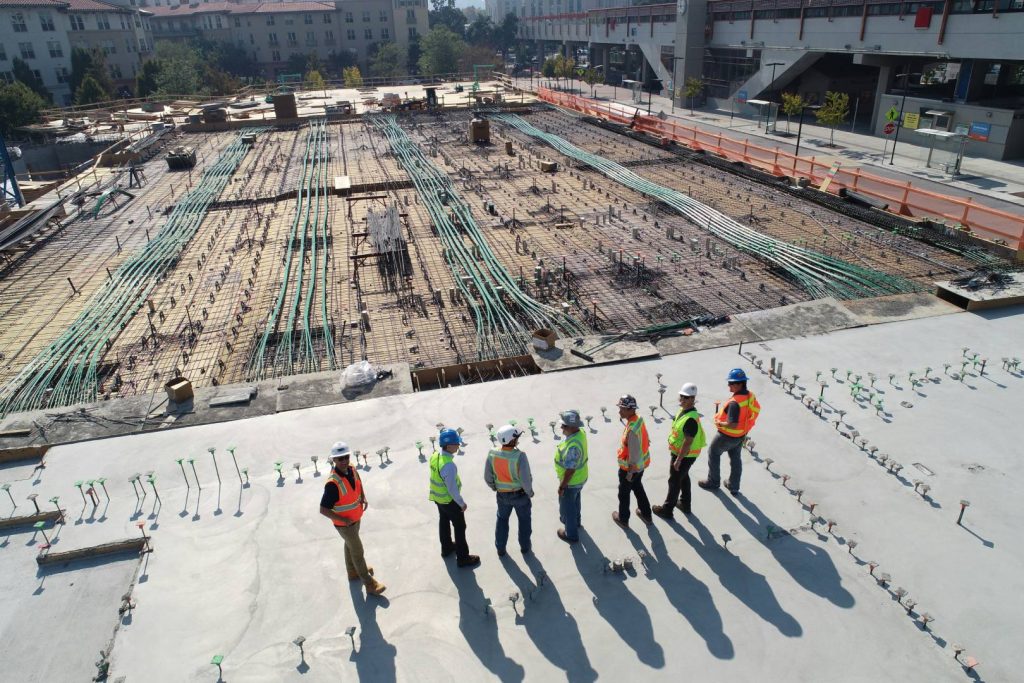
When considering the benefits of concrete in construction, it’s clear that this material offers a level of dependability that is unmatched by many alternatives. The advantages extend far beyond just its strength and stability. Concrete’s ability to withstand various environmental factors and its resistance to fire and moisture make it a top choice for builders around the world. Its reliability is not only evident in its initial use but also in its long-term performance, ensuring that your structures remain solid and secure for years to come. Key Takeaways Concrete offers durability and longevity, withstanding harsh conditions for decades. Its strength and structural integrity make it ideal for supporting heavy loads. Concrete is cost-effective, requiring minimal upkeep and offering long-term savings. Its versatility in design and applications suits various architectural styles and project types. Durability and Longevity Highlighting the durability and longevity of concrete, it withstands harsh weather conditions and provides a reliable foundation for long-term construction projects. Concrete’s resistance to weathering, erosion, and extreme temperatures makes it a top choice for various structures. Its inert properties prevent chemical reactions that can degrade other materials over time. When properly mixed and cured, concrete can last for decades without significant deterioration. The key to concrete’s durability lies in its composition. The combination of cement, aggregates, and water creates a solid matrix that can bear heavy loads and withstand environmental stresses. The dense nature of concrete also helps in preventing water penetration, reducing the risk of corrosion for reinforcing steel. In addition to its strength, concrete’s ability to resist fire makes it a preferred material for building safety. Its slow rate of heat transfer provides crucial time for evacuation during emergencies. Overall, the durability and longevity of concrete ensure the longevity and stability of construction projects, making it a cornerstone in the industry. Strength and Structural Integrity With its foundational durability established, the focus now shifts to understanding the strength and structural integrity of concrete in construction. Concrete’s strength is one of its most valuable attributes, capable of withstanding heavy loads and high pressures. Its compressive strength, measured in pounds per square inch (psi), typically ranges from 2500 psi to 7000 psi, making it ideal for supporting structures like buildings, bridges, and dams. Reinforced concrete further enhances its strength by incorporating steel bars to resist tensile forces, creating a composite material that excels in both compression and tension. Structural integrity refers to concrete’s ability to maintain its form and function under various conditions. Concrete structures exhibit excellent resistance to fire, moisture, and environmental factors, ensuring long-term stability. The material’s homogeneous composition minimizes the risk of structural failure, providing reliable support for decades. Engineers rely on concrete’s predictable behavior and high strength-to-weight ratio to design efficient and safe structures that meet stringent building codes and standards. In essence, concrete’s strength and structural integrity make it a cornerstone of modern construction practices. Cost-Effectiveness and Affordability Concrete’s cost-effectiveness and affordability stem from its versatile nature and long-term performance benefits in construction projects. Here are some key reasons why concrete stands out as a cost-effective option: Durability: Concrete structures have a longer lifespan compared to other materials, reducing the need for frequent repairs or replacements. Energy Efficiency: Concrete’s thermal mass properties help buildings maintain consistent internal temperatures, reducing the need for excessive heating or cooling. Low Maintenance Costs: Once properly constructed, concrete requires minimal upkeep, saving on maintenance expenses over time. Economic Value: Concrete’s affordability in terms of initial construction costs, combined with its long-term benefits, makes it a financially sound choice for various projects. Versatility in Design and Applications An essential feature of concrete in construction lies in its remarkable adaptability in various design schemes and practical applications. Concrete offers versatility that allows for diverse architectural styles and structural forms. Its moldable nature enables the creation of intricate shapes, curves, and textures, making it suitable for modern, minimalist, or traditional designs. Whether you seek a sleek, contemporary look or a more rugged, industrial aesthetic, concrete can be customized to meet your requirements. In addition to its design flexibility, concrete excels in a wide range of applications. From foundations to walls, floors, and facades, concrete proves to be a robust and reliable material. It’s commonly used in residential, commercial, and industrial construction projects due to its durability and strength. Concrete is also employed in infrastructure projects like bridges, tunnels, and roads, showcasing its adaptability to various construction needs. Its versatility extends to decorative elements such as countertops, sinks, and fireplace surrounds, adding a touch of sophistication to interior spaces. Low Maintenance Requirements Maintaining concrete structures requires minimal effort due to its inherent durability and resilience against environmental factors. Concrete’s low maintenance requirements make it a popular choice in construction for various applications. Here’s why: Longevity: Concrete structures have a long lifespan and require less frequent repairs compared to other materials, reducing the need for constant maintenance. Weather Resistance: Concrete is resistant to weathering, erosion, and corrosion, making it ideal for withstanding harsh environmental conditions without deteriorating quickly. Easy to Clean: Routine cleaning of concrete surfaces with water and mild detergent is typically all that’s needed to keep them looking new and well-maintained. Sealing Options: Applying sealants to concrete surfaces can further enhance their durability and reduce maintenance needs by protecting against stains, moisture, and wear. Frequently Asked Questions How Does Concrete Compare to Other Construction Materials in Terms of Environmental Impact? When comparing concrete to other construction materials in terms of environmental impact, you’ll find that concrete can have a significant carbon footprint due to its production process, but advancements like using recycled materials aim to reduce this impact. Can Concrete Be Easily Recycled or Repurposed at the End of Its Lifecycle? Concrete can be recycled or repurposed at the end of its lifecycle. You can crush it into aggregate for new concrete, use it as fill material, or even create decorative elements. This process contributes to sustainability in construction. Are There Any Disadvantages or Limitations to Using Concrete in Construction Projects? When using concrete in
Ready-Mix Construction Materials – 5 Benefits for Builders
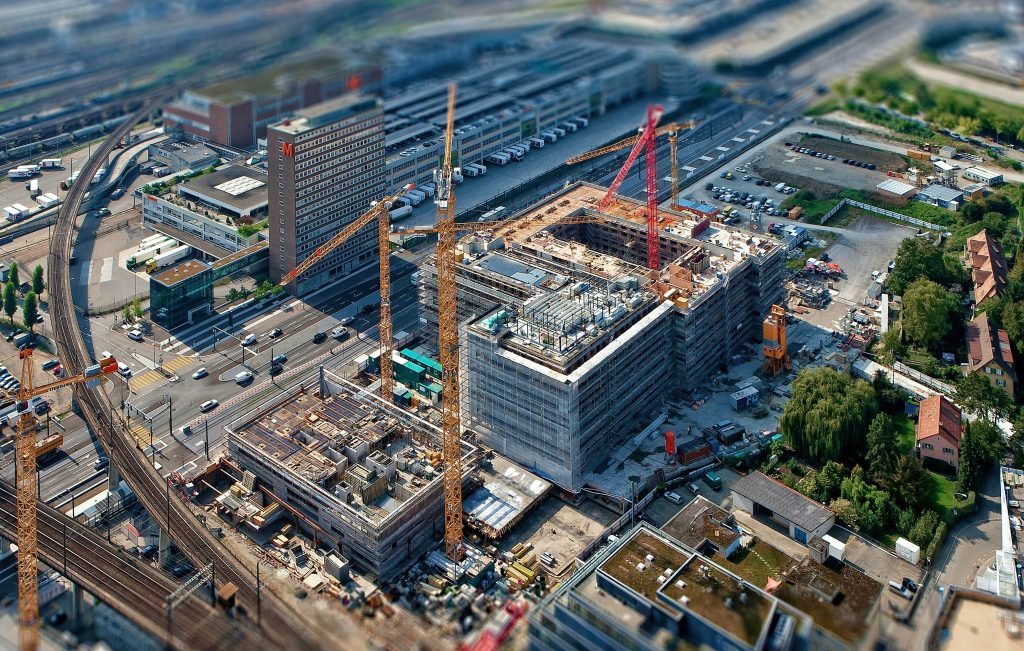
Imagine a world where your construction projects run like a well-oiled machine, with precision and speed. Ready-mix construction materials offer you a ticket to that world, where time is money, and every moment saved counts towards your bottom line. But, it’s not just about the clock ticking — the benefits of these materials go deeper, impacting various aspects of your projects. So, how exactly can ready-mix materials change the game for you as a builder? Key Takeaways Ready-mix materials save time by reducing project timelines and ensuring precise mixtures. Cost-effective benefits include lower labor costs, controlled batching, and minimal material wastage. Quality assurance is guaranteed with consistent quality, optimal strength, and enhanced durability. Environmental sustainability is promoted through reduced carbon footprint, optimized material usage, and efficient transportation. Time-Saving Benefits By utilizing ready-mix construction materials, you can significantly reduce project timelines and streamline the construction process. Ready-mix materials, such as concrete, are premixed in specific proportions at a plant before being delivered to the construction site. This eliminates the need for on-site mixing, which can be time-consuming and labor-intensive. When you opt for ready-mix materials, you benefit from the precise mixture tailored to your project requirements. This consistency ensures that the materials meet quality standards, reducing the likelihood of errors that could delay the project. Additionally, the uniformity of ready-mix materials results in faster construction progress, as there’s no time wasted adjusting mixtures or waiting for materials to be prepared on-site. Another time-saving aspect of ready-mix materials is the reduced cleanup and waste generation. Since the materials are delivered ready to use, there’s minimal leftover material to dispose of, saving time and effort typically spent on cleaning up after mixing traditional materials. Overall, the efficient nature of ready-mix construction materials can lead to significant time savings on your construction projects. Enhanced Project Efficiency Utilizing ready-mix construction materials not only saves time but also enhances project efficiency by ensuring consistent quality and reducing errors in the construction process. The precise mixture of materials in ready-mix products eliminates the variability that can occur when mixing materials on-site. This consistency leads to a higher quality end product with uniform characteristics throughout the project. By using ready-mix materials, you streamline the construction process, as these products are manufactured under controlled conditions to meet specific standards. This standardized production results in reliable performance and minimizes the risk of errors that could arise from inconsistent material proportions or quality variations. Additionally, the ready-to-use nature of these materials eliminates the need for on-site mixing, reducing labor requirements and the potential for mistakes in mixing ratios. Furthermore, the efficient delivery of ready-mix materials directly to the construction site saves time and eliminates the logistical complexities associated with sourcing and transporting individual components. This streamlined process enhances overall project efficiency by allowing for a more organized and systematic construction workflow. Cost-Effectiveness Advantages Enhancing cost-effectiveness through the utilization of ready-mix construction materials involves optimizing resource allocation and minimizing wastage. By using ready-mix materials, you can significantly reduce labor costs associated with on-site concrete mixing. The controlled batching process ensures precise material proportions, reducing the likelihood of errors and the need for rework. This accuracy leads to lower material wastage, as only the exact amount needed is mixed for each project phase. Moreover, ready-mix materials are delivered directly to the construction site, eliminating the need for on-site storage facilities and the associated costs. This streamlines the construction process, saving time and reducing overhead expenses. Additionally, the consistent quality of ready-mix materials minimizes the risk of project delays caused by material inconsistencies or failures. Quality Assurance Benefits Maximizing construction quality involves leveraging the assurance benefits inherent in utilizing ready-mix materials. When it comes to quality assurance, ready-mix construction materials offer several advantages that can significantly benefit builders: Consistent Quality: Ready-mix materials are produced in controlled environments using precise formulas, ensuring consistent quality in every batch. Strength Performance: These materials are tested rigorously to meet industry standards, guaranteeing optimal strength performance for your construction projects. Durability: Ready-mix materials are designed to enhance the durability of structures, providing long-lasting results that withstand various environmental conditions. Reduced Risk of Errors: With ready-mix materials, the risk of human errors in mixing proportions is minimized, leading to a more reliable construction process. Environmental Sustainability Impact Ready-mix construction materials have a significant environmental sustainability impact due to their reduced carbon footprint compared to traditional on-site mixing methods. The production process of ready-mix materials allows for better control over the mix design, leading to optimized material usage and minimized waste. This precision in mixing also results in lower energy consumption during production, further reducing the environmental impact. Additionally, the transportation of ready-mix materials to the construction site is more efficient compared to transporting individual raw materials for on-site mixing. This efficiency leads to decreased fuel consumption and fewer emissions, contributing to overall environmental sustainability efforts. Furthermore, the use of ready-mix materials can help in conserving natural resources by reducing the need for on-site storage of raw materials, which can lead to habitat destruction and land degradation. Frequently Asked Questions Can Ready-Mix Construction Materials Be Customized for Specific Project Requirements? Yes, ready-mix construction materials can be customized for specific project requirements. You can adjust the mix design to meet strength, durability, and other criteria. This flexibility allows for tailored solutions that optimize performance and efficiency on-site. What Are Some Common Challenges Builders May Face When Using Ready-Mix Construction Materials? Navigating ready-mix materials can be like untangling a complex puzzle. Challenges builders might encounter include inconsistent mixtures, setting time variations, and transportation issues. Address these with proper planning and quality control measures. How Do Ready-Mix Construction Materials Contribute to Worker Safety on Construction Sites? Ready-mix construction materials enhance worker safety on sites by reducing manual labor, minimizing dust exposure, and ensuring consistent quality. Workers benefit from fewer physical strain injuries and improved air quality, leading to a safer environment. Are There Any Limitations to Using Ready-Mix Construction Materials in Certain Types of Projects? When using ready-mix construction materials, keep in mind
What Type of Concrete Is Used in Residential Buildings?

Imagine you’re designing your dream home and you’ve chosen high-strength concrete for its durability and resistance to weathering. This choice might seem straightforward, but the variety of concrete types used in residential buildings is vast and selecting the right one can significantly impact both construction and living quality. From lightweight concrete that ensures easier handling and better thermal insulation to fibre-reinforced options offering enhanced toughness, each type serves a unique purpose. You might wonder how these materials compare and which is best suited for your project. Let’s explore this further and uncover the optimal choice for your residential needs. Key Takeaways – Lightweight concrete is preferred for its thermal insulation and speed of construction advantages. – High-strength concrete is chosen for its durability and innovative design possibilities. – Insulating Concrete Forms (ICFs) are used for their energy efficiency and sound dampening properties. – Fibre-reinforced concrete offers enhanced durability with reduced need for steel reinforcement. Understanding Lightweight Concrete Lightweight concrete, characterised by its reduced mass yet structural integrity, offers a versatile solution in residential construction, optimising thermal insulation and seismic performance. You’re looking at a material that, by its nature, provides significant lightweight advantages, including easier handling, reduced transportation costs, and less strain on structural components. This isn’t just about weight; it’s about how this reduction can lead to broader design possibilities and cost savings in the foundation and supportive structures. Delving into production methods, you’ll find that lightweight concrete is typically made using lightweight aggregates or by incorporating voids within the mix, which can be achieved through various techniques such as adding foaming agents or air-entraining admixtures. These methods not only reduce the density but also maintain the material’s mechanical properties, ensuring it meets the necessary strength requirements for residential applications. Analysing these characteristics, it’s clear that the appeal of lightweight concrete in residential building projects isn’t just its physical attributes but also the efficiency it brings to construction processes. From speeding up construction times due to its ease of handling to enhancing energy efficiency through its insulative properties, lightweight concrete represents a refined choice for modern residential construction. Exploring High-Strength Concrete High-strength concrete, surpassing conventional concrete’s performance metrics, offers enhanced durability and load-bearing capacity critical for modern residential structures. This advancement in concrete technology addresses the key durability concerns that plague traditional concrete, including cracking, spalling, and moisture penetration. By employing a meticulously engineered mix design, which often includes supplementary cementitious materials and fibres, high-strength concrete achieves its superior properties. Consequently, it provides a robust foundation and structural integrity that withstand the test of time and harsh environmental conditions. A cost analysis reveals that while the initial outlay for high-strength concrete may be higher than that of conventional concrete, the investment pays off in the long run. The increased durability and extended lifespan of structures built with high-strength concrete significantly reduce maintenance and repair costs. Furthermore, its ability to bear greater loads allows for more innovative architectural designs and the efficient use of space, potentially leading to savings in other construction aspects. Therefore, when considering the overall lifecycle costs and benefits, high-strength concrete emerges as a financially sound choice for residential construction, balancing upfront expenses with long-term savings and performance advantages. Benefits of Insulating Concrete Forms Building on the advancements of high-strength concrete, Insulating Concrete Forms (ICFs) offer a unique combination of thermal insulation and structural strength, presenting an efficient solution for energy-conscious residential construction. When you opt for ICFs in your build, you’re not just choosing a construction material; you’re investing in a system that brings measurable benefits in terms of energy efficiency and sound reduction, among others. Let’s delve into why ICFs stand out: – Energy Efficiency: ICF walls significantly reduce the amount of energy required to heat or cool your home, thanks to their high thermal resistance. This can lead to substantial savings on your utility bills over time, making ICFs a smart choice for anyone looking to build an energy-efficient home. – Sound Reduction: The density and mass of ICF walls offer exceptional sound dampening properties. This means a quieter interior environment, free from the intrusion of external noises, whether it’s traffic, neighbourhood activity, or nature’s elements. – Durability: ICFs are known for their strength and resistance to natural disasters such as hurricanes and tornadoes. Their robust nature translates into a long-lasting structure with reduced maintenance costs over time. Choosing ICFs for your residential construction project brings you closer to achieving an energy-efficient, quiet, and durable home. Applications of Fiber-Reinforced Concrete Fibre-reinforced concrete, a composite material known for its enhanced durability and tensile strength, opens up a myriad of applications in residential construction, offering homeowners a robust solution for various structural and aesthetic needs. This advanced concrete type integrates fibres, which can be steel, glass, synthetic, or natural, into traditional concrete mix, significantly elevating its crack resistance and longevity. The durability advantages of fibre-reinforced concrete are evident in its use in driveways, patios, and swimming pools where resilience against cracking under load and exposure to elements is crucial. Moreover, its application in structural components like beams, columns, and slabs introduces an extra layer of strength, reducing the need for conventional steel reinforcement. This not only enhances structural integrity but also streamlines the construction process. However, it’s essential to weigh the cost implications. Initially, fibre-reinforced concrete might present a higher upfront cost due to the specialised materials and mixing techniques required. Yet, when considering the lifespan and reduced maintenance requirements, the investment pays off, making it a cost-effective option in the long term for residential projects seeking durability without compromising on quality. Choosing the Right Concrete Mix Selecting the appropriate concrete mix is crucial for ensuring the structural integrity and longevity of your residential project. The choice you make affects not just the construction phase but the entire lifespan of your home. Adhering to mix design principles and considering environmental impact
What Is the Importance of a Concrete Pump?

Did you know that concrete pumps increase construction efficiency by up to 50%? As you consider the various challenges in modern construction, the importance of a concrete pump cannot be overstated. It’s not just about speeding up the process; these machines transform how you approach difficult-to-reach areas, improve pouring precision, and significantly cut down on waste and related costs. Moreover, they’re pivotal in elevating the overall quality of construction projects. Let’s explore how this piece of equipment has become an indispensable tool in the construction industry, and why overlooking its capabilities could be a missed opportunity for innovation and efficiency in your projects. Key Takeaways – Concrete pumps enhance construction efficiency by speeding up timelines and reducing manual labour. – They enable precise concrete placement in hard-to-reach areas, improving both safety and quality. – By minimising waste and accurately delivering needed materials, concrete pumps help reduce overall project costs. – The use of advanced pumping technology and operator training elevates construction quality and facilitates the execution of complex designs. Enhancing Construction Efficiency How does a concrete pump drastically enhance construction efficiency? By streamlining the concrete placement process, it not only accelerates construction timelines but also significantly reduces the need for manual labour. The incorporation of a concrete pump into your project’s workflow means you’re leveraging a powerful tool that moves concrete to precise locations through a controlled, efficient manner. This mechanised approach minimises the physical strain on workers and cuts down on the manpower required on-site, leading to a direct reduction in labour costs. Moreover, the use of concrete pumps inherently improves safety protocols. With less manual handling of concrete, there’s a reduced risk of injuries associated with heavy lifting and repetitive movements. This not only ensures a safer work environment but also contributes to the overall efficiency of the construction process by reducing downtime associated with workplace accidents. In essence, the integration of a concrete pump into construction projects offers a two-fold advantage: it significantly lowers manpower requirements while simultaneously upholding stringent safety standards. This dual benefit plays a crucial role in enhancing construction efficiency, making concrete pumps an indispensable tool in the modern construction landscape. Improving Pouring Precision Beyond enhancing efficiency and safety, incorporating a concrete pump significantly improves the precision of concrete pouring, directly impacting project quality and integrity. With the precision that a concrete pump provides, operators can place the concrete exactly where it’s needed, in the right quantity, and at the optimal speed. This level of control is crucial for achieving the desired structural strength and aesthetics of the project. Key to maximising pouring precision includes: – Rigorous operator training: Ensures operators are adept in handling machinery with finesse, reducing human error. – Strict maintenance protocols: Keeps the pump in optimal condition, preventing malfunctions that can lead to inaccuracies. – Continuous monitoring during pouring: Allows for immediate adjustments, ensuring the concrete’s placement is as planned. – Use of advanced pumping technology: Offers superior control over the flow and direction of concrete. – Collaboration between teams: Ensures that the concrete mix and delivery timing align perfectly with the pumping process. These elements combined ensure that a concrete pump not only enhances the efficiency and safety of a construction project but also elevates the precision of concrete pouring to new heights, reflecting directly on the project’s overall success. Accessing Hard-to-Reach Areas Navigating through the complexities of construction, a concrete pump effortlessly reaches areas that are otherwise inaccessible, ensuring no part of the project is left untouched by precision. This machinery’s design caters to the unique challenges presented by construction sites, where terrain or obstacles may restrict traditional methods. By implementing a concrete pump, you’re not just opting for efficiency; you’re prioritising safety considerations. The direct delivery of concrete to specific locations minimises the need for manual handling, reducing the risk of accidents and injuries on site. Equipment versatility stands as a cornerstone of a concrete pump’s value, adapting to various environments with ease. Whether it’s extending over water, navigating through narrow spaces, or reaching over buildings, the flexibility of this machinery is unmatched. This adaptability ensures that regardless of the logistical challenges presented by a construction project, a concrete pump provides a solution that’s not only practical but also safeguards the well-being of the workforce. In essence, the ability of concrete pumps to access hard-to-reach areas isn’t just about overcoming physical barriers; it’s about enhancing safety, showcasing equipment versatility, and ensuring that every corner of a project receives the attention it demands with unmatched precision. Reducing Waste and Costs A concrete pump significantly reduces waste and costs by delivering the exact amount of material needed directly to the site, eliminating excess and inefficiency. This precision in material delivery not only ensures material conservation but also minimises the environmental impact associated with the production and transportation of extra materials. By optimising the amount of concrete used, you’re not just saving on material costs but also contributing to a more sustainable construction practice. Here are key benefits of using a concrete pump for reducing waste and costs: – Efficient use of materials: Ensures every batch of concrete is utilised to its full potential, leaving minimal leftovers. – Lower transportation costs: Reduces the need for multiple deliveries, cutting down on fuel consumption and emissions. – Reduced labour costs: Streamlines the pouring process, requiring fewer workers to manage and direct the concrete. – Minimised spillage: Precise pumping reduces spillage on site, keeping the area cleaner and safer. – Enhanced project timelines: Speeds up the construction process by ensuring timely and accurate concrete placement. Through these advantages, it’s clear that concrete pumps play a pivotal role in enhancing material efficiency and mitigating the environmental footprint of construction projects. Elevating Construction Quality While reducing waste and costs is crucial, employing a concrete pump also significantly enhances construction quality by ensuring uniform and precise concrete
How Do Concrete Pumps Work so Efficiently?
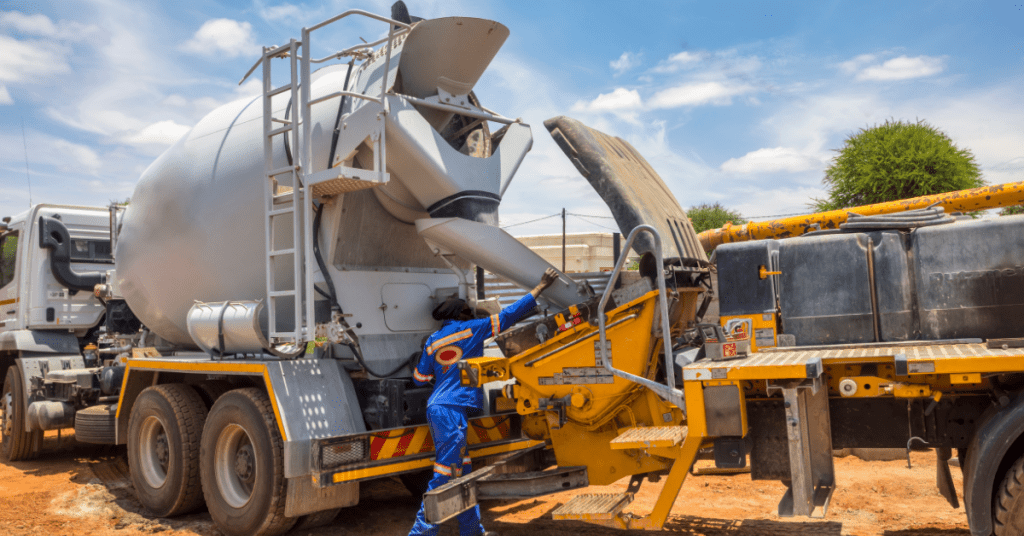
As the saying goes, ‘time is money,’ and in the construction industry, this couldn’t be truer, especially when it comes to laying concrete. You’ve likely seen concrete pumps at work, marvelling at their efficiency and speed, but have you ever wondered how they manage to be so effective? At the heart of their operation lies a sophisticated blend of core components and hydraulic systems, all working in unison to place concrete precisely where it’s needed, without the backbreaking labour traditionally associated with such tasks. But what makes these machines tick, and how are they evolving to meet the demands of modern construction? By understanding these aspects, you’ll uncover the secret behind their efficiency and get a glimpse into the innovations shaping their future. Key Takeaways – Hydraulic systems generate high pressure for efficient concrete movement and precise control of pump speed and output. – Advanced pumping technology and skilled operator adjustments ensure fast, high-quality concrete placement based on material behaviour. – Regular maintenance and monitoring of components like valves and pumping cylinders minimise downtime, enhancing overall efficiency. – Innovations like automated control systems and eco-friendly materials aim to improve productivity and environmental sustainability in concrete pumping. Understanding Concrete Pumps To grasp the mechanics behind concrete pumps, it’s essential to understand they’re sophisticated machines designed to transport liquid concrete from one location to another efficiently. These machines play a pivotal role in modern construction, allowing for the rapid and precise placement of concrete even in locations that are difficult to reach by traditional methods. However, their sophistication comes with a set of maintenance requirements and operational safety measures that you mustn’t overlook. Maintenance requirements are integral to ensuring these machines operate at their peak performance. Regular checks and servicing prevent mechanical failures that can lead to costly downtimes. You’re looking at maintaining hydraulic systems, checking for wear and tear in the hoses, and ensuring the pumping mechanism is free from blockages. Each of these tasks requires a keen eye for detail and an understanding of the machine’s workings. Operational safety, on the other hand, is paramount. Concrete pumps operate under high pressure, and mishandling can lead to accidents. You need to be well-versed in safety protocols, such as ensuring the pump is correctly set up and stabilised, operators are wearing the proper safety gear, and the area is clear of obstructions and personnel during pumping. Understanding these aspects ensures not only the efficient operation of concrete pumps but also the safety of all involved. Core Components and Function How do the core components of a concrete pump work together to streamline the construction process? At its heart, a concrete pump comprises a hopper, valve system, pumping cylinders, and a concrete delivery pipeline. Each component is crucial for efficiently handling the viscous nature of concrete, a mix whose material characteristics can vary significantly. The hopper serves as the initial receiving point for the concrete mix, ensuring a smooth flow into the pumping system. It’s designed to handle various material characteristics, from fluidity to aggregate size, without causing blockages. Regular maintenance protocols are essential here to prevent any residue build-up, which could impede the concrete flow. The valve system, typically either a ball or S-valve, directs the flow of concrete from the hopper into the pumping cylinders. This precision ensures a continuous and controlled delivery of concrete through the delivery pipeline. The choice between a ball or S-valve depends on the specific material characteristics of the concrete mix, with maintenance protocols tailored to each valve type to ensure longevity and reliability. Pumping cylinders then create the necessary pressure to push the concrete through the pipeline, where it’s finally delivered to its destination. The efficiency of these cylinders directly impacts the pump’s overall performance, necessitating stringent maintenance protocols to avoid any downtime. The Role of Hydraulic Systems Understanding the mechanics behind concrete pumps necessitates a closer look at hydraulic systems, which play a pivotal role in powering the pump’s core components. You’ll find that these systems leverage fluid dynamics to convert mechanical power into fluid power, thus driving the pump’s operations with exceptional efficiency. Here’s how hydraulic systems enhance the functionality of concrete pumps: Pressure Generation: Hydraulic systems generate high pressure, necessary for moving concrete through the pumping system. This process relies on the basic principles of fluid dynamics, ensuring that the concrete can be pumped over significant distances and heights. Control and Precision: By controlling the flow of hydraulic fluid, operators can precisely manage the pump’s speed and output, allowing for meticulous control over the concrete placement process. Energy Efficiency: Hydraulic systems are designed to maximise power conversion efficiency, minimising energy waste and ensuring that the pump operates as efficiently as possible. Hydraulic Maintenance: Regular maintenance of the hydraulic system is crucial. It involves checking for leaks, monitoring fluid levels, and replacing filters. Proper hydraulic maintenance ensures that the pump operates smoothly, preventing downtime and extending the equipment’s lifespan. Hydraulic systems are indispensable to the operation of concrete pumps, providing the power and control necessary to move concrete efficiently. Efficiency in Concrete Placement Efficient concrete placement hinges on the seamless integration of advanced pumping technology and precise operational techniques, ensuring that construction projects meet their timelines and quality standards. You’ve got to understand that the material characteristics of concrete significantly influence the efficiency of its placement. Viscosity, slump, and aggregate size all dictate the pumping pressure and speed required to move concrete through the hose or pipe without causing segregation or blockages. Incorporating the right placement strategies is paramount. It’s not just about moving concrete from point A to B; it’s about doing it in a way that maintains the integrity of the material while optimising the speed of placement. Techniques such as using the correct hose diameter, planning the route to minimise bends, and employing skilled operators who can adjust the pump speed based on the
What Are the Important Parameters of Concrete Pumps?

Choosing the right concrete pump is akin to finding a needle in a haystack, given the myriad of options available. You’re about to embark on a journey to understand the crucial parameters that will guide your selection. From assessing the pump’s capacity and power source to evaluating its pressure capabilities and the compatibility of concrete mix, each aspect plays a pivotal role. Let’s not forget the significance of hose and boom reach in facilitating your construction projects. As we explore these parameters, you’ll uncover insights that could very well be the difference between a project’s success and its failure. Let’s navigate this landscape together, shall we? Key Takeaways – Choose a pump with a capacity that matches the scale of the project for optimal efficiency. – Consider the power source; electric pumps are cleaner and quieter, while diesel pumps offer robust performance. – Ensure the pump has adequate pressure and a suitable delivery rate to meet the demands of the project. – Select a pump compatible with the concrete mix, considering aggregate size and mix design to prevent blockages. Pump Capacity and Output Understanding the pump capacity and output is crucial as it directly influences the efficiency and effectiveness of concrete delivery in construction projects. Pump capacity, often measured in cubic yards per hour, determines the volume of concrete that can be moved within a specific timeframe. You need to select a pump with a capacity that matches your project’s scale and speed requirements to maintain operational efficiency and avoid bottlenecks. Output, on the other hand, refers to the pressure and velocity at which concrete is pumped through the delivery system. This parameter is essential for ensuring the concrete reaches its destination without segregation or loss of material properties. High-output pumps are necessary for projects with long-distance delivery or significant vertical pumping requirements. Moreover, the choice of pump capacity and output has a direct impact on maintenance frequency. Pumps operating near or at their maximum capacity consistently are more prone to wear and tear, leading to increased downtime and maintenance costs. To optimise operational efficiency, it’s vital to select a pump with slightly higher capacity and output than the minimum requirements. This strategy not only accommodates potential increases in demand but also reduces the strain on the pump, thereby extending its service life and reducing maintenance needs. Power Source and Type After examining pump capacity and output, it’s crucial to consider the power source and type of concrete pump you select as these factors significantly influence the pump’s performance and adaptability to various construction environments. The power source of a concrete pump can either be electric or diesel. Each comes with its own set of advantages and considerations, particularly regarding fuel efficiency and maintenance requirements. Diesel-powered pumps are known for their robust performance and high durability in remote and rugged environments. They offer the flexibility to work in areas without access to electrical power. However, you need to factor in their fuel efficiency and the rising cost of diesel. Additionally, diesel engines require regular maintenance to ensure longevity and optimal performance. On the other hand, electric concrete pumps are celebrated for their fuel efficiency and lower emissions. They’re ideal for indoor or urban construction sites where noise and pollution regulations are strict. Yet, their dependency on a reliable electrical source may limit their use in remote locations. Electric pumps often have lower maintenance requirements than their diesel counterparts, making them a cost-effective option in the long run for projects with easy access to electrical power. Pressure and Delivery While considering the power source and type of concrete pump, it’s equally crucial to examine the pressure and delivery capabilities, as these directly affect the pump’s efficiency and range of application in construction projects. The pressure rating, measured in bars or psi, determines the force at which concrete is ejected from the pump. This is a critical factor for projects requiring concrete to be pumped over long distances or to great heights. A pump with insufficient pressure won’t meet the demands of high-rise construction, leading to delays and increased costs. On the other hand, the delivery rate, often expressed in cubic metres per hour, impacts how quickly a project progresses. A higher delivery rate boosts operational efficiency, allowing more concrete to be placed in less time. However, it’s important to balance the delivery rate with the project’s needs to avoid unnecessary fuel consumption and reduce wear and tear on the pump. Regular maintenance schedules are pivotal for sustaining both pressure and delivery capabilities. Without proper upkeep, a pump’s performance can significantly decline, impacting both operational efficiency and the overall timeline of construction projects. Maintenance ensures that every component functions optimally, preserving the pump’s capacity to meet the rigorous demands of diverse construction environments. Hose and Boom Reach Having examined the critical aspects of pressure and delivery, it’s essential to focus now on hose and boom reach, as these components significantly influence a concrete pump’s operational efficacy and adaptability on site. Hose durability and boom flexibility are paramount in navigating the complex and varied terrains often encountered in construction projects. Hose durability isn’t just about withstanding the abrasive nature of concrete; it’s also about flexibility and resistance to kinks and wear over time. A durable hose ensures consistent delivery without the risk of blockages or leaks, which can cause delays and increase project costs. On the other hand, boom flexibility directly impacts the pump’s ability to reach different areas without moving the entire unit. A boom with high flexibility can manoeuvre around obstacles, extend to higher floors, or reach over buildings, significantly improving the pump’s utility and reducing the need for manual labour. The combination of a durable hose and a flexible boom optimises the concrete pump’s functionality, making it possible to deliver concrete efficiently, even in the most challenging environments. This synergy between hose durability and boom flexibility
How to Create a Long-Lasting and Durable Concrete Driveway

Having a concrete driveway is a great addition to your property not only because it looks visually appealing but also because it’s sturdy and durable. Concrete driveways are known to withstand heavy loads and harsh weather conditions, so you know that it’s worth investing time and money into creating a quality driveway. If you’re interested in learning how to create a concrete driveway that can last for years to come, keep on reading. 1. Prepare the Ground: The first step is to prepare the ground where the concrete driveway will be placed. Make sure the area is free of any debris or large rocks. You can use a bobcat or a backhoe to scoop out the dirt and level the ground. Once the ground is level, add a layer of gravel to ensure proper drainage. 2. Reinforce the Concrete: To ensure that the concrete driveway can withstand heavy loads, you’ll need to reinforce it. Use a wire mesh or rebar to add strength to the concrete. You can easily find wire mesh and rebar at your local hardware store. Place the wire mesh or rebar over the layer of gravel before pouring the concrete. 3. Pour the Concrete: Once the ground is prepared and the reinforcing material is in place, you can start to pour the concrete. Depending on the size of your driveway, you might need to get a cement truck to deliver the material. Use a concrete pump or wheelbarrow to move the cement from the truck to the driveway. Pour the concrete evenly and use a screed to level the surface. 4. Add a Finishing Touch: After the concrete has been poured and levelled, it’s time to add a finishing touch. You can add a decorative element to your driveway by stamping or staining the concrete. You can also create patterns and borders to make your driveway stand out. Make sure to seal the concrete to protect it from staining. 5. Maintain the Driveway: Now that your concrete driveway is complete, it’s important to maintain it properly. Regularly sweep or use a leaf blower to remove dirt and debris. Wash the driveway with a pressure washer to keep it clean. Avoid using de-icing chemicals as these can damage the surface. Conclusion: Creating a concrete driveway requires a bit of work, but the end result is worth it. By following these steps, you can create a durable and long-lasting driveway that can withstand heavy loads and harsh weather conditions. Remember to properly prepare the ground, reinforce the concrete, pour the material evenly, add a finishing touch, and maintain the driveway regularly. With proper care, your concrete driveway can last for many years to come.
Tips to Successfully Pour Ready Mix Concrete in Cold Weather Conditions
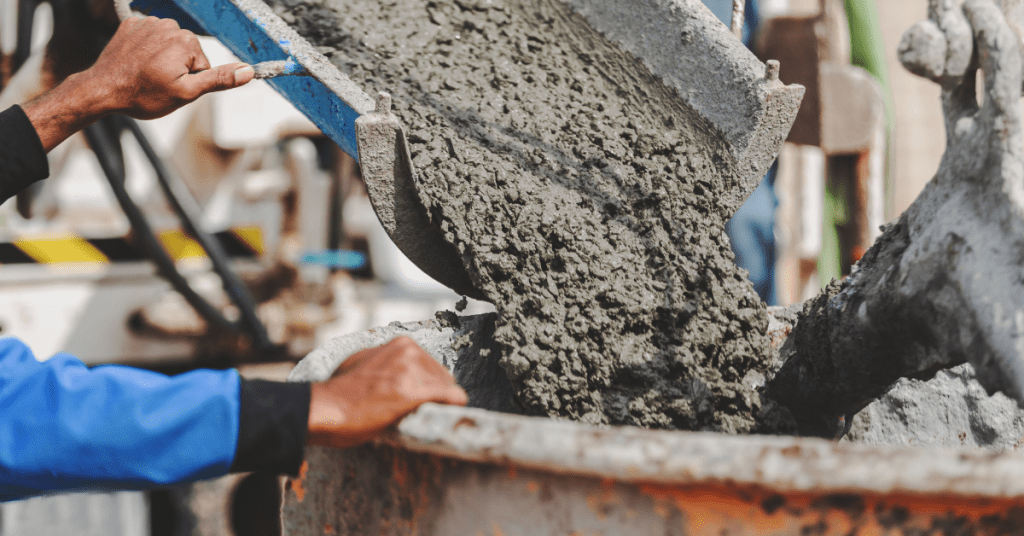
As reliable and easy to use as ready mix concrete is, pouring it in cold weather can pose unique challenges. Extremely low temperatures can cause the water in the mix to freeze and expand, potentially causing the concrete to crack and weaken. If you find yourself with no other option but to pour in cold weather, fear not! Here are some tips to ensure your ready mix concrete pours smoothly, stays strong, and achieves optimum strength and durability. Create the ideal temperature for pouring. The best time to pour ready mix concrete in cold weather is during the milder part of the day, usually above 5°C (40°F). If the forecast is below freezing, plan to pour during the warmest hours of the day when the temperature spikes. Proper heating should be considered, and a temperature range of 10°C – 15°C (50°F – 60°F) is ideal for pouring the concrete. If using concrete blankets, make sure you’re getting enough coverage to warm the mix. Use warm ingredients. Cold weather can reduce the temperature of your ready mix concrete. To prepare for this, make sure to order warm aggregates and sand or store them in a warm space before using them to mix the concrete. Additionally, warm the water, cement, and any admixtures before pouring. Keep in mind that adding hot water to the ready mix can produce cracks. Adjust the mix design. To cater to the cold weather, using portland cement in the mix instead of blended cement can help prevent the concrete from freezing up. Adding more cement is also an option if you don’t want to limit the cold-weather usage of your concrete. If you need the mix to set quickly, using a warmer water temperature will speed up the setting time. Keep the thickness in check. Keep the pour thickness of your concrete to a minimum of 4 inches but ensure that the thickness is consistent throughout the job site. The thicker the pour, the more time it takes for the concrete to set, and the more likely it is to be affected by low temperatures. If you have concerns about the cold weather accommodating the thickness of your pour, consider using an accelerator or a steam curing system to speed up the hardening process. Cover and protect your concrete. Avoid pouring concrete in freezing, rainy or snowy conditions. Snow and rain droplets can reduce the surface tension of the concrete and can also cause surface depressions in the concrete. After pouring, cover the concrete with insulating blankets immediately to retain the warmth in the mix. Letting the concrete freeze over and then thaw can lead to a weakened surface layer. Always be prepared with tarps and other protectors, as these are essential when pouring in cold weather. Conclusion: When pouring ready mix concrete in cold weather, the best defense is preparation and diligence. The temperature, materials, and mix design are all critical factors that must be well-considered to ensure that the concrete sets up properly and achieves the required strength and durability. Despite the challenges that come with pouring in cold climates, careful planning and execution will ensure that your project is a success.