
How Does the Weather Affect the Setting Time of Ready Mix Concrete?
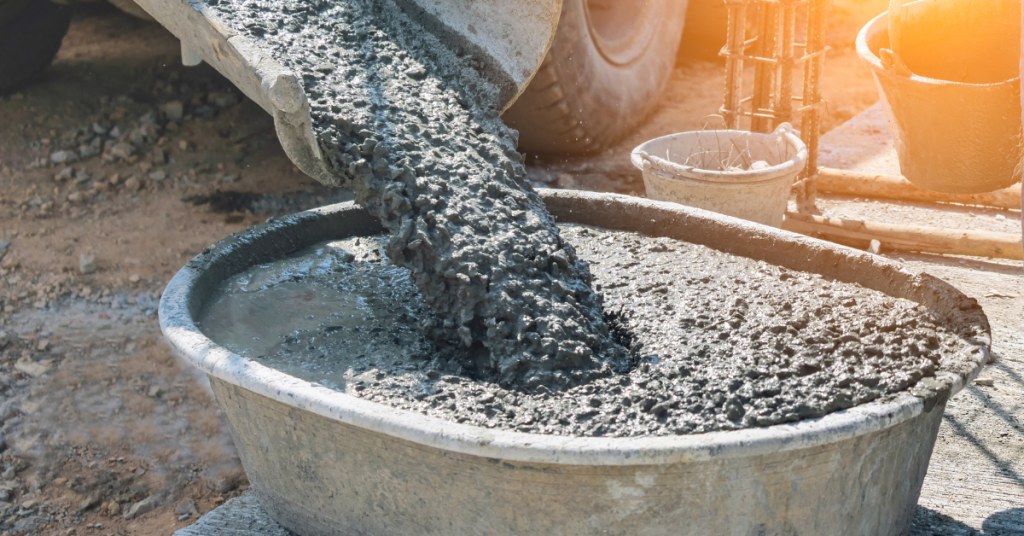
If you’ve ever had the joy of laying concrete in Britain (and let’s face it, “joy” might be pushing it), you’ll know our wonderfully unpredictable weather likes to throw a spanner in the works. One minute you’re working in glorious sunshine, the next you’re diving for cover as the heavens open. But beyond getting you soaked, weather plays a massive role in how your concrete behaves. At National Mini Mix, we’re constantly keeping an eye on the forecast. Not just for our delivery drivers’ sake (though they do appreciate staying dry), but because temperature, humidity, wind, and rain all have dramatic effects on concrete setting times. Let’s dive into how Mother Nature meddles with your mix, shall we? Temperature: The Big One Hot Weather: The Concrete Sprinter When the mercury rises (those three days of British summer we get each year), concrete decides it’s in a race to set. Hot weather essentially puts your concrete on fast-forward. Here’s what happens in the heat: Faster chemical reaction: The hydration process that hardens concrete speeds up considerably Quicker setting time: That 1-2 hour working window you were counting on? It might shrink to 30-45 minutes Increased water evaporation: The mix loses moisture faster than a runner on a hot day On a 30°C day, concrete can set up to twice as fast as it would on a mild 15°C day. That doesn’t give you much wiggle room when you’re trying to get a nice smooth finish on your garden patio! One of our customers in Surrey found this out the hard way last July when temperatures hit 28°C. What should have been a leisurely afternoon laying a small patio turned into a race against time, with the concrete stiffening before they could properly level it. The result? Let’s just say their BBQ guests that weekend had to navigate a slightly, um, “textured” surface. Cold Weather: The Concrete Sloth Conversely, when temperatures drop, concrete turns into that friend who’s always late to the pub – taking its sweet time and making you wait. In cold weather: Slower chemical reaction: The hydration process practically goes for a nap Extended setting time: Your concrete might take 2-3 times longer to set than expected Risk of freezing: If temperatures dip below zero, you’ve got bigger problems When the temperature drops below 5°C, concrete can become particularly problematic. Below zero, and you risk the water in the mix freezing before the concrete has a chance to gain sufficient strength. This can lead to scaling, cracking, and a strength reduction of up to 50% – not ideal for your new driveway! Rain: The Uninvited Guest Nothing strikes fear into the heart of a concrete layer quite like dark clouds gathering overhead. Rain and fresh concrete mix about as well as orange juice and toothpaste – technically possible but never with good results. Light Rain: The Surface Spoiler A light shower falling on fresh concrete can: Increase the water-to-cement ratio at the surface Create a weaker top layer prone to dusting and scaling Leave unsightly marks and an uneven finish We had a customer in Leeds who ignored our advice about the forecast. “It’s only a bit of drizzle,” they said confidently. Their new garden path now bears what they optimistically call a “unique textured finish” but what the rest of us might call “rain damage.” Heavy Rain: The Project Ruiner Heavy rain is the concrete equivalent of a disaster movie: Excess water weakens the entire mix Creates channels and washout areas Can completely ruin the surface If heavy rain is forecast, our advice is simple: reschedule. No ifs, no buts. Even with the best remedial work, rain-damaged concrete is never quite right. It’s like trying to un-toast bread – some things just can’t be undone. Wind: The Sneaky Culprit Wind doesn’t get the same bad press as rain or extreme temperatures, but it’s a surprisingly significant factor in concrete setting: Increased evaporation: Wind accelerates surface drying, particularly on a warm day Uneven setting: Different areas may dry at different rates Plastic shrinkage cracks: Those spiderweb-like cracks that appear before the concrete has even hardened A strong breeze on a warm day can cause the surface of your concrete to dry out 3-4 times faster than the concrete beneath, creating a perfect storm for cracking. It’s a bit like getting sunburnt on a cloudy day – you don’t see it coming until it’s too late. Humidity: The Background Operator Humidity works hand-in-hand with temperature and wind to influence drying time: Low humidity accelerates water evaporation, speeding up surface drying High humidity slows evaporation, extending setting time On a hot, dry day (the few we get in Blighty), evaporation rates can be up to 10 times higher than on a cool, humid day. That’s a massive difference when you’re racing to finish that garden path before the concrete decides it’s done. The Perfect Storm: When Weather Factors Combine The real complexity comes when these factors gang up together: Hot + Windy + Low Humidity = Concrete setting at warp speed with high crack risk Cold + Rainy + High Humidity = Concrete that takes ages to set and might never reach full strength Warm Morning → Cold Afternoon = Inconsistent setting that can create weak spots It’s like a weather-based conspiracy against your concrete project! Real-World Weather Warriors: How We Adapt At National Mini Mix, we don’t just deliver concrete and leave you to the mercy of the elements. We adapt our mixes and methods to work with (or combat against) whatever weather the British skies throw at us: Hot Weather Solutions: Modified mixes: We can adjust the mix design to slow setting time Chilled water: In extreme heat, we sometimes use cooled water in the mix Early morning delivery: Beat the heat by pouring before temperatures peak Retarding admixtures: Chemical additives that give you more working time Cold Weather Strategies: Accelerating admixtures: Speed up the setting process in cold conditions Warmer mix water: Helps maintain the chemical reaction
What Are the Common Applications of Ready Mix Concrete in Residential Projects?

If you’re anything like me, concrete probably isn’t the most exciting topic on your mind until you actually need it. Then suddenly, it becomes all-consuming! “Which mix? How much? Where from?” The questions pile up faster than a ready mix truck can unload. At National Mini Mix, we see residential projects of all shapes and sizes every day. From tiny garden jobs to complete house foundations, concrete is the unsung hero of your home – quietly doing its job without fuss or fanfare. Let’s dive into the most common ways our ready mix concrete is transforming British homes, shall we? Foundations: The Bedrock of Your Home Sweet Home Let’s start with the obvious one – foundations. Not exactly the glamorous end of home improvement, but without solid foundations, that fancy kitchen extension isn’t going to stand up to much more than a stiff breeze! Residential foundations typically require a sturdy C25 or C30 mix, depending on ground conditions and structural requirements. Our mini mixers deliver foundation-ready concrete perfect for: Extensions: Adding that extra bedroom or expanding your kitchen New builds: Starting from scratch with your dream home Garden rooms: Those trendy home offices that sprang up during lockdown Garage foundations: Creating a solid base for your car’s new home The beauty of ready mix for foundations is the consistency. Every batch is identical, creating a uniform structure without the weak spots that can develop with DIY mixing. Plus, our mini mixers can usually position themselves close enough to pour directly into your foundation trenches – no wheelbarrowing required. Your back will thank you later! Pathways and Driveways: Making an Entrance Nothing transforms the approach to your home quite like replacing that muddy track or crumbling old driveway with fresh concrete. It’s like giving your house a new pair of shoes! For residential pathways and driveways, we typically recommend: Pathways: A C20 mix with a tamped or brushed finish for good grip Driveways: A C25/C30 mix, possibly with fibre reinforcement for extra durability The advantages of ready mix for these projects are huge. Trying to mix enough concrete yourself for a driveway is a bit like trying to fill a swimming pool with a kitchen tap – technically possible but painfully slow and inefficient. With our mini mixers, we can pour continuously, ensuring a smooth, joint-free surface that won’t crack between batches. Little tip for you – consider adding a gentle slope to your concrete driveway for drainage. About 1:60 is perfect – enough to let rainwater run off without turning your driveway into a slip ‘n’ slide every time it rains (which, let’s face it, is quite often in our lovely British weather). Garden Features: From Practical to Posh Gardens are where ready mix concrete really shines in its versatility. Our mini mixers can squeeze down the narrowest side passages to transform your outdoor space. Some popular garden applications include: Shed bases: A simple C20 mix gives a clean, level foundation for your shed, eliminating the damp problems that plague many garden buildings Patios: From simple concrete slabs to decorative stamped or coloured designs BBQ areas: Heat-resistant concrete bases for built-in barbecues Hot tub bases: Reinforced concrete pads strong enough to support your bubbling retreat Garden walls: Concrete footings for stone, brick or block walls Even the most modest garden project can benefit from ready mix. Our customer Dave from Cheltenham recently used just 0.5 cubic metres (our minimum order) to create stepping stones throughout his garden. “Beats lugging bags of cement around,” he told us, nursing his non-existent back pain with a smug grin. The Humble Slab: Versatility in a Flat Package Concrete slabs are the workhorses of residential construction. Like that reliable friend who always shows up to help you move house, a good concrete slab just gets on with the job without complaint. Ready mix concrete is perfect for: Garage floors: Smooth, level surfaces for your vehicles Utility room floors: Durable, easy-clean surfaces for washing machines and dryers Workshop floors: Strong enough to support heavy equipment Garden room bases: Solid foundations for those trendy outdoor spaces The beauty of getting a ready mix delivery for your slab is the consistent finish. Pour it, level it, and job done – no variations in colour or texture from batch to batch. For a garage floor, we’d typically recommend a C25 mix with a power-floated finish for that smooth, professional look that’ll have your neighbours thinking you’ve hired a team of experts (your secret’s safe with us). Stairs and Steps: Climbing to New Heights Concrete steps are brilliant for: Garden levels: Creating safe transitions between different garden heights Front porches: Making a grand entrance to your home Side access: Providing stable footing around the perimeter of your property Trying to mix concrete yourself for steps is particularly challenging, as you need to maintain just the right consistency throughout. Too wet, and your forms will bulge; too dry, and you’ll get a rough, uneven finish. With ready mix, we deliver the perfect consistency every time – workable enough to fill the forms completely but firm enough to hold its shape. Swimming Pools: Making a Splash Yes, even residential swimming pools use our ready mix concrete! While not every home has one (more’s the pity), those that do benefit from our watertight concrete mixes specially designed for pool construction. For swimming pools, we deliver: Structural shell concrete: Reinforced and water-resistant Pool surrounds: Non-slip finishes for safety Pool equipment bases: Stable foundations for pumps and filters A residential pool typically needs between 15-30 cubic metres of concrete, depending on size – that’s a lot of cement bags you’d need to mix yourself! Our larger mixers can handle this volume easily, ensuring your pool is constructed in one continuous pour for maximum waterproofing. The “Weird and Wonderful” Category Some of our favourite residential projects don’t fit neatly into categories. We’ve delivered concrete for: Pizza oven bases: Heat-resistant concrete for your outdoor cooking adventures Outdoor shower platforms: Complete with drainage channels for your post-gardening
How Does Ready Mix Concrete Compare to Traditional Mixing Methods?
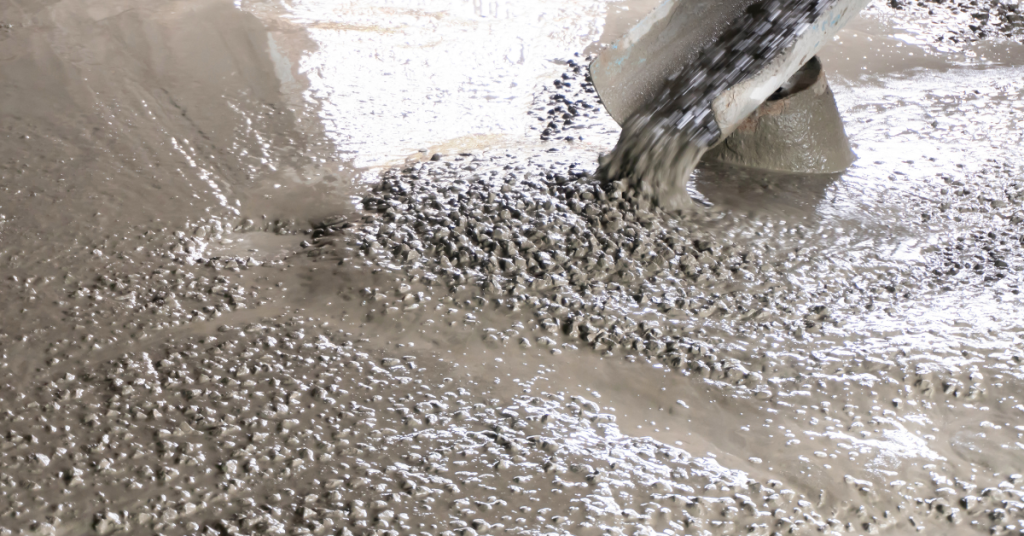
Let’s settle the concrete debate once and for all, shall we? If you’ve ever found yourself in a DIY dilemma, wondering whether to call in a ready mix supplier like us or crack on with mixing it yourself, you’re not alone. It’s the concrete equivalent of the age-old “takeaway versus home cooking” conundrum – except with considerably more weight involved! At National Mini Mix, we’re obviously fans of the ready mix approach (bit of a giveaway in our name), but we’re not afraid to lay out the honest comparison. So grab a cuppa, and let’s dive into the nitty-gritty of concrete mixing methods. The Traditional DIY Approach: Charm and Challenges Picture the scene: you, a cement mixer (or just a wheelbarrow and shovel if you’re proper old school), some bags of cement, a pile of aggregates, and your trusty garden hose. There’s something undeniably satisfying about mixing concrete yourself – a bit like making bread from scratch or changing your own oil. The Traditional Method Involves: Purchasing separate materials (cement, sand, aggregates) Measuring and mixing by hand or with a small mixer Adding water based on experience and gut feel Transporting your mix from mixing spot to pouring location Racing against the clock before it starts to harden There’s a certain romance to it, I’ll grant you that. But is it practical? Let’s weigh it up… Ready Mix vs DIY: The Showdown Round 1: Quality and Consistency Traditional Mixing: Ever tried to follow a recipe while simultaneously answering the phone, stopping the dog from eating something questionable, and realizing you’re out of a key ingredient? That’s DIY concrete mixing for you. The results can be… unpredictable. Even with the best intentions, manual mixing often leads to inconsistent batches. One wheelbarrow might be spot on, the next a bit too wet or too dry. These variations can lead to weak spots, different setting times, and a finished result that’s about as uniform as my aunt Marge’s patchwork quilt. Ready Mix: Our concrete is mixed in computer-controlled batching plants where precision is the name of the game. Every cubic metre is exactly the same quality, with carefully measured ingredients and perfect water-to-cement ratios. It’s like the difference between a cake made by Paul Hollywood and one made by yours truly after three pints. Winner: Ready Mix (unless you fancy gambling with your foundation’s future) Round 2: Time and Effort Traditional Mixing: Let’s be honest – mixing concrete is proper grafting. For small jobs, you might spend more time setting up, mixing, and cleaning than actually pouring. A typical DIYer might manage about 0.5 cubic metres in an hour of back-breaking work, and that’s if you’ve got your system down pat. Ready Mix: Our mini mixer turns up, reverses to wherever you need it (within reason – we haven’t mastered levitation yet), and can discharge 1 cubic metre in about 10 minutes. While the concrete’s pouring, you can focus on proper placement and finishing rather than rushing back to mix the next batch before the first one sets. Winner: Ready Mix (unless you’re using concrete mixing as your new fitness regime) Round 3: Cost Comparison Traditional Mixing: At first glance, DIY often seems cheaper. A rough calculation: Bags of cement, sand, and gravel: £70-£90 per cubic metre Mixer hire (if needed): £30-£50 per day Your time and energy: supposedly free, but we all know better! Hidden costs include wastage (those half-used bags that harden before your next project), fuel for transporting materials, and the inevitable “oops, we’ve run out” emergency dash to the builders’ merchants. Ready Mix: Our prices vary depending on mix design, volume, and delivery distance, but typically range from £90-£150 per cubic metre delivered to your door. That includes quality-controlled materials, professional mixing, and delivery exactly where you need it. Winner: It’s a draw (depends on your circumstances and how you value your time) Round 4: Waste and Environmental Impact Traditional Mixing: DIY concrete often leads to: Over-purchasing materials “just in case” Unused materials that may deteriorate in storage Multiple trips to suppliers in your car or van Wastage from improper mixing ratios Water wastage from cleaning equipment Ready Mix: With ready mix, you order exactly what you need – down to the half cubic metre with our mini mixers. No excess materials, no waste. Our efficient delivery routes mean less fuel consumption per cubic metre delivered compared to multiple car trips. Plus, our plant operations include water recycling systems and efficient material handling. Winner: Ready Mix (Mother Nature sends her thanks) Round 5: Suitable Project Size Traditional Mixing: DIY mixing makes good sense for: Very small jobs (less than 0.5 cubic metres) Projects with very restricted access where even our mini mixers can’t reach Jobs where you can work in very small batches over time When you genuinely enjoy the mixing process (no judgment here!) Ready Mix: Ready mix comes into its own for: Medium to large projects (from 0.5 cubic metres upwards) Time-sensitive pours where continuity matters Structural concrete where strength consistency is critical Projects where you want to focus on placement and finishing When your time is valuable (or your back is already complaining) Winner: It depends (horses for courses, as they say) The Technical Bits: Strength and Durability Here’s where it gets serious. Concrete isn’t just concrete – its strength, durability, and performance depend massively on how it’s mixed. Traditional Mixing Challenges: Inconsistent water-to-cement ratios affect final strength Improper mixing leads to weak spots and durability issues Limited access to specialized additives for specific performance needs Reliance on guesswork rather than testing Weather conditions can affect your mix dramatically Ready Mix Advantages: Quality-controlled production meets British Standards Consistent strength across your entire project Access to specialized mixes (waterproof, high-strength, rapid-setting) Professional testing and quality assurance Mix designs tailored to weather conditions on delivery day For anything structural – foundations, load-bearing slabs, retaining walls – the consistent quality of ready mix gives serious peace of mind. For a decorative garden path? DIY might do the job
What Factors Influence the Cost of Ready Mix Concrete?
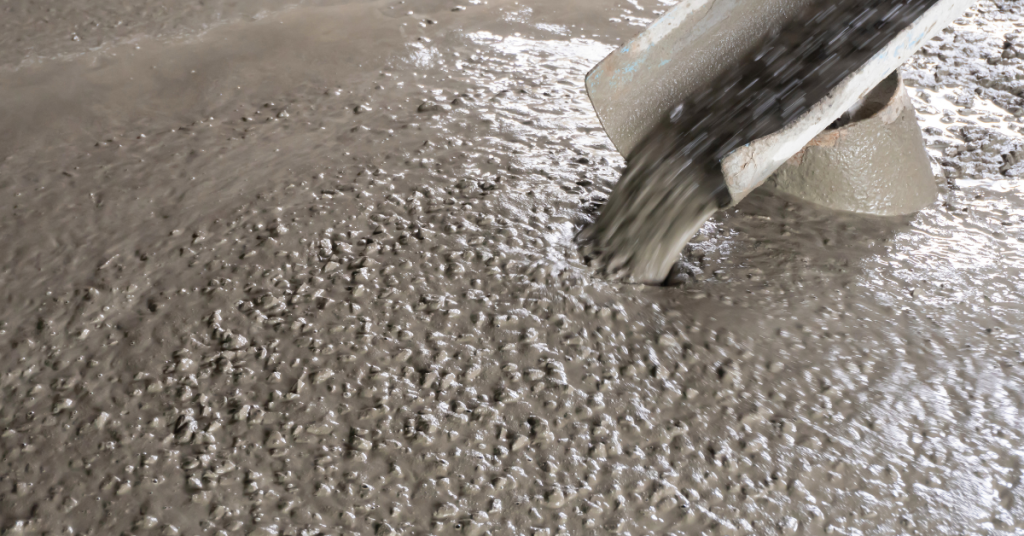
Let’s talk money, shall we? If you’ve ever found yourself puzzling over a concrete quote, wondering why the figures seem to bounce around more than a lottery ball machine, you’re not alone. At National Mini Mix, we’re constantly fielding questions about pricing, and thought it high time we laid it all out – much like a perfect concrete pour! The Mysterious World of Concrete Pricing Before we dive in, a quick reality check: concrete pricing isn’t set in stone (concrete pun absolutely intended). There’s no one-size-fits-all figure, and that’s actually a good thing. It means you’re paying for precisely what you need – no more, no less. Let’s break down what goes into that final figure on your quote. Mix Design: Not All Concrete is Created Equal Think concrete is just concrete? Think again! The recipe matters enormously: Strength Requirements: Need concrete that could support a block of flats? That’ll cost more than a mix for your garden path. Higher strength mixes (measured in newtons – like C40 compared to C20) require more cement, which is the priciest ingredient in the mix. Special Ingredients: Water-resistant additives, accelerators for quicker setting, fibre reinforcement – these special extras are a bit like adding avocado to your burger. Lovely stuff, but you’ll see it on the bill! Cement Content: The cement is essentially the concrete’s engine room – the higher the cement content, the stronger (and more expensive) your mix. At National Mini Mix, we can fine-tune this based on your actual needs rather than giving you the concrete equivalent of a Ferrari when you only need a reliable runabout. Distance: Location, Location, Location Ever noticed how takeaway delivery fees change depending on how far you live from the restaurant? Same principle applies here. Concrete has an awkward habit of beginning to set after about 2 hours, which means we have a ticking clock on every delivery. The further our mini mixers need to travel, the more fuel used and time spent, which inevitably affects the bottom line. The good news? Our mini mixers are far more fuel-efficient than those massive trucks you might see lumbering around, which helps keep those distance-related costs in check. Volume: Size Matters (But Not Always How You Think) Here’s where it gets interesting. You might assume ordering in bulk always saves money – and generally speaking, price per cubic metre does decrease with larger orders. But there’s a clever twist with our mini mix service: For small jobs, we’re actually more economical than the big boys because: We don’t have minimum order requirements that leave you paying for concrete you don’t need Our mini mixers can deliver as little as 0.5 cubic metres – perfect for that garden path or small shed base You avoid wastage costs (and the environmental guilt that comes with it) For larger pours, economies of scale kick in, but remember – it’s better to order exactly what you need than to over-order just to hit a lower price band. Waste not, want not, as my gran would say! Access: The Tight Squeeze Factor Got a garden that’s tighter than economy airline seating? A driveway that would make a contortionist wince? This is where our mini mixers shine brightest, but access challenges can sometimes affect pricing. Standard Access: Drive-up access to your pour area? Lovely jubbly – standard rates apply. Limited Access: If we need to use wheelbarrows or pumps to get to your pour location, there may be additional labour costs. The Impossible Made Possible: Our mini mixers can navigate spaces that would leave those massive trucks scratching their metaphorical heads. This accessibility might come at a premium in extremely challenging locations, but it’s often the difference between “concrete impossible” and “job done”. Timing: Rush Hour Isn’t Just for Traffic Ever tried booking a holiday during school break? Eye-watering, isn’t it? Similarly, concrete has its busy seasons: Peak Season Premiums: Spring and summer are our busiest times, with demand sometimes outstripping supply. Book early to avoid disappointment! Winter Discounts: Cold weather concrete pours require special considerations, but winter can often see more competitive pricing due to lower demand. Time of Day: Early morning pours are popular (getting the job done before the day heats up), so afternoon slots might occasionally come with a small discount. Material Costs: The Global Economics in Your Garden Path Bit of a boring one this, but important nonetheless. Raw material costs fluctuate based on global markets, energy prices, and supply chain issues. Cement, aggregates (that’s your sand and gravel, to you and me), and fuel prices all impact the final figure. At National Mini Mix, we work hard to maintain stable pricing, but when the cost of raw materials takes a significant jump, it eventually trickles down to the consumer. We’ll always be transparent about this rather than sneaking in hidden fees. Specialised Requirements: The Fancy Dress Ball of Concrete Need something beyond the standard mix? Special requirements can influence pricing: Coloured Concrete: Want a particular shade to match your patio? The pigments add cost. Higher Slump: If you need a more workable, flowable concrete, it requires more careful mix design. Early Strength Gain: Need to walk or drive on it quickly? Accelerating additives cost extra. Environmental Options: Greener concrete with recycled content is becoming more affordable but can still carry a small premium. Delivery Considerations: The Last Mile These little extras can sometimes catch people by surprise: Waiting Time: If our mixer needs to wait on-site for more than the standard allocation (usually about 30 minutes), additional charges may apply. Multiple Drops: Need concrete delivered in stages throughout the day? This requires careful scheduling. Weekend or Out-of-Hours Delivery: Outside standard working hours usually incurs a premium. Getting the Best Value (Not Just the Lowest Price) Here’s where I’ll let you in on a few industry secrets to get the most bang for your buck: Be Precise with Quantities: Measure twice, order once! Calculate your requirements accurately to avoid over-ordering or the costly emergency of running
How Can Ready Mix Concrete Enhance Sustainability in Construction?

Let’s face it – the construction industry isn’t exactly winning any green awards these days. In fact, it’s responsible for about 40% of global carbon emissions. Bit of a shocker, that one! But before we all hang up our hard hats in despair, there’s good news brewing in the concrete mixer. Ready mix concrete is stepping up to the sustainability plate, and at National Mini Mix, we’re pretty chuffed about leading this greener building revolution. The Ready Mix Revolution: What’s All the Fuss About? First things first – what exactly is ready mix concrete? Well, it’s exactly what it says on the tin (or rather, the mixer): concrete that’s batched precisely at a plant before being delivered fresh to your site, ready to pour. None of that dusty measuring and mixing palaver on-site. But beyond convenience, it’s becoming a sustainability superstar. Here’s why… Waste Not, Want Not Ever mixed concrete on-site and ended up with either too much (hello, wastage) or too little (cue frantic last-minute mixing)? We’ve all been there! With ready mix, you get exactly what you need, down to the last cubic metre. At National Mini Mix, our mini mixers can deliver as little as 0.5 cubic metres, perfect for those smaller jobs where traditional “minimum load” suppliers would have you paying for concrete that ends up in the skip. Less waste equals fewer resources used and less environmental impact. Win-win! Quality Control = Longevity Bit of a no-brainer this one – structures that last longer are inherently more sustainable. When concrete is mixed in controlled plant conditions rather than on a windy, rainy building site (classic British weather, eh?), the result is significantly stronger and more durable. Our plant-batched concrete undergoes rigorous quality testing that your average on-site mix simply can’t match. This means fewer repairs, less maintenance, and structures that stand the test of time – sometimes literally centuries! Ancient Roman concrete structures are still standing after 2,000 years, and modern technology means we can do even better. Greener Ingredients Making a Big Difference Here’s where it gets properly interesting. Modern ready mix concrete isn’t your grandad’s concrete anymore: Supplementary Cementitious Materials (SCMs): We’re increasingly replacing portions of traditional cement with recycled materials like fly ash (from power plants) and slag (from steel production). These industrial by-products would otherwise end up in landfill, but instead, they’re making our concrete greener and often stronger! Carbon-Cured Concrete: Some cutting-edge ready mix suppliers are now using carbon capture technology where CO2 is actually injected into the concrete during mixing. Mind-blowing stuff – the concrete literally absorbs carbon dioxide as it strengthens! Recycled Aggregates: Instead of mining fresh stone and gravel, we can use crushed concrete from demolition sites. Our quality control processes ensure these recycled materials perform just as well as virgin materials. At National Mini Mix, we’re constantly tweaking our mixes to incorporate these greener alternatives without compromising on strength or workability. Precise Pours Mean Less Energy Waste Let’s talk logistics. When you order ready mix from National Mini Mix, our efficient mini mixers can access those tight spots that massive trucks can’t reach. This means: Less pumping distance (saving energy) Fewer transfers between vehicles (reducing spillage) More precise placement (minimising wastage) Smaller carbon footprint from transport (our mini mixers use less fuel than those massive trucks!) Each of these small efficiencies adds up to significant environmental savings across a project. Water Efficiency That Would Make a Camel Proud Water conservation isn’t just for desert dwellers. Traditional on-site mixing often uses excessive water – either deliberately (to make the mix more workable) or through imprecise measurements. Our plant-controlled mixing process optimises water content to the exact amount needed for proper hydration and strength development. We also employ water recycling systems at our plants, capturing and reusing process water rather than sending it down the drain. Pretty nifty, if you ask me! The Digital Concrete Revolution Who said concrete can’t be high-tech? Modern ready mix suppliers like us are embracing digital tools to further enhance sustainability: Predictive ordering systems that reduce wait times and vehicle idling Mix design software that optimises ingredients for both performance and environmental impact GPS delivery tracking to reduce wasted journeys and improve fuel efficiency Even the humble concrete delivery is getting a smart makeover, and Mother Nature’s giving us a thumbs up for it. Small Projects, Big Impact One of the brilliant things about our mini mix service is that it makes high-quality, sustainable concrete accessible for smaller projects. Whether you’re building a garden wall or laying a small foundation, you can now get the same environmental benefits as major construction sites. No more bags of dry mix that often end up half-used and hardened in the garage! (We’ve all got one of those lurking somewhere, haven’t we?) How to Make Your Next Concrete Project Greener Ready to join the sustainable concrete revolution? Here are some practical tips: Calculate precisely: Measure your requirements carefully to order just what you need. Ask about green mixes: When you call us, ask about our eco-friendly mix options with recycled content. Plan for proper curing: Well-cured concrete lasts longer, so follow best practices after pouring. Consider permeable options: For appropriate applications, permeable concrete can improve drainage and reduce flooding risks. Conclusion: Building a Better Tomorrow The construction industry faces massive sustainability challenges, but ready mix concrete is proving to be part of the solution rather than the problem. With precise batching, quality control, innovative ingredients, and efficient delivery, each pour is becoming greener than the last. At National Mini Mix, we’re proud to be delivering sustainability by the mixer-load to construction sites across the region. Next time you need concrete, remember that choosing ready mix isn’t just convenient – it’s a choice for a more sustainable building future. Want to learn more about our sustainable concrete options? Give our friendly team a call, and we’ll help you make your next project as green as it is strong!
Why Are Concrete Pumps Essential for Hard-to-Reach Areas in Home Projects?

When tackling a home project, you might wonder how to efficiently pour concrete in those hard-to-reach areas without increasing costs or compromising safety. Concrete pumps are the answer, offering a blend of precision and accessibility that manual methods can’t match. Imagine maneuvering tight spaces or elevated spots with ease, all while reducing labour intensity. How does this technology improve project speed and quality, and what specific mechanisms enable such precise placement? Understanding these aspects can transform your approach to construction, making your next project smoother and more efficient. Curious about how it all comes together? Key Takeaways – Concrete pumps improve maneuverability in tight spaces, making them ideal for home projects with limited access. – They offer precise and consistent concrete placement, ensuring structural integrity in hard-to-reach areas. – Using pumps reduces manual labour, decreasing costs and enhancing project timelines in constrained home environments. – Pumps minimize waste and over-pouring, leading to cleaner worksites and reduced cleanup in home projects. – Enhanced safety is achieved by reducing manual handling and minimizing risks in hazardous or confined home project areas. Accessibility in Tight Spaces When you’re tackling a home project, how do you secure concrete can reach those tight spots that seem almost impossible to access? In urban construction, narrow pathways and limited access can present significant challenges. Site constraints often mean traditional methods of transporting concrete won’t do the job. That’s where meticulous logistics planning and strategic equipment maneuvering come into play. Start by analyzing your site constraints. Identify all narrow pathways and areas with limited access to understand the best approach for concrete delivery. It’s essential to plan the logistics meticulously, considering the sequence of construction activities to prevent bottlenecks. This involves scheduling concrete deliveries at times when other activities won’t obstruct access. For equipment maneuvering, consider using a concrete pump. These machines are specifically designed to transport concrete through tight spaces efficiently. They can navigate narrow pathways and extend their reach to areas that are difficult to access with traditional methods. Selecting the right pump depends on the distance and height the concrete needs to travel. Incorporating these strategies guarantees that even the most challenging areas of your home project are accessible, making the concrete placement process smoother and more efficient. Efficiency in Concrete Pouring Alongside overcoming accessibility challenges, optimizing the efficiency of concrete pouring is essential for the success of your home project. Utilizing advanced pump technology allows you to achieve precise and consistent concrete placement, which is significant when working in confined or complex areas. With cutting-edge pumps, you can control the flow rate and pressure, ensuring that the concrete reaches every corner without compromising its structural integrity. When it comes to pouring techniques, selecting the right one is important. Line pumps, for instance, are ideal for projects requiring long-distance pours or when maneuvering around obstacles. They provide flexibility and control, minimizing waste and reducing the risk of over-pouring. Conversely, boom pumps offer the advantage of a hydraulic arm, allowing you to position the concrete exactly where it’s needed, which is especially beneficial for elevated or hard-to-reach spots. Reducing Labour Costs Reducing labour costs in your home project becomes achievable by incorporating advanced concrete pump technology. When you use concrete pumps, you’re not just improving the efficiency of your project; you’re revealing substantial labour savings. Here’s how concrete pumps enhance cost efficiency: Decreased Manual Labour: By replacing labour-intensive methods like wheelbarrows or cranes, concrete pumps greatly cut down the number of workers needed. This reduction in manpower leads to direct savings in labour costs. Precision in Placement: Concrete pumps deliver the mix precisely where it’s needed, reducing waste and minimizing the need for additional labour to clean and rectify misplacements. This accuracy translates to savings in both time and labour. Reduced Physical Strain: With pumps handling the heavy lifting, there’s less physical strain on workers. This can reduce the likelihood of injuries, leading to fewer lost workdays and lower insurance costs, contributing to overall cost efficiency. Minimized Project Overheads: Since concrete pumps can work faster and with fewer people, you can often complete sections of your project sooner, reducing overheads associated with prolonged project timelines. Enhancing Project Speed While reducing labour costs is a notable advantage of using concrete pumps, another key benefit is their ability to enhance project speed. When you’re working on home projects, maintaining efficient project timelines is essential. Concrete pumps can considerably cut down on the time spent on construction logistics, allowing you to complete projects faster than traditional methods. These pumps can deliver concrete at a consistent and rapid pace, reducing downtime and ensuring that your team can proceed with subsequent stages without unnecessary delays. Incorporating concrete pumps into your construction logistics not only accelerates the pouring process but also minimizes the risk of schedule disruptions caused by manual labour limitations or equipment failures. By streamlining the flow of concrete, pumps enable you to adhere more closely to planned timelines, avoiding costly overruns and ensuring that all elements of the project align seamlessly. Moreover, concrete pumps reduce the need for multiple handling and transportation steps, which can often slow down progress. By optimizing the delivery process, you’re not just speeding up one aspect of the project; you’re enhancing the overall efficiency and performance of the entire build. This leads to a smoother workflow and timely project completion. Achieving Precise Placement Achieving precise placement of concrete is critical to the success of any home construction project. When dealing with hard-to-reach areas, concrete pumps become indispensable. They allow you to maintain control over the concrete’s flow, guaranteeing it reaches the exact spot you need without unnecessary spills or waste. Understanding pump mechanics and flow control is essential for optimizing this process. Here’s how you can achieve precise placement: Pump Mechanics: Familiarize yourself with how your pump operates. Whether you’re using
How Can Ready Mix Concrete Save Time and Money on DIY Projects?

When it comes to DIY projects, you might appreciate a little assistance without admitting to taking shortcuts. Ready mix concrete offers a convenient solution that can simplify your workload and lower your expenses. By choosing this pre-mixed option, you eliminate the need for labor-intensive manual mixing, saving precious time and energy. Imagine receiving a precise formulation delivered straight to your site, ready to pour immediately—no delays, no fuss. But how does this translate into actual savings and efficiency for your project execution? Let’s explore the potential benefits you might not have considered yet. Key Takeaways – Ready mix concrete eliminates manual mixing, expediting project completion and reducing labor requirements. – Pre-mixed formulations minimize preparation time, allowing for immediate use and enhancing project efficiency. – Accurate quantity ordering prevents surplus material waste, leading to cost savings. – Consistent quality and strength reduce the need for costly repairs or rework in DIY projects. – Scheduled delivery ensures timely access to materials, streamlining project timelines and reducing delays. Benefits of Ready Mix Concrete When considering materials for your DIY projects, ready mix concrete offers considerable advantages due to its precise formulation and consistent quality. By opting for ready mix, you guarantee each batch is tailored with a specific mix design that meets structural requirements. Mix design involves precise calculations of water-cement ratios, aggregates, and admixtures, which assures maximum strength and durability for your project. This precision minimizes the risk of structural failures that might arise from improper on-site mixing, where human error can lead to inconsistencies. Moreover, ready mix concrete greatly reduces environmental impact. The centralized batching plants are equipped with advanced technologies for efficient resource utilization, minimizing waste. By using exact proportions, less excess material is wasted compared to manual mixing methods. Besides, the transportation of ready mix concrete results in fewer emissions than transporting raw materials separately, thanks to enhanced logistics. Additionally, by choosing ready mix, you’re contributing to sustainability efforts. The industry often incorporates recycled materials like fly ash or slag into the mix design, reducing the demand for virgin materials. This not only conserves natural resources but also reduces the carbon footprint of your project. Ready mix concrete aligns with eco-friendly building practices, guaranteeing your DIY endeavors are both structurally sound and environmentally responsible. Time-Saving Advantages In addition to its environmental benefits, ready mix concrete greatly accelerates the pace of your DIY projects. By eliminating the manual mixing process, you achieve remarkable labor efficiency. Typically, manual mixing involves precise measurements of cement, sand, aggregates, and water, which can be both time-consuming and error-prone. With ready mix concrete, you receive a pre-mixed formulation, ensuring consistent quality without the hassle of manual adjustments. This mixing convenience considerably reduces preparation time, allowing you to focus on the actual construction work. When calculating time savings, consider the batching process: manual mixing might require multiple hours for larger projects, while ready mix concrete arrives ready to pour. For instance, mixing a cubic yard of concrete manually could take an average of 2-3 hours, factoring in preparation and cleanup. In contrast, utilizing ready mix concrete cuts this time down to mere minutes of delivery and placement. Furthermore, with enhanced labor efficiency, you can reallocate resources to other project tasks, optimizing overall project timelines. Ready mix concrete’s streamlined approach not only accelerates your project completion but also minimizes disruptions and potential delays caused by inconsistent mixing or inadequate proportions, ensuring a smooth and efficient workflow. Cost-Effective Solutions Ready mix concrete’s cost-effectiveness stems from its ability to minimize material waste and reduce labor expenses. When undertaking a DIY project, accurate budget planning is essential. Ready mix concrete allows you to purchase precisely the amount required, eliminating excess expenditure on surplus materials. For instance, if your project demands 2.5 cubic meters of concrete, you order exactly that amount, preventing overbuying and guaranteeing ideal material selection. This precise calculation translates to direct cost savings. Moreover, by utilizing ready mix concrete, you reduce labor costs considerably. Mixing concrete manually or on-site necessitates additional workforce and equipment, which can inflate your budget. With ready mix, the concrete arrives pre-mixed, eliminating extensive labor requirements. You cut down on the need for mixing personnel and equipment rental, thereby streamlining your project and maintaining financial efficiency. Additionally, the use of ready mix concrete enhances your project timeline, reducing overhead costs associated with prolonged construction phases. The quicker completion not only conserves resources but also frees up your budget for other project components. Quality Control Assurance Guaranteeing consistent quality in your DIY projects is paramount, and that’s where ready mix concrete excels with its rigorous quality control assurance. By employing a precise mix design, ready mix concrete guarantees each batch meets the exact specifications required for peak performance. This involves calculating the precise ratios of cement, aggregates, and water to achieve the desired strength and durability. The mix design is meticulously formulated, taking into account factors such as environmental conditions and specific project needs, guaranteeing that every pour delivers uniform results. Batch consistency is a critical component of quality control. Ready mix concrete is produced in controlled environments, where state-of-the-art batching plants maintain strict adherence to the mix design. Automated systems measure and mix components with precision, reducing human error and variability. This approach ensures that each batch of concrete maintains the same strength, workability, and finish, eliminating the guesswork often associated with on-site mixing. Reducing Material Waste Efficient material management plays an essential role in reducing waste when using ready mix concrete for your DIY projects. By optimizing material efficiency, you can considerably minimize waste, leading to cost and time savings. Ready mix concrete provides the advantage of precise batching, ensuring you only use the amount necessary for your project. This precision in material usage supports effective waste management, reducing the excess typically associated with traditional mixing methods. Consider the following strategies to enhance your
What Are the Benefits of Using Concrete Pumps in Garden Landscaping?

Imagine transforming your garden into a masterpiece without breaking a sweat. Have you ever considered how concrete pumps can revolutionize your landscaping project? By using them, you’ll not only speed up the process but also achieve precision in concrete placement, reducing waste. They’re perfect for reaching those tricky spots without damaging your garden’s delicate ecosystem. Plus, concrete pumps can cut down on labour costs while giving you the flexibility to design intricate layouts. Curious about how these benefits translate into a seamless landscaping experience? There’s more to uncover about this innovative approach. Key Takeaways – Concrete pumps increase efficiency by reducing manual labour and speeding up landscaping projects. – They ensure precise concrete placement, minimizing waste and enhancing sustainable practices. – Pumps access difficult areas, delivering materials without disturbing sensitive environments. – Using concrete pumps lowers labour costs by requiring fewer workers for transport and pouring. – They offer design flexibility, supporting intricate landscaping layouts and sustainable elements. Increased Efficiency and Speed Concrete pumps greatly enhance the efficiency and speed of landscaping projects, altering how you deliver concrete to precise locations. By integrating advanced pumping technology, you considerably reduce time spent on manual labour, allowing your projects to progress faster. This technology enables you to handle larger volumes, guaranteeing that your landscaping efforts aren’t hampered by the traditional constraints of manual concrete handling. With the ability to pump concrete directly to the site, you achieve substantial time savings, making your project timelines more predictable and manageable. Moreover, concrete pumps support the scalability of your projects. Whether you’re working on a small backyard renovation or a large-scale public park, pumps adjust to your project’s needs without compromising speed or efficiency. This flexibility means you can seamlessly shift between different project sizes, optimizing resources and minimizing environmental impact by reducing waste and energy use. By embracing concrete pumps, you not only enhance your design capabilities but also contribute to sustainable landscaping practices. As a result, you meet both your technical and environmental goals, delivering high-quality projects that are efficient and eco-friendly. This foresight guarantees your landscaping endeavors remain competitive and responsible. Precision in Concrete Placement Achieving precision in concrete placement transforms the quality and aesthetics of your landscaping projects. When you use concrete pumps, you gain superior accuracy control, guaranteeing each pour matches your design vision. With precision, you’re able to shape garden paths, create smooth surfaces, and guarantee flawless finishes that enhance your landscape’s appeal. Concrete pumps let you place the material exactly where needed, minimizing waste and preserving the environment. Using this technology, you also enhance site safety. Traditional methods often involve heavy lifting and manual handling, which can lead to accidents. However, concrete pumps reduce such risks by keeping workers away from hazardous areas. The equipment’s ability to deliver concrete from a safe distance lessens the chance of injury, promoting a safer worksite. Moreover, precision in placement directly correlates with reduced environmental impact. By minimizing excess concrete and subsequent waste, you not only save resources but also reduce the carbon footprint of your project. The efficiency of concrete pumps guarantees that only the necessary quantity is used, aligning with sustainable practices. Consequently, investing in concrete pumps allows you to achieve both design excellence and environmental responsibility in your garden landscaping endeavors. Access to Difficult Areas When undertaking a landscaping project, one of the key challenges is accessing difficult areas where traditional methods fall short. You might encounter remote locations or challenging terrains that make transporting materials cumbersome and time-consuming. Concrete pumps provide an innovative solution to these accessibility issues, allowing you to deliver material efficiently and precisely, even in the most constrained settings. With concrete pumps, you can navigate through narrow pathways, steep inclines, and uneven surfaces without compromising on design integrity or environmental considerations. These pumps are designed to move concrete seamlessly across obstacles, minimizing disturbance to the surrounding landscape. This is particularly beneficial when working on environmentally sensitive sites, as you can limit heavy machinery usage and protect the natural habitat. Moreover, concrete pumps enable you to maintain a focus on design aesthetics by guaranteeing that the material reaches every corner of your project site, even in hard-to-reach spots. This guarantees uniformity and consistency in your garden landscaping, enhancing both the functional and visual aspects of your design. Reduced Labour Costs Utilizing concrete pumps in landscaping projects considerably reduces labour costs, an advantage that’s as practical as it’s economic. By integrating this technology, you’re streamlining your operations and achieving significant cost savings. Traditional methods often require large teams to transport and pour concrete manually, which not only demands more time but also increases the potential for errors and waste. With concrete pumps, you optimize labour by needing fewer workers, thereby reducing the expenses associated with payroll and possible overtime. This labour optimization also impacts project timelines positively. You’re able to complete tasks more swiftly, allowing for more projects to be managed simultaneously. The precision of concrete pumps guarantees that materials are placed exactly where needed, minimizing the risk of rework and ensuring a more efficient use of your resources. Moreover, the environmental benefits of reduced labour are notable. Fewer workers mean fewer vehicle emissions from transportation, and less waste translates to a lower carbon footprint. Enhanced Design Flexibility Concrete pumps offer remarkable design flexibility in landscaping projects, allowing you to create intricate and innovative layouts with ease. By using concrete pumps, you’re not limited to conventional forms or straight lines. Instead, these tools allow for the seamless aesthetic integration of curves, slopes, and varying levels in your garden, transforming it into a dynamic and engaging space. This flexibility means you can incorporate creative features like winding pathways, tiered flower beds, or even custom water features that would be challenging to achieve with traditional methods. Moreover, concrete pumps enable you to execute environmentally conscious designs. Because you can
How Does Ready Mix Concrete Ensure Quality in Domestic Flooring?

Imagine ready mix concrete as the conductor of an orchestra, harmonizing the elements of cement, aggregates, and additives to create a symphony of durability and strength in your home’s flooring. You might wonder how this precise blend consistently meets quality standards and guarantees a flawless finish. It’s not just about the ingredients but also the meticulous mixing process and rigorous quality checks that prevent imperfections. With its uniform consistency and ease of installation, you may find yourself questioning if ready mix concrete is the answer to reducing maintenance and extending the life of your floors. Key Takeaways – Automated batching systems guarantee precise ingredient proportions, ensuring consistent concrete quality for domestic flooring. – High shear mixers ensure even distribution of components, preventing segregation and enhancing floor strength. – Stringent quality control measures, including slump and compressive strength tests, ensure compliance with industry standards. – Uniform consistency of ready mix concrete reduces curing delays, streamlining the flooring installation process. – Eco-friendly materials in ready mix concrete promote sustainability without compromising the strength of domestic flooring. Composition of Ready Mix Concrete When you’re considering the composition of ready mix concrete, understanding its precise formulation is vital. It begins with selecting appropriate aggregate types, which greatly influence the concrete’s strength and durability. You should use coarse aggregates like crushed stone or gravel and fine aggregates such as sand to achieve ideal workability and load-bearing capacity. The water cement ratio is another important factor, typically ranging from 0.4 to 0.6, depending on the desired properties. This ratio directly impacts the concrete’s strength and setting time. Lower ratios typically enhance strength, while higher ratios improve workability but may compromise durability. Incorporating admixtures can further refine the concrete’s properties. For instance, plasticizers improve workability without altering the water cement ratio, and retarders adjust setting time to suit your project’s schedule. Curing methods, such as water curing or membrane curing, are essential for maintaining moisture, ensuring proper hydration, and enhancing durability. Reinforcement options, like steel bars or fibers, can be integrated to bolster tensile strength and control shrinkage. Precision in Mixing Process Achieving ideal quality in ready mix concrete requires not only the right ingredients but also precision in the mixing process. You need to use precise mixing techniques to guarantee the uniformity and strength of the final product. Start by determining the exact water-to-cement ratio, typically around 0.45 to 0.60, which directly impacts the concrete’s strength and durability. Employ automated batching systems for consistent ingredient proportions, which are vital for maintaining quality control. During mixing, it’s important to use high-shear mixers that efficiently combine components. These mixers guarantee even distribution of cement particles, aggregates, and water, preventing segregation and maintaining homogeneity. Monitor the mixing duration carefully, as insufficient time can lead to clumping, while overmixing may cause unnecessary air entrapment, both affecting the concrete’s integrity. Implement quality control measures by regularly testing sample batches. Conduct slump tests to verify workability and use compressive strength tests to assess the concrete’s structural performance. Consistency in Delivery Guaranteeing consistency in delivery is vital for maintaining the integrity of ready mix concrete, especially in domestic flooring applications. Delivery logistics play a significant role in this process. You need to precisely time the transportation to prevent premature setting, maintaining a controlled slump value, typically around 75-125 mm for domestic flooring. This guarantees an even spread and ideal bonding. Quality assurance requires a thorough understanding of transit times and temperature controls. You should monitor the ambient temperature, as concrete’s setting rate accelerates with heat. When temperatures exceed 30°C, it’s vital to employ cooling measures or adjust admixture proportions during transport. Consistent delivery also demands that trucks have calibrated revolving drums to keep the mix homogeneous, guaranteeing uniform particle distribution upon arrival. Furthermore, analyze the delivery route, considering traffic patterns and travel time to minimize delays. For quality assurance, inspect every batch upon delivery for conformity to specified standards. Employ sampling methods to test slump and air content, guaranteeing they meet structural requirements. By meticulously managing these factors, you maintain the ready mix concrete’s quality, guaranteeing your domestic flooring achieves the designed durability and finish. Enhanced Strength Properties Enhanced strength properties in ready mix concrete for domestic flooring are vital for guaranteeing long-term durability and structural integrity. By incorporating specific durability factors, you can improve concrete mixtures to withstand substantial load capacities, accommodating the dynamic demands of residential environments. The compressive strength of ready mix concrete typically ranges from 3,000 to 5,000 psi, providing a robust foundation that supports various structural loads without compromising safety. When you select ready mix concrete, it’s important to take into account the precise mix design, which includes the water-cement ratio, aggregate quality, and admixture selection. These elements directly influence the concrete’s mechanical properties, enhancing its ability to resist cracking, abrasion, and chemical attacks. For instance, a lower water-cement ratio increases the load capacity by reducing porosity, resulting in denser, stronger concrete. Moreover, incorporating high-quality aggregates guarantees the best particle interlock, contributing to increased tensile strength and durability. You should also factor in environmental conditions, such as freeze-thaw cycles, which impact durability, adjusting the mix design to include air-entraining agents if necessary. By focusing on these aspects, you guarantee that your domestic flooring achieves enhanced strength properties, offering exceptional performance and longevity. Uniformity Across Applications Maintaining consistent quality in ready mix concrete across various domestic flooring applications demands meticulous control over the mix design process. You need to guarantee that every batch maintains precise proportions of cement, water, aggregates, and additives. This precision assures uniformity, which is essential for structural integrity. Effective mixing techniques play a pivotal role. By employing advanced mixing technologies, you achieve homogeneous distribution of materials, preventing issues like segregation and uneven strength. To achieve uniformity, consider these vital aspects: Batch Consistency: Each batch must adhere to the specified mix design, guaranteeing the same
Why Is Ready Mix Concrete the Preferred Choice for Domestic Driveways?

When considering options for your domestic driveway, the choice between traditional concrete and ready mix concrete is like comparing an old cassette tape to a digital playlist. You might wonder why ready mix concrete stands out in this comparison. Its consistent quality and strength make it a reliable choice, yet there’s more beneath the surface. You’ll find that it’s not just about the concrete itself but also the time, labour efficiency, and the hidden environmental benefits. Have you ever thought about how these factors could impact your home’s curb appeal and maintenance costs? Key Takeaways – Ready mix concrete offers precise mixing, ensuring uniformity and preventing weak spots for long-lasting driveways. – Its quick installation reduces preparation time and labour costs, making it an efficient choice for homeowners. – The material’s durability minimizes repair needs, providing cost-effective long-term savings for driveway maintenance. – A wide range of colors and textures allows for aesthetic customization, enhancing the home’s curb appeal. – Sustainable production processes reduce environmental impact, aligning with eco-friendly construction practices. Consistent Quality and Strength When considering ready mix concrete for your domestic driveway, guaranteeing consistent quality and strength is vital. The process begins with precise mixing techniques, essential in achieving uniformity in the concrete mixture. This involves accurately measuring the proportions of cement, water, aggregates, and any additives. You must guarantee the components are thoroughly mixed to prevent weak spots that could compromise the driveway’s integrity. The use of automated mixers contributes considerably to this uniformity, providing a homogenous blend that manual mixing mightn’t achieve. Aggregate selection plays a fundamental role in determining the final product’s strength. You should choose aggregates based on their size, shape, and composition. For instance, larger aggregates are excellent for enhancing compressive strength, while smaller ones fill voids, improving density. It’s also important to select aggregates that are clean and free from deleterious substances, as impurities can weaken the concrete matrix. By considering the local climate and anticipated load-bearing requirements, you can adjust the aggregate selection to guarantee ideal performance. Ultimately, your focus on precise mixing techniques and judicious aggregate choice will lead to a driveway that stands the test of time. Time and Labour Efficiency Achieving consistent quality and strength in ready mix concrete sets the foundation for efficiency in time and labour. By opting for ready mix concrete for your driveway, you streamline the entire process. Pre-mixed to precise specifications, this solution eliminates on-site batching, reducing preparation time considerably. Quick installation becomes feasible as the ready mix arrives at your location prepared for immediate pouring. The controlled conditions under which the concrete is mixed guarantee uniformity, minimizing the risk of errors that could lead to costly rework. The labour savings are substantial. With ready mix, you require fewer personnel to manage the mixing and pouring tasks. This reduction in workforce not only lowers costs but also simplifies project management. The efficiency gained allows workers to focus on other critical aspects of the project, further enhancing productivity. The consistency of ready mix concrete also means fewer interruptions in workflow, thereby accelerating project timelines. Moreover, the quick installation reduces the exposure time of wet concrete, thereby minimizing the risk of weather-related issues that could compromise the final product. This efficiency in time and labour makes ready mix concrete a prime choice for domestic driveways. Versatility in Design Concerning design flexibility, ready mix concrete stands out as an adaptable solution for domestic driveways. Its inherent versatility allows you to customize your driveway’s appearance according to your specific aesthetic preferences. You can select from an extensive range of color options, providing the ability to match or complement the existing architecture and landscape. This color adaptability guarantees that your driveway isn’t just functional but also visually cohesive with your home’s overall design theme. Moreover, ready mix concrete offers a variety of texture variations. You can choose from finishes like brushed, stamped, or exposed aggregate, each providing unique tactile qualities and visual appeal. These texture variations not only enhance the aesthetic aspect but also contribute to functional benefits such as increased surface traction, essential for safety during inclement weather. The technical composition of ready mix concrete permits precise adjustments during the mixing process, enabling you to achieve the desired color and texture with consistency. This customization potential results in a driveway that isn’t only durable but also tailored to your personal design vision. Cost-Effective Solution Beyond its design versatility, ready mix concrete also excels as a cost-effective solution for domestic driveways. When you evaluate the initial investment, consider that the precise mixing process minimizes material waste, guaranteeing you pay only for what you use. The controlled production environment guarantees consistency and reduces the likelihood of costly errors during application. This efficiency in production and application can greatly decrease upfront costs compared to other materials. Long term savings are another key advantage of ready mix concrete. Its durability and low maintenance requirements mean you won’t face frequent repair or replacement costs. Unlike asphalt, which may need resealing or patching, properly installed concrete driveways withstand weathering and heavy loads over time. Their longevity ensures that the initial investment pays off, as maintenance expenses are minimized. Additionally, ready mix concrete offers resistance to staining and cracking, further enhancing its cost-effectiveness. Selecting concrete with additives or sealants can increase its lifespan, adding to your long term savings. Environmental Benefits In today’s environmentally conscious world, ready mix concrete stands out as a more sustainable option for domestic driveways. By using sustainable materials, ready mix concrete reduces the environmental impact associated with traditional construction methods. The precise mixture of cement, aggregates, and water is tailored to your specific project, minimizing excess and ensuring ideal use of resources. This method considerably cuts down on the carbon footprint compared to on-site mixing, where inconsistency can lead to higher material consumption and waste. Moreover, ready mix concrete production facilities