
DIY Patio Installation: Ready Mix vs Mixing Your Own Concrete
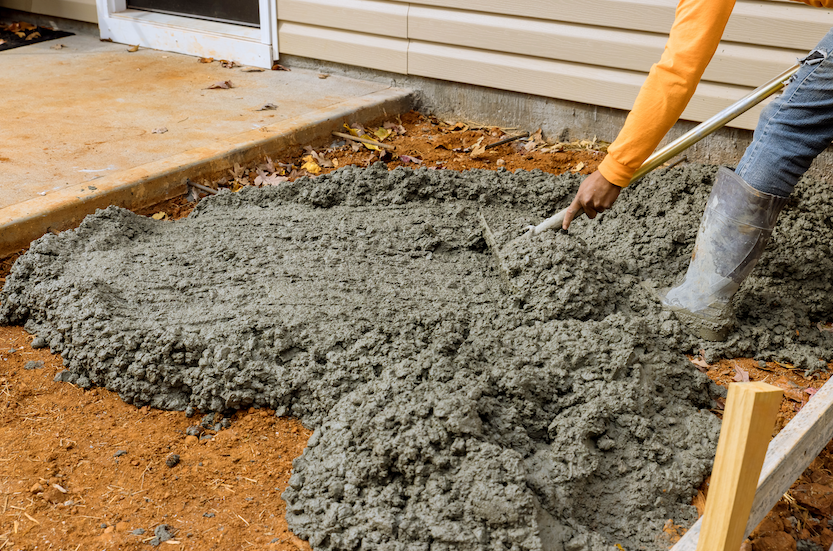
Building a patio is a rewarding DIY project that adds real value to your home and creates a great outdoor space. But should you buy ready-mix concrete or mix your own? Let’s look at both options to help you choose what works best for your project. What is Ready Mix Concrete? Ready mix concrete arrives at your home already mixed with the right amounts of cement, sand, gravel, and water. A truck delivers it straight to your door, which means no measuring or mixing for you. Ready Mix Concrete: The Benefits Speed and convenience are the biggest advantages. When the concrete truck arrives, you can pour your entire patio in one go. No stopping to mix more batches or running out halfway through. Reliable quality because professionals mix it using exact measurements and proper equipment. This means your patio will be strong and even throughout. Less hard work for you. Instead of spending hours mixing concrete, you can focus on preparing your base and getting everything level. Perfect for larger patios. If your patio is bigger than about 10 square metres, ready-mix concrete makes much more sense. Mixing that much concrete by hand would take ages and leave you exhausted. Ready Mix Concrete: The Downsides Higher cost upfront is the main drawback. You’ll pay more per cubic metre compared to buying materials separately, though this often evens out when you consider your time. You need to be ready when the truck arrives. Once the concrete starts flowing, you can’t pause the delivery. Your base must be completely prepared, and you need enough helpers on hand. Minimum orders mean you might need to buy more than your small project actually needs. Mixing Your Own: The Benefits Lower material costs make this option attractive if you’re watching your budget. Buying cement, sand, and gravel separately costs less than ready mix. Work at your own pace. You can mix a wheelbarrow at a time, place it carefully, then mix the next batch. Great for weekend projects where you want to take your time. Good for small jobs. If you’re building a small path or tiny patio, mixing your own makes perfect sense. Learn as you go. You’ll understand exactly what goes into concrete and gain useful skills for future projects. Mixing Your Own: The Challenges Really hard work. Mixing concrete by hand is genuinely tough going. Even with a small mixer, you’ll be lifting heavy materials all day. Quality can vary between batches. It’s difficult to get exactly the same mix every time, which can create weak spots in your finished patio. Takes much longer. What could be finished in a morning with ready mix might take a whole weekend when mixing your own. Risk of weak joints. If you take too long between batches, you get weak lines where old concrete meets new. The Concrete Society explains how these joints can weaken your finished patio. Which Should You Choose? For most patio projects, ready mix concrete from National Mini Mix is the smart choice. Choose ready mix if: Your patio is bigger than 6 square metres You want the job done quickly You have several people to help Quality matters most to you You don’t mind paying extra for convenience Choose to mix your own if: Your patio is very small (under 4 square metres) You’re on a tight budget You enjoy the physical challenge You have plenty of time You’re comfortable with potentially uneven results Getting Good Results Whatever method you choose, success depends on proper preparation. Your base must be level, well-compacted, and properly marked out. Have all your tools ready before you start, and don’t work with concrete in freezing weather or blazing heat. If you choose ready mix, make sure you have enough people to help. Concrete doesn’t wait around, and you’ll need to work quickly once it arrives. The Bottom Line Ready mix concrete costs more initially but saves you time, effort, and usually gives better results. For most DIY patio projects, it’s worth the extra cost. You’ll finish faster with less stress and end up with a stronger patio that lasts longer. Mixing your own works for smaller projects where budget is your main concern. Just be prepared for serious physical work and accept that results might not look quite as professional. Whatever you choose, take time with planning and preparation. Good patios start with solid groundwork and realistic expectations about what’s involved.
Domestic Concrete Mistakes That Cost You Money
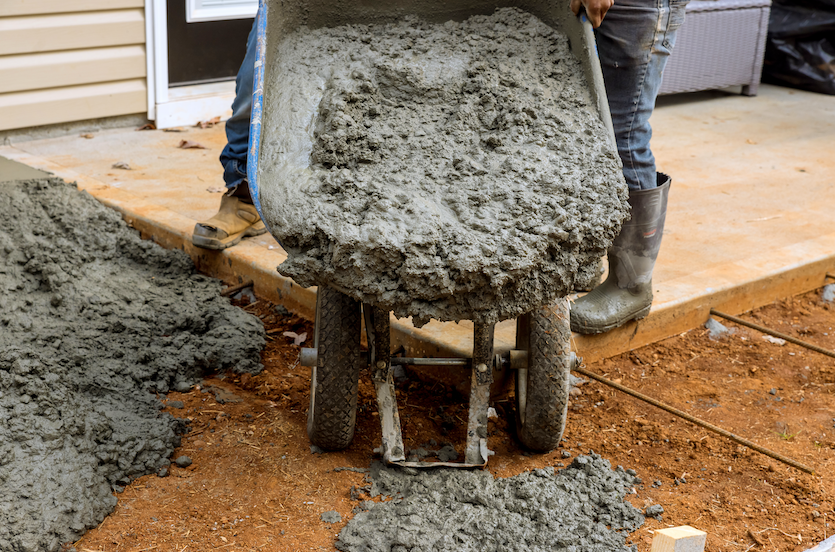
Domestic concrete projects can become expensive when homeowners make avoidable mistakes. Whether you’re installing a driveway, building a patio, or laying a concrete floor, poor decisions early on often lead to costly repairs later. At National Mini Mix, we regularly see homeowners making the same expensive errors. Most of these problems are preventable with proper planning and basic knowledge. Choosing the Wrong Mixed Concrete Different projects need different concrete types. Using basic mixed concrete for a driveway that supports cars will crack within months. Using expensive high-strength concrete for a garden path wastes money unnecessarily. Solution: Match your concrete specification to your project needs. Ask your supplier for advice – reputable companies help you choose the right type without overselling. Incorrect Quantity Calculations Ordering too little concrete creates expensive complications. Ordering too much wastes money directly. Many homeowners underestimate the quantities needed for their concrete floor projects, forgetting that thickness significantly affects volume requirements. Solution: Measure accurately and double-check calculations. Most suppliers offer quantity calculators or professional assistance to prevent ordering errors. Poor Ground Preparation Inadequate foundation work leads to cracking and structural problems. Poor excavation, insufficient hardcore, and inadequate compaction create issues that appear months later, requiring expensive repairs. Proper preparation means removing soft soil, adding hardcore base material, and ensuring everything is level and compacted. Solution: Don’t rush groundwork preparation. If your ground contains clay or very soft soil, consider getting professional advice. Weather-Related Problems Weather conditions significantly affect concrete performance. Freezing temperatures prevent proper curing. Hot weather causes rapid drying and surface cracks. Rain during installation creates weak, patchy surfaces. Solution: Check weather forecasts and schedule work during suitable conditions. Protect fresh concrete from temperature extremes and rainfall. Insufficient Labour Concrete placement requires adequate personnel within limited timeframes. Understaffing leads to rushed work, poor finishing, and structural problems as the material sets. Solution: Ensure sufficiently skilled workers for your project size. Large concrete floor installations need coordinated teams for professional results. Inadequate Curing Proper curing develops concrete strength. Many assume concrete becomes usable once surface-hard, but strength development requires controlled moisture and temperature over several weeks. Solution: Keep the concrete damp for at least seven days. Cover surfaces to prevent rapid drying and protect from temperature changes during curing. Access Planning Issues Concrete lorries need suitable access and positioning areas. Poor planning requires manual handling or pumping equipment, significantly increasing costs. Solution: Evaluate site access before ordering. Consider lorry dimensions, ground conditions, and parking requirements. Attempting Complex Projects Without Experience Some domestic concrete projects exceed typical homeowner capabilities. Complex concrete floor work or structural applications often need professional expertise to avoid expensive failures. Solution: Assess project complexity honestly. Professional installation usually costs less than fixing failed DIY attempts. Getting Professional Support Quality suppliers provide technical guidance throughout projects. From selecting appropriate mixed concrete to planning delivery, expert advice prevents costly mistakes. Concrete work requires understanding material properties, proper installation techniques, and curing requirements. Experienced suppliers help navigate these technical aspects whilst ensuring cost-effective solutions. If you’re planning domestic concrete work in Sheffield, proper preparation and professional guidance ensure successful outcomes. The Concrete Society’s Good Concrete Guides provide practical guidance on concrete materials, design and construction techniques for homeowners. At National Mini Mix, we help homeowners avoid expensive mistakes through careful planning and appropriate specification. Contact us for expert guidance on your domestic concrete project in Sheffield.
Concrete Pump Setup: What Space Do You Need at Your Site?
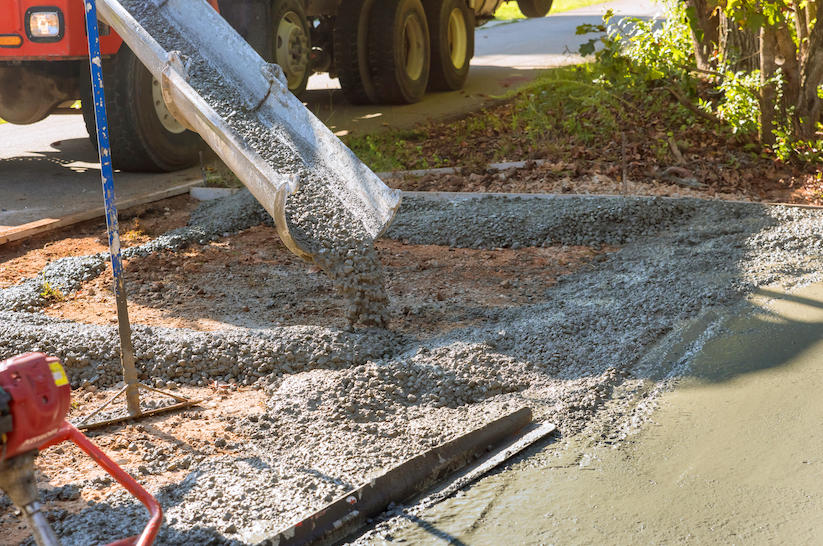
When you’re planning a construction project that needs ready-mix concrete, you might find that a regular concrete mixer truck can’t reach where you need to pour concrete. That’s when you need a concrete pumping service. But before you book concrete pump hire, you need to know if your site has enough room for the equipment to work safely. Let’s look at exactly what space you’ll need and why it matters for your concrete works. What Equipment Does Concrete Pumping Use? A concrete pump isn’t just one piece of kit. The setup includes the pump truck and either a boom or a line system to move your concrete mixes where they need to go. Concrete boom pumps have a large mechanical arm that can reach over buildings and obstacles. The pump truck is usually 10-12 metres long and needs flat, solid ground to work safely. The boom can stretch from 20 to 60 metres, depending on what size you hire. Ground line pumps work differently. They pump concrete through flexible hoses along the ground. These are better for construction sites with restricted access or when you’re working on terraced houses where a big boom pump won’t fit. Space You Need for Boom Pumps Your construction project needs a clear area where the concrete pump can park and set up its support legs. Here’s what you need: Parking Space: You need at least 15 metres of length and 4 metres of width just for the truck. But you need more space around it too. Support Leg Space: The support legs stick out from each side by about 2-3 metres. This means you need roughly 8-10 metres of total width for the whole setup. Ground Conditions: The surface must be firm and level. Soft ground or steep slopes make it dangerous to operate the pump. If your ground is soft, you might need steel plates to spread the weight. Making Room for the Boom Arm The boom arm delivers your concrete and needs room to move safely: Height Clearance: The boom swings up and over obstacles. Most can reach 15-30 metres high, but they need clear space above. Watch out for power lines, trees, or building edges. Reach Distance: The boom can extend quite far, but it works best when the pump truck is close to your concrete pour area. Closer means better flow and fewer blockages. Turning Space: The boom rotates in a circle around the truck. Make sure nothing in this circle can get hit – like cars, site cabins, or workers. Getting to Your Site Don’t forget how the concrete pump gets to your construction site. These trucks are big and heavy: Road width needs to be at least 3.5 metres wide Strong surfaces that can handle the weight Room to turn at corners Height clearance under bridges (usually need 4 metres) Line Pumping for Tight Spaces When your construction project has restricted access, line pumping might work better. Ground line pumps use a separate pump unit and flexible hoses. They’re smaller than boom pumps but can’t reach as far. This makes them perfect for: Terraced houses with narrow access Sites where boom pumps won’t fit Indoor concrete works Areas with lots of obstacles Planning Your Concrete Pumping Sheffield Project Before your concrete delivery day, do these checks: Measure your space and draw a simple site plan Check ground conditions – firm, level, and well-drained? Spot obstacles like power lines, trees, or buildings Plan the route from the road to the pump position Mark safety zones where people stay clear during the concrete pour The Construction Plant-hire Association has detailed guidance on safe concrete pumping that’s worth reading before you start. When Space Is Tight Sometimes construction sites don’t have perfect conditions. Here are your options: Use Line Pumping: Ground line pumps need less space and work well in tight areas. Try Different Positions: A skilled operator can often find ways to work in small spaces, maybe parking on a nearby road (with permission). Multiple Pump Positions: For big concrete pours, the pump can move to different spots during the job. Why Professional Advice Helps Every construction site is different. What works for one concrete delivery might not work for another. The best plan is to talk with your concrete pumping service about your specific site. A good concrete pumping company works closely with you to visit your site first. They can see exactly where the pump needs to go and what prep work you might need. This site visit from your batching plant or pumping hire company can save time and stress on pour day. They’ll know if your site suits concrete boom pumps or if line pumping works better. They can also check if your planned concrete mixes will flow well through their equipment. Getting the Best Results Good planning isn’t just about getting the job done – it’s about improving safety and getting quality results. A well-planned setup means: Faster concrete delivery Better concrete pour quality Fewer problems on the day Safer working conditions This matters whether you’re doing high-volume concrete works or a small domestic job. Working with Your Concrete Pumping Service Take time to measure your space, check ground conditions, and talk with experienced professionals. Your concrete pumping Sheffield construction project will run much better when you’ve got the space requirements sorted from the start. A good concrete pumping service will help you understand what equipment works best for your site. They know the difference between what concrete boom pumps need and what ground line pumps can handle. Remember, it’s always better to have slightly more space than you think you need. Concrete pumping is precise work, and having room to move makes everything safer and more efficient for everyone on your construction project.
C20 vs C25 vs C30 Concrete: Which Concrete Grade Do You Need?
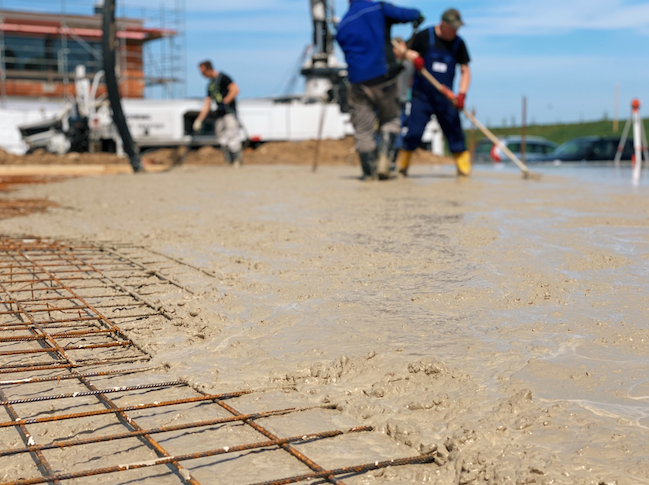
Picking the right concrete grade for your construction projects is easier than you think. Understanding C20 concrete, C25 concrete, and C30 concrete will help you choose the best ready mix concrete for your job. What Do Concrete Grade Numbers Mean? The letter “C” stands for concrete grade, and the number shows the compressive strength. This tells you how much weight the concrete can handle before it breaks. Here’s what each grade means: C20 concrete = handles 20 megapascals of pressure C25 concrete = handles 25 megapascals of pressure C30 concrete = handles 30 megapascals of pressure The bigger the number, the stronger the concrete and the more weight it can carry. C20 Concrete: Good for Light Jobs C20 concrete gives you decent strength and durability for projects requiring basic support. This standard mix works well when you don’t need super-strong concrete. Best for: Garden paths and walkways Small patios and outdoor areas Shed bases and light foundations Garden structure footings Small-scale home projects Why pick C20? This concrete grade has enough compressive strength for lighter loads whilst being budget-friendly. When your project won’t have heavy vehicles or major structural elements, C20 concrete is suitable and saves money. C25 Concrete: The Popular Middle Option C25 concrete gives you a great balance between strength and cost. This concrete grade handles most home construction projects really well. Perfect for: Home driveways for normal cars House foundations and structural applications Garden walls and retaining walls Medium-sized patios and outdoor spaces Most construction projects require good strength Why pick C25? This concrete grade offers better strength and durability than C20, making it ideal for projects requiring solid structural support. The improved compressive strength handles everyday loads whilst staying affordable. C30 Concrete: Maximum Strength Option C30 concrete delivers high strength performance for tough construction projects. This grade provides top compressive strength for heavy-duty jobs. Great for: Commercial driveways for heavy vehicles Industrial floors and structural elements Areas facing chemical attacks or de-icing salts High-strength structural applications Projects requiring maximum durability Why pick C30? When construction projects involve heavy loads or harsh conditions, C30 concrete provides the extra strength and durability you need. This high strength concrete resists damage and stays strong under tough conditions. How to Choose Your Concrete Grade Think about these things when picking your concrete grade: What loads will it carry? Light foot traffic needs C20, cars usually need C25, and heavy machinery needs C30. What conditions will it face? Areas with chemical attacks or de-icing salts work better with higher-strength concretes. How long should it last? Higher grades offer better durability and longer life. What’s your budget? Balance upfront costs against long-term performance. What do building rules say? Some structural applications legally need specific concrete grades. What’s in Ready Mix Concrete? Understanding what makes up your ready mix concrete helps explain the differences. A standard mix usually has one part cement, two parts fine aggregate (sand), and four parts coarse aggregate (gravel), plus water. The exact amounts and cement quality decide the final compressive strength. Higher grade concretes use better mix designs and sometimes extra materials to get superior strength and durability whilst preventing cracking. Getting Professional Help Every construction project has different needs. A good concrete supplier can look at your specific job and suggest the right concrete grade for the best results. At National Mini Mix, we help customers pick the right ready-mix concrete for their projects. Our experience means you get concrete that’s suitable for your specific job. Delivery and Placement Matter Once you’ve picked your concrete grade, getting it delivered properly becomes important. Fresh concrete has limited working time, so quick placement is essential for reaching design strength. Professional concrete pump hire can make placement much easier, especially for tricky locations or bigger pours. The right equipment gets your concrete where it needs to go quickly and cleanly. Quality Goes Beyond Grade Choice Remember that concrete grade is just one part of successful construction projects. Mix quality, delivery timing, and proper installation all help achieve the best strength and durability. According to The Constructor, selecting the right concrete grade based on structural requirements is essential for construction projects. Getting professional advice helps avoid expensive mistakes and ensures good long-term results. Making Your Choice For most home construction projects, C25 concrete works brilliantly. It has enough compressive strength for typical home loads without costing extra money. But when you’re not sure what you need, picking a slightly higher grade often makes sense. The small extra cost prevents potential problems and gives you a safety margin. Concrete for Foundations and More National Mini Mix supplies all the concrete grades we’ve talked about, plus special mixes for unique jobs. Our team can check your project needs and suggest the best concrete for foundations, structural elements, or any construction job. Whether you need concrete pump services for complex placement or expert advice on grade choice, we’re here to make sure your project succeeds. Contact us today to talk about your ready mix concrete needs and get your construction project started right.
Garden Shed Base: How Much Concrete Do You Actually Need?

Building a garden shed is an exciting project, but getting the base right is crucial. A solid concrete base will keep your shed level, dry, and stable for years to come. The big question is: how much concrete do you actually need? Don’t worry – working out concrete quantities isn’t as tricky as it sounds. Let’s break it down into simple steps. Why Your Shed Needs a Proper Base Before we dive into calculations, let’s talk about why concrete matters. A proper base stops your shed from sinking into soft ground, prevents damp from creeping up through the floor, and keeps everything square and level. Without a good foundation, even the best shed can start to lean, doors won’t close properly, and you might end up with water damage. It’s worth doing once and doing it right. Measuring Your Shed Base The first step is working out the size of your concrete slab. This depends on your shed size, but here’s the golden rule: make your base slightly bigger than your shed. Add about 50-75mm (2-3 inches) to each side of your shed dimensions. So if your shed is 2m x 3m, your concrete base should be roughly 2.15m x 3.15m. This extra space gives you room for error and helps water drain away from the shed walls. How Thick Should Your Concrete Be? For most garden sheds, a concrete base should be 100mm (4 inches) thick. This gives you plenty of strength without wasting concrete. If you’re planning to store particularly heavy items like a ride-on mower or workshop equipment, you might want to go up to 125mm (5 inches) thick. But for standard garden storage, 100mm is perfect. The Simple Calculation Here’s the easy way to work out how much concrete you need: Length (in metres) × Width (in metres) × Thickness (in metres) = Volume in cubic metres Let’s use our example shed base: Length: 3.15m Width: 2.15m Thickness: 0.1m (that’s 100mm) 3.15 × 2.15 × 0.1 = 0.68 cubic metres Always add an extra 10% to your calculation for wastage and to make sure you don’t run short. So 0.68 + 10% = 0.75 cubic metres. Using Our Concrete Calculator If maths isn’t your strong point, don’t worry. Our handy concrete calculator does all the work for you. Just pop in your measurements and it’ll tell you exactly how much concrete to order. The calculator even accounts for wastage, so you get an accurate figure every time. What Type of Concrete Do You Need? For shed bases, you want a standard C20 concrete mix. This has the right strength for the job without being over the top. According to the UK Planning Portal’s building regulations guidance, all buildings require adequate concrete foundations that transmit loads safely to the ground, and C20 concrete is ideal for lightweight domestic applications like shed bases. Preparation Tips Before your concrete arrives, make sure you’re ready: Mark out your area and check it’s square using the 3-4-5 triangle method Dig out the area to the right depth (usually 150mm to allow for concrete plus hardcore) Put down a layer of hardcore or MOT Type 1 and compact it well Set up your formwork (the wooden frame that holds the concrete) Have your tools ready: rake, shovel, float, and spirit level Getting Your Concrete Delivered Ready-mix concrete is much easier than mixing bags yourself, especially for anything bigger than a small shed base. A typical garden shed base uses between 0.5 and 1.5 cubic metres of concrete – perfect for our mini-mix service. When you call us, we’ll need to know: The volume of concrete you need Your postcode for delivery When you want it delivered Access details (can our truck get close to your garden?) The Bottom Line Working out concrete quantities doesn’t have to be complicated. Measure your shed, add a bit extra, multiply by 0.1m for thickness, and add 10% for wastage. For a typical 2m x 3m shed, you’re looking at about 0.75 cubic metres of concrete. Use our concrete calculator to double-check your figures, and you’ll have everything sorted. Remember, it’s always better to have slightly too much concrete than not enough. You can’t pop to the shops halfway through laying a slab! Ready to get started? Give us a call and we’ll help you work out exactly what you need for your shed base project.
How Early Should You Book a Mini Mix Concrete Delivery?

Planning a concrete project involves numerous considerations, from site preparation to weather conditions, but one aspect that’s often underestimated is the timing of your concrete delivery booking. The question of how far in advance to book your mini mix concrete delivery doesn’t have a one-size-fits-all answer, as it depends on seasonal demand, project complexity, location, and various other factors. Understanding these variables can help ensure your project stays on schedule and within budget. Understanding Seasonal Demand Patterns The concrete industry experiences significant seasonal fluctuations that directly impact booking requirements. Spring and summer months typically see the highest demand as construction activity peaks and weather conditions become more predictable. During these busy periods, booking well in advance becomes crucial to secure your preferred delivery slot. Peak season, generally running from April through September, often requires booking 1-2 weeks ahead for standard deliveries, and potentially longer for weekend or early morning slots. This increased demand is driven not only by professional contractors ramping up their activities but also by homeowners tackling DIY projects during the warmer months. Winter months typically see reduced demand, allowing for shorter booking lead times, often just 2-3 days in advance. However, winter concrete work comes with its own challenges, including weather-related delays and the need for special admixtures or heating, which might require additional planning time. Autumn presents a transitional period where demand begins to decrease, but many contractors are rushing to complete projects before winter weather sets in. This can create temporary periods of high demand, particularly for commercial and infrastructure projects with strict completion deadlines. Project Size and Complexity Considerations The scale and complexity of your concrete project significantly influence booking requirements. Small domestic projects, such as garden paths, small patios, or shed bases requiring just 1-3 cubic metres of concrete, typically have more flexibility in scheduling and can often be accommodated with shorter notice periods. Larger residential projects, including driveways, substantial patios, or small foundations requiring 5-10 cubic metres, generally benefit from booking 5-7 days in advance. This allows time for proper coordination with other trades, site preparation completion, and weather planning. Commercial projects or large residential work requiring multiple deliveries or significant volumes often need 1-2 weeks advance booking. These projects may require specific scheduling to coordinate with site access, labour availability, and other construction activities. Complex projects involving special mix designs, unusual access requirements, or tight scheduling constraints may require even longer lead times to ensure all requirements can be met satisfactorily. Geographic and Logistical Factors Your location relative to concrete suppliers plays a crucial role in booking requirements. Urban areas with multiple suppliers typically offer more flexibility and shorter booking windows due to increased capacity and competition. Rural or remote locations may require longer booking lead times due to limited supplier coverage and longer travel distances. Some areas may only be serviced on specific days of the week, requiring advance planning to align with available delivery schedules. Access challenges at your site can also extend booking requirements. Sites with difficult access, narrow lanes, or height restrictions may require special equipment or smaller vehicles, which are often in limited supply and need advance booking. Traffic considerations in urban areas might necessitate early morning or weekend deliveries to avoid congestion, and these premium time slots typically require advance booking to secure availability. Weather-Related Planning British weather’s unpredictable nature makes advance booking both more important and more challenging. Booking too far in advance risks encountering unsuitable weather conditions, whilst booking too close to your desired date might mean missing suitable weather windows. A practical approach involves booking 7-10 days ahead during the main construction season, which provides sufficient advance notice whilst maintaining flexibility to adjust for weather conditions. Most reputable suppliers, including National Mini Mix, offer reasonable rescheduling policies for weather-related delays. Monitor long-range weather forecasts when planning your booking, looking for stable periods without extreme temperatures, heavy rain, or strong winds. Remember that concrete work requires not just dry conditions during placement but also stable conditions for at least 24-48 hours afterwards. Consider having backup dates available when booking, particularly during transitional seasons when weather can be particularly unpredictable. This flexibility helps ensure your project can proceed when conditions are suitable. The Mini Mix Advantage in Scheduling Mini mix concrete offers several scheduling advantages over traditional ready mix concrete that can reduce booking pressure and increase flexibility. Because concrete is mixed fresh on your site, there’s no concern about concrete setting during transport, allowing for more relaxed scheduling. The ability to produce exactly the quantity you need eliminates concerns about ordering too much or too little concrete, reducing the pressure to have everything perfectly organised before delivery. This flexibility is particularly valuable for smaller projects where exact quantities might be difficult to predict. Mini mix vehicles can often access sites that larger ready mix trucks cannot reach, expanding your options for delivery timing and reducing the need for special arrangements or additional equipment. The precision of mini mix delivery also means you can coordinate more effectively with other aspects of your project, such as labour availability or weather windows, without worrying about concrete wastage or quality deterioration. Professional vs DIY Project Considerations Professional contractors typically work within established relationships with concrete suppliers and may have preferred customer status that provides more flexible booking arrangements. They also have better insight into demand patterns and can plan their bookings more strategically. DIY enthusiasts and occasional users generally need to book further in advance, particularly during peak seasons. However, they also have more flexibility in timing since they’re not juggling multiple projects or dealing with strict client deadlines. First-time concrete users should consider booking a consultation or site visit as part of their advance planning. This allows suppliers to assess access requirements, provide mix design advice, and identify any potential issues before the delivery date. Consider your experience level and available help when planning booking timing. Complex projects undertaken by inexperienced users might benefit from midweek bookings when suppliers are typically less busy and can
Can You Pour Ready Mix Concrete in the Rain Safely?

Weather conditions play a critical role in concrete construction, and rain is perhaps the most concerning weather factor for anyone planning a concrete pour. The question of whether you can safely pour concrete in the rain doesn’t have a simple yes or no answer – it depends on various factors including the intensity of rainfall, timing, and specific project requirements. Understanding these nuances can help you make informed decisions that protect both your investment and the long-term quality of your concrete work. Understanding Rain’s Impact on Fresh Concrete Rain affects concrete differently depending on when it occurs during the concrete’s lifecycle. Fresh concrete is most vulnerable immediately after placement and during the first few hours of curing. During this critical period, excess water from rainfall can have several detrimental effects on the concrete’s final properties and appearance. When raindrops hit the surface of fresh concrete, they can cause surface scaling, dusting, and an overall weakened top layer. The additional water effectively increases the water-cement ratio at the surface, leading to reduced strength and durability in this crucial zone. More severe rainfall can wash away cement paste entirely, exposing aggregate and creating an uneven, poor-quality surface finish. The concrete’s plastic state makes it particularly susceptible to damage from rain impact. During this phase, which typically lasts 2-4 hours after placement, the concrete hasn’t yet developed sufficient structural integrity to resist the mechanical action of falling raindrops or the dilution effects of additional water. Light Rain vs Heavy Downpours The intensity and duration of rainfall are crucial factors in determining whether concrete work can proceed safely. Light drizzle or mist may have minimal impact on concrete that’s been properly placed and finished, particularly if protective measures are implemented quickly. Light rain, defined as less than 2.5mm per hour, may be manageable with appropriate precautions such as plastic sheeting coverage immediately after finishing. However, even light rain can cause surface defects if it continues for extended periods or if the concrete surface isn’t properly protected. Heavy rain, exceeding 7.5mm per hour, presents significant risks to concrete quality and should generally halt concrete operations entirely. Heavy rainfall can wash cement paste from the surface, create pockmarks and surface irregularities, and fundamentally compromise the concrete’s structural integrity. The risk increases exponentially with rainfall intensity. Moderate rainfall, between 2.5-7.5mm per hour, requires careful assessment of project requirements, available protection methods, and the critical nature of the work being undertaken. Professional judgment becomes essential in these borderline conditions. Timing Considerations and Concrete Maturity The stage of concrete curing when rain begins is perhaps more important than the rain intensity itself. Concrete that has achieved initial set, typically 4-6 hours after placement in normal conditions, is much more resistant to rain damage than freshly placed material. If rain begins during the first hour after placement, when concrete is still in its plastic state, the risks are highest. Surface damage is almost inevitable, and the concrete’s long-term durability may be compromised. Emergency protection measures become essential to salvage the work. Rain occurring 2-3 hours after placement presents moderate risk. The concrete has begun to stiffen but hasn’t yet achieved sufficient strength to resist surface damage completely. Quick action to provide protection can often prevent serious quality issues. Once concrete has reached initial set, typically 4-6 hours after placement, light to moderate rain poses minimal structural risk. However, surface aesthetics may still be affected, which could be important for decorative or exposed concrete applications. Protective Measures and Emergency Responses When unexpected rain threatens a concrete pour, several protective measures can help minimise damage. Plastic sheeting remains the most common emergency protection, but it must be applied carefully to avoid marking the concrete surface while it’s still plastic. Temporary shelters, such as marquees or tarpaulins supported above the concrete surface, provide better protection than direct covering. These allow air circulation whilst preventing rain contact, reducing the risk of surface marking or colour variations that can occur with direct plastic contact. For large areas, waterproof curing compounds can provide some protection against light rain whilst serving their primary function of moisture retention for proper curing. However, these compounds aren’t designed as rain protection and shouldn’t be relied upon in heavy rainfall conditions. Emergency drainage becomes crucial if water accumulates on or around the concrete surface. Standing water can leach cement from the surface and should be removed as quickly as possible using squeegees, brooms, or other appropriate tools. Planning and Weather Monitoring Successful concrete projects require careful weather monitoring and contingency planning. Modern weather forecasting provides increasingly accurate short-term predictions that can help inform decision-making about concrete scheduling. Check weather forecasts for at least 24-48 hours ahead of your planned concrete pour. Look not just at the chance of rain but also at rainfall intensity predictions, timing, and duration. Remember that weather can change rapidly, so continue monitoring conditions right up to pour time. Have contingency plans ready for various weather scenarios. This might include access to emergency protection materials, contact details for weather monitoring services, or alternative scheduling arrangements with your concrete supplier. Consider seasonal patterns and typical weather conditions for your area. Some regions have predictable afternoon thunderstorms during certain seasons, whilst others may experience prolonged periods of unsettled weather that require different planning approaches. The Mini Mix Advantage in Changeable Weather Mini mix concrete offers significant advantages when dealing with unpredictable weather conditions. Because concrete is mixed fresh on your site only when you’re ready to proceed, you can make last-minute decisions based on current conditions rather than committing to delivery times set days in advance. If weather conditions deteriorate while your mini mix vehicle is on site, you have the flexibility to delay mixing until conditions improve, rather than dealing with concrete that’s already been batched and is steadily losing workability. This flexibility can save both money and project quality. The ability to mix smaller quantities also means you can work in phases, completing sections of work between weather windows rather than committing to large pours that
What Is the Shelf Life of Ready Mix Concrete After Delivery?

Understanding the working time available for concrete after delivery is crucial for any successful construction project. Whether you’re a professional contractor managing multiple pours or a homeowner tackling a DIY project, knowing how long you have to work with concrete before it becomes unusable can mean the difference between a successful installation and costly mistakes. The shelf life of ready mix concrete isn’t simply a matter of hours on a clock – it’s influenced by numerous factors that every concrete user should understand. The Science Behind Concrete Setting Concrete begins its chemical transformation the moment water comes into contact with cement. This process, known as hydration, is irreversible and continues until the concrete reaches its final hardened state. During the initial stages, concrete remains plastic and workable, but this window of opportunity is limited and decreases steadily from the moment mixing begins. The hydration process occurs in distinct phases. Initially, concrete maintains its plastic state, remaining easy to pour, level, and finish. As time progresses, it transitions through a plastic state where it becomes increasingly stiff but still workable, before reaching initial set where it can no longer be effectively worked or finished. Understanding these phases helps you plan your work effectively and avoid the frustration of working with concrete that’s past its prime. Traditional ready mix concrete, which is batched at a central plant and transported to your site, faces the challenge of this ongoing hydration process during transport and while waiting to be used. This is why timing becomes so critical with conventional concrete deliveries. Standard Working Times for Ready Mix Concrete Under typical conditions, ready mix concrete maintains workability for approximately 90 minutes to 2 hours after batching. However, this timeframe begins at the concrete plant, not when it arrives at your site. If your concrete has been in transit for 30-45 minutes, your actual working time on site may be reduced to just 60-90 minutes. This working window can vary significantly based on the specific mix design. Higher cement content mixes tend to set more quickly, whilst mixes with certain admixtures may extend working time. The water-cement ratio also plays a crucial role, with higher water content generally providing longer workability but potentially compromising final strength. It’s important to understand that these timeframes represent guidelines rather than absolute rules. Experienced concreters learn to assess concrete workability through visual and tactile cues, but for less experienced users, planning based on conservative time estimates is wise. Environmental Factors Affecting Workability Temperature is perhaps the most significant environmental factor affecting concrete shelf life. Hot weather accelerates the hydration process dramatically, potentially reducing working time to as little as 30-60 minutes in extreme conditions. Conversely, cold weather slows hydration, extending workability but potentially creating finishing challenges. Humidity levels also impact concrete behaviour. Low humidity can cause rapid surface moisture loss, leading to premature stiffening and finishing difficulties. High humidity may extend workability slightly but can also affect the concrete’s ability to achieve proper surface finish. Wind conditions compound the effects of temperature and humidity. Strong, dry winds can cause rapid moisture loss from the concrete surface, creating a stiff skin whilst the interior remains workable. This condition makes proper finishing extremely difficult and can lead to surface defects. Mix Design and Admixture Effects Modern concrete technology offers various admixtures that can significantly affect working time. Retarding admixtures are specifically designed to slow the hydration process, extending workability for several hours when necessary. These are particularly valuable for large pours or challenging site conditions where extended working time is essential. Conversely, accelerating admixtures reduce working time but enable faster strength gain and earlier formwork removal. These admixtures are useful in cold weather conditions or when rapid turnaround is required. The base mix design also influences shelf life. Higher strength mixes typically have shorter working times due to increased cement content, whilst lower strength mixes may remain workable longer. The aggregate type and grading can also affect workability retention, with certain combinations maintaining better consistency over time. Signs of Concrete Deterioration Recognising when concrete is approaching the end of its useful working life is crucial for quality control. Early signs include increased stiffness when stirring or pouring, difficulty in achieving smooth surfaces during screeding, and resistance to vibration or consolidation efforts. As concrete continues to stiffen, you may notice the formation of a surface film or skin, difficulty in achieving proper finishes, and separation of the mix components. At this stage, adding water might seem like a solution, but this practice severely compromises concrete strength and durability and should never be attempted. Once concrete reaches initial set, it cannot be re-tempered or rejuvenated. Attempting to work with concrete beyond its shelf life results in poor surface quality, reduced strength, and potential long-term durability issues. The Mini Mix Advantage This is where mini mix concrete demonstrates its significant advantages over traditional ready mix. Because mini mix is batched fresh on your site, you receive concrete at the beginning of its working life rather than partway through. This provides the maximum possible working time and ensures optimal concrete quality. With mini mix, the concrete’s shelf life begins when it leaves the mixing unit on your site, giving you the full 90 minutes to 2 hours of working time. This extended window reduces pressure on installation crews and allows for more careful, thorough work that results in better finished quality. Additionally, mini mix allows for adjustment of mix properties on site if conditions change. If weather conditions suggest you need extended working time, admixtures can be incorporated during mixing to achieve the desired workability retention. Practical Planning Strategies Successful concrete projects require careful timing and coordination. Plan your concrete delivery to coincide with your readiness to place and finish the material. Have all tools, equipment, and personnel ready before the concrete arrives, and ensure your site preparation is completely finished. Consider breaking larger projects into smaller, manageable pours that can be completed within the working time available. This approach reduces waste, improves quality, and
How Can You Prepare Your Site for a Concrete Delivery?

Proper site preparation is the foundation of any successful concrete project. Whether you’re planning a driveway, patio, foundation, or any other concrete work, taking the time to prepare your site correctly will ensure a smooth delivery process, protect your property, and guarantee the best possible results from your concrete pour. Understanding what’s required before the concrete lorry arrives can save you time, money, and potential headaches on the day of delivery. Understanding Access Requirements The first and most critical aspect of site preparation involves ensuring adequate access for the concrete delivery vehicle. Mini mix lorries, whilst more compact than traditional ready-mix trucks, still require sufficient space to manoeuvre safely and position correctly for the pour. Your delivery vehicle will need a clear path from the road to within reach of your pour location. This typically means ensuring a minimum width of 3 metres for the access route, with adequate overhead clearance of at least 4 metres to accommodate any low-hanging branches, power lines, or structures. Consider the turning radius required for larger vehicles and ensure there are no sharp corners or obstacles that might prevent proper positioning. It’s essential to check the ground conditions along the access route. Soft or waterlogged ground can cause vehicles to become stuck, leading to delays and potential additional costs. If your access route crosses lawn areas or soft ground, consider laying temporary roadway materials such as scaffold boards or metal plates to distribute the vehicle’s weight and protect your landscaping. Ground Preparation and Levelling Proper ground preparation forms the cornerstone of any durable concrete installation. The area to receive concrete must be excavated to the correct depth, taking into account the thickness of your concrete slab plus any sub-base materials required for your specific application. For most domestic applications, you’ll need to excavate to a depth that accommodates 100-150mm of concrete plus 100-150mm of compacted hardcore or sub-base material. This provides the stable foundation necessary for long-term durability and prevents settlement issues that can lead to cracking or structural problems. The excavated area should be level and well-compacted. Use a vibrating plate compactor or similar equipment to ensure the sub-base is thoroughly consolidated. Any soft spots or areas of poor bearing should be excavated further and backfilled with suitable granular material. Pay particular attention to ensuring consistent levels across the entire area, as this will determine the final thickness and quality of your concrete slab. Installing Edge Restraints and Formwork Professional-quality edge restraints are crucial for maintaining the shape and dimensions of your concrete pour. Timber formwork remains the most popular choice for most applications, using treated timber boards of appropriate thickness to withstand the pressure of wet concrete. Secure your formwork with sturdy stakes driven into the ground at regular intervals, typically every metre or less depending on the size of your pour. The top of your formwork should be set to the exact finished level you require, as this will serve as your screed rail during the concrete finishing process. For curved edges or decorative applications, flexible formwork materials can be used, but ensure they’re adequately supported to prevent movement during the pour. Remember that any movement in your formwork during concreting will be reflected in the finished surface, so invest time in getting this element right. Utilities and Services Protection Before any excavation work begins, it’s crucial to identify the location of underground utilities and services. Contact your local utility companies to arrange for services to be marked, or use a cable avoidance tool to locate pipes and cables yourself. Gas pipes, electrical cables, water mains, and telecommunications cables can all be present in areas where you might not expect them. Damage to these services can be extremely costly and potentially dangerous, so take this aspect of preparation seriously. Where services run through your proposed concrete area, proper protection or diversion may be necessary. Consult with the relevant utility companies if you’re unsure about safe working distances or protection requirements. Weather Considerations and Timing Weather conditions play a significant role in concrete work, and proper preparation includes monitoring forecasts and planning accordingly. Concrete shouldn’t be poured in freezing conditions or during heavy rain, as this can seriously compromise the finished quality and long-term durability. Plan your concrete delivery for a time when you can expect stable weather conditions for at least 24-48 hours after the pour. This allows the concrete to achieve initial set and develop sufficient strength before exposure to adverse conditions. In hot weather, consider the timing of your delivery to avoid the hottest part of the day. Early morning pours often provide the best working conditions and allow more time for proper finishing before the concrete becomes too stiff to work effectively. Tools and Equipment Preparation Having the right tools ready before your concrete arrives ensures you can work efficiently during the critical period after delivery. Essential tools include screeds for levelling, floats for surface finishing, edges for creating clean edges, and adequate personal protective equipment including boots, gloves, and eye protection. For larger pours, consider hiring professional finishing tools such as power screeds or mechanical floats. These can significantly improve both the efficiency of the work and the quality of the finished surface. Ensure you have adequate water supplies available for tool cleaning and any concrete finishing requirements. Garden hoses with spray attachments work well for most applications, but ensure water pressure is adequate and connections are secure. Final Preparations and Safety The day before your concrete delivery, conduct a final site inspection to ensure everything is ready. Check that all formwork is secure, access routes are clear, and weather conditions remain favourable. Remove any debris from the pour area and ensure adequate lighting is available if work might extend into evening hours. Safety should be your top priority throughout the preparation process and during the concrete pour. Ensure all personnel on site are aware of the planned activities and are equipped with appropriate safety equipment. Establish clear communication protocols with the delivery team and ensure
What Makes Mini Mix Concrete Ideal for Small Construction Jobs?

When it comes to small construction projects, choosing the right concrete solution can make all the difference between a smooth, efficient job and a costly, time-consuming ordeal. Mini mix concrete has emerged as the go-to choice for contractors, builders, and DIY enthusiasts tackling smaller-scale construction work across the UK. But what exactly makes mini mix concrete so well-suited to these projects? Understanding Mini Mix Concrete Mini mix concrete, also known as volumetric concrete or mobile batching, is mixed fresh on-site using specialised vehicles equipped with individual compartments for cement, aggregates, and water. Unlike traditional ready-mix concrete that arrives pre-mixed from a plant, mini mix is prepared precisely when and where you need it, offering unparalleled flexibility and freshness. The process is remarkably straightforward: our trained operators arrive at your site with all the raw materials and mix the concrete to your exact specifications on the spot. This means you receive concrete that’s perfectly fresh, mixed to the precise strength and consistency required for your specific project. Perfect Quantities, Zero Waste One of the most significant advantages of mini mix concrete for small jobs is the ability to order exactly the quantity you need. Traditional ready-mix concrete typically requires minimum orders that often exceed the requirements of smaller projects, leaving you paying for concrete you don’t use or struggling with disposal of excess material. With mini mix, you can order as little as one cubic metre of concrete, making it economically viable for projects such as garden paths, small patios, shed bases, or repair work. This precision ordering eliminates waste entirely, ensuring you only pay for what you actually use whilst contributing to more sustainable construction practices. Unmatched Flexibility and Control Small construction projects often come with unique challenges and site constraints that require adaptability. Mini mix concrete provides the flexibility to adjust your order on the spot. If you discover you need slightly more concrete than anticipated, additional material can be mixed immediately. Conversely, if your requirements change, you can adjust the quantity without penalty. The ability to control the mix design on-site is particularly valuable for small jobs where different areas might require different concrete specifications. Perhaps you need a stronger mix for a driveway and a more workable consistency for intricate foundation work – mini mix allows you to achieve both from a single delivery. Superior Quality and Freshness The quality advantages of mini mix concrete cannot be overstated. Because the concrete is mixed fresh on your site, it maintains optimal workability throughout the pour. Traditional ready-mix concrete begins its curing process during transport, which can compromise workability and strength, particularly problematic for smaller jobs where the entire load might not be used immediately. Fresh concrete is easier to work with, provides better finish quality, and achieves superior long-term strength characteristics. For small construction projects where attention to detail is crucial, this quality advantage can be the difference between a professional-looking result and a substandard finish. Cost-Effectiveness for Smaller Projects Whilst the per-cubic-metre cost of mini mix might initially appear higher than bulk ready-mix concrete, the true cost-effectiveness becomes apparent when you consider the complete picture. Small projects benefit from mini mix’s lack of minimum order requirements, elimination of waste, reduced labour costs due to better workability, and the elimination of disposal fees for unused concrete. Additionally, the time savings associated with having concrete mixed precisely when needed reduces labour costs and project duration. There’s no waiting around for delivery windows or rushing to use concrete before it becomes unworkable. Ideal Applications for Mini Mix Mini mix concrete excels in numerous small construction applications. Garden and landscaping projects such as paths, patios, and decorative features benefit from the precision and quality that mini mix provides. Small foundations, whether for extensions, garages, or outbuildings, can be completed efficiently with exactly the right quantity of fresh concrete. Repair and maintenance work, including pothole repairs, crack filling, and structural repairs, often requires small quantities of high-quality concrete that mini mix delivers perfectly. Even commercial projects such as small car parks, workshop floors, or agricultural applications find mini mix to be the ideal solution. Environmental Considerations Sustainability is increasingly important in construction, and mini mix concrete supports environmental responsibility through waste elimination and reduced transportation requirements. By producing only what’s needed on-site, mini mix eliminates the environmental impact of disposing unused concrete and reduces the carbon footprint associated with multiple delivery trips. The efficiency of the mixing process and the elimination of return journeys with unused concrete contribute to lower overall emissions per project, making mini mix an environmentally conscious choice for smaller construction jobs. Professional Service and Expertise Working with a reputable mini mix supplier means accessing professional expertise alongside quality materials. Experienced operators can provide valuable advice on mix designs, suggest solutions for challenging site conditions, and ensure your concrete is perfectly suited to your specific application. This professional support is particularly valuable for smaller contractors or DIY enthusiasts who might not have extensive concrete experience but want to achieve professional results. Making the Right Choice For small construction projects, mini mix concrete offers the perfect combination of flexibility, quality, cost-effectiveness, and convenience. The ability to order precise quantities, receive fresh concrete mixed to exact specifications, and benefit from professional expertise makes mini mix the ideal choice for projects where traditional ready-mix concrete simply isn’t practical or economical. Whether you’re a professional contractor looking to optimise efficiency on smaller jobs or a homeowner embarking on a DIY project, mini mix concrete provides the quality and convenience needed to achieve outstanding results. The investment in mini mix concrete pays dividends through superior quality, reduced waste, and the satisfaction of a job well done. At National Mini Mix, we’re committed to providing the highest quality mini mix concrete solutions for projects of all sizes, ensuring that even the smallest construction job receives the same attention to quality and service as major commercial developments.