Ordering concrete seems straightforward until you see the different grades available. C10, C20, C25, C30… what do these numbers mean, and which one do you actually need? This guide explains concrete mixes in plain English so Barnsley customers can order with confidence.
What the Numbers Mean
Concrete grades tell you how strong the mix will be once it sets. The number refers to the compressive strength in newtons per square millimetre (N/mm²) after 28 days of curing.
In simple terms, C25 concrete can handle 25 newtons of pressure per square millimetre before it fails. Higher numbers mean stronger concrete.
You do not need to remember the science. What matters is matching the grade to your project.
Common Grades and Their Uses
Here is a breakdown of the ready mix concrete Barnsley grades most often ordered:
| Grade | Strength | Typical Uses |
|---|---|---|
| C10 | 10 N/mm² | Backfilling, drainage haunching, non-structural work |
| C15 | 15 N/mm² | Floor blinding, kerb beds, light shed bases |
| C20 | 20 N/mm² | Garden paths, small shed bases, light domestic use |
| C25 | 25 N/mm² | Driveways, patios, garage floors, foundations |
| C30 | 30 N/mm² | Heavy traffic areas, structural foundations, commercial use |
| C35 | 35 N/mm² | Industrial floors, agricultural buildings, heavy loads |
For most domestic projects in Barnsley, C25 is the standard choice. It handles vehicle weight on driveways, stands up to garden furniture on patios, and provides reliable foundations for extensions.
Choosing the Right Mix for Your Project
Let us look at specific projects and what concrete strength grades they need.
Shed bases. A standard garden shed sits on C15 or C20 concrete. These structures are light and do not put much stress on the base. There is no need to pay extra for stronger mixes.
Garden paths. Foot traffic only means C20 is plenty strong enough. If the path leads to a garage and might occasionally take a wheelbarrow of logs, stick with C20.
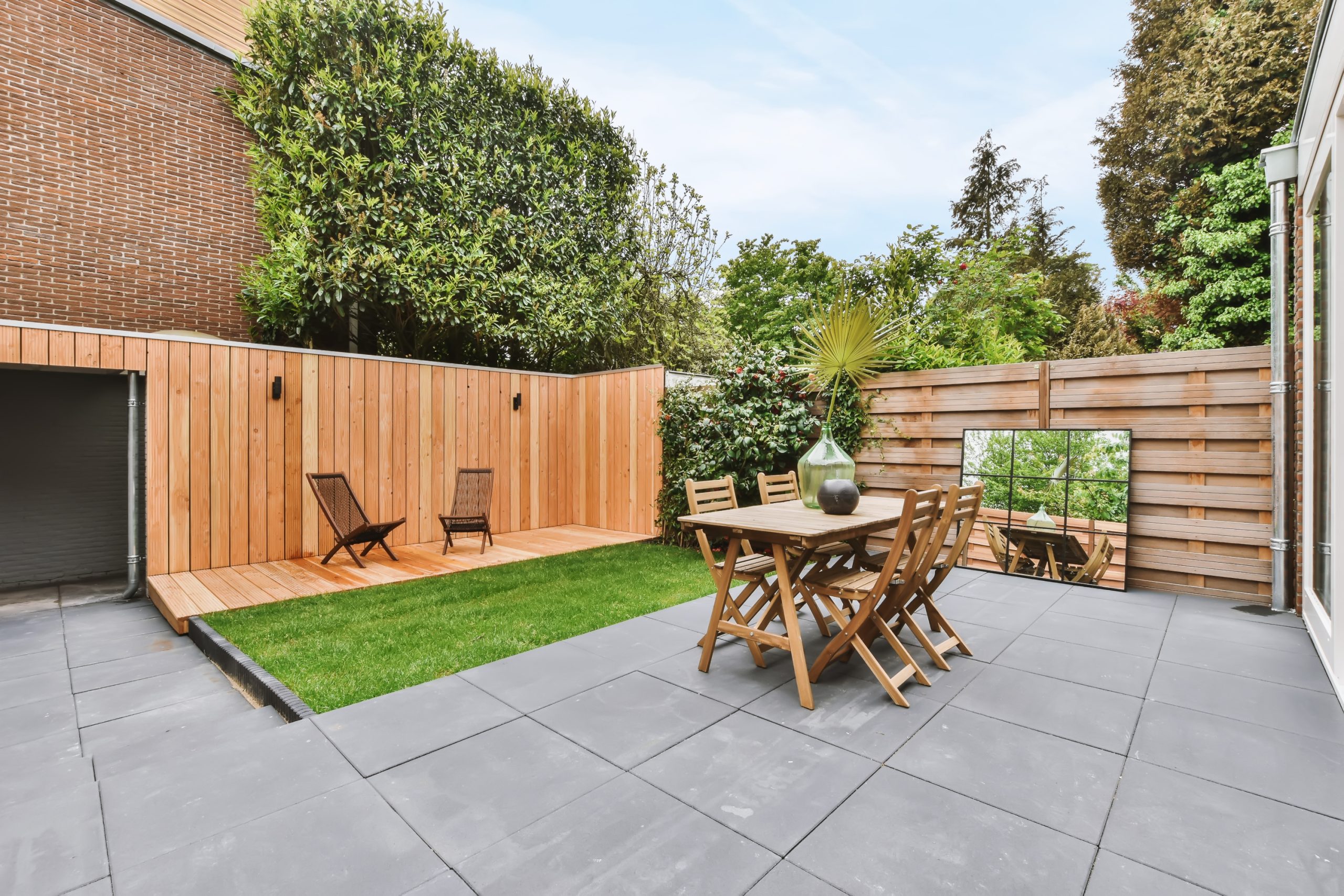
Patios. Most patios use C25 driveway concrete mix. This handles garden furniture, barbecues, hot tubs and regular foot traffic without cracking or crumbling.
Driveways. Cars are heavy, and they move. The combination of weight and friction means driveways need C25 or higher. If you have a particularly heavy vehicle or expect regular deliveries, consider C30.
Garage floors. Similar requirements to driveways. Go with C25 for standard domestic use. If you are planning a workshop with heavy machinery, C30 offers extra durability.
Foundations. Building regulations often specify minimum concrete strength grades for foundations. House extensions typically need C25 or C30 foundation concrete Barnsley. Always check with your building control officer.
How Mix Design Affects Performance
Concrete is not just cement and water. The mix includes aggregates (stones and sand), cement, water and sometimes additives.
The cement content affects strength. More cement generally means stronger concrete, but too much can cause cracking.
Aggregate size matters for different uses. Larger aggregates work well for foundations. Smaller aggregates create a smoother finish for exposed surfaces.
Water content changes workability. More water makes concrete easier to pour but reduces final strength. Your supplier balances this for you.
Additives modify properties. Retarders slow setting time for large pours. Accelerators speed things up in cold weather. Air-entraining agents improve frost resistance.
According to The Concrete Society, proper curing is essential for concrete to reach its designed strength. Keeping concrete moist for the first few days allows the chemical reactions that build strength to continue properly.
Practical Examples From Barnsley Projects
Example 1: Terraced house driveway A typical two-car driveway in Barnsley might measure 5m x 4m. For this, you would order C25 concrete Barnsley at 100mm depth. This handles daily car use and occasional delivery vans without problems.
Example 2: Back garden patio A 4m x 3m patio for a family barbecue area works well with C25 concrete at 75mm to 100mm depth. This manages table and chair legs, occasional plant pots being dragged across it, and children playing.
Example 3: Workshop shed base A larger shed housing tools and a workbench might be 3m x 2.5m. C20 is usually fine unless you plan to store genuinely heavy equipment. Pour at 100mm depth on a compacted sub-base.
Calculating Quantities
Once you know the grade, work out how much you need. Use our concrete calculator for accurate figures, or do the maths yourself:
Length (m) x Width (m) x Depth (m) = Volume in cubic metres
Remember to add 10% for wastage and uneven ground.
Special Requirements
Some projects need more than just the right strength.
Exposed aggregate finishes need a specific mix designed to reveal the stones underneath. Tell your supplier if you want this look.
Pumpable concrete has a different consistency for flowing through pump pipes. If you need a pump for difficult access, mention this when ordering.
Cold weather mixes include additives to help concrete set properly when temperatures drop. Winter pours in Barnsley often need this consideration.
Getting Expert Advice
Not sure which grade you need? Our ready mix concrete Sheffield team can help. Call 0114 273 1697 and tell us about your project. We will recommend the right concrete mix Barnsley for your specific job.
With over 40 years of experience, we know which grades work best for local conditions and typical projects. Getting the right advice upfront saves money and ensures your concrete lasts for decades.