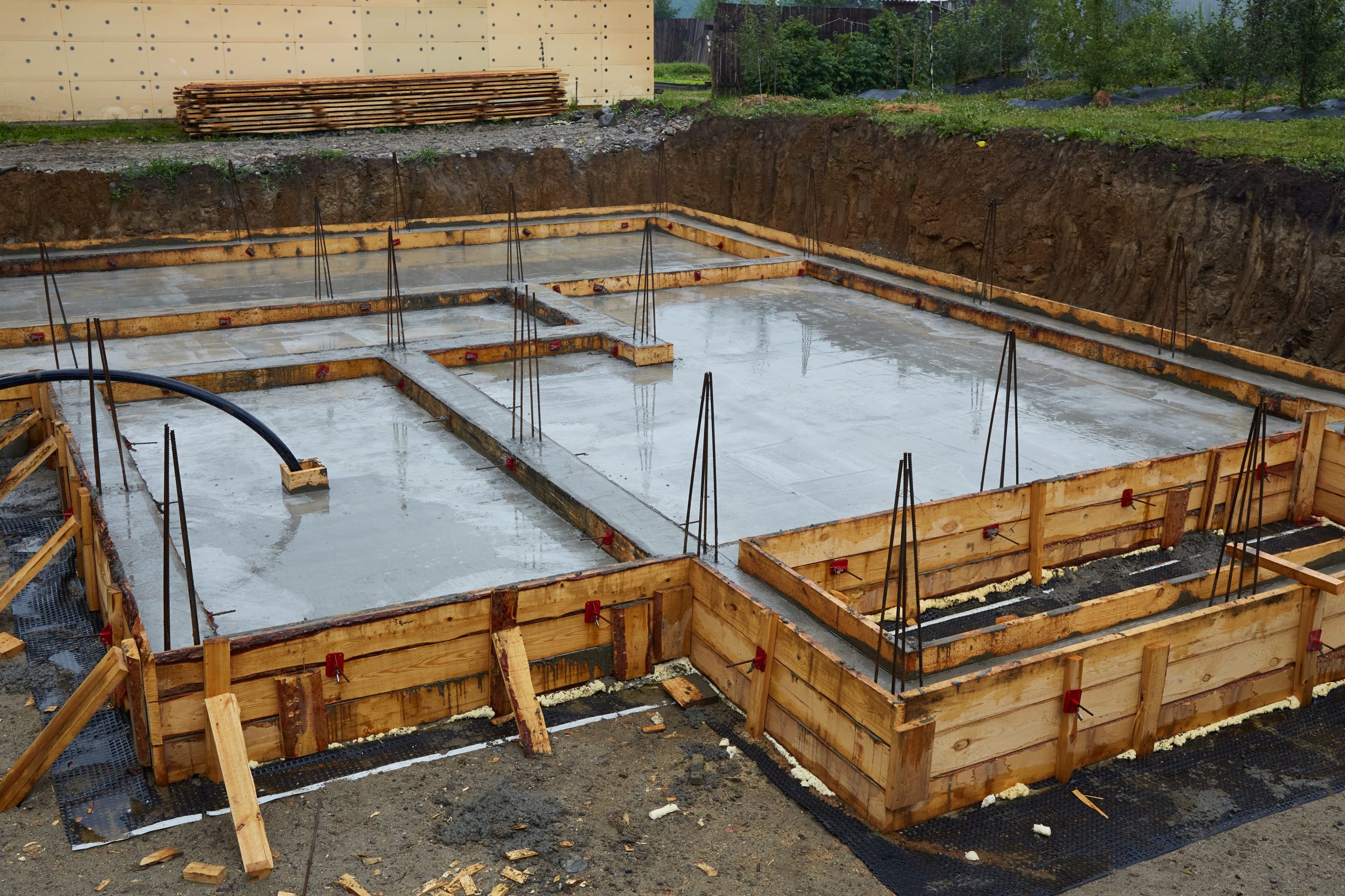
Taking on a DIY concrete project can feel daunting. Whether you’re laying a new patio, building a base for a garden room, or constructing a driveway, the prospect of mixing concrete yourself raises plenty of questions. How much do you need? Will you get the mix right? Can you physically manage the work involved?
Ready mix concrete answers many of these concerns, offering DIY enthusiasts a practical route to professional-quality results. Yet some people assume that ready mix is only for large commercial projects or professional builders. In reality, it’s often the smartest choice precisely because you’re tackling the work yourself.
Here’s why ready mix concrete deserves serious consideration for your next DIY project.
Consistent Quality Without the Guesswork
Getting concrete mix proportions right matters enormously. Too much water and the finished product will be weak and prone to cracking. Too little cement and strength suffers. Incorrect aggregate ratios affect workability, durability, and finish quality.
Professional batching plants eliminate this uncertainty entirely. Ready mix concrete is produced using calibrated equipment that weighs each ingredient precisely. The mix design follows established standards, ensuring the concrete you receive will perform as expected when it cures.
For DIY projects, this consistency provides genuine peace of mind. You’re not wondering whether your hand-mixed batches are comparable to each other, or whether that last load was slightly different because you were tired and rushing. Every bit of ready mix from a delivery meets the same specification.
This matters particularly for structural applications. A shed base might forgive minor inconsistencies, but foundations for an extension or supports for a pergola need reliable strength. Ready mix delivers that reliability without requiring you to develop expertise in concrete chemistry.
Time Savings That Transform Your Project
Time is the resource most DIY enthusiasts underestimate. Mixing concrete by hand or with a small mixer consumes hours that could go toward actually building something.
Consider the mathematics. A modest patio of around 15 square metres at 100mm thickness requires approximately 1.5 cubic metres of concrete. Mixed by hand, that represents dozens of individual batches, each requiring measuring, mixing, transporting, and placing. Even with a powered mixer, you’re looking at a full day’s exhausting work just handling the concrete—before any finishing begins.
Ready mix transforms this timeline. That same 1.5 cubic metres arrives on a single vehicle and can be placed within an hour or two. Your energy goes into spreading, levelling, and finishing rather than the repetitive grind of mixing batch after batch.
This time advantage extends beyond the pour itself. Weekends are precious, and DIY projects already stretch across more of them than anyone initially expects. Completing the concrete phase quickly frees subsequent weekends for other work, keeping your project moving forward rather than stalling at an early stage.
Physical Demands You Can Actually Manage
Mixing concrete manually is hard physical work. A single 25kg bag of cement represents just one component of a small batch. Add sand and aggregate, and each mix involves moving substantial weight. Multiply by the dozens of batches a reasonable-sized project requires, and you’re facing a genuinely gruelling task.
This physical demand creates real problems for many DIY enthusiasts. Not everyone has the fitness level for a full day of heavy labour. Injuries happen when tired people continue lifting and carrying. And projects that leave you physically broken for days afterwards lose much of their appeal.
Ready mix shifts the physical demands dramatically. You’ll still work hard spreading and finishing concrete, but you’re not exhausting yourself before that work even begins. The concrete arrives and flows to where it’s needed, leaving you fresh for the skilled tasks that actually determine how your finished project looks and performs.
For older DIYers, those with back problems, or simply anyone who prefers working smarter rather than harder, this reduction in physical strain can make the difference between a project being feasible or not.
Access to Professional Mix Designs
Different applications call for different concrete specifications. External hardstandings need frost resistance. Foundations require specific strength grades. Decorative work benefits from particular aggregate blends that finish attractively.
When mixing yourself, you’re largely limited to general-purpose formulations. Achieving specialised properties requires knowledge of admixtures and additives that most DIYers simply don’t possess.
Ready mix suppliers offer access to the full range of professional specifications. Need concrete that will resist freeze-thaw cycles in an exposed location? They can provide it. Want a mix designed for easy pumping to a difficult access point? That’s available too. Require a specific strength grade to satisfy building regulations? Just specify what’s needed.
This access to professional formulations means your DIY project can match the technical quality of professional work. The concrete itself performs identically whether placed by a contractor or a homeowner—because it’s exactly the same material.
Accurate Quantities With Less Waste
Estimating concrete requirements challenges even experienced builders. Order too little and you’re left with an incomplete pour and potential cold joints where fresh concrete meets partially cured material. Order too much and you’ve paid for material you can’t use.
Mixing yourself adds another layer of complexity. Bags of cement deteriorate once opened. Bulk aggregates delivered to your drive require storage space and may leave you with surplus after the project finishes. The multiple components create multiple opportunities for waste.
Ready mix simplifies quantity planning considerably. Suppliers help you calculate requirements based on your project dimensions. Volumetric mixing—where concrete is produced on site from a vehicle carrying separate ingredients—allows precise quantities with no waste from over-ordering.
Some suppliers offer smaller minimum orders suited to DIY project scales. Others provide mini mix services using compact vehicles that access domestic properties easily. These options make ready mix practical for projects that wouldn’t justify a full commercial delivery.
Technical Support When You Need It
Undertaking concrete work yourself doesn’t mean you have to figure everything out alone. Ready mix suppliers deal with concrete every day and understand the practicalities that DIY resources often overlook.
Good suppliers will discuss your project, recommend appropriate specifications, and highlight potential issues before they become problems. They can advise on preparation, timing, and techniques based on actual experience rather than generic guidance.
This support proves particularly valuable when things don’t go exactly to plan. Weather changes, access difficulties, and unexpected complications arise on real projects. Having a supplier who understands concrete and can offer practical solutions helps you navigate these challenges.
The advice is typically free and comes from genuine expertise. Suppliers want your project to succeed—satisfied customers return for future work and recommend services to others. This alignment of interests means the guidance you receive genuinely aims to help.
Weather and Timing Flexibility
Concrete work depends heavily on conditions. Hot weather accelerates setting, reducing working time. Cold weather slows curing and risks frost damage. Rain during finishing ruins surface quality.
When mixing yourself, you’re committed once you’ve started. Bags are opened, aggregates are measured out, and you have to continue regardless of changing conditions. Stopping midway wastes materials and potentially compromises the work already done.
Ready mix offers greater flexibility. Deliveries can be scheduled for optimal conditions, with suppliers monitoring weather forecasts as part of their planning. If conditions turn unexpectedly, you’re not left with half-mixed materials that can’t be used later.
Volumetric mixing provides even more adaptability. Because concrete is produced fresh on site, you can pause if needed and continue when conditions improve. This flexibility reduces the pressure to push through in marginal conditions that might compromise results.
Making Ready Mix Work for DIY Projects
Getting the most from ready mix concrete requires some planning, but nothing beyond a capable DIYer’s abilities.
Preparation matters most. Formwork should be complete, reinforcement positioned, and the site ready to receive concrete before the delivery arrives. Ready mix waits for no one—once it’s mixed, the clock is ticking on working time.
Access deserves careful thought. Discuss your property layout with the supplier so they can send an appropriate vehicle. Mini mix services using smaller lorries suit many residential situations better than full-sized commercial vehicles.
Have enough helpers available. While ready mix reduces the labour needed compared to manual mixing, you’ll still want assistance spreading and finishing. Concrete doesn’t pause while you catch your breath.
Plan for cleanup afterwards. Tools, wheelbarrows if used for distribution, and any spillages all need washing before concrete sets on them. Having water and cleaning equipment ready prevents problems.
The Bottom Line
Ready mix concrete brings professional-quality materials within reach of DIY projects. The consistency, time savings, reduced physical demands, and access to technical support combine to make ambitious projects achievable for capable homeowners.
Rather than viewing ready mix as an expensive option reserved for large jobs, consider it an investment in getting your project right. The additional cost over bagged materials often proves modest once you factor in time, effort, and waste—and the quality of your finished work will reflect the quality of materials you started with.
Your patio, driveway, or foundation will be part of your property for decades. Starting with properly specified, professionally batched concrete gives it the best possible chance of lasting just as long as it should.