If you’ve ever started planning a construction project, you’ve likely encountered the terms “concrete” and “ready mix” used in ways that seem almost interchangeable. Yet suppliers clearly differentiate between them, and pricing structures treat them as distinct products.
So what exactly is the difference? Is ready mix simply a type of concrete, or are they fundamentally different materials? And more importantly, which one do you actually need for your project?
Let’s clear up the confusion and help you understand what sets these options apart.
Understanding Concrete as a Material
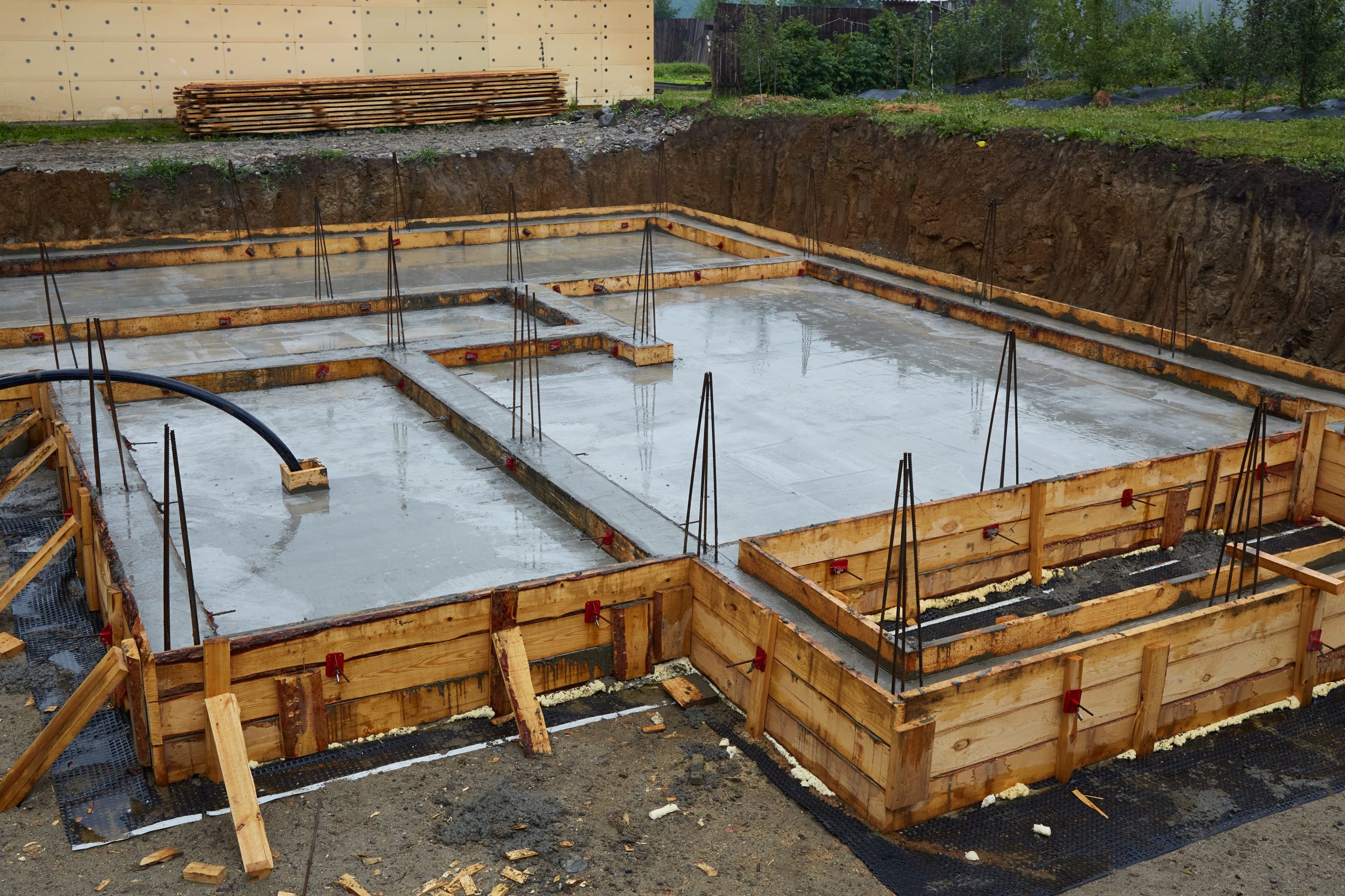
Concrete itself is one of the most widely used construction materials in the world. At its core, it’s a composite material made from a few essential ingredients: cement, water, and aggregates (typically sand and gravel or crushed stone).
When these components combine, a chemical reaction called hydration occurs. The cement reacts with water to form a paste that coats the aggregate particles and gradually hardens into the solid, durable material we recognise as concrete. This process continues for weeks after initial placement, with concrete gaining strength over time.
The proportions of these ingredients—known as the mix design—determine the concrete’s characteristics. More cement generally means higher strength. Different aggregates affect workability and finish. Additives can modify setting time, improve frost resistance, or enhance other properties.
Concrete as a concept, then, refers to the material itself regardless of how it’s produced or delivered.
What Makes Ready Mix Different?
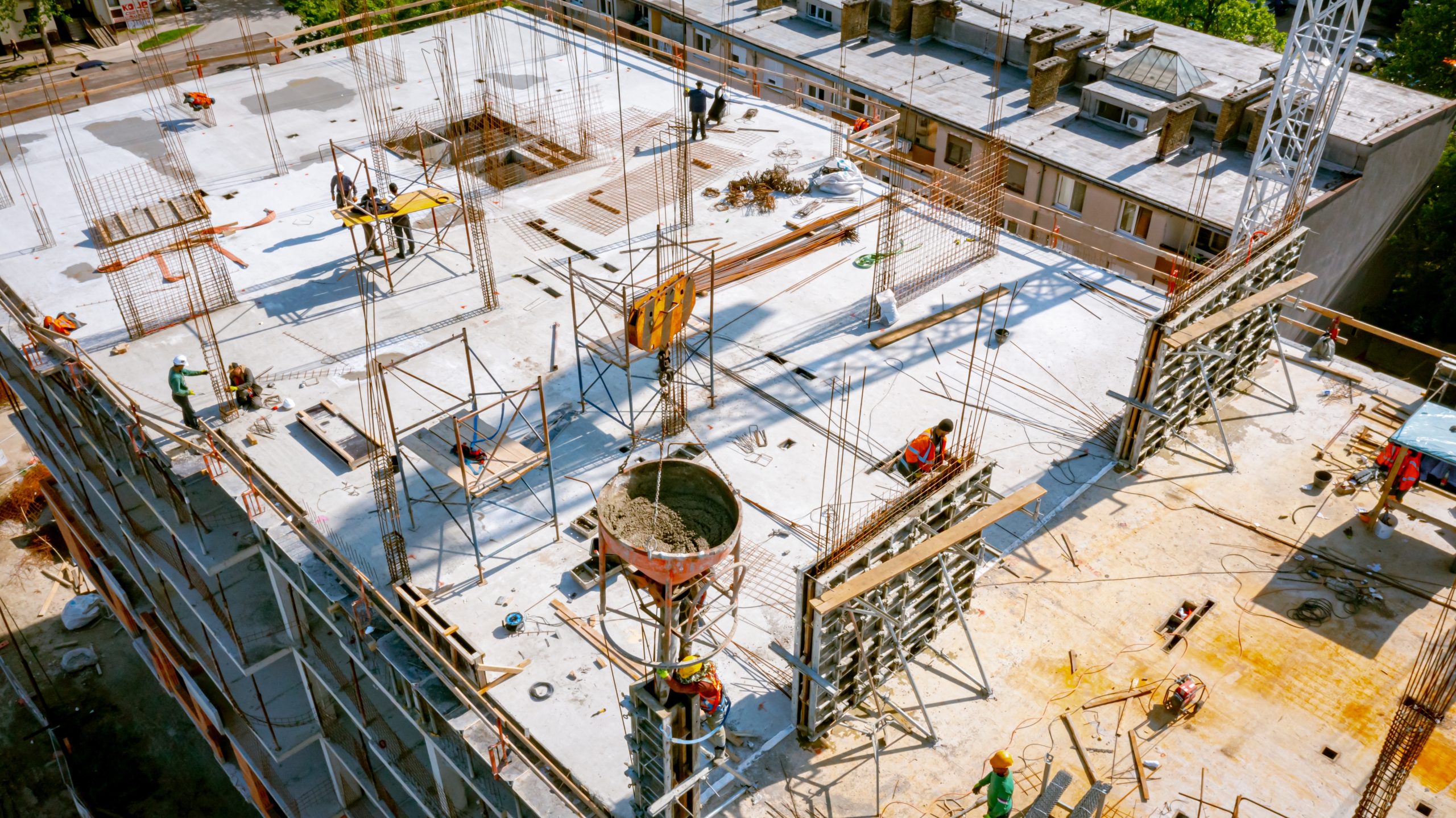
Ready mix concrete is exactly what the name suggests: concrete that arrives at your site ready to use. It’s manufactured at a batching plant under controlled conditions, loaded into mixing lorries, and delivered directly to where you need it.
The “ready” part is the crucial distinction. Rather than mixing concrete yourself on site, you receive a precisely formulated product that’s been prepared according to specific standards. The batching plant weighs and combines ingredients accurately, ensuring consistency that’s difficult to achieve with manual mixing.
Ready mix isn’t a different material from concrete—it’s a different method of production and delivery. The end product is still concrete, with the same fundamental properties and applications. The difference lies entirely in how that concrete comes into being and reaches your project.
Site Mixed Concrete: The Alternative
To understand ready mix fully, it helps to consider the alternative: site mixed concrete. This is concrete produced on location using bags of cement, locally sourced aggregates, and water mixed together manually or with small machinery.
Site mixing was the standard approach for generations and still has its place today. For very small jobs—perhaps setting a few fence posts or creating a small pad for a bin store—buying bags of cement and mixing by hand can make practical sense. You control the timing completely, can work at your own pace, and avoid minimum order quantities.
However, site mixing comes with significant limitations. Achieving consistent quality requires careful measurement and thorough mixing, which demands both skill and effort. Physical labour is considerable, particularly for anything beyond the smallest projects. And the time involved multiplies quickly as volumes increase.
A cubic metre of concrete—roughly enough for a small shed base—requires approximately 350kg of cement, along with nearly a tonne of sand and over a tonne of gravel. Mixing that by hand represents a substantial undertaking.
The Practical Advantages of Ready Mix
Ready mix concrete has become the preferred choice for most construction projects, and the reasons extend beyond simple convenience.
Consistency and quality control stand among the primary benefits. Batching plants operate with calibrated equipment that measures ingredients precisely. The resulting concrete meets specified standards reliably, batch after batch. This matters enormously for structural applications where strength requirements aren’t merely desirable but essential.
Time savings prove equally significant. A ready mix delivery can place in minutes what might take hours to mix on site. For larger projects, this difference becomes dramatic. Labour that would otherwise go into mixing can focus on placing, finishing, and other value-adding activities.
Reduced site congestion follows naturally. Ready mix eliminates the need to store bulk aggregates and cement bags on site. For urban projects or locations with limited space, this simplification can make the difference between a manageable site and a logistical nightmare.
Technical expertise comes built into the service. Ready mix suppliers understand concrete chemistry and can recommend appropriate mix designs for specific applications. Need higher strength for a structural slab? Require improved workability for pumping? Want enhanced durability for external use? The batching plant can adjust formulations accordingly.
When Might You Choose Each Option?
Despite the clear advantages of ready mix for most applications, situations exist where site mixing makes sense.
Very small quantities often fall into this category. Ready mix suppliers typically have minimum order requirements, and the economics don’t always work for tiny pours. If you need just a few buckets of concrete, mixing from bags remains practical.
Remote locations can present challenges for ready mix delivery. Concrete has a limited working time—typically a couple of hours depending on conditions—and sites far from batching plants may struggle to receive material in usable condition.
Staged pours over extended periods sometimes suit site mixing. If you’re working alone on a project and need to place small amounts over several days, controlling your own mixing gives flexibility that scheduled deliveries can’t match.
For anything beyond these scenarios, ready mix typically offers better value despite the higher apparent cost per cubic metre. When you factor in labour, time, and the certainty of quality, the calculation usually favours professional batching.
Volumetric Mixing: A Third Option
It’s worth mentioning a middle ground that combines elements of both approaches. Volumetric mixing uses specialist vehicles that carry raw ingredients separately and mix concrete on site to order.
This method offers the quality control of ready mix batching with added flexibility. Concrete is mixed fresh at the point of delivery, eliminating concerns about working time during transit. You can order precisely the quantity you need, avoiding waste from over-ordering. And adjustments to the mix can happen on the spot if requirements change.
For projects where exact quantities are uncertain, where access limits the size of delivery vehicles, or where extended pours require fresh material throughout the day, volumetric mixing provides an excellent solution.
Making the Right Choice
The difference between concrete and ready mix comes down to production method rather than material composition. Concrete describes the product itself; ready mix describes a way of manufacturing and delivering that product.
For most construction projects, ready mix concrete—whether from traditional batching or volumetric mixing—offers the best combination of quality, convenience, and overall value. The precision of professional batching, the time savings of delivered material, and the technical support from experienced suppliers all contribute to better outcomes.
Understanding these distinctions helps you communicate effectively with suppliers and make informed decisions about your project. Whether you’re laying a patio, constructing foundations, or tackling a larger commercial build, knowing what you’re ordering and why puts you in control.
The Bottom Line
Concrete is the material. Ready mix is a service that delivers that material precisely formulated and ready to place. While site mixing still has niche applications, ready mix has become the construction industry standard for good reasons—and understanding those reasons helps you get the best results from your own projects.