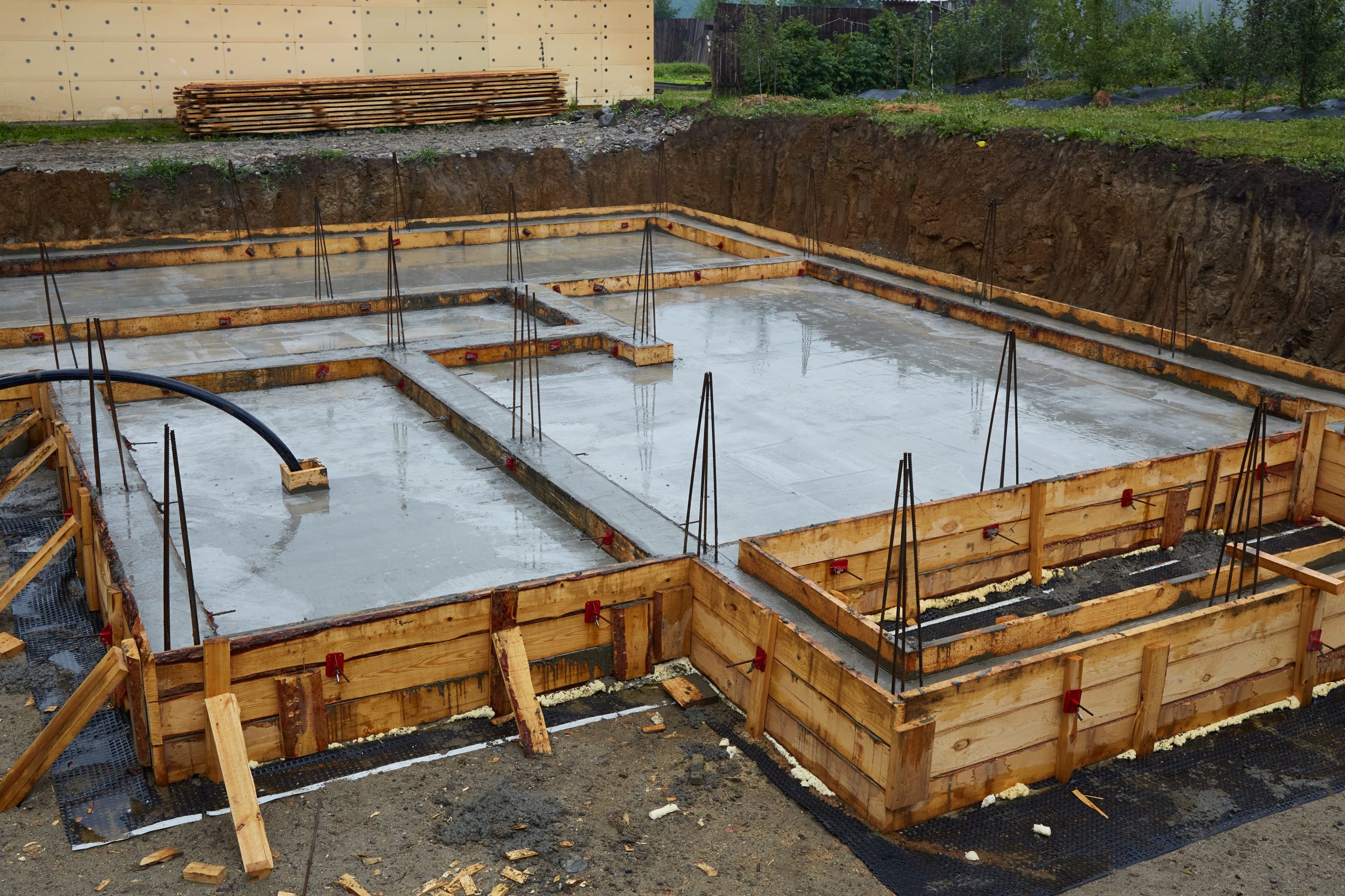
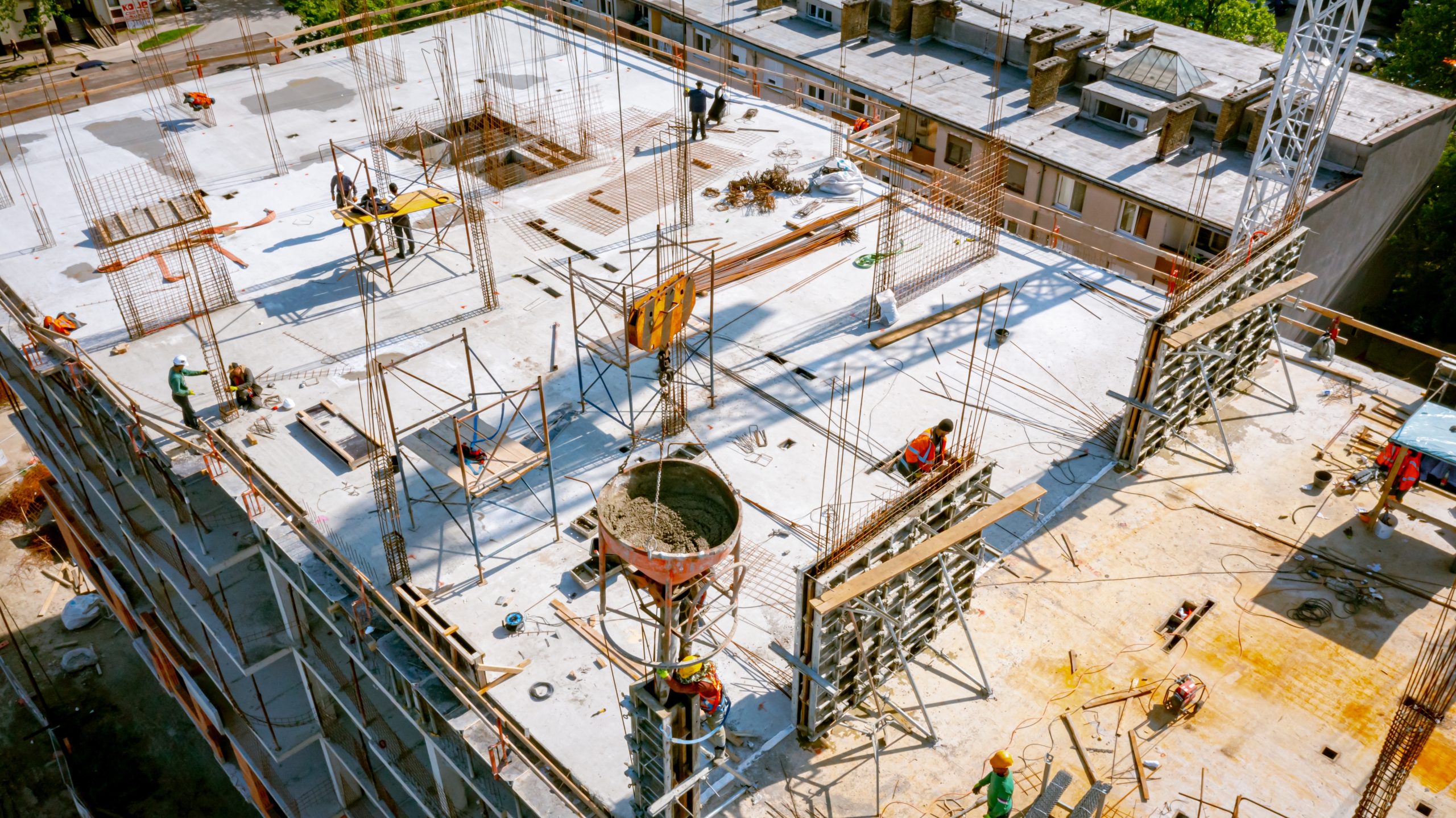
Home improvement projects involving concrete present a fundamental choice: mix it yourself or have it delivered ready to use. For many homeowners, the instinct leans toward self-sufficiency—buying bags, hiring a mixer, and doing everything from scratch feels like the proper DIY approach.
Yet there’s a reason professional builders overwhelmingly choose ready mix concrete, and those same reasons apply just as strongly to home projects. Understanding the genuine benefits helps you make a decision based on what actually delivers the best outcome rather than assumptions about what serious DIYers should do.
Here’s what ready mix concrete genuinely offers for your home projects.
Professional-Grade Quality
The concrete in commercial buildings, bridges, and infrastructure projects comes from batching plants using precisely controlled processes. Ready mix for your patio or driveway comes from exactly the same source, made to exactly the same standards.
Batching plants weigh each ingredient with calibrated equipment. Cement, aggregates, water, and any admixtures combine in exact proportions specified for the intended application. This precision ensures the concrete will achieve its design strength and perform reliably throughout its service life.
Hand mixing simply cannot match this consistency. Human measurement introduces variation. Fatigue as the job progresses affects accuracy. The tenth batch mixed after hours of work rarely matches the first batch mixed when you were fresh and careful.
For home projects, this quality difference manifests in tangible ways. Surfaces cure more evenly without weak patches. Structural elements achieve reliable strength without uncertainty. The finished work performs as expected for decades rather than developing problems prematurely.
Substantial Time Savings
Time represents the hidden cost of DIY concrete work. Mixing by hand or with a small powered mixer consumes hours that the project timeline rarely accounts for properly.
The arithmetic is sobering. Each cubic metre of concrete requires roughly 350kg of cement, 700kg of sand, and 1,200kg of aggregate. Moving, measuring, and mixing these materials by hand takes considerable time even for modest quantities. A typical driveway might need five cubic metres or more—that’s tonnes of material requiring dozens of individual batches.
Ready mix compresses this timeline dramatically. Material arrives mixed and ready for placement. A pour that might consume an entire weekend using traditional methods can be completed in a morning with ready mix, leaving time for proper finishing work rather than rushing as daylight fades.
This efficiency extends beyond the immediate project. Weekends reclaimed from mixing can go toward other improvements. Projects finish sooner, meaning you enjoy the results earlier. And the energy you’d spend on repetitive physical labour remains available for the skilled work that actually determines final quality.
Reduced Physical Strain
Concrete work has always been physically demanding, but mixing your own materials elevates that demand substantially. Every bag of cement weighs 25kg. Aggregate comes in bulk requiring shovelling and transporting. Each batch involves lifting, pouring, and mixing before the actual placement work even begins.
This physical burden creates genuine problems. Backs give out. Muscles cramp. Fatigue leads to accidents and injuries. Projects that seemed manageable during planning become ordeals during execution.
Ready mix shifts the physical equation considerably. You’ll still work hard placing and finishing concrete, but you’re not exhausted before that work starts. The demanding labour of materials handling happens at the batching plant using equipment designed for the purpose, not in your garden using your body.
For homeowners who aren’t construction labourers by trade, this difference matters enormously. A project that remains physically achievable is far more likely to be completed well than one that leaves you struggling from the first hour.
Accurate Quantities
Calculating concrete requirements involves geometry that seems straightforward but catches people out regularly. Volumes multiply faster than intuition suggests. Irregular shapes complicate estimates. Waste and spillage consume more than planned.
Getting quantities wrong creates problems either way. Too little concrete leaves you with an incomplete pour and difficult decisions about whether to continue with a separate batch that may not bond properly. Too much means paying for material you can’t use, often left setting in the mixer or dumped in an inconvenient location.
Ready mix suppliers help you get quantities right. They calculate requirements based on your project dimensions, applying experience-based factors for waste and practical considerations. Volumetric mixing takes this further, producing concrete on site so you receive precisely what the job actually needs rather than a predetermined estimate.
This accuracy reduces waste, controls costs, and eliminates the anxiety of wondering whether you’ve ordered enough or too much.
Technical Expertise Included
Concrete seems simple—cement, sand, gravel, and water—but the details matter more than most people realise. Different applications require different mix designs. Exposure conditions affect specification choices. Admixtures modify properties for specific purposes.
When mixing yourself, you’re limited to basic formulations and whatever guidance appears on cement bags. Achieving particular strength grades, workability characteristics, or durability properties requires knowledge that takes years to develop.
Ready mix suppliers provide access to that expertise as part of the service. Describing your project prompts recommendations about appropriate specifications. Questions about preparation, timing, and technique receive answers based on daily experience rather than theoretical understanding.
This technical support helps avoid mistakes that might not become apparent until months or years later. Concrete that cracks, spalls, or fails structurally often does so because of specification errors made long before placement. Getting expert input at the ordering stage prevents problems that would otherwise prove costly to remedy.
Predictable Costs
DIY projects have a tendency to exceed budgets, and concrete work exemplifies this pattern when approached through self-mixing. The obvious costs—cement bags, aggregate deliveries, mixer hire—represent only part of the picture.
Hidden costs accumulate throughout the process. Wasted materials from over-ordering or spoilage. Additional time taken from work or other commitments. Tools and equipment purchased for a single project then rarely used again. Physical recovery time after exhausting labour.
Ready mix provides cost clarity. A quote covers the concrete itself, delivery, and often pumping if required. The total might appear higher than buying raw materials, but it reflects the genuine complete cost rather than an optimistic estimate that grows during execution.
For larger home projects, ready mix frequently proves cheaper overall once all factors receive honest accounting. The apparent savings from buying bags evaporate when realistic labour time and material waste enter the calculation.
Consistent Results Across Your Project
Larger home projects—driveways, patios, garage bases—require multiple batches of concrete regardless of mixing method. Consistency between those batches affects both appearance and performance.
Hand-mixed batches vary inevitably. Measurement precision drifts. Water content changes as you adjust for workability. Different areas of the finished work cure to slightly different colours and textures, revealing the piecemeal approach.
Ready mix maintains consistency throughout the pour. Material from a single delivery shares identical composition. Even across multiple deliveries, batching plant controls ensure the specification remains constant. The finished work cures uniformly without visible variations betraying how it was placed.
This consistency matters particularly for decorative work where appearance is paramount. Patios and driveways remain visible for decades, and surface variations become increasingly obvious as the concrete weathers.
Better Timing Control
Concrete waits for no one. Once cement and water meet, chemical reactions begin that progressively reduce workability and eventually produce hardened material that can’t be adjusted. Managing this timeline while simultaneously mixing presents challenges that ready mix avoids.
Mixing yourself creates competing demands on your attention. Each batch requires focus to maintain quality, but the previously placed material needs monitoring and finishing work. Rushing either task compromises results.
Ready mix separates these concerns. Material arrives ready for placement, allowing full attention to spreading, levelling, and finishing. The concrete’s working time becomes available for quality workmanship rather than divided between making and using the material.
For larger pours requiring sustained placement, this advantage compounds. Continuous delivery maintains a wet edge—the interface where new concrete meets fresh material—ensuring proper bonding without cold joints.
Appropriate Specifications for Your Application
Home projects vary enormously in their requirements. A base for a lightweight garden shed differs from a foundation supporting an extension. External paving needs frost resistance that internal floor slabs don’t require. Decorative work benefits from fine aggregates that would be unnecessary for concealed foundations.
Accessing appropriate specifications when mixing yourself proves difficult. General-purpose bagged products serve a wide range of applications adequately but none of them optimally. Sourcing specific cement types, aggregate grades, or admixtures for a single home project rarely makes practical sense.
Ready mix opens the full range of professional specifications. Suppliers offer concrete designed for specific applications, from basic foundations to specialist decorative finishes. Your home project benefits from exactly the same material options available to professional contractors.
Minimised Disruption
Home projects happen where you live, creating disruption that extends beyond the work itself. Materials require storage. Vehicles need access. Mess spreads beyond the immediate work area.
Self-mixing multiplies this disruption. Bulk aggregate deliveries occupy driveway space for days or weeks. Cement bags need dry storage. Mixing inevitably spreads dust and debris beyond the intended area.
Ready mix concentrates the disruption into a brief delivery window. Material arrives, gets placed, and the vehicle leaves. No extended storage period. No bulk materials cluttering your property. The mess associated with concrete work remains, but the additional mess from mixing doesn’t.
For homes where space is limited or where neighbours are sensitive to disruption, this concentration of activity into a shorter period provides meaningful benefits.
The Practical Reality
Choosing ready mix for home projects isn’t about avoiding hard work or lacking DIY commitment. It’s about recognising where your effort produces the best return.
The skilled work of concrete placement—preparing formwork, managing levels, finishing surfaces, curing properly—determines how your project looks and performs for years to come. This is where your time and attention genuinely add value.
The mechanical work of mixing concrete adds nothing to the final result. It’s simply a means of producing material that ready mix provides more reliably, more quickly, and often more economically.
The Bottom Line
Ready mix concrete brings professional-quality materials to home projects without requiring professional budgets or expertise. The consistency, time savings, reduced physical demands, and access to technical support combine to make better outcomes more achievable.
Your home deserves construction materials that will perform properly for decades. Ready mix provides that assurance in a form that makes even ambitious projects manageable for capable homeowners willing to invest effort where it actually counts.