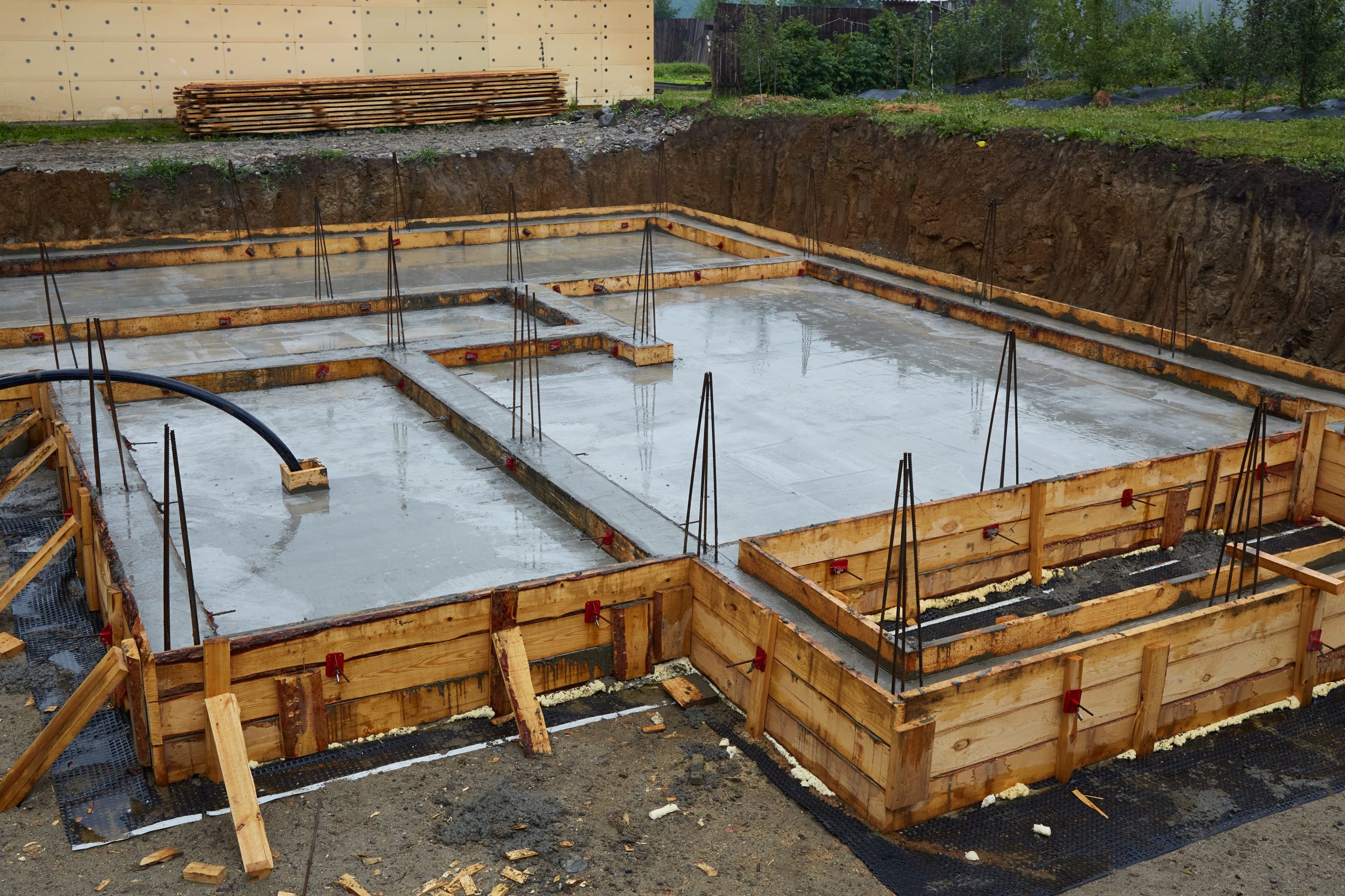
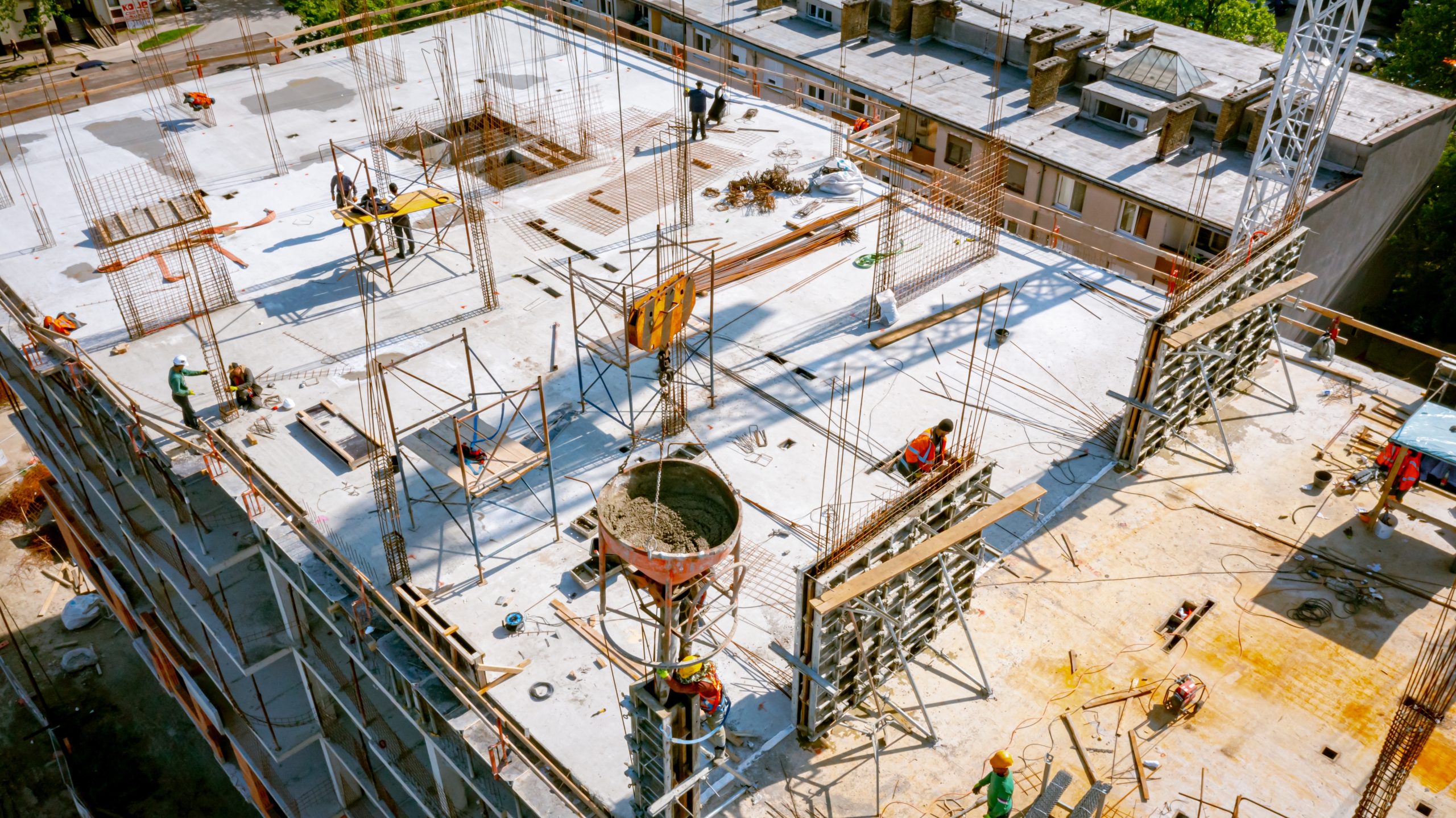
Concrete pumping has become standard practice across the construction industry, from major commercial developments to domestic extensions and garden projects. Yet many people planning their first significant concrete pour still wonder whether pumping is worth the additional cost.
The short answer? In most cases, yes. But understanding exactly why concrete pumping delivers value helps you make an informed decision rather than simply taking a supplier’s word for it.
Let’s explore the genuine benefits that make concrete pumping the preferred choice for projects of all sizes.
Speed of Placement
Time matters on any construction project. Every day spent on site represents labour costs, equipment hire, and delays to subsequent trades waiting to begin their work. Concrete pumping dramatically reduces the time required to move material from delivery vehicle to final position.
Consider the alternative. Without pumping, concrete must travel by wheelbarrow, dumper, or crane-lifted skip from where the lorry can park to where the pour is happening. Each journey takes time. Workers tire as the day progresses, slowing the pace further. And all the while, the concrete itself is gradually setting, reducing the window available for proper placement and finishing.
Pumping changes this equation entirely. Material flows continuously from mixer to placement point at rates that would require a small army of workers to match manually. A pour that might take a full day using traditional methods can often be completed in a few hours with pumping.
This speed advantage compounds across the project. Faster concrete placement means formwork can be struck sooner, follow-on trades can access the area earlier, and the overall programme moves forward more quickly. The cost of pumping often pays for itself through these knock-on time savings alone.
Reduced Labour Requirements
Construction labour represents one of the largest cost centres on any project. Concrete work has traditionally been labour-intensive, requiring teams of workers to transport, place, and consolidate material throughout the pour.
Pumping substantially reduces the workforce needed. Rather than multiple labourers shuttling wheelbarrows back and forth, a pump operator and a small team managing the hose can handle material placement. The workers you do need can focus on the skilled tasks of spreading, levelling, and finishing rather than the exhausting work of moving heavy loads.
This reduction matters beyond simple cost savings. Finding reliable construction labour has become increasingly challenging. Projects that can operate efficiently with smaller teams face fewer recruitment headaches and less vulnerability to absent workers disrupting schedules.
The physical demands of manual concrete handling also carry health and safety implications. Repeated heavy lifting contributes to musculoskeletal injuries that affect workers’ long-term wellbeing and create potential liability issues for contractors. Pumping eliminates much of this strenuous activity, creating a safer working environment.
Access to Difficult Locations
Perhaps no benefit of concrete pumping proves more valuable than the ability to reach locations that would otherwise be impractical or impossible to serve. Construction sites rarely offer the luxury of positioning delivery vehicles exactly where concrete is needed.
Boom pumps mounted on lorries can extend their articulated arms over obstacles, around corners, and to considerable heights. A pour on the third floor of a building under construction becomes straightforward rather than requiring elaborate scaffolding or crane arrangements. A garden project at the rear of a terraced property receives concrete as easily as one with full driveway access.
Line pumps offer different but equally valuable capabilities. Their flexible hoses can thread through narrow passages, down staircases, and into confined spaces. Basement pours, pool construction in enclosed gardens, and renovation work within existing buildings all become manageable with line pumping.
This access capability often makes the difference between a project being feasible or not. Without pumping, some sites would require such elaborate material handling arrangements that costs would become prohibitive. Pumping provides a practical solution that keeps projects viable.
Improved Concrete Quality
The quality of finished concrete depends heavily on how it’s handled between mixing and final placement. Every transfer, every delay, and every disturbance affects the material’s ultimate performance. Pumping minimises these quality risks in several important ways.
Concrete begins setting from the moment water meets cement. The chemical reaction is relentless, and extended handling times reduce workability while potentially compromising strength development. Pumping moves material rapidly from mixer to final position, minimising the time available for these negative effects to accumulate.
Segregation presents another quality concern with traditional handling methods. The various components of concrete—cement paste, sand, and larger aggregates—can separate during rough handling, resulting in inconsistent material that performs unpredictably. The continuous flow through pump lines maintains mix consistency more effectively than repeated dumping and shovelling.
Consolidation, the process of removing air voids from placed concrete, also benefits from pumping. Material delivered under pressure tends to compact more thoroughly than concrete simply dumped into formwork. While proper vibration remains important, pumped concrete often starts from a better baseline.
Precision of Placement
Accuracy matters in concrete work. Material placed where it shouldn’t be creates waste and cleanup problems. Material missing from where it should be creates structural concerns. Traditional methods involving wheelbarrows and manual handling inevitably produce some spillage and imprecision.
Pumping offers controlled, directed placement that puts concrete exactly where it’s needed. The operator managing the hose or boom can position material with considerable accuracy, filling formwork systematically without overspill. This precision reduces waste and minimises the effort required for cleanup.
For complex pours involving dense reinforcement, precise placement becomes even more valuable. Concrete needs to flow around and between steel bars to create proper encasement. Directed placement from a pump hose allows material to be introduced at specific points, ensuring complete filling of congested areas that might trap voids with less controlled methods.
Continuous Pour Capability
Many concrete applications benefit from—or absolutely require—continuous placement without interruption. Cold joints, the planes of weakness that form when fresh concrete meets partially set material, can compromise structural integrity and create pathways for water ingress.
Pumping supports continuous pours by delivering material at steady rates that match placement requirements. Rather than stop-start deliveries limited by how quickly workers can empty each load, pumped concrete flows at whatever pace the job demands. Large slabs, deep foundations, and structural elements can all be placed without the interruptions that create quality risks.
This capability matters particularly for time-sensitive specifications. Some concrete mixes have limited working windows, and some specifications prohibit cold joints entirely. Pumping provides the delivery mechanism that makes compliance with these requirements practical.
Cost Effectiveness
The benefits discussed above combine to create overall cost effectiveness that often surprises first-time users of pumping services. While the pump itself represents an additional line item on project costs, the savings it generates frequently exceed this expense.
Labour savings typically provide the most significant offset. Reducing the workforce needed for a pour, even by just a few workers, quickly adds up to substantial amounts. Faster completion times reduce overall labour hours further still.
Material savings contribute as well. Precise placement means less waste from overspill or rejected concrete that set before placement. Consistent quality means fewer problems requiring remediation later.
Programme benefits, though harder to quantify, often matter most of all. Projects completed faster generate returns sooner—whether that means a commercial building opening for business, a home extension becoming usable, or simply contractor resources freed for the next job.
When Does Pumping Make Sense?
Concrete pumping delivers benefits across most applications, but the value varies with project characteristics. Larger pours benefit most obviously from the speed and labour advantages. Difficult access situations may find pumping essential rather than merely beneficial. Quality-critical structural work gains from the improved placement and consolidation.
Smaller pours can still justify pumping, particularly where access is restricted or where the alternative would require disproportionate manual effort. A cubic metre of concrete weighs roughly 2.4 tonnes—moving that by wheelbarrow represents considerable work regardless of how modest the project might seem.
The calculation also depends on your specific circumstances. If labour is readily available and inexpensive, and access is straightforward, traditional methods may suffice. But for most projects, most of the time, pumping offers the better solution.
The Bottom Line
Concrete pumping has earned its place as standard practice because it genuinely delivers value. Faster placement, reduced labour, better access, improved quality, and greater precision combine to make pumping the sensible choice for projects ranging from domestic foundations to major commercial developments.
Understanding these benefits helps you plan effectively and communicate with suppliers about your project’s requirements. When concrete needs to reach its destination efficiently and in optimal condition, pumping provides the answer.