When planning a concrete project, cost is inevitably a primary consideration. The question “Is ready-mix concrete cheaper?” doesn’t have a simple yes or no answer because “cheaper” depends entirely on what you’re comparing it to and how you define value. Understanding the true cost comparison requires looking beyond the initial price tag to consider time, quality, convenience, and long-term durability.
What Is Ready-Mix Concrete?
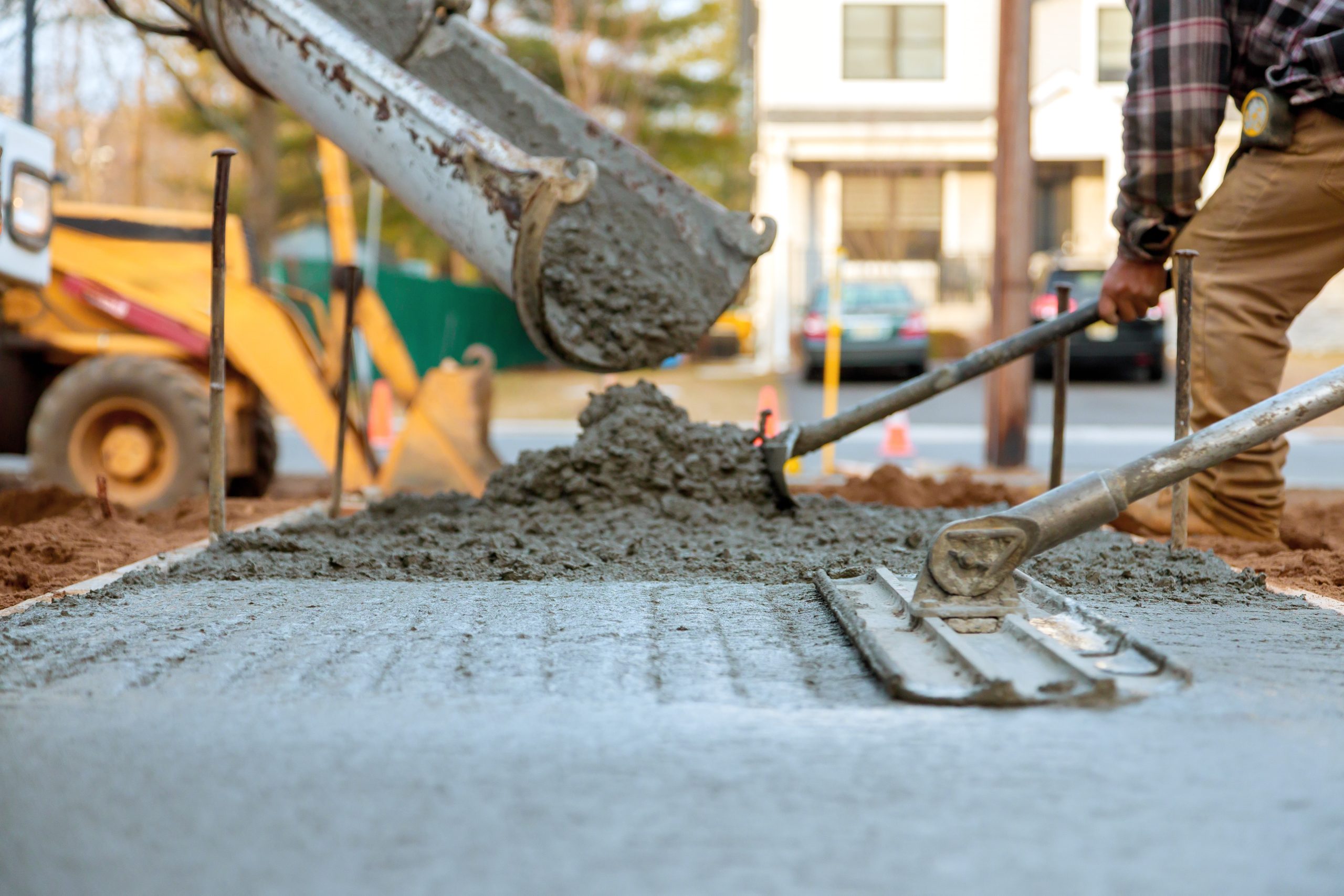
Ready-mix concrete is professionally batched concrete that’s mixed at a plant to exact specifications and delivered to your site in a mixer lorry, ready to pour. The concrete arrives in a plastic state, properly mixed and quality-controlled, allowing you to focus entirely on placement and finishing rather than mixing.
Comparing Ready-Mix to Alternative Options
Ready-Mix vs DIY Bag Mixing
For very small projects under 0.1 cubic metres, buying pre-mixed concrete bags from a builders’ merchant appears cheaper on paper. A few bags costing £4-6 each seems economical compared to minimum delivery charges for ready-mix.
However, once you exceed approximately 0.25 cubic metres (roughly equivalent to 25-30 bags), the economics shift decisively in favour of ready-mix. Beyond this point, the labour of mixing dozens of bags, the time investment, and the difficulty of maintaining consistency make ready-mix substantially better value.
Consider that mixing 30 bags manually could take several hours of exhausting work, whilst a ready-mix delivery discharges the same volume in minutes. Your time and physical effort have real value that purely comparing material prices ignores.
Ready-Mix vs On-Site Volumetric Mixing
Volumetric mixing involves a special lorry that carries separate materials and mixes them on-site to order. This offers flexibility for projects with uncertain volumes or where you need different concrete mixes.
Volumetric mixing typically costs more per cubic metre than traditional ready-mix. The specialised equipment and flexibility command a premium. For most standard projects where you know your requirements in advance, traditional ready-mix proves more economical whilst still delivering excellent quality.
Ready-Mix vs Site-Mixed Concrete
Some larger construction projects use on-site batching plants that mix concrete throughout the build. This approach only becomes economical for very substantial projects requiring hundreds of cubic metres over extended periods.
For typical domestic and small commercial projects, the capital cost of establishing on-site mixing facilities, storing materials, and maintaining quality control makes ready-mix far more cost-effective. The infrastructure investment simply doesn’t justify itself for modest volumes.
The True Cost Factors Beyond Price Per Cubic Metre
Labour Efficiency
Ready-mix eliminates mixing labour entirely. Rather than having workers spend hours preparing concrete, your entire team can focus on placing and finishing. This labour efficiency often translates to completing projects in one session rather than spreading them over multiple days.
If you’re paying contractors or tradespeople by the day, reducing project duration from two days to one through ready-mix efficiency can save more than the concrete delivery cost itself.
Time Savings
Time is money, particularly in construction. Weather windows are limited, project schedules are tight, and coordination with other trades matters. Ready-mix allows you to pour significant volumes quickly, maximising productive use of good weather and keeping projects on schedule.
Delays from slow manual mixing can cascade through project timelines, causing knock-on delays that cost far more than any savings from cheaper concrete alternatives.
Consistency and Quality
Professional ready-mix is batched using computerised systems that ensure exact proportions every time. This consistency is virtually impossible to achieve with manual mixing, where variations between batches are inevitable.
Poor quality concrete that cracks, spalls, or fails prematurely costs enormously more to repair or replace than the difference between ready-mix and DIY alternatives. The quality assurance ready-mix provides is part of its value proposition.
Reduced Equipment Needs
Ready-mix eliminates the need to hire cement mixers, purchase measuring equipment, or arrange transport for materials. These costs, whilst individually modest, accumulate quickly and must factor into any genuine cost comparison.
Minimum Wastage
Professional suppliers accurately calculate the volume you need, minimising wastage. When buying materials separately, most people overestimate requirements and end up with unused cement, sand, or aggregate that goes to waste or requires storage space.
Physical Demand
The physical toll of manual mixing is substantial. Back injuries, exhaustion, and muscle strain are common when handling tonnes of materials. Whilst not directly financial, the physical cost of manual mixing represents real value in choosing ready-mix.
When Ready-Mix Offers the Best Value
Medium to Large Projects
For anything over 0.5 cubic metres, ready-mix typically proves most economical when all factors are considered. The time savings, quality assurance, and labour efficiency outweigh any apparent material cost advantages of alternatives.
Structural Applications
Foundations, structural slabs, driveways, and load-bearing elements require reliable strength. The quality consistency and documentation provided with ready-mix (delivery tickets showing specified strength grades) makes it essential for critical applications.
Time-Sensitive Projects
When weather windows are limited or project schedules are tight, ready-mix’s speed and reliability provide value that far exceeds cost differences. Being able to complete a pour in optimal conditions rather than spreading it over multiple days is invaluable.
Projects Requiring Building Control
For work requiring building regulation compliance, inspectors often need to verify concrete strength grades. Ready-mix delivery tickets provide this documentation, whilst DIY mixed concrete lacks official verification.
Commercial and Professional Projects
For contractors and professional builders, ready-mix is almost universally the most cost-effective option. The time saved and quality assured directly impacts profitability and reputation.
When Alternatives Might Be More Economical
Very Small Repairs
For minor repairs, patching small areas, or setting a few fence posts, buying several bags of pre-mixed concrete genuinely costs less than minimum ready-mix delivery charges.
Projects Under 0.1 Cubic Metres
Below this threshold, material costs for bags typically undercut ready-mix delivery, making DIY mixing the economical choice for truly minor work.
Remote or Inaccessible Locations
If ready-mix lorries cannot access your site or delivery charges are prohibitive due to location, alternatives may be necessary regardless of comparative costs.
Non-Critical Decorative Work
For garden features, decorative elements, or applications where structural strength isn’t paramount, the quality advantages of ready-mix matter less, potentially making cheaper alternatives viable.
Understanding True Value vs Initial Cost
The cheapest option isn’t always the best value. Ready-mix concrete might cost more per cubic metre than buying materials separately, but when you account for the complete picture, it frequently proves the most economical choice overall.
Consider two scenarios: spending £200 on materials and two exhausting days mixing yourself, or spending £300 on ready-mix and completing everything in half a day. The extra £100 for ready-mix buys you time, reduced physical strain, better quality, and the satisfaction of a professionally completed project.
Factors That Affect Ready-Mix Pricing
Volume
Larger orders typically enjoy better per-cubic-metre pricing. Minimum delivery charges mean very small loads are proportionally more expensive.
Location
Delivery distance from the batching plant affects pricing. Remote locations or areas distant from plants incur higher delivery costs.
Concrete Specification
Standard concrete mixes cost less than specialised formulations. High-strength concrete, rapid-hardening variants, or mixes with special additives command premium prices.
Delivery Timing
Some suppliers offer better rates for flexible delivery timing. Being willing to accept delivery within a time window rather than demanding a specific slot can reduce costs.
Season and Demand
During peak construction seasons, prices may be higher due to demand. Winter months sometimes offer more competitive pricing.
Making the Right Economic Decision
Rather than asking simply “Is ready-mix cheaper?”, consider these questions:
What is the total project volume? Below 0.25 cubic metres, alternatives may be cheaper. Above 0.5 cubic metres, ready-mix typically offers better overall value.
What is your time worth? Factor in the hours you’ll spend mixing versus what you could accomplish or earn in that time.
How important is quality consistency? For structural work, ready-mix quality assurance has significant value.
Do you have necessary equipment and transport? If you need to hire mixers or arrange material deliveries, costs increase for DIY alternatives.
What are the physical demands? Consider whether you’re physically able to handle the demanding work of manual mixing.
Conclusion
Is ready-mix concrete cheaper? For most projects over 0.5 cubic metres, the answer is yes when you consider total costs rather than just material prices. The time savings, labour efficiency, quality assurance, and convenience ready-mix provides typically deliver better overall value than apparently cheaper alternatives.
Very small projects genuinely cost less using bags, but once you reach volumes requiring significant mixing effort, ready-mix becomes the economically sensible choice. The key is understanding that “cheaper” means considering your complete investment of money, time, and effort, not merely comparing material costs.
At National Mini Mix, we help customers make informed decisions about their concrete requirements, ensuring you get the right solution for your specific project and budget. Sometimes that’s ready-mix, and sometimes for genuinely small work, we’ll honestly tell you that buying a few bags makes more sense. Our goal is helping you achieve the best results for your investment.