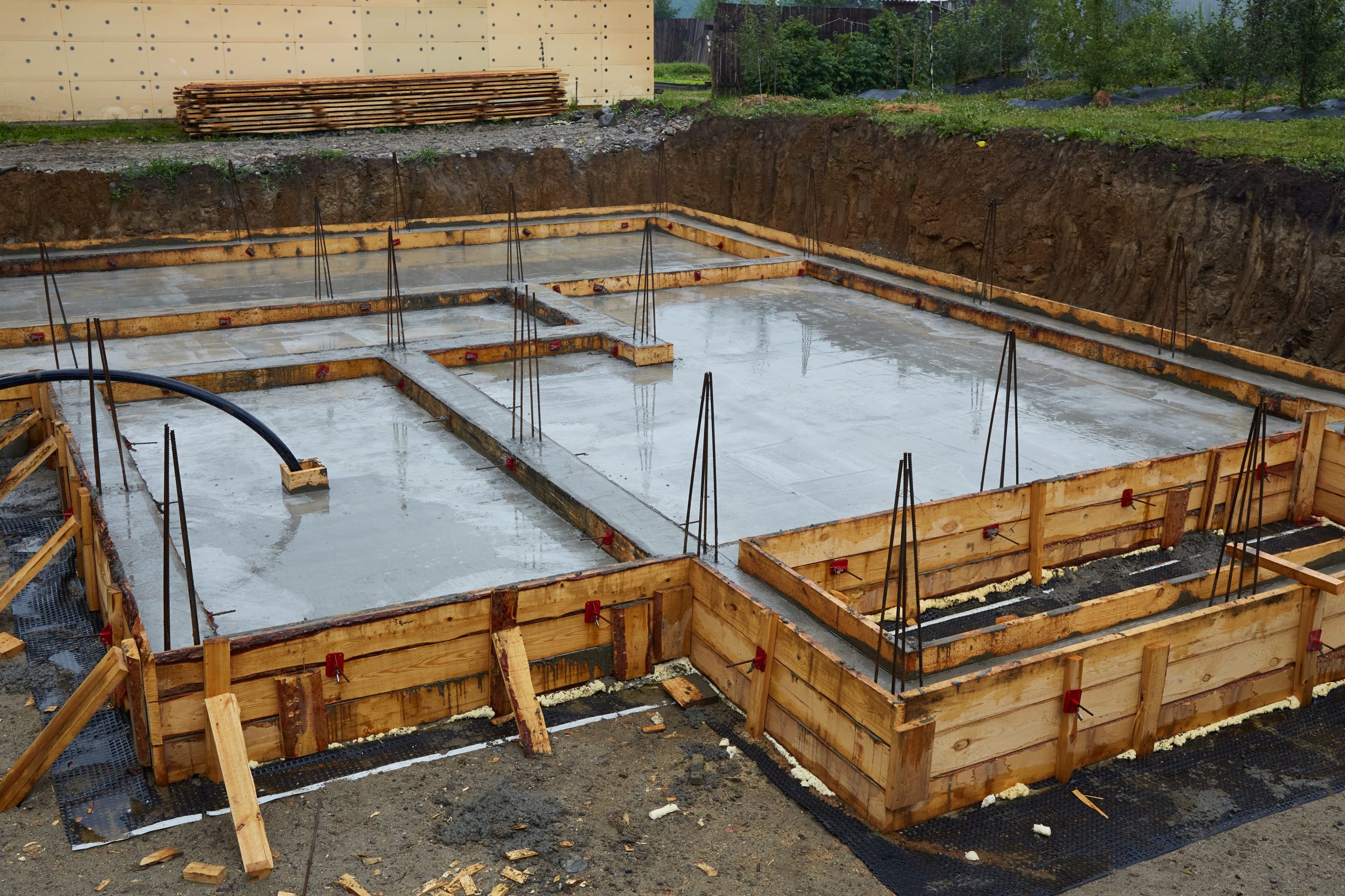
If you’ve ever had the joy of laying concrete in Britain (and let’s face it, “joy” might be pushing it), you’ll know our wonderfully unpredictable weather likes to throw a spanner in the works. One minute you’re working in glorious sunshine, the next you’re diving for cover as the heavens open. But beyond getting you soaked, weather plays a massive role in how your concrete behaves.
At National Mini Mix, we’re constantly keeping an eye on the forecast. Not just for our delivery drivers’ sake (though they do appreciate staying dry), but because temperature, humidity, wind, and rain all have dramatic effects on concrete setting times. Let’s dive into how Mother Nature meddles with your mix, shall we?
Temperature: The Big One
Hot Weather: The Concrete Sprinter
When the mercury rises (those three days of British summer we get each year), concrete decides it’s in a race to set. Hot weather essentially puts your concrete on fast-forward.
Here’s what happens in the heat:
- Faster chemical reaction: The hydration process that hardens concrete speeds up considerably
- Quicker setting time: That 1-2 hour working window you were counting on? It might shrink to 30-45 minutes
- Increased water evaporation: The mix loses moisture faster than a runner on a hot day
On a 30°C day, concrete can set up to twice as fast as it would on a mild 15°C day. That doesn’t give you much wiggle room when you’re trying to get a nice smooth finish on your garden patio!
One of our customers in Surrey found this out the hard way last July when temperatures hit 28°C. What should have been a leisurely afternoon laying a small patio turned into a race against time, with the concrete stiffening before they could properly level it. The result? Let’s just say their BBQ guests that weekend had to navigate a slightly, um, “textured” surface.
Cold Weather: The Concrete Sloth
Conversely, when temperatures drop, concrete turns into that friend who’s always late to the pub – taking its sweet time and making you wait.
In cold weather:
- Slower chemical reaction: The hydration process practically goes for a nap
- Extended setting time: Your concrete might take 2-3 times longer to set than expected
- Risk of freezing: If temperatures dip below zero, you’ve got bigger problems
When the temperature drops below 5°C, concrete can become particularly problematic. Below zero, and you risk the water in the mix freezing before the concrete has a chance to gain sufficient strength. This can lead to scaling, cracking, and a strength reduction of up to 50% – not ideal for your new driveway!
Rain: The Uninvited Guest
Nothing strikes fear into the heart of a concrete layer quite like dark clouds gathering overhead. Rain and fresh concrete mix about as well as orange juice and toothpaste – technically possible but never with good results.
Light Rain: The Surface Spoiler
A light shower falling on fresh concrete can:
- Increase the water-to-cement ratio at the surface
- Create a weaker top layer prone to dusting and scaling
- Leave unsightly marks and an uneven finish
We had a customer in Leeds who ignored our advice about the forecast. “It’s only a bit of drizzle,” they said confidently. Their new garden path now bears what they optimistically call a “unique textured finish” but what the rest of us might call “rain damage.”
Heavy Rain: The Project Ruiner
Heavy rain is the concrete equivalent of a disaster movie:
- Excess water weakens the entire mix
- Creates channels and washout areas
- Can completely ruin the surface
If heavy rain is forecast, our advice is simple: reschedule. No ifs, no buts. Even with the best remedial work, rain-damaged concrete is never quite right. It’s like trying to un-toast bread – some things just can’t be undone.
Wind: The Sneaky Culprit
Wind doesn’t get the same bad press as rain or extreme temperatures, but it’s a surprisingly significant factor in concrete setting:
- Increased evaporation: Wind accelerates surface drying, particularly on a warm day
- Uneven setting: Different areas may dry at different rates
- Plastic shrinkage cracks: Those spiderweb-like cracks that appear before the concrete has even hardened
A strong breeze on a warm day can cause the surface of your concrete to dry out 3-4 times faster than the concrete beneath, creating a perfect storm for cracking. It’s a bit like getting sunburnt on a cloudy day – you don’t see it coming until it’s too late.
Humidity: The Background Operator
Humidity works hand-in-hand with temperature and wind to influence drying time:
- Low humidity accelerates water evaporation, speeding up surface drying
- High humidity slows evaporation, extending setting time
On a hot, dry day (the few we get in Blighty), evaporation rates can be up to 10 times higher than on a cool, humid day. That’s a massive difference when you’re racing to finish that garden path before the concrete decides it’s done.
The Perfect Storm: When Weather Factors Combine
The real complexity comes when these factors gang up together:
- Hot + Windy + Low Humidity = Concrete setting at warp speed with high crack risk
- Cold + Rainy + High Humidity = Concrete that takes ages to set and might never reach full strength
- Warm Morning → Cold Afternoon = Inconsistent setting that can create weak spots
It’s like a weather-based conspiracy against your concrete project!
Real-World Weather Warriors: How We Adapt
At National Mini Mix, we don’t just deliver concrete and leave you to the mercy of the elements. We adapt our mixes and methods to work with (or combat against) whatever weather the British skies throw at us:
Hot Weather Solutions:
- Modified mixes: We can adjust the mix design to slow setting time
- Chilled water: In extreme heat, we sometimes use cooled water in the mix
- Early morning delivery: Beat the heat by pouring before temperatures peak
- Retarding admixtures: Chemical additives that give you more working time
Cold Weather Strategies:
- Accelerating admixtures: Speed up the setting process in cold conditions
- Warmer mix water: Helps maintain the chemical reaction
- Higher cement content: Generates more internal heat during hydration
- Insulating covers: On standby for when temperatures threaten to drop
Wet Weather Tactics:
- Flexible scheduling: We’d rather reschedule than deliver in the rain
- Weather monitoring: Our teams keep constant watch on forecasts
- Waterproof covers: Ready to protect fresh pours if unexpected showers appear
Tips for Weather-Proof Concreting
Planning a concrete project? Here are our top tips for working with British weather:
- Check the forecast – not just for the pouring day, but for the next 48 hours
- Be flexible – have a Plan B date in case the weather turns
- Time it right – early morning in summer, mid-day in winter
- Have covers ready – plastic sheeting can be a project-saver
- Talk to us – we can advise on the best mix for the conditions
- Consider admixtures – they can give you an edge against the elements
- Allow buffer time – don’t expect to park the car on that new driveway tomorrow if it’s freezing today
When to Just Say No
Some weather conditions are simply not worth the risk:
- Temperatures below 2°C or above 32°C
- Heavy rain forecast during pouring or within 24 hours
- Strong winds above 25mph on hot days
- Freezing conditions expected overnight after a pour
Sometimes the bravest decision is to wait for a better day. Your concrete will thank you by not cracking, scaling, or otherwise misbehaving for years to come.
The National Mini Mix Weather Promise
Unlike some bigger outfits that stick rigidly to delivery schedules come rain or shine, our smaller size gives us flexibility. If we think the weather’s going to compromise your concrete, we’ll tell you straight. No flannel, no fuss – just honest advice from people who want your project to succeed.
We’ll even help you assess if your planned pour day looks risky and suggest alternatives. Because while we love delivering concrete, we love delivering successful projects even more.
Conclusion: The Weather-Wise Approach to Concrete
The British weather and concrete might seem like challenging bedfellows, but with proper planning and the right approach, you can work with rather than against the elements.
Remember, concrete isn’t just for summer – with the right precautions and adaptations, successful pours are possible year-round. The key is understanding how weather affects setting time and planning accordingly.
Ready to pour but worried about the forecast? Give us a ring – we’re always happy to chat through the weather window for your project and help you plan for perfect placing, whatever the British skies have in store.
After all, we’ve been battling the British weather for years – and our concrete (unlike our delivery drivers) always remains unflappable!