Proper site preparation is the foundation of any successful concrete project. Whether you’re planning a driveway, patio, foundation, or any other concrete work, taking the time to prepare your site correctly will ensure a smooth delivery process, protect your property, and guarantee the best possible results from your concrete pour. Understanding what’s required before the concrete lorry arrives can save you time, money, and potential headaches on the day of delivery.
Understanding Access Requirements
The first and most critical aspect of site preparation involves ensuring adequate access for the concrete delivery vehicle. Mini mix lorries, whilst more compact than traditional ready-mix trucks, still require sufficient space to manoeuvre safely and position correctly for the pour.
Your delivery vehicle will need a clear path from the road to within reach of your pour location. This typically means ensuring a minimum width of 3 metres for the access route, with adequate overhead clearance of at least 4 metres to accommodate any low-hanging branches, power lines, or structures. Consider the turning radius required for larger vehicles and ensure there are no sharp corners or obstacles that might prevent proper positioning.
It’s essential to check the ground conditions along the access route. Soft or waterlogged ground can cause vehicles to become stuck, leading to delays and potential additional costs. If your access route crosses lawn areas or soft ground, consider laying temporary roadway materials such as scaffold boards or metal plates to distribute the vehicle’s weight and protect your landscaping.
Ground Preparation and Levelling
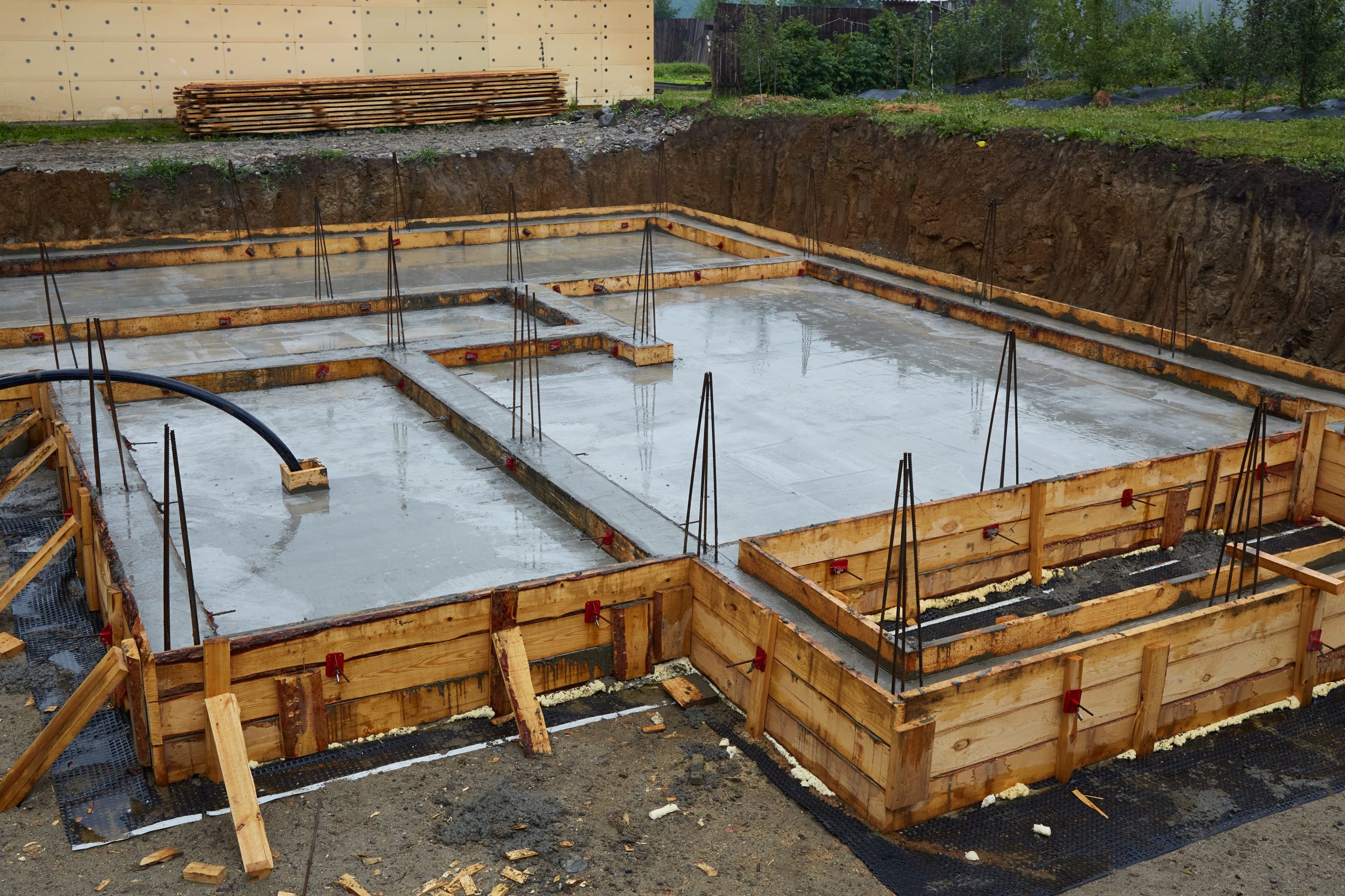
Proper ground preparation forms the cornerstone of any durable concrete installation. The area to receive concrete must be excavated to the correct depth, taking into account the thickness of your concrete slab plus any sub-base materials required for your specific application.
For most domestic applications, you’ll need to excavate to a depth that accommodates 100-150mm of concrete plus 100-150mm of compacted hardcore or sub-base material. This provides the stable foundation necessary for long-term durability and prevents settlement issues that can lead to cracking or structural problems.
The excavated area should be level and well-compacted. Use a vibrating plate compactor or similar equipment to ensure the sub-base is thoroughly consolidated. Any soft spots or areas of poor bearing should be excavated further and backfilled with suitable granular material. Pay particular attention to ensuring consistent levels across the entire area, as this will determine the final thickness and quality of your concrete slab.
Installing Edge Restraints and Formwork
Professional-quality edge restraints are crucial for maintaining the shape and dimensions of your concrete pour. Timber formwork remains the most popular choice for most applications, using treated timber boards of appropriate thickness to withstand the pressure of wet concrete.
Secure your formwork with sturdy stakes driven into the ground at regular intervals, typically every metre or less depending on the size of your pour. The top of your formwork should be set to the exact finished level you require, as this will serve as your screed rail during the concrete finishing process.
For curved edges or decorative applications, flexible formwork materials can be used, but ensure they’re adequately supported to prevent movement during the pour. Remember that any movement in your formwork during concreting will be reflected in the finished surface, so invest time in getting this element right.
Utilities and Services Protection
Before any excavation work begins, it’s crucial to identify the location of underground utilities and services. Contact your local utility companies to arrange for services to be marked, or use a cable avoidance tool to locate pipes and cables yourself.
Gas pipes, electrical cables, water mains, and telecommunications cables can all be present in areas where you might not expect them. Damage to these services can be extremely costly and potentially dangerous, so take this aspect of preparation seriously.
Where services run through your proposed concrete area, proper protection or diversion may be necessary. Consult with the relevant utility companies if you’re unsure about safe working distances or protection requirements.
Weather Considerations and Timing
Weather conditions play a significant role in concrete work, and proper preparation includes monitoring forecasts and planning accordingly. Concrete shouldn’t be poured in freezing conditions or during heavy rain, as this can seriously compromise the finished quality and long-term durability.
Plan your concrete delivery for a time when you can expect stable weather conditions for at least 24-48 hours after the pour. This allows the concrete to achieve initial set and develop sufficient strength before exposure to adverse conditions.
In hot weather, consider the timing of your delivery to avoid the hottest part of the day. Early morning pours often provide the best working conditions and allow more time for proper finishing before the concrete becomes too stiff to work effectively.
Tools and Equipment Preparation
Having the right tools ready before your concrete arrives ensures you can work efficiently during the critical period after delivery. Essential tools include screeds for levelling, floats for surface finishing, edges for creating clean edges, and adequate personal protective equipment including boots, gloves, and eye protection.
For larger pours, consider hiring professional finishing tools such as power screeds or mechanical floats. These can significantly improve both the efficiency of the work and the quality of the finished surface.
Ensure you have adequate water supplies available for tool cleaning and any concrete finishing requirements. Garden hoses with spray attachments work well for most applications, but ensure water pressure is adequate and connections are secure.
Final Preparations and Safety
The day before your concrete delivery, conduct a final site inspection to ensure everything is ready. Check that all formwork is secure, access routes are clear, and weather conditions remain favourable. Remove any debris from the pour area and ensure adequate lighting is available if work might extend into evening hours.
Safety should be your top priority throughout the preparation process and during the concrete pour. Ensure all personnel on site are aware of the planned activities and are equipped with appropriate safety equipment. Establish clear communication protocols with the delivery team and ensure someone is designated to coordinate the pour activities.
Consider the needs of your neighbours and local traffic. Concrete deliveries can temporarily disrupt normal access, so it’s courteous to inform neighbours of your plans and any potential inconvenience.
Professional Support and Guidance
Whilst proper preparation is largely within the capability of most property owners and contractors, don’t hesitate to seek professional advice when needed. Experienced concrete suppliers like National Mini Mix can provide valuable guidance on site preparation requirements specific to your project and local conditions.
Professional site preparation ensures your concrete project starts on the right foundation, literally and figuratively. The time invested in proper preparation pays dividends through smoother delivery, better concrete quality, and long-term satisfaction with your finished project.
Taking these preparation steps seriously demonstrates respect for the concrete delivery process and helps ensure your project achieves the professional results you’re seeking, regardless of whether you’re tackling a small domestic project or a larger commercial installation.