Concrete pumping has transformed the way construction projects handle one of their most essential materials. Rather than relying solely on wheelbarrows, cranes, or manual labour to move concrete from mixer to placement site, pumping offers a faster, more precise, and often more economical solution.
But what exactly makes concrete pumping so valuable? And more importantly, where does it make the biggest difference?
In this guide, we’ll explore five practical applications where concrete pumping proves its worth, helping you understand when this method might be the right choice for your next project.
Understanding Concrete Pumping
Before diving into specific applications, it’s worth understanding what concrete pumping actually involves. The process uses specialised equipment—either a boom pump mounted on a lorry or a line pump connected to flexible hoses—to transport liquid concrete from the delivery vehicle directly to where it’s needed.
This might sound straightforward, but the implications are significant. Concrete pumping eliminates much of the physical labour traditionally associated with placing concrete, reduces the time materials spend in transit (which matters when you’re working with a product that begins setting the moment it’s mixed), and allows access to areas that would otherwise be extremely difficult to reach.
1. Residential Foundations and Footings
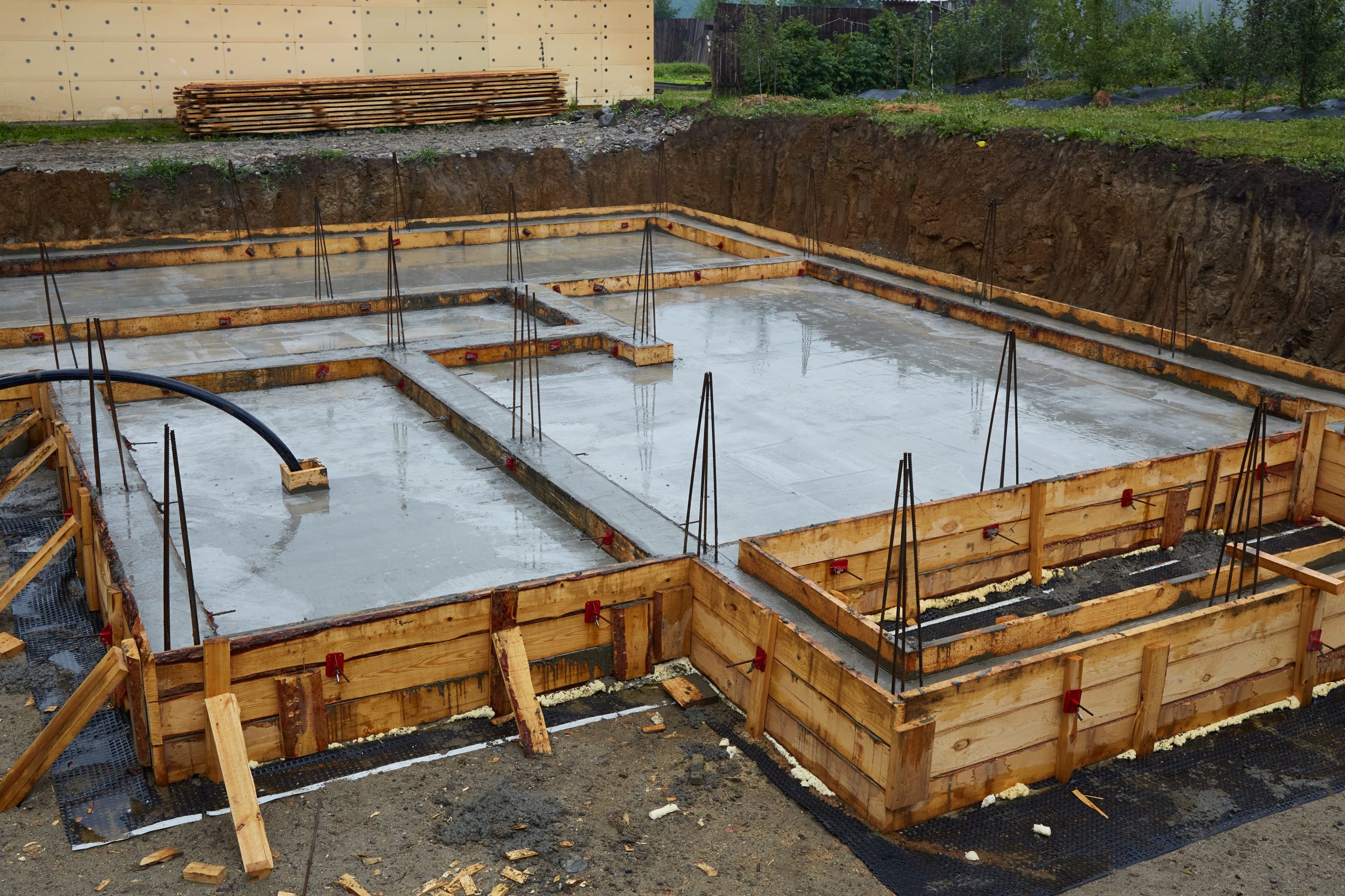
One of the most common applications for concrete pumping is laying foundations for homes and residential extensions. Whether you’re building a new house, adding a conservatory, or constructing a garden room, the foundation work sets the stage for everything that follows.
Pumping concrete for residential foundations offers several advantages. The precision of placement means you can fill formwork evenly and completely, reducing the risk of voids or weak spots that could cause problems years down the line. It’s also considerably faster than traditional methods, which matters when you’re paying tradespeople by the hour and want to move on to the next phase of construction.
For properties with limited access—perhaps a terraced house with no side entrance, or a garden project at the rear of a property—pumping becomes not just convenient but essential. The flexible hoses used in line pumping can navigate through narrow passages, over walls, and around obstacles that would stop a wheelbarrow in its tracks.
2. Commercial and Industrial Floor Slabs
Large floor slabs for warehouses, factories, and commercial buildings represent another area where concrete pumping excels. These projects typically require substantial volumes of concrete placed quickly and consistently across expansive areas.
The speed of pumped concrete delivery helps maintain what’s known as a “wet edge”—keeping the previously placed concrete workable so that new material bonds properly with it. This is crucial for creating seamless, structurally sound floor slabs without cold joints that could compromise strength or durability.
Industrial flooring also demands consistent quality throughout. Pumping helps achieve this by delivering concrete at a steady rate, allowing finishing teams to work systematically across the surface. The result is a more uniform slab with better surface characteristics and fewer defects requiring remediation.
3. Hard-to-Reach Locations
Perhaps no application demonstrates the value of concrete pumping quite like projects in difficult-to-access locations. Construction sites don’t always offer the luxury of easy vehicle access or plenty of space to manoeuvre equipment.
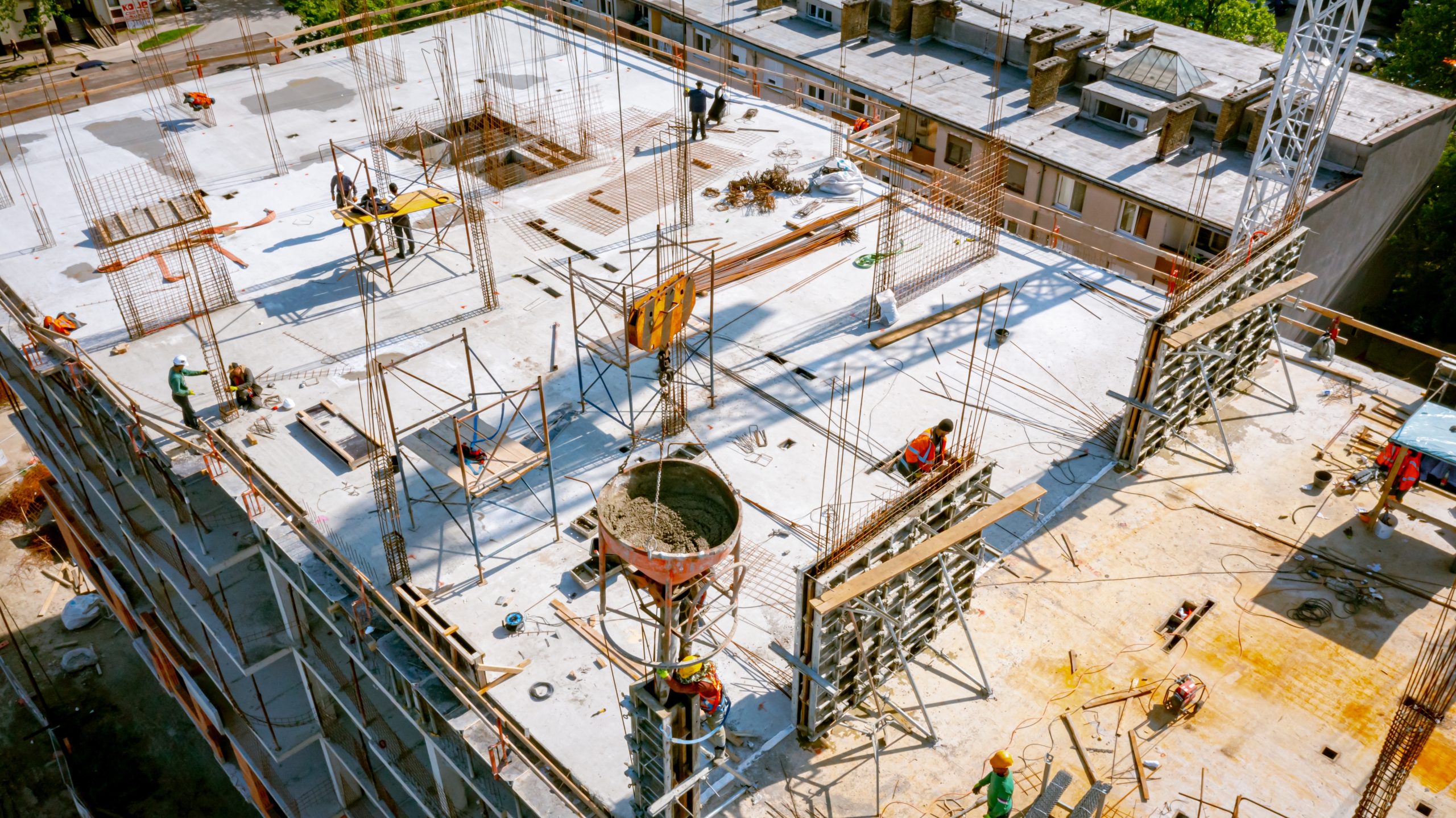
Consider a basement conversion where concrete needs to reach several metres below ground level. Or a high-rise construction project where materials must travel vertically as well as horizontally. Or simply a back garden separated from the road by a house and narrow side passage.
In these situations, pumping transforms projects from logistically nightmarish to entirely manageable. Boom pumps can extend over obstacles and reach elevated positions, while line pumps can thread through confined spaces. What might otherwise require scaffolding, cranes, or armies of workers with wheelbarrows becomes a streamlined operation.
4. Swimming Pools and Water Features
Constructing swimming pools, ponds, and decorative water features presents unique challenges. These structures require watertight concrete shells, often with curved or complex geometries that demand careful placement.
Pumped concrete allows for the precise application needed when forming pool walls and floors. The material can be placed exactly where required, worked into curves and corners, and consolidated properly to eliminate voids that could later become leak points.
The speed of pumped delivery also matters here. Pool construction typically uses concrete with specific additives for waterproofing and durability. Placing this material quickly and efficiently helps ensure it performs as intended, without the complications that can arise from extended handling times.
5. Structural Elements and Reinforced Concrete Work
Columns, beams, suspended slabs, and other structural elements often involve dense reinforcement steel that concrete must flow around and through completely. Traditional placement methods can struggle with this, potentially leaving voids around reinforcement that compromise structural integrity.
Pumped concrete, particularly when specified with appropriate mix designs for flowability, can navigate through congested reinforcement more effectively. The pressure behind the material helps it find its way into all the spaces within formwork, resulting in better consolidation and stronger finished elements.
This application extends to bridge construction, retaining walls, and other civil engineering projects where structural performance is paramount and access is often challenging.
Choosing the Right Approach
While concrete pumping offers clear advantages in many situations, it’s not automatically the best choice for every project. Very small pours might not justify the setup involved, and some mix designs aren’t suitable for pumping.
The key lies in matching the method to the project’s specific requirements. Factors to consider include the volume of concrete needed, site access constraints, placement locations, and the complexity of the pour.
Working with an experienced supplier who understands both the concrete itself and the logistics of delivery helps ensure you get the right solution. They can assess your project, recommend appropriate methods, and coordinate delivery to keep your construction programme on track.
The Bottom Line
Concrete pumping has earned its place as a standard technique in modern construction for good reason. From residential foundations to commercial floor slabs, from awkward access situations to precision structural work, pumping delivers concrete where it’s needed, when it’s needed, with less labour and greater accuracy than traditional methods.
Understanding these applications helps you make informed decisions about your own projects—ensuring you get the best results while keeping time and costs under control.