Knowing what happens during a concrete pump job helps you prepare properly. This guide walks through the entire process from arrival to clean-up, so Sheffield customers know exactly what to expect.
Before the Day Arrives
Good preparation starts before the pump turns up.
Clear the setup area. Line pumps need a flat space roughly 3 metres by 6 metres. Remove cars, bins, garden furniture and anything else that might be in the way.
Plan the hose route. The operator runs a flexible hose from the pump to your pour site. Walk this route yourself and note any obstacles. Remove what you can. Flag anything that cannot move.
Check overhead clearance. The hose lies flat on the ground but needs lifting over obstacles. Note any low branches, washing lines or overhead cables.
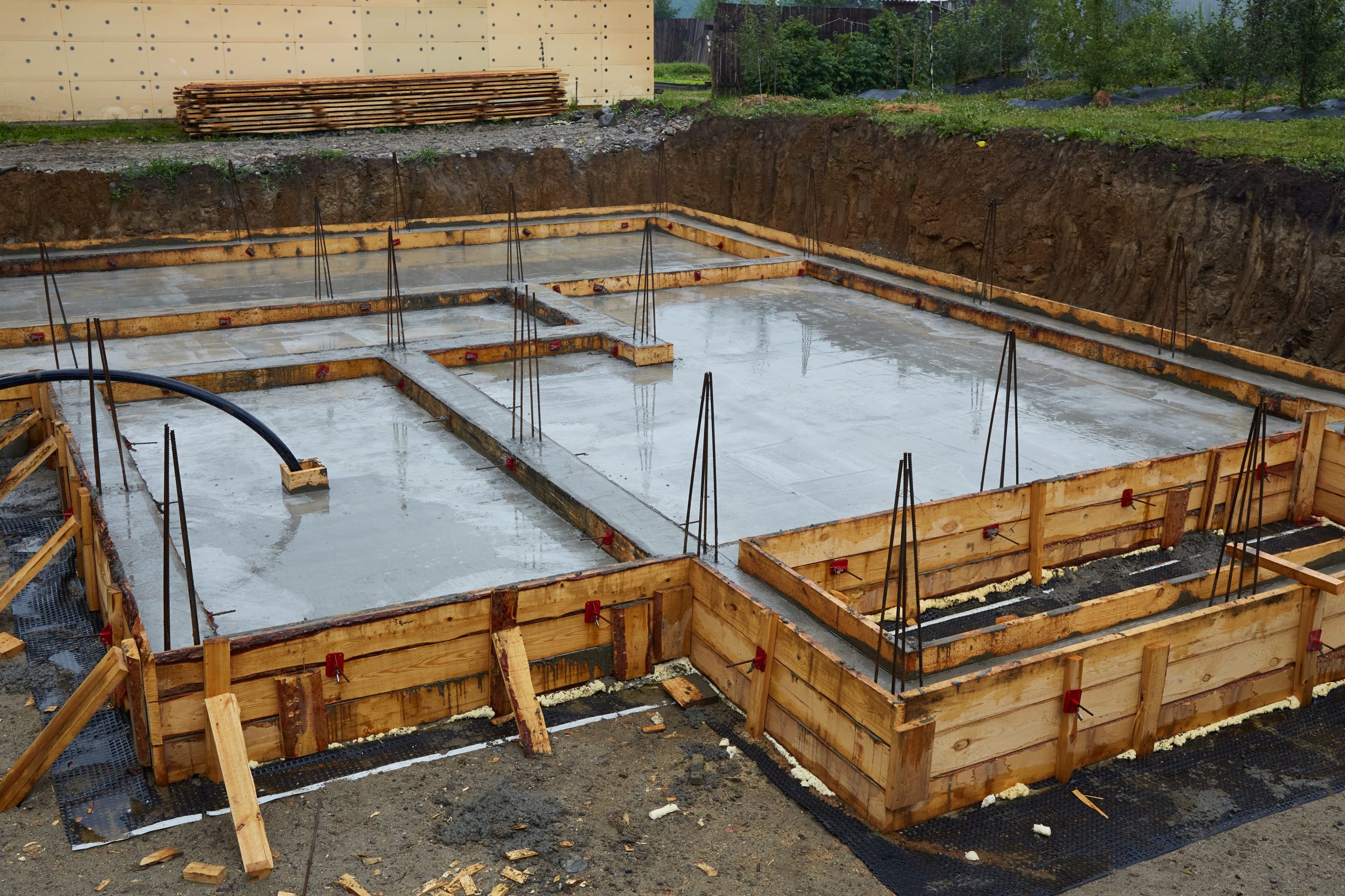
Prepare the pour site. Your formwork should be finished, your sub-base compacted, and any reinforcement in place. The pump operator is not there to help with groundwork.
Arrange your team. You need at least one person at the pour end to direct the hose and spread the concrete. For larger pours, have additional helpers with shovels and rakes.
The Pump Arrives
The pump operator typically arrives 30 to 60 minutes before the concrete truck. This gives time for setup without wasting the concrete’s working time.
Positioning the pump. The operator finds the best spot to set up. This needs to be stable ground where the pump can work without moving.
Running the hose. Flexible hoses connect together in sections. The operator runs this from the pump hopper to your pour location, clipping sections together as they go.
Checking the route. Once the hose is in place, the operator walks the line to check for problems. Sharp bends get re-routed. Pinch points get fixed.
A test run happens. Before concrete arrives, some operators run water through the system to check everything is working properly.
For more details on our concrete pump hire options, visit our dedicated page.
The Concrete Truck Arrives
With the pump ready, the concrete truck parks close to the hopper.
Positioning matters. The truck reverses up to the pump and angles so the drum can discharge directly into the hopper. This might take a few attempts to get right.
The first load goes in. Concrete flows from the truck into the hopper. The pump starts pushing material through the hose.
Initial pumping is slower. The system needs priming. The first concrete moves slowly as it pushes air out of the line.
During the Pour
Once pumping starts, things move quickly.
Controlling the flow. The pump operator manages the speed. They can speed up, slow down or stop completely depending on how fast you are placing concrete.
Directing the hose. Someone at the pour end holds the hose and directs where concrete goes. This person needs to stay alert and communicate with the operator.
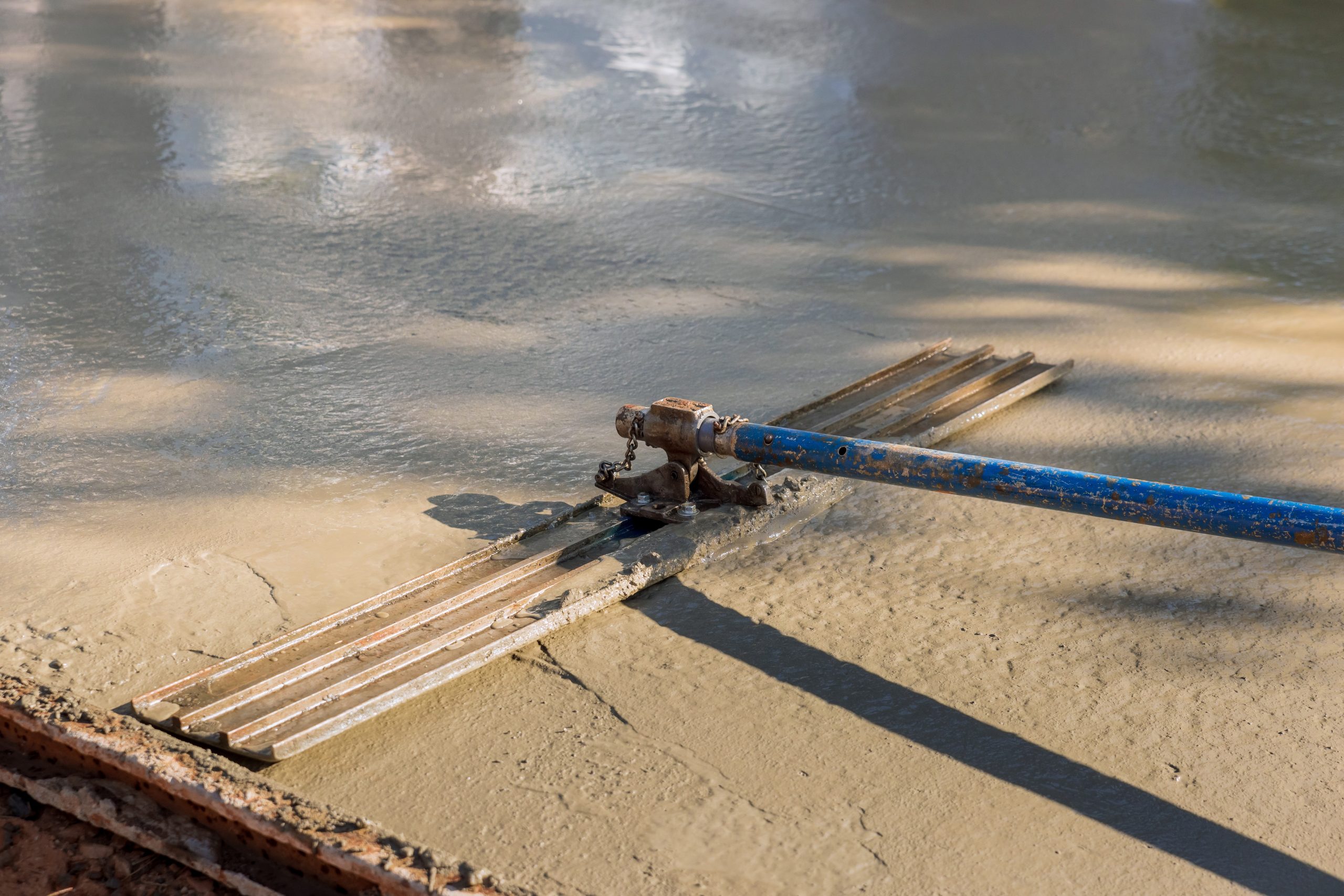
Spreading and levelling. As concrete flows out, your team spreads it into the formwork, removes air pockets and levels the surface.
Communication is constant. Hand signals, shouts or radios keep everyone in sync. The operator needs to know when to pause for levelling and when to speed up.
| Stage | What Happens | Your Role |
|---|---|---|
| Initial pour | Concrete starts flowing slowly | Position hose at starting point |
| Main pour | Full flow rate achieved | Direct hose, spread concrete |
| Mid-pour adjustments | Pauses for levelling or moving | Signal to operator, level surface |
| Final pour | Last of the concrete placed | Ensure even coverage, start finishing |
How Long Does Pumping Take?
Actual pumping time varies by volume and complexity:
Small domestic pour (1-2m³): 30 to 45 minutes of pumping Medium driveway (3-5m³): 1 to 2 hours Large foundation (6-10m³): 2 to 4 hours
Add setup time at the start and clean-up at the end. A half-day booking covers most domestic Sheffield pump services jobs comfortably.
The Clean-Up Process
When the last of the concrete is placed, the system needs flushing.
Clearing the hopper. Any remaining concrete in the hopper gets pushed through the system.
Running the sponge. A foam ball (called a sponge or go-devil) is pushed through the hose with water. This clears the remaining concrete and cleans the pipe walls.
Disconnecting hoses. Sections come apart and get stacked on the truck.
Final rinse. Water flushes through again to make sure nothing is left to set inside the pipes.
Washout location. The operator needs somewhere to discharge the wash water. This is usually a sacrificial area of your site or a washout container. Discuss this when booking.
According to The Concrete Society, proper curing is the process of preventing moisture loss from young concrete whilst maintaining a satisfactory temperature. This is essential for achieving the best strength and durability.
After the Pump Leaves
Your job is not finished when the pump drives away.
Start curing immediately. Cover the concrete with plastic sheeting or spray it with water. This keeps moisture in while the concrete hardens.
Keep people and pets off. Concrete looks solid quickly but takes days to reach working strength. Protect your pour from foot traffic.
Plan for formwork removal. Leave timber in place for at least 24 to 48 hours, longer in cold weather.
Getting Started
Want to see concrete pumping Sheffield in action on your project? Visit our concrete pumping Sheffield page for more information, or call National Mini Mix on 0114 273 1697.
We arrange everything: the concrete, the pump, the scheduling. Tell us about your project and we will make sure the day runs smoothly.