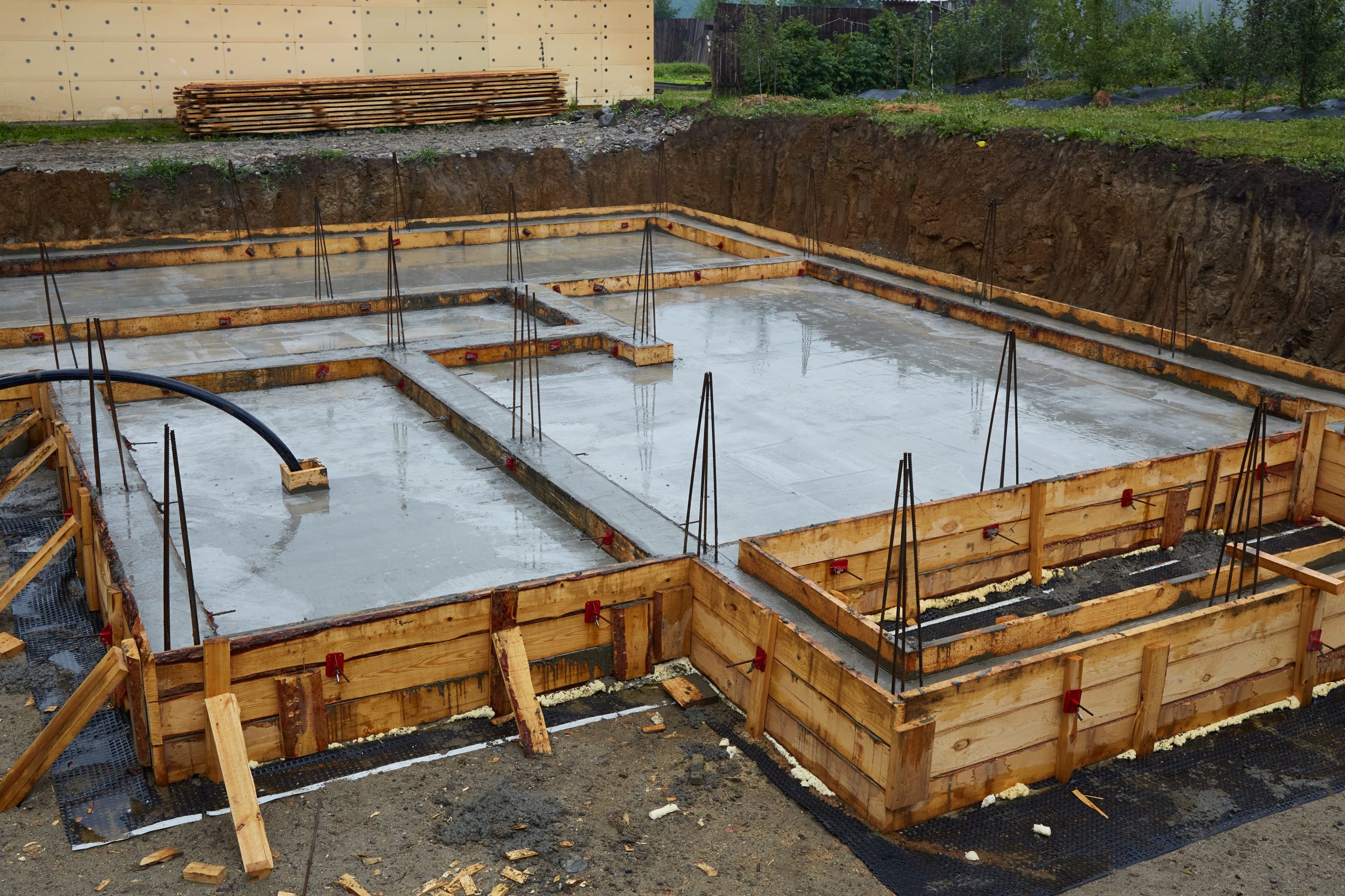
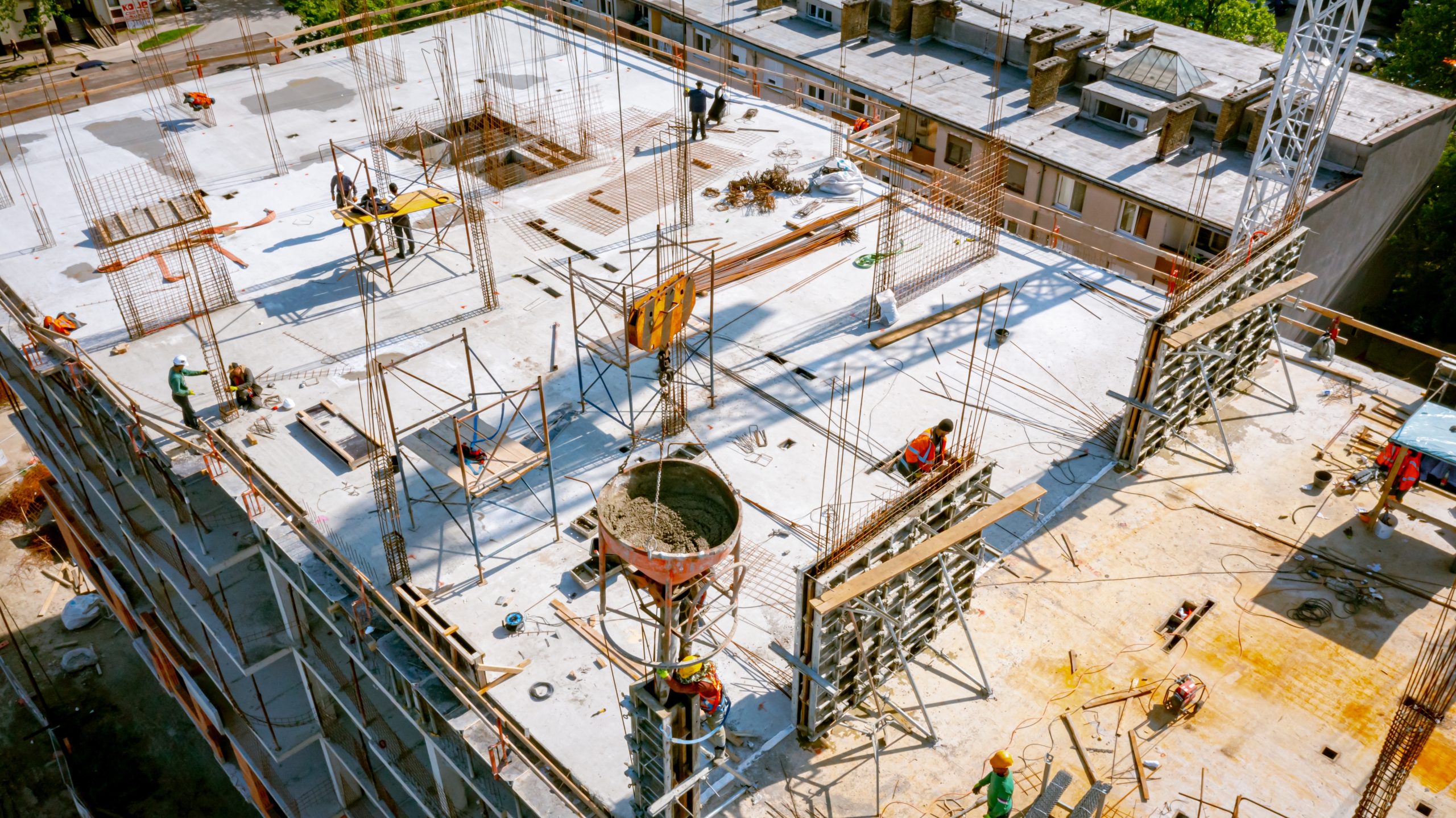
When planning a concrete project, one of the most common questions that arises is whether to use a concrete pump or rely on traditional concrete mixer delivery. The truth is, this isn’t always an either-or decision, and understanding the difference between these two methods is crucial for making the right choice for your specific project.
Understanding the Fundamental Difference
Before diving into comparisons, it’s important to clarify what we’re actually comparing. A concrete mixer (specifically a ready-mix lorry) delivers fresh concrete to your site, whilst a concrete pump is a piece of equipment used to transfer that concrete from the delivery point to exactly where it needs to be placed.
In many cases, these two methods work together rather than competing against each other. The concrete arrives in a mixer lorry, and if needed, a pump is then used to place it precisely where required. However, understanding when you need pumping services versus when standard mixer delivery suffices can save you time, money, and hassle.
When a Concrete Mixer Alone Is Sufficient
Direct Access Projects
If your pour location is easily accessible and close to where the mixer lorry can park, traditional chute delivery from the mixer may be all you need. The standard chute on a ready-mix lorry can reach approximately 2-3 metres, which is perfectly adequate for many ground-level projects.
Simple Ground-Level Pours
For straightforward jobs like driveways, garage floors, pathways, and small foundations where the mixer can park adjacent to the work area, wheelbarrowing directly from the chute is often the most economical option. With adequate labour on site, this traditional method remains practical and cost-effective.
Budget-Conscious Smaller Projects
When working within tight budgets on smaller domestic projects, avoiding the additional cost of pump hire can make financial sense, provided you have sufficient manpower to move the concrete manually and the access permits it.
Projects with Ample Time and Labour
If your schedule allows for a slower pour and you have plenty of workers available, using wheelbarrows or other manual methods to distribute concrete from the mixer can work well without the need for pumping equipment.
When You Should Consider Concrete Pumping
Restricted or Difficult Access
When the mixer lorry cannot park close enough to the pour location, pumping becomes invaluable. This includes rear gardens accessible only through the house, sites with narrow alleyways, or locations separated from road access by existing structures.
Elevated Pours
Any work above ground level, such as upper-storey floors, elevated decks, or roof-level projects, typically requires pumping. Attempting to lift concrete manually to height is impractical, dangerous, and extremely labour-intensive.
Large Volume Projects
For substantial pours where speed is essential to maintain concrete consistency and prevent cold joints, pumping provides the continuous flow needed. Large foundation pours, commercial slabs, and extensive groundwork benefit enormously from the efficiency of pumped concrete.
Precision Requirements
When concrete needs to be placed with accuracy in specific locations, formwork, or hard-to-reach areas, the controlled delivery of pumped concrete ensures better results than manual placement methods.
Time-Sensitive Projects
If your project timeline is tight and you need to complete pours quickly, pumping dramatically reduces placement time. What might take several hours with wheelbarrows can often be accomplished in under an hour with the right pump.
Sloping or Uneven Sites
Sites with challenging terrain where moving heavy wheelbarrows would be difficult or dangerous are ideal candidates for pumping. The pump can deliver concrete uphill, downhill, or across uneven ground with ease.
Comparing the Key Factors
Cost Considerations
Standard mixer delivery is less expensive initially, as you’re only paying for the concrete itself and the delivery. Adding pump hire increases costs, but this needs to be weighed against potential labour costs. If you would need to hire multiple additional workers for several hours to move concrete manually, pumping often proves more economical overall.
Time Efficiency
Pumping is significantly faster. A typical domestic pour that might require 4-6 hours using wheelbarrows from a mixer could be completed in 30-60 minutes with a pump. This time saving can be crucial for preventing concrete from beginning to set before placement is complete.
Labour Requirements
Manual distribution from a mixer requires substantial manpower, typically needing at least 3-5 workers for medium-sized pours. Pumping reduces this requirement significantly, often needing only 1-2 people to guide and finish the concrete.
Quality and Consistency
Pumped concrete arrives at the exact location needed, reducing the risk of segregation that can occur when concrete is manually moved multiple times. This often results in better quality placement and more consistent finishes.
Physical Demand
Moving concrete manually is extremely physically demanding work. Pumping eliminates the heavy lifting and repetitive wheelbarrowing, reducing worker fatigue and the risk of injury.
The Hybrid Approach: Mixer with Pump
For many projects, the optimal solution involves both a ready-mix lorry and a pump working in tandem. The concrete is mixed to specification and delivered fresh to site in the mixer, then transferred via pump to the exact placement location. This combination provides the quality of ready-mix concrete with the placement advantages of pumping.
Making Your Decision
Consider these questions when deciding your approach:
Can a mixer lorry park within 2-3 metres of your pour location? If yes, and the work is at ground level, standard mixer delivery may suffice.
Is your project above ground level? If yes, pumping is almost certainly necessary.
How much concrete do you need to place? Larger volumes increasingly favour pumping for speed and consistency.
What is your labour availability? Limited workers on site make pumping more attractive.
How quickly must the pour be completed? Tight timeframes demand the efficiency of pumping.
What is your total budget? Factor in both equipment hire and labour costs for accurate comparison.
Getting Expert Advice
The best approach is often to discuss your specific project with concrete supply specialists who can assess your requirements and recommend the most appropriate solution. At National Mini Mix, we have extensive experience helping customers determine whether standard mixer delivery, pumping services, or a combination of both will work best for their particular situation.
Every project has unique requirements, and what works perfectly for one job might be unsuitable for another. Factors like site access, project scale, timing, budget, and labour availability all play crucial roles in determining the most effective concrete delivery and placement method.
Conclusion
Rather than viewing concrete mixers and pumps as competing options, it’s more helpful to see them as complementary tools, each with specific strengths. Mixer lorries deliver quality concrete to your site, whilst pumps solve placement challenges when direct access is limited or impractical.
For straightforward, accessible ground-level work, traditional mixer delivery remains practical and economical. When facing access restrictions, working at height, or managing large volumes, pumping provides efficiency and precision that manual methods simply cannot match.
The “better” choice depends entirely on your project’s specific circumstances. By carefully evaluating your site conditions, project requirements, and resources, you can select the approach that delivers the best results for your construction needs.