
5 Ways Commercial Concrete Benefits Rotherham Businesses

Running a business in Rotherham means making smart choices about your building projects. Whether you’re expanding your warehouse, creating new office space, or building a retail location, the materials you choose matter. Commercial concrete has become the top choice for business owners across South Yorkshire, and for good reason. When you’re planning a construction project, understanding the concrete benefits Rotherham businesses experience can help you make the right decision. This versatile material offers advantages that directly impact your bottom line and long-term success. Let’s explore five key ways that using commercial concrete can benefit your business in Rotherham and help your project succeed. 1. Fast Construction Means Lower Costs Time is money in business, and commercial concrete helps you save both. Ready mix concrete arrives at your site already mixed and ready to pour. This means your construction team can work quickly without delays. Unlike site-mixed concrete, which requires time-consuming on-site preparation, ready-mix concrete is prepared at batching plants using precise measurements and high-quality ingredients. Professional concrete suppliers in Rotherham use modern batching plants that ensure every load meets a high standard. This quality control saves you time and guarantees consistent results. The cost effectiveness of ready mix concrete becomes clear when you consider the complete picture. Many local suppliers offer competitive prices whilst maintaining excellent customer service. Some even allow you to collect your concrete if that suits your project better, giving you flexible options that work around your schedule. Faster construction also means: You pay workers for less time Your business can start operating sooner You reduce the cost of site security and equipment rental Less disruption to your existing operations Lower overall project costs with better cost effectiveness 2. Strength That Lasts for Decades Commercial buildings need to handle heavy use every single day. Quality concrete provides the strength and durability that businesses require. Unlike other materials that weaken over time, properly mixed concrete actually gets stronger as it ages. This strength is especially important for businesses in Rotherham’s industrial sector. Warehouses need floors that can support heavy machinery and constant forklift traffic. Areas with heavy traffic, whether from vehicles or foot traffic, benefit greatly from concrete’s robust nature. Retail spaces need structures that remain safe and stable for customers and staff year after year. Modern concrete mixes meet strict UK concrete standards that ensure quality and safety. These standards guarantee your building will stand strong for many years to come. When you choose local concrete suppliers who understand South Yorkshire’s specific requirements, you get a product built to last. The long-term benefits of this strength cannot be overstated. A well-constructed concrete building in Rotherham can serve your business for 50 years or more without major structural work. 3. Lower Maintenance Saves Money Long-Term Every pound you spend on building maintenance is a pound that doesn’t go towards growing your business. Concrete requires very little maintenance compared to other building materials. Wood needs regular treatment to prevent rot. Steel can rust and corrode. Brick can crack and crumble. Concrete stands up to harsh weather, heavy use, and time itself without constant attention. For Rotherham businesses, this means: Fewer repair costs over the years Less downtime for maintenance work Buildings that look professional for longer More predictable budgets without surprise repair bills 4. Flexibility for Different Business Needs Many business owners think concrete is only good for basic structures. However, modern commercial concrete is an incredibly versatile material that can be adapted to almost any construction project. Whether you need industrial warehouse flooring, attractive shopfronts, car parks, or office foundations, quality concrete in Rotherham can be customised to match your specific requirements. Different mixes provide different properties, from extra strength to improved water resistance. You can even use concrete blocks for certain applications where they offer practical advantages. Professional concrete suppliers in Rotherham work with you to understand your project needs. They can recommend the right mix design and delivery method for your situation. This personalised customer service ensures your construction project gets exactly what it needs to succeed. Concrete works well for: Large warehouse floors that handle heavy loads Attractive retail spaces with decorative finishes Multi-storey car parks that serve your customers Foundation work for any size building Extensions to existing structures Loading bays and service areas 5. Better Safety for Your Employees and Customers Safety should be a top priority for any business owner. Concrete offers excellent fire resistance, which is crucial for protecting your investment, your employees, and your customers. Unlike wood or some modern building materials, concrete doesn’t burn. If a fire does start, concrete walls and floors help contain it and give people more time to evacuate safely. This fire resistance can also lower your insurance premiums, saving you money each year. Concrete also provides: Stable, level surfaces that reduce trip hazards Resistance to chemicals and spills in industrial settings Protection against extreme weather conditions Sound insulation between different areas of your building Comparing Concrete to Other Building Materials Understanding how concrete compares to other options helps you make the best choice for your business project. Feature Concrete Steel Frame Timber Frame Brick Construction Speed Fast Medium Fast Slow Durability Excellent Good Fair Good Fire Resistance Excellent Fair Poor Good Maintenance Needs Very Low Medium High Medium Load Capacity Excellent Excellent Fair Good Weather Resistance Excellent Fair Poor Good Cost Effectiveness Excellent Medium Medium High Making the Right Choice for Your Rotherham Business Choosing the right materials for your commercial building project affects your business for years to come. Commercial concrete offers a winning combination of speed, strength, low maintenance, flexibility, and safety that few other materials can match. The concrete benefits Rotherham businesses experience go beyond just the building phase. This versatile material continues delivering value throughout the life of your structure. When you work with experienced concrete suppliers in Rotherham, you get access to expertise that helps your project succeed from start to finish. Local concrete suppliers understand the specific needs of businesses across
Understanding Concrete Pumping – Efficiency in Construction

Concrete pumping has transformed modern construction, enabling projects that would have been impractical or impossible using traditional concrete placement methods. From high-rise developments reaching skyward to residential projects with challenging site access, concrete pumps deliver ready mix concrete precisely where it’s needed with remarkable efficiency. Understanding how concrete pumping works, the different systems available, and when pumping provides the optimal solution helps contractors, developers, and property owners make informed decisions that improve project outcomes whilst controlling costs. What Is Concrete Pumping? Concrete pumping involves using specialised mechanical equipment to transfer liquid concrete from the delivery truck through pipework or hoses to the exact pour location. This technology overcomes the limitations of gravity-based concrete placement, enabling concrete to travel horizontally, vertically, or around obstacles that would otherwise require extensive manual handling. The concrete pump itself creates pressure that forces concrete through the delivery system. Modern pumps achieve this using either piston mechanisms or rotating screws, each with distinct characteristics suited to different applications. The concrete travels through steel or flexible pipework—typically 100-150mm diameter for standard applications—emerging at the discharge point ready for placement. This seemingly straightforward process represents sophisticated engineering. The pump must move highly viscous, abrasive material considerable distances whilst maintaining mix integrity, avoiding segregation, and operating safely under substantial pressures. Quality concrete pumping equipment, operated by trained professionals, accomplishes this reliably across diverse construction applications. Types of Concrete Pumps Boom Pumps Boom pumps, often called cement pumps in industry parlance, mount the pumping mechanism and distribution system on a truck chassis. The defining feature is the articulated boom arm—a multi-section hydraulic arm that positions and supports the concrete delivery pipeline. These impressive machines feature boom reaches ranging from approximately 20 metres for smaller truck-mounted units to over 60 metres for large commercial pumps. The boom articulates through multiple joints, enabling the operator to position the concrete discharge point precisely, even navigating around obstacles or placing concrete in confined spaces that the truck itself cannot access. Boom pumps excel at large-volume pours where the truck can position relatively close to the site. Foundation pours, ground floor slabs, and lower-level construction benefit from boom pump efficiency. The operator controls boom position and concrete flow remotely, often from a position where they can see the pour location, ensuring precise placement. The mobility and positioning capability of boom pumps make them particularly valuable for projects where the pump can establish a central location and reach multiple pour points by repositioning the boom rather than moving the entire truck. This reduces setup time and maximises productivity. Line Pumps (Trailer-Mounted Pumps) Line pumps provide a more compact, flexible concrete pumping solution. These units mount the pumping mechanism on a trailer or skid, using separate pipework and hoses to transport concrete from the pump to the pour location. The pump connects to flexible or rigid pipeline—often a combination of both—that runs from the pump to wherever concrete is needed. This pipeline can be configured in various routes, running along the ground, up scaffolding, through buildings, or around obstacles. Rigid steel pipes provide the main trunk lines, whilst flexible hoses (typically 3-4 metre sections) make the final connections and allow positioning flexibility at the discharge point. Line pumps suit projects where access constraints prevent boom pump deployment or where the concrete must travel complex routes. Residential developments with narrow site access, renovations within existing buildings, or projects requiring concrete placement far from vehicle positions all benefit from line pump versatility. The trade-off involves more manual labour to set up and configure the pipeline system and potentially slower pumping rates compared to boom pumps. However, for many applications—particularly smaller residential and commercial projects—line pumps provide the optimal balance of capability, accessibility, and cost. Advantages of Concrete Pumping Enhanced Speed and Productivity Concrete pumping dramatically accelerates pour rates compared to traditional methods. Where manual handling using wheelbarrows might achieve 1-2 cubic metres per hour with multiple labourers, concrete pumps routinely deliver 20-60 cubic metres per hour depending on equipment size and mix characteristics. This productivity matters enormously for commercial projects where time directly translates to cost. Completing foundation pours in hours rather than days accelerates project schedules, reduces labour costs, and minimises concrete delivery logistics. For projects requiring large volumes—commercial slabs, multi-storey construction, or infrastructure work—pumping often represents the only practical placement method. Even for smaller residential projects, pumping efficiency provides value. A domestic extension foundation requiring 4-6 cubic metres can be placed in 15-20 minutes via pump, compared to several hours of wheelbarrowing. The labour team focuses on screeding, levelling, and finishing rather than exhausting themselves transporting concrete. Improved Accessibility Perhaps concrete pumping’s most transformative benefit is enabling concrete placement in locations that gravity-based methods cannot reach. Rear gardens with side-access only, upper floors in multi-storey construction, basement pours requiring concrete to travel below ground level, and sites with limited vehicle access all become feasible with appropriate pumping equipment. Consider a typical terraced property renovation requiring a rear extension foundation. The site access—a narrow side passage perhaps 800mm wide—prevents mixer truck access to the rear garden. Without pumping, the only option involves wheelbarrowing several cubic metres of concrete through the passage, an exhausting, time-consuming process that compromises concrete quality as working time elapses. A line pump with flexible hose easily routes through the same passage, delivering concrete directly to the formwork in minutes. This accessibility advantage extends across construction types. High-rise buildings, bridge construction, tunnel linings, and infrastructure projects all rely on concrete pumping to achieve placement that would otherwise be impossible or prohibitively expensive. Reduced Labour Requirements Traditional concrete placement demands significant manual labour—workers to push wheelbarrows, navigate site obstacles, and deliver concrete to pour locations. This labour-intensive process creates safety risks from manual handling, exposes workers to physical strain, and requires substantial workforce deployment. Concrete pumping reduces labour requirements dramatically. Rather than a team of labourers transporting concrete, one or two workers manage the pump discharge, whilst others focus on screeding, finishing, and quality control. This efficiency reduces labour costs whilst improving working conditions and
The Benefits of Concrete Flooring for Commercial Spaces in Rotherham
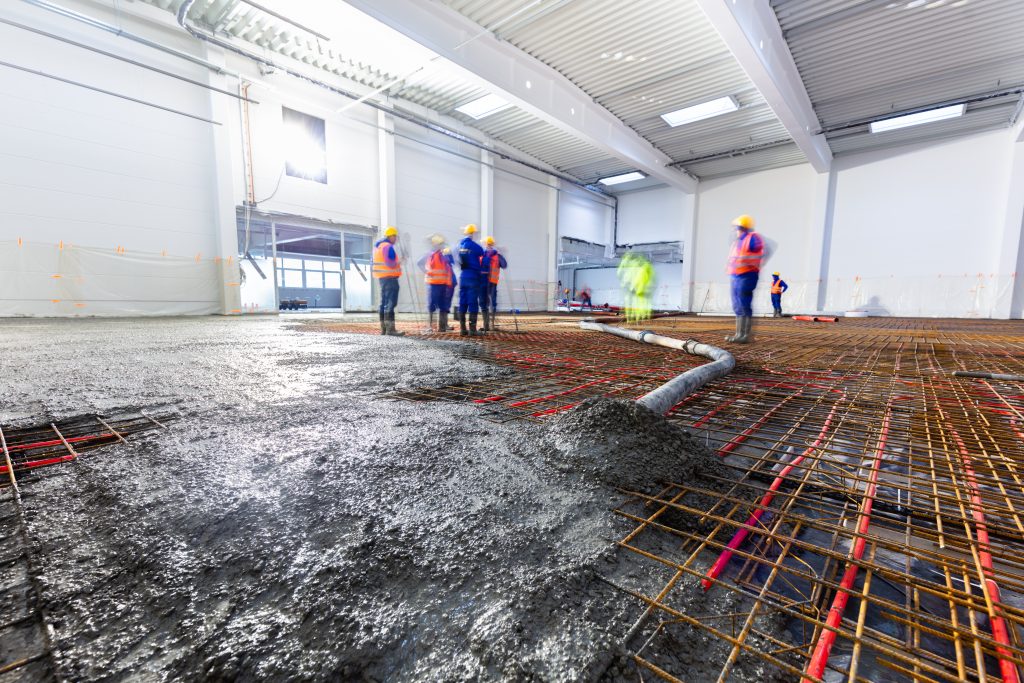
Across Rotherham’s thriving commercial landscape—from the industrial estates at Templeborough and Aldwarke to the retail developments in the town centre and modern office spaces throughout the borough—concrete flooring continues to prove itself as the foundation of choice for businesses prioritising durability, functionality, and long-term value. Understanding the distinct advantages concrete flooring offers, along with the various application methods available, helps commercial property owners and developers make informed decisions that serve their operational needs for decades to come. Understanding Concrete Flooring Solutions Concrete flooring encompasses various applications of cement-based materials to create functional floor surfaces in commercial environments. These range from structural concrete slabs that form the ground floor of a building to specialized toppings applied over existing substrates. Structural concrete flooring refers to load-bearing slabs, typically 100-200mm thick, cast directly onto prepared ground or suspended between supporting beams. These substantial floors form an integral part of the building structure, designed to support heavy loads whilst providing a stable, level surface. Concrete screed flooring involves applying a thinner layer (typically 25-75mm) of cementitious material over a structural base. This concrete screeding process creates a smooth, level wearing surface and can incorporate various additives to enhance specific properties such as rapid drying, increased strength, or improved surface finish. The distinction matters because different commercial applications demand different solutions. A warehouse requiring heavy forklift traffic needs a robust structural slab, whilst a retail space might benefit from a specialized screed that accommodates underfloor heating and achieves a polished aesthetic finish. Unmatched Durability and Load-Bearing Capacity For commercial operations in Rotherham—particularly in the manufacturing and logistics sectors that form such a vital part of the local economy—flooring durability directly impacts operational efficiency and long-term costs. Concrete flooring excels in environments where alternative materials simply cannot cope. Properly specified and installed concrete floors withstand extraordinary abuse. Industrial operations involving heavy machinery, constant forklift traffic, pallet movement, and dropped loads would destroy most flooring materials within months. Quality concrete flooring endures these conditions for decades with minimal deterioration. The compressive strength of commercial-grade concrete, typically ranging from C25/30 to C40/50 depending on application, provides load-bearing capacity that alternative flooring materials cannot match. Distribution centres handling loaded pallets, manufacturing facilities accommodating heavy equipment, and automotive workshops supporting vehicle loads all benefit from concrete’s inherent strength. This durability translates directly into financial advantage. Whilst initial installation costs for concrete flooring may exceed some alternatives, the lifespan—often 30-50 years or more with appropriate maintenance—delivers exceptional return on investment. Businesses avoid the disruption and expense of frequent floor repairs or replacements that plague facilities using inadequate flooring solutions. Minimal Maintenance Requirements Commercial operations demand flooring that doesn’t create ongoing maintenance burdens. Concrete flooring meets this requirement admirably, requiring substantially less attention than most alternatives whilst maintaining functionality and appearance. Basic maintenance for concrete floors involves regular sweeping or scrubbing to remove accumulated dirt and debris. Unlike carpeting, which harbours dust, allergens, and stains, or timber flooring, which requires periodic refinishing, concrete floors maintain their integrity with minimal intervention. For industrial applications, this simplicity proves invaluable—cleaning crews can maintain floors quickly without specialized equipment or products. Modern surface treatments further enhance concrete flooring’s low-maintenance characteristics. Sealed concrete floors resist oil penetration, chemical spills, and moisture damage. Polished concrete surfaces develop a durable, attractive finish that actually improves with light traffic, requiring only damp mopping to maintain their lustre. This maintenance efficiency matters particularly for 24-hour operations common in Rotherham’s logistics sector, where minimizing downtime for floor care directly impacts productivity. Concrete flooring accommodates intensive use without demanding extensive maintenance windows. Aesthetic Versatility and Modern Finishes The perception of concrete as purely utilitarian has evolved dramatically. Contemporary concrete flooring techniques create sophisticated aesthetic finishes suitable for client-facing commercial environments, modern offices, and upscale retail spaces. Polished concrete has emerged as a design-forward flooring choice combining industrial chic with practical benefits. The polishing process grinds and refines the concrete surface to create a smooth, reflective finish ranging from subtle matte to high-gloss appearances. This finish showcases the natural aggregate within the concrete, creating unique visual character impossible to replicate. Polished concrete floors suit diverse commercial environments. Forward-thinking offices in Rotherham increasingly specify polished concrete for its contemporary aesthetic, excellent light reflectivity (reducing lighting costs), and appeal to employees and clients alike. Retail spaces utilize polished concrete to create modern, clean environments that place focus on merchandise rather than competing floor finishes. Beyond polishing, concrete accepts various decorative treatments. Stains and dyes create rich, variegated colours. Scoring or saw-cutting introduces geometric patterns. Integral colours throughout the concrete mass ensure lasting hue that won’t wear away. These options enable designers to specify concrete flooring that enhances rather than compromises aesthetic intentions. Thermal Mass and Energy Efficiency Commercial property operators increasingly prioritize energy efficiency, both for environmental responsibility and cost control. Concrete flooring contributes significantly to thermal performance through its substantial thermal mass. The density of concrete enables it to absorb, store, and slowly release heat energy. During warmer periods, concrete floors absorb excess heat, moderating temperature rises. As conditions cool, stored heat releases gradually, reducing heating demands. This thermal flywheel effect stabilizes internal temperatures, reducing the load on mechanical heating and cooling systems. This characteristic proves particularly valuable when combined with underfloor heating systems. Concrete screed floors incorporating heating elements distribute warmth evenly and efficiently across large commercial spaces. The concrete mass stores heat energy, allowing heating systems to operate during off-peak electricity periods whilst maintaining comfortable temperatures throughout occupied hours. For Rotherham businesses operating large commercial premises, these energy efficiency benefits translate into meaningful utility cost reductions and improved environmental performance—increasingly important factors in corporate sustainability initiatives and regulatory compliance. Applications Across Rotherham’s Commercial Sector Different commercial environments across Rotherham benefit from concrete flooring in specific ways: Warehouses and Distribution Centres: The logistics operations throughout Rotherham, particularly around the Advanced Manufacturing Park and Templeborough, require flooring that withstands intensive forklift traffic and heavy pallet loads. Structural concrete slabs, typically 150-200mm thick with appropriate reinforcement and surface hardening, provide the necessary durability. Manufacturing Facilities:
Ready Mix Concrete Pump vs. On-Site Mixing in Rotherham: Pros and Cons

When planning a concrete project in Rotherham, one of the fundamental decisions you’ll face is how the concrete will be delivered and placed. The method you choose—ready mix concrete with pumping capabilities versus traditional on-site mixing—can significantly impact your project’s efficiency, quality, and overall cost. Understanding the advantages and limitations of each approach helps ensure you select the most appropriate solution for your specific circumstances. Understanding the Methods Ready mix concrete is manufactured at a specialist batching plant where precise quantities of cement, aggregates, water, and admixtures are combined under controlled conditions. This pre-mixed concrete is then transported to your site in mixer trucks, arriving ready to pour. When site access or distance from the pour location presents challenges, ready mix concrete pumping can be employed, using specialised equipment to transfer the concrete exactly where it’s needed. On-site mixing, by contrast, involves bringing dry materials or bagged concrete to your location and mixing them on the premises using either a portable cement mixer for small volumes or larger mixing equipment for more substantial requirements. This traditional approach has been used for generations and remains viable for certain applications. Each method offers distinct characteristics that make it more or less suitable depending on your project scale, location, timeline, and specific requirements. Quality and Consistency Considerations One of the most significant advantages of ready mix concrete is the exceptional consistency and quality control achieved through factory production. Batching plants utilise computerised systems that measure materials to exacting tolerances, ensuring each load meets precise specifications. This precision proves difficult to replicate with on-site mixing, where variations in measurement, mixing time, and water content can occur even with experienced operators. For structural applications, foundations, or any work where concrete strength and durability are critical, the certified quality assurance that accompanies ready mix concrete provides invaluable peace of mind. Suppliers provide technical data sheets confirming the mix meets British Standards (BS EN 206 and BS 8500), offering documentary evidence of quality that’s simply unavailable with site-mixed concrete. On-site mixing quality depends heavily on operator skill and attention to detail. Whilst perfectly adequate for non-structural applications like filling post holes or minor repairs, achieving the consistent results necessary for driveways, foundations, or structural elements requires considerable expertise. Environmental factors—particularly moisture content in aggregates—can significantly affect the final product when mixing on site, potentially compromising strength and durability. Speed and Efficiency Ready mix concrete delivers substantial time savings, particularly for medium to large projects. A single mixer truck can deliver several cubic metres of concrete in minutes, ready to place immediately. For a typical driveway or extension foundation in Rotherham requiring 4-6 cubic metres of concrete, ready mix can be poured in under an hour, allowing you to complete the placement and finishing whilst the material remains workable. On-site mixing for equivalent volumes becomes a marathon task. A standard portable mixer produces approximately 0.1 cubic metres per batch, meaning you’d need 40-60 batches for that same driveway. Each batch requires loading materials, mixing for several minutes, discharging, and repeating. This process could easily consume an entire day or more, during which the previously placed concrete is setting whilst you’re still mixing subsequent batches—creating potential cold joints and inconsistencies in the finished surface. The labour cost implications are equally significant. On-site mixing demands constant attention from at least one person, often two for efficient operation. Ready mix concrete allows your entire team to focus on placement, screeding, and finishing, maximising productivity when time is limited. Cost Analysis Initial price comparisons often suggest on-site mixing is more economical, particularly for very small volumes. A few bags of cement and aggregates appear cheaper than ordering ready mix with delivery charges. However, comprehensive cost analysis reveals a more nuanced picture. For projects requiring more than approximately one cubic metre, ready mix concrete typically offers superior value when you account for: Labour costs for mixing (often 4-6 hours for what ready mix delivers in 30 minutes) Equipment hire or purchase costs Material wastage (typically higher with on-site mixing) The opportunity cost of extended project timelines Potential quality issues leading to premature failure In Rotherham’s residential and commercial construction landscape, where labour costs represent a significant project expense, the efficiency of ready mix concrete frequently makes it the more economical choice for any substantial concrete work. Site Constraints and Access Solutions Rotherham’s diverse mix of historic town centre properties, modern housing estates, and rural locations presents varied site access challenges. This is where understanding your concrete delivery options becomes crucial. Standard mixer trucks require adequate access—typically a road width of at least 3 metres and overhead clearance of 4 metres. Many residential properties, particularly in established neighbourhoods around Rotherham town centre, Kimberworth, or Wickersley, feature narrow driveways, tight corners, or restricted access that standard trucks cannot navigate. On-site mixing theoretically solves access problems since you can carry bags and transport materials through narrow passages. However, the physical labour of moving several tonnes of materials through restricted access, combined with the time and effort required for extensive mixing, often proves impractical. This is precisely where mini mix concrete services excel. Specialised smaller vehicles can access sites that standard trucks cannot, delivering ready mix concrete quality and convenience to properties with challenging access. For locations where even mini mix vehicles cannot reach the pour location, concrete pumping solutions transport ready mix concrete through hoses, overcoming virtually any access constraint. Rotherham-Specific Applications Different project types across Rotherham benefit from different approaches: Domestic Driveways and Patios: Ready mix concrete is overwhelmingly superior. The volumes involved (typically 3-8 cubic metres) make on-site mixing impractical, whilst the visible finished surface demands the consistency that ready mix provides. Mini mix delivery suits most residential locations perfectly. Extension Foundations: Structural applications require certified quality concrete mixed to specific standards. Ready mix with appropriate technical specifications is the professional choice, providing both the required performance and documentation for building control approval. Garden Projects and Small Repairs: For setting a few fence posts or filling small cavities, on-site mixing using bagged concrete
Choosing the Best Ready Mix Supplier in Rotherham

When it comes to construction projects in Rotherham, whether you’re laying foundations for a new extension, creating a driveway, or undertaking commercial development work, selecting the right ready mix concrete supplier can make the difference between a project that runs smoothly and one that encounters costly delays and quality issues. With numerous suppliers operating across South Yorkshire, understanding what separates an exceptional service from an average one is essential for project success. Understanding Your Project Requirements Before you begin evaluating ready mix suppliers in Rotherham, it’s crucial to have a clear understanding of your specific project needs. The volume of concrete required, the grade and specification, and your project timeline all play vital roles in determining which supplier will best serve your requirements. For smaller domestic projects such as garden paths, shed bases, or modest patios, you’ll need a supplier who can accommodate smaller loads without excessive minimum order requirements. Conversely, larger commercial or industrial projects demand suppliers with the capacity to maintain consistent quality across multiple deliveries and the logistical capabilities to meet demanding schedules. The specific mix design is equally important. Different applications require different concrete grades and specifications. Foundation work, structural elements, driveways, and decorative applications all have distinct requirements. A knowledgeable supplier should be able to advise on the most appropriate mix for your application, considering factors such as load-bearing requirements, exposure conditions, and aesthetic considerations. Quality and Consistency Quality should be non-negotiable when selecting a ready mix concrete supplier. Substandard concrete can lead to structural failures, premature deterioration, and expensive remedial work. Reputable suppliers in Rotherham will hold relevant quality certifications and operate batching plants that comply with British Standards. Look for suppliers who maintain rigorous quality control procedures, including regular testing of aggregates, cement, and finished mixes. They should be able to provide technical data sheets and certification for their products, demonstrating compliance with BS EN 206 and BS 8500 standards. This documentation isn’t just bureaucratic paperwork—it’s your assurance that the concrete delivered to your site will perform as specified. Consistency across deliveries is particularly crucial for larger projects requiring multiple loads. Variations in mix proportions, slump, or workability between deliveries can create visible differences in the finished work and potentially compromise structural integrity. Established suppliers invest in computerised batching systems and quality management processes to ensure every load meets the same exacting standards. Delivery Capabilities and Reliability The logistics of concrete delivery require careful consideration. Ready mix concrete has a limited working time once mixed, making reliable, punctual delivery essential. A supplier’s fleet capacity, geographic coverage, and scheduling flexibility all impact their ability to serve your project effectively. For projects in Rotherham and the surrounding areas, choosing a locally-based supplier offers significant advantages. Shorter travel distances mean fresher concrete arrives on site, reducing the risk of premature setting and maintaining optimal workability. Local suppliers also possess better knowledge of access routes, potential traffic issues, and site-specific challenges in the area. Consider the range of vehicle sizes available. Larger mixer trucks (typically 6-8 cubic metres) are economical for substantial projects with good site access, but many Rotherham locations—particularly residential areas with narrow streets or restricted access—require smaller vehicles. Mini mix suppliers specialising in loads from 1 to 4 cubic metres can access sites that standard trucks cannot reach, eliminating the need for wheelbarrowing concrete long distances or arranging complex pumping solutions. Technical Support and Expertise The best ready mix suppliers don’t simply deliver concrete—they act as technical partners throughout your project. Experienced suppliers bring valuable knowledge that can optimise your concrete specification, improve installation outcomes, and potentially reduce costs. When evaluating suppliers, assess their willingness and ability to provide technical guidance. Can they recommend the most suitable mix design for your specific application? Do they understand the implications of weather conditions on concrete placement and curing? Can they advise on proper handling, placing, and finishing techniques? This expertise proves particularly valuable when working with specialised mixes such as high-strength concrete, rapid-setting formulations, or decorative finishes. A supplier who understands these products and their proper application helps ensure successful outcomes and reduces the risk of costly mistakes. Pricing Transparency and Value While cost inevitably factors into supplier selection, the cheapest option rarely represents the best value. Ready mix concrete pricing should be transparent, with clear explanations of what’s included in quoted prices. Hidden charges for delivery, surcharges for small loads, or unexpected fees for waiting time can significantly inflate the final cost. Request detailed quotations that specify the concrete grade, volume, delivery charge, and any applicable terms. Understanding minimum order quantities is essential, particularly for smaller projects. Some suppliers impose high minimum orders that make them impractical for modest domestic work, whilst others specialise in serving smaller projects with appropriate minimum requirements. Consider the total cost of ownership beyond the per-cubic-metre price. A slightly more expensive supplier offering superior service, reliability, and technical support often delivers better overall value than a bargain provider who creates project delays, delivers inconsistent quality, or provides inadequate customer service. Customer Service and Communication Effective communication throughout the ordering and delivery process contributes significantly to project success. The best suppliers in Rotherham maintain responsive customer service teams who can answer queries, accommodate schedule changes when possible, and resolve any issues that arise promptly. From your initial enquiry through to final delivery, assess how the supplier communicates. Do they respond quickly to requests for quotations? Are they willing to discuss your specific requirements in detail? Can they provide accurate delivery time estimates? Do they proactively communicate about any potential delays or issues? Clear communication proves especially important when coordinating concrete deliveries with other trades or managing time-sensitive pours. A supplier who keeps you informed and works collaboratively to meet your scheduling needs adds substantial value beyond simply delivering concrete. Making Your Decision Choosing the best ready mix supplier in Rotherham requires balancing multiple factors—quality, reliability, service, technical capability, and price. Take time to research potential suppliers, read reviews from previous customers, and don’t hesitate to ask detailed questions about their
What Are the Advantages of Fine Concrete Pumps?
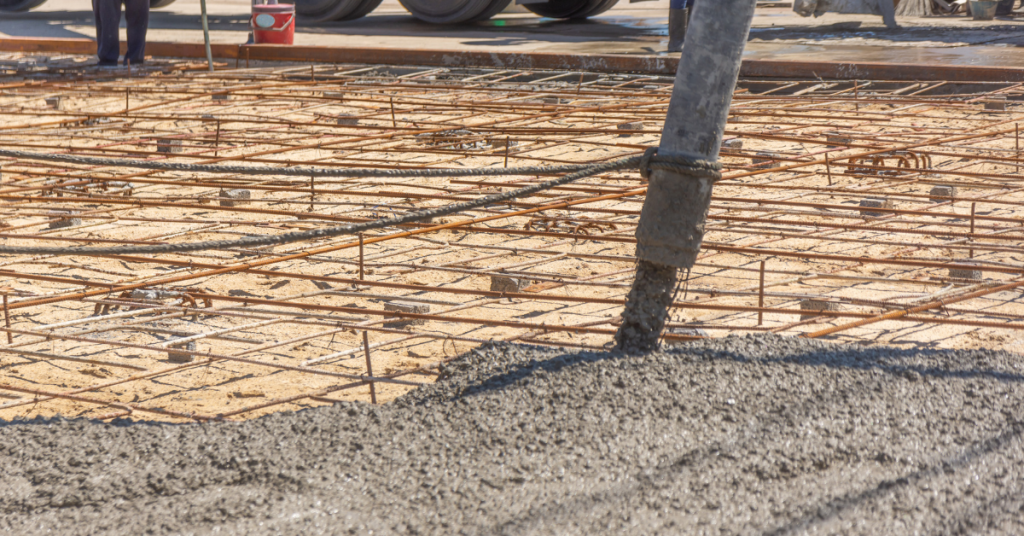
While you might worry about the initial investment in fine concrete pumps, it’s essential to consider how they significantly enhance efficiency on your projects. You’ll discover that these pumps not only expedite the concrete pouring process but also ensure precision in placement, reducing the time and labour required for adjustments. Moreover, their ability to access difficult areas without additional equipment translates into a direct cost reduction. As we explore the improved quality of work that comes with using fine concrete pumps, you’ll see why this technology is becoming a staple in modern construction practices, offering compelling reasons to consider its adoption. Key Takeaways – Fine concrete pumps enhance efficiency, saving time and reducing labour needs. – They allow for precise concrete placement, minimising waste and environmental impact. – The use of these pumps lowers overall construction costs and material waste. – They improve access to difficult areas, ensuring quality placement in any location. Enhanced Efficiency Fine concrete pumps significantly boost project efficiency by ensuring precise and rapid concrete placement. You’re not just moving concrete from point A to B; you’re employing time-saving techniques that streamline the entire construction process. By leveraging these pumps, you’re able to deliver concrete directly to the desired location, regardless of how challenging the access might be. This direct delivery method reduces the need for manual labour to transport concrete, leading to labour optimization across the project. The technical prowess of fine concrete pumps allows for a continuous flow of concrete, eliminating the start-stop nature often seen in traditional methods. This continuity ensures that your project maintains a steady pace, significantly cutting down on the total time required for completion. You’ll find that the reduced manual handling of concrete not only speeds up the construction timeline but also minimises the risk of errors or inconsistencies in the concrete placement. In essence, the integration of fine concrete pumps into your construction methodology isn’t just an upgrade; it’s a transformation. You’re optimising labour by reducing the physical strain on your workforce and saving valuable time, which together enhance overall project efficiency without sacrificing quality. Precision in Placement One of the key benefits of utilising concrete pumps is their ability to place concrete with unparalleled precision, directly impacting the quality and integrity of the finished structure. Through precision in placement, you achieve a level of material control and reduction in environmental impact that’s hard to match with other methods. Here’s how this precision benefits your project: Improved Material Control: With fine concrete pumps, you can control the exact amount of material used, reducing waste and ensuring that each part of your construction gets just the right amount of concrete. This precision minimises the likelihood of structural weaknesses due to either too much or too little concrete being used in certain areas. Enhanced Environmental Impact: Precise placement means less spillage and waste, significantly lowering the environmental footprint of your construction project. By using only the necessary amount of concrete, you also cut down on the carbon emissions associated with producing excess material. Higher Quality Results: The precision of concrete pumps contributes to a more uniform and consistent finish. This not only enhances the aesthetic appeal but also ensures that the structural integrity is maintained, reducing the need for future repairs and maintenance. Cost Reduction Beyond the precision in placement and its associated benefits, utilising concrete pumps also significantly reduces the overall costs of construction projects. You’ll experience direct savings through more efficient labour usage. Unlike traditional methods, where manpower is extensively used for mixing and transporting concrete, pumps require fewer workers. This reduction in labour not only slashes payroll expenses but also minimises the risk of delays due to labour shortages. Moreover, concrete pumps boast impressive maintenance savings. Their design and operation principles mean wear and tear are often less severe compared to other construction machinery. This translates to lower repair costs and less downtime, ensuring your project stays on track and within budget. Another critical aspect of cost reduction is the environmental benefits associated with concrete pumps. They’re designed to minimise waste and reduce spillage during transport and pouring. This efficiency not only cuts down on material costs but also aligns with green building standards, potentially qualifying your project for environmental certifications and incentives. Additionally, less waste means fewer disposal fees, further trimming the project’s total expense. Access to Difficult Areas Accessing challenging construction sites becomes significantly more feasible with the use of fine concrete pumps. These specialised pumps offer unparalleled site manoeuvrability and equipment versatility, enabling you to overcome common obstacles encountered in complex construction environments. Here’s how they specifically enhance access to difficult areas: Enhanced Site Manoeuvrability: Fine concrete pumps, with their compact design, navigate through tight spaces and uneven terrain effortlessly. Unlike traditional concrete delivery methods, these pumps require minimal setup space, allowing you to position them exactly where needed, even in the most constrained sites. Equipment Versatility: The adaptability of fine concrete pumps is unmatched. Equipped with various boom lengths and pumping capacities, they can extend over, around, and even through obstacles, delivering concrete precisely to the point of placement. This versatility eliminates the need for additional equipment to transport concrete to hard-to-reach areas. Efficient Access to Elevated or Subsurface Areas: High-rise buildings and subsurface construction projects particularly benefit from fine concrete pumps. Their ability to pump concrete to significant heights and depths without losing integrity or strength ensures that even the most inaccessible areas are adequately served. Improved Quality Utilising fine concrete pumps significantly enhances the quality of concrete placement through precise, controlled delivery. By ensuring a steady, uninterrupted flow, these pumps facilitate a uniform mix and compaction, directly contributing to an increase in durability. This method reduces the chances of voids and weak spots, critical factors that can compromise structural integrity over time. With a focus on exactness and consistency, fine concrete pumps allow for a level
Concrete Pumping: A Helpful Guide for Construction Projects
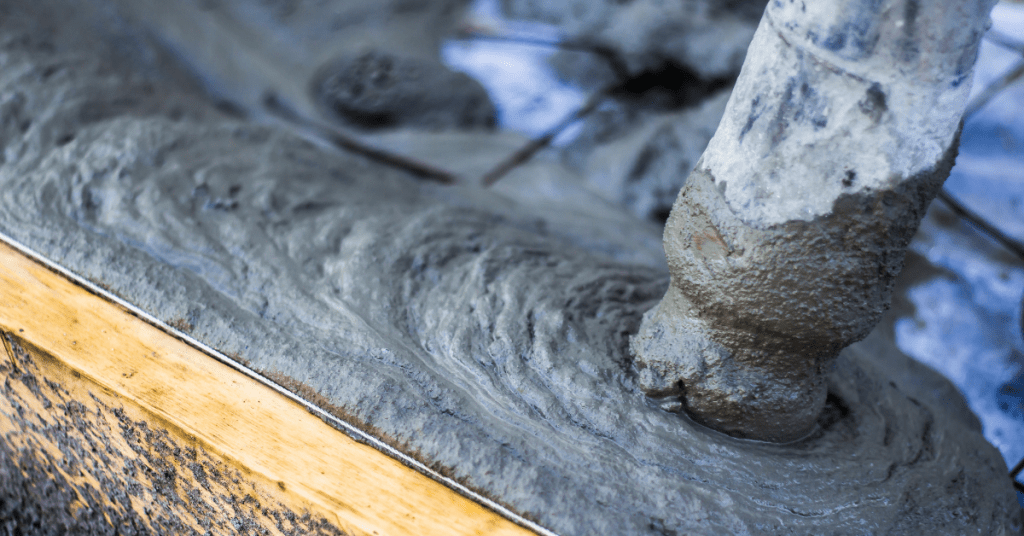
Concrete pumping has revolutionised the construction industry, making it possible to place concrete precisely and efficiently in locations that would otherwise be difficult or impossible to reach. Whether you’re working on a high-rise building, a residential extension, or a large commercial development, understanding concrete pumping can help you make informed decisions about your project. What Is Concrete Pumping? Concrete pumping is a method of transferring liquid concrete through pipework or hoses to the exact location where it’s needed. Instead of relying on wheelbarrows, cranes, or conveyors, a concrete pump pushes the material directly to the pour site, saving time and labour whilst ensuring consistent quality. This technique is particularly valuable when access is restricted, when concrete needs to be placed at height, or when large volumes need to be poured quickly and efficiently. From foundations to roofs, concrete pumping offers a versatile solution for projects of all scales. Types of Concrete Pumps Boom Pumps Boom pumps, also known as truck-mounted pumps, feature a remote-controlled robotic arm that can extend and manoeuvre to place concrete with precision. These pumps are mounted on lorries and are ideal for larger projects where concrete needs to be placed at significant heights or over obstacles. The boom can typically reach between 20 and 70 metres, depending on the model, making them perfect for multi-storey buildings, bridge construction, and large-scale commercial developments. The remote control allows operators to position concrete accurately from a safe distance, improving both efficiency and safety on site. Line Pumps Line pumps, sometimes called trailer-mounted or static pumps, are smaller, more portable units that push concrete through flexible hoses along the ground. These are excellent for smaller projects, residential work, or situations where space is limited. Line pumps are particularly useful for ground-level pours, swimming pools, footings, and domestic extensions. They’re more economical than boom pumps and can navigate through tight access points, making them a popular choice for restricted sites. Key Benefits of Concrete Pumping Speed and Efficiency Concrete pumping dramatically reduces the time needed to complete a pour. What might take a full day using traditional methods can often be accomplished in just a few hours with the right pump. This efficiency means less disruption, lower labour costs, and faster project completion. Improved Accuracy The precision offered by concrete pumping ensures that concrete is placed exactly where it’s needed, reducing waste and minimising the need for redistribution. This accuracy is especially important for complex architectural features or when working to tight tolerances. Enhanced Safety By reducing the need for manual handling and allowing concrete to be placed from a distance, pumping significantly improves site safety. There’s less risk of injury from lifting and carrying, and fewer workers need to be in potentially hazardous areas during the pour. Access to Difficult Areas Whether you’re working on a sloping site, dealing with limited access, or need to reach over existing structures, concrete pumps can place material where other methods simply can’t. This versatility opens up possibilities for projects that might otherwise be impractical. Reduced Labour Requirements Fewer workers are needed on site during the pour, which translates to lower labour costs and less congestion in working areas. This is particularly beneficial for sites with limited space or where multiple trades need to work simultaneously. When Should You Use Concrete Pumping? Concrete pumping is worth considering in several scenarios: High-rise construction: When concrete needs to be placed several storeys up Restricted access sites: Where machinery and vehicles cannot easily reach the pour location Large volume pours: When speed and continuous flow are essential Sloping sites: Where traditional methods would be impractical or dangerous Over obstacles: When concrete needs to be placed over walls, buildings, or other structures Tight schedules: When project timelines demand rapid concrete placement Choosing the Right Pump for Your Project Selecting the appropriate pump depends on several factors: Project scale influences whether a boom or line pump is more suitable. Larger commercial projects typically benefit from boom pumps, whilst residential work often suits line pumps perfectly. Access constraints play a crucial role. If the site has narrow pathways or limited entry points, a compact line pump may be the only viable option. Pour location determines the reach required. Ground-level pours suit line pumps, whilst elevated pours need the extended reach of a boom pump. Volume and duration affect pump selection. Continuous large-volume pours demand the capacity and speed of larger pump units. Working with Concrete Pumping Specialists Professional concrete pumping requires expertise and proper equipment. When planning your project, it’s essential to work with experienced suppliers who can assess your specific requirements and recommend the most appropriate solution. At National Mini Mix, we understand that every construction project has unique demands. Our team can help you determine whether concrete pumping is right for your job and ensure that you have the correct equipment and support for successful concrete placement. Preparing for a Concrete Pump To ensure a smooth pumping operation: Provide clear access for the pump and associated vehicles Ensure stable ground for the pump to operate safely Communicate pour locations clearly with your supplier Have sufficient manpower on site to handle and finish the concrete Check overhead clearances if using a boom pump Confirm timing to avoid delays in concrete delivery and placement Conclusion Concrete pumping has become an indispensable tool in modern construction, offering unmatched efficiency, precision, and versatility. Understanding when and how to use this technology can make a significant difference to your project’s success, saving time and money whilst improving quality and safety. Whether you’re planning a modest residential extension or a major commercial development, considering concrete pumping as part of your construction strategy could be the key to a smoother, more efficient build. With the right equipment, experienced operators, and quality concrete, pumping provides a reliable solution for even the most challenging concrete placement tasks.
Is It Cheaper to Mix Your Own Concrete?
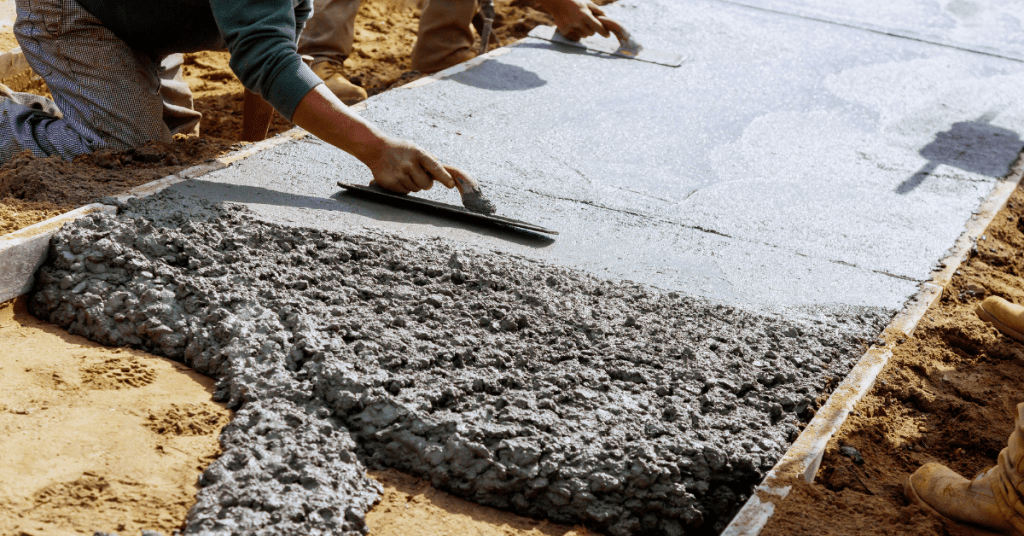
For homeowners and DIY enthusiasts embarking on concrete projects, the question of whether to mix concrete themselves or order ready-mix delivery is often driven by budget considerations. At first glance, buying bags of cement, sand, and aggregate separately appears significantly cheaper than ordering from a concrete supplier. However, the true cost comparison is considerably more complex than it initially seems. The Apparent Cost Advantage of DIY Mixing When you browse the aisles of a builders’ merchant, pre-mixed concrete bags or individual components seem reasonably priced. A 25kg bag of cement costs around £5-8, sand is relatively inexpensive, and aggregate can be purchased in bulk bags. For very small projects requiring less than 0.25 cubic metres of concrete, mixing your own can indeed be the more economical option. This approach works well for setting fence posts, creating small garden features, minor repairs, or filling small holes. When you only need a few dozen litres of concrete, buying several bags makes practical and financial sense. The Hidden Costs of Mixing Your Own However, as project size increases, numerous hidden costs begin to erode or eliminate any apparent savings from DIY mixing. Time and Labour Mixing concrete manually is extraordinarily time-consuming and physically demanding. A cubic metre of concrete weighs approximately 2,400 kilograms. Even with a small cement mixer, you’ll need to measure, load, mix, and transport dozens of individual batches. What a ready-mix lorry delivers in minutes might take you an entire day or more to mix manually. Your time has value, even on a DIY project. If you’re taking time off work or sacrificing a weekend, that represents a real cost that should factor into your calculations. Equipment Requirements Unless you already own a cement mixer, you’ll need to hire one for larger projects. Mixer hire typically costs £30-60 per day for a basic model, with more robust machines costing considerably more. You’ll also need wheelbarrows, shovels, buckets for measuring, and protective equipment. For substantial projects, you may need to hire a mixer for multiple days, with costs mounting quickly. Additionally, you’ll need suitable transport to collect hire equipment and return it, potentially requiring a van hire if you don’t have appropriate vehicles. Material Transportation Cement, sand, and aggregate are extremely heavy. A single bulk bag of sand weighs approximately 850kg, whilst aggregate bags are similar. Unless you have a suitable vehicle with adequate load capacity, you’ll need multiple trips to collect materials or pay for delivery charges that can be substantial. Many builders’ merchants charge £50-100 for delivering materials, particularly if you’re in a less accessible location or require multiple bulk bags. These delivery fees quickly add up and must be factored into your cost comparison. Consistency and Quality Concerns Achieving consistent concrete strength and quality when mixing manually is challenging. Professional ready-mix concrete is batched to precise specifications with computerised controls ensuring exact proportions. When mixing by hand or with a small mixer, achieving the correct ratios consistently across multiple batches is difficult. Incorrect ratios can result in weak concrete that fails prematurely, ultimately costing far more to repair or replace than any initial savings. One batch slightly too wet, another too dry, and you’ll have inconsistent results that may compromise structural integrity. Wastage When ordering materials separately, accurately calculating quantities is difficult. Most DIYers overestimate and end up with leftover materials, or underestimate and need to make additional trips. Ready-mix suppliers calculate exact volumes needed, minimising wastage. Partially used cement bags that get damp are unusable. Leftover aggregate and sand need storage space and often go to waste, representing money spent on materials you never use. Physical Toll The physical demands of mixing concrete shouldn’t be underestimated. Back injuries, muscle strain, and exhaustion are real risks when handling tonnes of heavy materials. The physical toll, whilst not directly monetary, represents a significant hidden cost. When DIY Mixing Makes Financial Sense Despite these drawbacks, situations exist where mixing your own concrete remains the most cost-effective option: Very Small Projects For projects requiring less than 0.1 cubic metres (roughly 5-6 standard wheelbarrow loads), buying bags of pre-mixed concrete or mixing small batches often costs less than minimum delivery charges from ready-mix suppliers. Remote Locations If your project is in a location where ready-mix lorries cannot access or where delivery charges are prohibitively expensive, DIY mixing might be your only practical option. Non-Structural Applications For decorative work, garden projects, or applications where structural integrity isn’t critical, the quality consistency concerns matter less, making DIY mixing more viable. Multiple Small Pours Over Time If you’re undertaking several small projects spread over weeks or months, keeping materials on hand and mixing as needed can be more practical than scheduling multiple ready-mix deliveries. Projects Under 0.5 Cubic Metres with Existing Equipment If you already own a decent cement mixer and have suitable transport, projects requiring up to half a cubic metre might still be economically mixed yourself, particularly if you value the flexibility of working at your own pace. When Ready-Mix Is the Better Value For most projects over 0.5 cubic metres, ready-mix concrete typically proves more economical when all factors are considered: Time Savings A ready-mix lorry can discharge a cubic metre of concrete in minutes. This speed is impossible to match with manual mixing and is particularly crucial for larger pours where concrete needs to be placed before initial setting begins. Labour Efficiency Rather than spending hours mixing, you and any helpers can focus entirely on placing and finishing the concrete. This efficiency often means completing the entire project in one session rather than spreading it over multiple days. Guaranteed Quality Professional ready-mix is batched to specified strength grades with quality controls that DIY mixing cannot match. For structural applications like foundations, driveways, or garage bases, this quality assurance is invaluable. No Equipment Hire or Material Delivery Charges The price you pay for ready-mix includes delivery directly to your pour location. You avoid separate charges for mixer hire, multiple material deliveries, and equipment transport. Reduced Physical Strain Professional delivery eliminates the
Is Ready-Mix Concrete Cheaper?
When planning a concrete project, cost is inevitably a primary consideration. The question “Is ready-mix concrete cheaper?” doesn’t have a simple yes or no answer because “cheaper” depends entirely on what you’re comparing it to and how you define value. Understanding the true cost comparison requires looking beyond the initial price tag to consider time, quality, convenience, and long-term durability. What Is Ready-Mix Concrete? Ready-mix concrete is professionally batched concrete that’s mixed at a plant to exact specifications and delivered to your site in a mixer lorry, ready to pour. The concrete arrives in a plastic state, properly mixed and quality-controlled, allowing you to focus entirely on placement and finishing rather than mixing. Comparing Ready-Mix to Alternative Options Ready-Mix vs DIY Bag Mixing For very small projects under 0.1 cubic metres, buying pre-mixed concrete bags from a builders’ merchant appears cheaper on paper. A few bags costing £4-6 each seems economical compared to minimum delivery charges for ready-mix. However, once you exceed approximately 0.25 cubic metres (roughly equivalent to 25-30 bags), the economics shift decisively in favour of ready-mix. Beyond this point, the labour of mixing dozens of bags, the time investment, and the difficulty of maintaining consistency make ready-mix substantially better value. Consider that mixing 30 bags manually could take several hours of exhausting work, whilst a ready-mix delivery discharges the same volume in minutes. Your time and physical effort have real value that purely comparing material prices ignores. Ready-Mix vs On-Site Volumetric Mixing Volumetric mixing involves a special lorry that carries separate materials and mixes them on-site to order. This offers flexibility for projects with uncertain volumes or where you need different concrete mixes. Volumetric mixing typically costs more per cubic metre than traditional ready-mix. The specialised equipment and flexibility command a premium. For most standard projects where you know your requirements in advance, traditional ready-mix proves more economical whilst still delivering excellent quality. Ready-Mix vs Site-Mixed Concrete Some larger construction projects use on-site batching plants that mix concrete throughout the build. This approach only becomes economical for very substantial projects requiring hundreds of cubic metres over extended periods. For typical domestic and small commercial projects, the capital cost of establishing on-site mixing facilities, storing materials, and maintaining quality control makes ready-mix far more cost-effective. The infrastructure investment simply doesn’t justify itself for modest volumes. The True Cost Factors Beyond Price Per Cubic Metre Labour Efficiency Ready-mix eliminates mixing labour entirely. Rather than having workers spend hours preparing concrete, your entire team can focus on placing and finishing. This labour efficiency often translates to completing projects in one session rather than spreading them over multiple days. If you’re paying contractors or tradespeople by the day, reducing project duration from two days to one through ready-mix efficiency can save more than the concrete delivery cost itself. Time Savings Time is money, particularly in construction. Weather windows are limited, project schedules are tight, and coordination with other trades matters. Ready-mix allows you to pour significant volumes quickly, maximising productive use of good weather and keeping projects on schedule. Delays from slow manual mixing can cascade through project timelines, causing knock-on delays that cost far more than any savings from cheaper concrete alternatives. Consistency and Quality Professional ready-mix is batched using computerised systems that ensure exact proportions every time. This consistency is virtually impossible to achieve with manual mixing, where variations between batches are inevitable. Poor quality concrete that cracks, spalls, or fails prematurely costs enormously more to repair or replace than the difference between ready-mix and DIY alternatives. The quality assurance ready-mix provides is part of its value proposition. Reduced Equipment Needs Ready-mix eliminates the need to hire cement mixers, purchase measuring equipment, or arrange transport for materials. These costs, whilst individually modest, accumulate quickly and must factor into any genuine cost comparison. Minimum Wastage Professional suppliers accurately calculate the volume you need, minimising wastage. When buying materials separately, most people overestimate requirements and end up with unused cement, sand, or aggregate that goes to waste or requires storage space. Physical Demand The physical toll of manual mixing is substantial. Back injuries, exhaustion, and muscle strain are common when handling tonnes of materials. Whilst not directly financial, the physical cost of manual mixing represents real value in choosing ready-mix. When Ready-Mix Offers the Best Value Medium to Large Projects For anything over 0.5 cubic metres, ready-mix typically proves most economical when all factors are considered. The time savings, quality assurance, and labour efficiency outweigh any apparent material cost advantages of alternatives. Structural Applications Foundations, structural slabs, driveways, and load-bearing elements require reliable strength. The quality consistency and documentation provided with ready-mix (delivery tickets showing specified strength grades) makes it essential for critical applications. Time-Sensitive Projects When weather windows are limited or project schedules are tight, ready-mix’s speed and reliability provide value that far exceeds cost differences. Being able to complete a pour in optimal conditions rather than spreading it over multiple days is invaluable. Projects Requiring Building Control For work requiring building regulation compliance, inspectors often need to verify concrete strength grades. Ready-mix delivery tickets provide this documentation, whilst DIY mixed concrete lacks official verification. Commercial and Professional Projects For contractors and professional builders, ready-mix is almost universally the most cost-effective option. The time saved and quality assured directly impacts profitability and reputation. When Alternatives Might Be More Economical Very Small Repairs For minor repairs, patching small areas, or setting a few fence posts, buying several bags of pre-mixed concrete genuinely costs less than minimum ready-mix delivery charges. Projects Under 0.1 Cubic Metres Below this threshold, material costs for bags typically undercut ready-mix delivery, making DIY mixing the economical choice for truly minor work. Remote or Inaccessible Locations If ready-mix lorries cannot access your site or delivery charges are prohibitive due to location, alternatives may be necessary regardless of comparative costs. Non-Critical Decorative Work For garden features, decorative elements, or applications where structural strength isn’t paramount, the quality advantages of ready-mix matter less, potentially making cheaper alternatives viable. Understanding
Should You Use a Concrete Pump or Concrete Mixer – Which is Better?
When planning a concrete project, one of the most common questions that arises is whether to use a concrete pump or rely on traditional concrete mixer delivery. The truth is, this isn’t always an either-or decision, and understanding the difference between these two methods is crucial for making the right choice for your specific project. Understanding the Fundamental Difference Before diving into comparisons, it’s important to clarify what we’re actually comparing. A concrete mixer (specifically a ready-mix lorry) delivers fresh concrete to your site, whilst a concrete pump is a piece of equipment used to transfer that concrete from the delivery point to exactly where it needs to be placed. In many cases, these two methods work together rather than competing against each other. The concrete arrives in a mixer lorry, and if needed, a pump is then used to place it precisely where required. However, understanding when you need pumping services versus when standard mixer delivery suffices can save you time, money, and hassle. When a Concrete Mixer Alone Is Sufficient Direct Access Projects If your pour location is easily accessible and close to where the mixer lorry can park, traditional chute delivery from the mixer may be all you need. The standard chute on a ready-mix lorry can reach approximately 2-3 metres, which is perfectly adequate for many ground-level projects. Simple Ground-Level Pours For straightforward jobs like driveways, garage floors, pathways, and small foundations where the mixer can park adjacent to the work area, wheelbarrowing directly from the chute is often the most economical option. With adequate labour on site, this traditional method remains practical and cost-effective. Budget-Conscious Smaller Projects When working within tight budgets on smaller domestic projects, avoiding the additional cost of pump hire can make financial sense, provided you have sufficient manpower to move the concrete manually and the access permits it. Projects with Ample Time and Labour If your schedule allows for a slower pour and you have plenty of workers available, using wheelbarrows or other manual methods to distribute concrete from the mixer can work well without the need for pumping equipment. When You Should Consider Concrete Pumping Restricted or Difficult Access When the mixer lorry cannot park close enough to the pour location, pumping becomes invaluable. This includes rear gardens accessible only through the house, sites with narrow alleyways, or locations separated from road access by existing structures. Elevated Pours Any work above ground level, such as upper-storey floors, elevated decks, or roof-level projects, typically requires pumping. Attempting to lift concrete manually to height is impractical, dangerous, and extremely labour-intensive. Large Volume Projects For substantial pours where speed is essential to maintain concrete consistency and prevent cold joints, pumping provides the continuous flow needed. Large foundation pours, commercial slabs, and extensive groundwork benefit enormously from the efficiency of pumped concrete. Precision Requirements When concrete needs to be placed with accuracy in specific locations, formwork, or hard-to-reach areas, the controlled delivery of pumped concrete ensures better results than manual placement methods. Time-Sensitive Projects If your project timeline is tight and you need to complete pours quickly, pumping dramatically reduces placement time. What might take several hours with wheelbarrows can often be accomplished in under an hour with the right pump. Sloping or Uneven Sites Sites with challenging terrain where moving heavy wheelbarrows would be difficult or dangerous are ideal candidates for pumping. The pump can deliver concrete uphill, downhill, or across uneven ground with ease. Comparing the Key Factors Cost Considerations Standard mixer delivery is less expensive initially, as you’re only paying for the concrete itself and the delivery. Adding pump hire increases costs, but this needs to be weighed against potential labour costs. If you would need to hire multiple additional workers for several hours to move concrete manually, pumping often proves more economical overall. Time Efficiency Pumping is significantly faster. A typical domestic pour that might require 4-6 hours using wheelbarrows from a mixer could be completed in 30-60 minutes with a pump. This time saving can be crucial for preventing concrete from beginning to set before placement is complete. Labour Requirements Manual distribution from a mixer requires substantial manpower, typically needing at least 3-5 workers for medium-sized pours. Pumping reduces this requirement significantly, often needing only 1-2 people to guide and finish the concrete. Quality and Consistency Pumped concrete arrives at the exact location needed, reducing the risk of segregation that can occur when concrete is manually moved multiple times. This often results in better quality placement and more consistent finishes. Physical Demand Moving concrete manually is extremely physically demanding work. Pumping eliminates the heavy lifting and repetitive wheelbarrowing, reducing worker fatigue and the risk of injury. The Hybrid Approach: Mixer with Pump For many projects, the optimal solution involves both a ready-mix lorry and a pump working in tandem. The concrete is mixed to specification and delivered fresh to site in the mixer, then transferred via pump to the exact placement location. This combination provides the quality of ready-mix concrete with the placement advantages of pumping. Making Your Decision Consider these questions when deciding your approach: Can a mixer lorry park within 2-3 metres of your pour location? If yes, and the work is at ground level, standard mixer delivery may suffice. Is your project above ground level? If yes, pumping is almost certainly necessary. How much concrete do you need to place? Larger volumes increasingly favour pumping for speed and consistency. What is your labour availability? Limited workers on site make pumping more attractive. How quickly must the pour be completed? Tight timeframes demand the efficiency of pumping. What is your total budget? Factor in both equipment hire and labour costs for accurate comparison. Getting Expert Advice The best approach is often to discuss your specific project with concrete supply specialists who can assess your requirements and recommend the most appropriate solution. At National Mini Mix, we have extensive experience helping customers determine whether standard mixer delivery, pumping services, or a combination of both will work best