
Concrete Delivery Doncaster: Same-Day Service Guide

When you need concrete in Doncaster, getting the delivery right makes all the difference. This guide covers the booking process, what information suppliers need, and how to prepare your site for a smooth pour. How Concrete Delivery Works Ready mix concrete arrives in a rotating drum truck. The drum keeps the concrete moving during transit, which prevents it from setting before it reaches your site. Once the truck arrives, you have limited time to pour. Concrete typically stays workable for around 90 minutes after mixing, depending on the weather and the specific mix. This is why preparation matters so much. Same-day concrete Doncaster is available for most orders when you book early enough. Morning calls usually mean afternoon deliveries, though this varies during busy periods. Booking Your Delivery When you phone to order, have this information ready: Your address and postcode. This helps us plan the route and estimate delivery times. What the concrete is for. Different projects need different mixes. Tell us whether it is a driveway, patio, foundation or something else. How much you need. Give us the dimensions of your pour area. We can help calculate the volume if you are unsure. Your preferred delivery time. We offer time slots throughout the day. Morning deliveries are popular, so book early if you need a specific time. Access details. Can the truck reach your property? Are there any width restrictions, low bridges or tight turns? Delivery Windows and Timing Most Doncaster concrete delivery services work in time slots rather than exact times. This allows for traffic, previous jobs running over, and loading times at the plant. A typical slot might be “between 10am and 12pm” or “afternoon delivery.” The driver will usually call you 30 to 60 minutes before arrival so you can be ready. Plan your day around the delivery. Once you have confirmed a slot, have everyone and everything in place well before the earliest time. Rushing to finish preparation when the truck arrives causes problems. Preparing Your Site Good preparation before the truck arrives saves time and stress. Here is a checklist: Excavation must be complete. Dig out to the right depth and compact the sub-base before you order. You cannot do this once the truck is waiting. Formwork should be in place. Timber boards create the shape of your pour. Check they are level, securely staked and will not move under the weight of wet concrete. Tools must be ready. You will need wheelbarrows, shovels, rakes, a tamper and a straight edge for levelling. Have these on site, not in the shed. Help should be arranged. Pouring concrete is hard work and needs to happen quickly. For anything larger than a small shed base, have at least two people ready. The route should be clear. If using wheelbarrows, remove any obstacles between where the truck will park and your pour site. Managing Deliveries on Residential Streets Many Doncaster properties are on residential streets with limited parking and narrow roads. Here is how to make things work: Check for parking restrictions. Some streets need permits for commercial vehicles. Others have time limits. Sort this out before delivery day. Warn your neighbours. A concrete truck takes up space and makes noise. A quick word beforehand keeps everyone happy. Measure access points. Standard concrete trucks are around 2.5 metres wide. Measure your driveway, gate posts and any narrow sections. Consider the weather. Wet conditions make grass verges soft. If the truck needs to mount a kerb or cross a verge, check it will not sink or cause damage. For detailed information about our Doncaster concrete services, visit our dedicated page. What Happens When the Truck Arrives The driver will assess your access and find the best position to pour. If the truck can reach your pour site directly, concrete flows straight from the drum through the chute. If direct access is not possible, you will need to wheelbarrow the concrete from where the truck parks. This takes longer, so work quickly and efficiently. The driver controls the flow rate. They can speed up or slow down depending on how fast you are placing the concrete. Communication is key, so stay in contact with the driver throughout. Pour Method Best For Speed Labour Needed Direct pour Sites with good access Fast 2 people minimum Wheelbarrow Restricted access, rear gardens Slower 3-4 people recommended Pump Difficult access, large volumes Fast 2 people plus operator Tips for a Successful Delivery Book early for same-day service. Morning calls give us more flexibility for same-day slots. Have a backup plan for rain. Light drizzle is usually fine. Heavy rain means rescheduling. Keep the phone handy. The driver needs to reach you if there are problems finding the address or access. Know your quantities. Running short part way through is frustrating. A little extra is better than not enough. According to The Concrete Centre, concrete is one of the most durable construction materials available. When properly placed and cured, it can last for decades with minimal maintenance. Getting Started Ready to order? Contact us to arrange your Doncaster concrete delivery. Call 0114 273 1697 and we will help you work out quantities, choose the right mix and book a convenient delivery slot. With our same-day service and experienced drivers, we make getting concrete to your site straightforward.
Concrete Pump Barnsley: When You Need Pumping Services

Some building sites are tricky to reach. When a concrete truck cannot get close enough to pour directly, a concrete pump solves the problem. This guide explains when Barnsley customers should consider pumping, how it works, and what to expect from start to finish. When Do You Need a Concrete Pump? Concrete pumping in Barnsley is the answer when your pour site is hard to reach by normal means. Here are the most common situations: Rear gardens with no vehicle access. Many Barnsley properties have narrow side passages or no rear access at all. Wheelbarrowing concrete through a house is messy, slow and often impractical. Sites behind walls or fences. If obstacles block the path between the road and your pour site, a pump goes over or around them. Upper floors and basements. Pumping concrete up or down several levels is far easier than carrying it manually. Large pours. When you need several cubic metres, pumping is faster and more efficient than any other method. Tight timeframes. Concrete starts setting the moment it is mixed. Pumping gets it placed quickly, which matters for bigger jobs. Types of Concrete Pump There are two main types of concrete pump hire available: Pump Type Best For Typical Reach Ideal Sites Line pump Smaller domestic jobs, rear gardens Up to 100 metres Tight access, residential Boom pump Large commercial pours, height work 20 to 60 metres vertically Multi-storey, big sites Line pumps are the most common choice for pump hire Barnsley residential work. They are smaller, more affordable and perfect for getting concrete into rear gardens, driveways with restricted access, and hard-to-reach foundations. Boom pumps have a long articulated arm that unfolds from the truck. They can reach over buildings, across obstacles and up several storeys. These are mainly used for commercial and industrial projects in South Yorkshire. How Far Can Concrete Be Pumped? Line pumps can move concrete horizontally for up to 100 metres in good conditions. Vertical pumping is also possible, though it requires more pressure and careful planning. The actual distance depends on several factors: The mix design matters. Pumped concrete needs to flow smoothly through the pipes, so the mix is specially designed for this purpose. The route plays a role. Straight runs are easier than multiple bends. Each bend adds resistance and reduces the maximum distance. The height affects reach. Pumping upwards is harder than pumping along level ground. A line pump can typically manage 30 to 40 metres of vertical lift. The Pumping Process From Start to Finish Understanding what happens on the day helps you prepare properly. Before the pump arrives: Clear a space for the pump to set up. Line pumps need a reasonably flat area about 3 metres by 6 metres. Remove any obstacles along the route to your pour site. Setup takes around 30 minutes. The operator runs the flexible hose from the pump to your pour location. This might go through gates, over walls or along paths. The concrete truck arrives. It reverses up to the pump hopper and starts transferring the mix. The operator controls the flow through the hose. Pumping begins. Concrete flows through the hose at a controlled rate. Someone at the pour end directs the hose and places the concrete exactly where it is needed. Washout happens at the end. The system is flushed with water and a foam ball to clear the remaining concrete. This takes about 15 minutes. For more information on our ready mix concrete services in Barnsley, visit our dedicated page. Does Pumping Cost More? Yes, there is an additional cost for the pump hire. However, for difficult access jobs, pumping often works out cheaper overall. Consider the alternative. Without a pump, you would need to wheelbarrow concrete from the road. This takes longer, requires more labour, and risks the concrete starting to set before you finish placing it. A typical domestic pump hire runs for a few hours. For rear garden concrete and other restricted access jobs, it turns an impossible task into a straightforward one. Planning Your Pump Hire Here is what to have ready when you book: Site details. Where exactly is the pour? How far from the road? Are there obstacles in the way? Access information. Can a truck park on the road? Is there space for the pump to set up? Volume required. How many cubic metres of concrete do you need? Pour dimensions. Length, width and depth of your planned concrete area. According to The Concrete Centre, concrete has proven itself to be one of the most flexible and durable construction materials throughout history, lasting for generations when properly placed. Getting Started Thinking about a concrete pump rental for your Barnsley project? Contact us to discuss your requirements. We can advise whether pumping is the right choice for your specific site and arrange everything in one booking. Call us on 0114 273 1697 to talk through your project. With our experience of difficult access concrete delivery across South Yorkshire, we can help you find the most practical solution.
Domestic Concrete Sheffield: Your Home Project Guide 2026
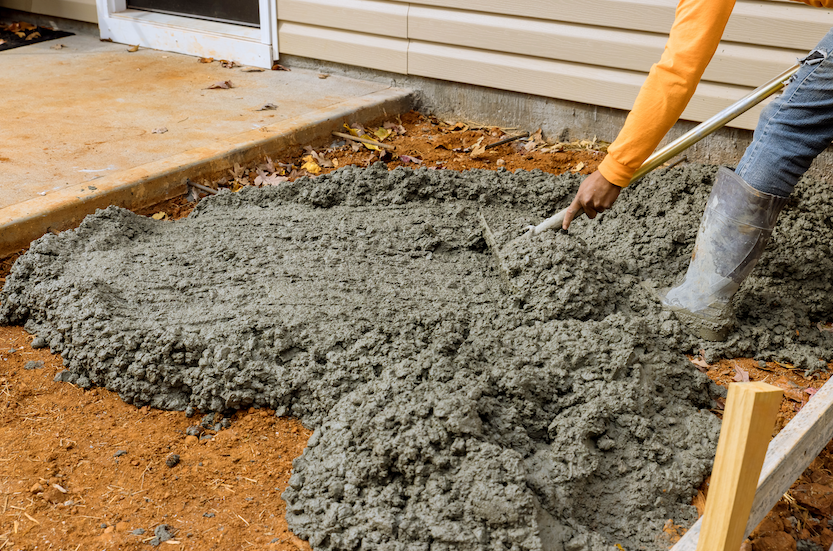
Getting the right concrete for your home project in Sheffield does not need to be complicated. Whether you are laying a new driveway, building a patio, or pouring a shed base, this guide covers everything you need to know before ordering. Why Homeowners Choose Ready Mix Concrete Ready mix concrete arrives at your property already mixed to the correct strength. This saves you hours of manual mixing and guarantees a consistent result. For most home concrete delivery jobs, it is the easiest and most reliable option. When you order from a residential concrete supplier, you get exactly the amount you need. There is no waste from unused bags, and you avoid the backbreaking work of mixing it yourself. Which Concrete Mix Do You Need? Different projects need different concrete strengths. The strength is shown as a grade, such as C20 or C25. Here is a simple breakdown: Project Type Recommended Grade Typical Use Shed bases C15 or C20 Light structures with minimal load Garden paths C20 Foot traffic only Patios C25 Regular foot traffic and garden furniture Driveways C25 or C30 Vehicle weight and regular use Garage floors C25 Vehicles and storage Foundations C25 to C30 Structural support for extensions For most domestic concrete Sheffield projects, C25 is the go-to choice. It handles everyday use and provides excellent durability without costing more than you need to spend. Calculating How Much Concrete You Need Getting the quantity right matters. Order too little and you cannot finish the job. Order too much and you waste money. The formula is straightforward: length x width x depth = volume in cubic metres. For example, a driveway measuring 5 metres long, 3 metres wide and 100mm deep would need: 5 x 3 x 0.1 = 1.5 cubic metres Always add 10% extra to account for spillage, uneven ground and the natural settling of concrete. Use the concrete calculator on our website to get an accurate figure for your specific project. Preparing Your Site Before Delivery Day Good preparation makes your pour go smoothly. Here is what to do before the truck arrives: Clear the area completely. Remove any plants, debris, old concrete or loose soil from the site. Dig out to the right depth. For driveways, this is usually 100mm to 150mm. For paths and patios, 75mm to 100mm is often enough. Create a solid sub-base. Compact the soil and add a layer of hardcore or MOT Type 1 aggregate. This prevents the concrete from cracking as the ground moves. Build your formwork. Use timber boards to create the shape of your pour. Make sure they are level and firmly staked in place. Check vehicle access. The delivery truck needs to get reasonably close to your pour site. Measure your driveway width and any gates the truck must pass through. What to Expect on Delivery Day Sheffield concrete delivery is straightforward when you know what to expect. The driver will contact you with a time slot. Have everything ready before they arrive, as the concrete starts to set once mixed. You will need help. Concrete is heavy and needs spreading quickly. For a driveway, have at least two or three people ready with wheelbarrows, shovels and rakes. The truck can usually pour directly into your formwork if access allows. If not, you will need to barrow the concrete from where the truck can park. Work quickly but carefully. Spread the concrete evenly, tamp it down to remove air pockets, and use a straight edge to level the surface. Top Tips for Successful Home Projects Book in advance during busy periods. Spring and summer are peak times for driveway concrete Sheffield orders. Check the weather forecast. Avoid pouring when heavy rain is expected, or when temperatures drop below 4°C. Have a plan for excess. If you have concrete left over, pour it into a small mould for stepping stones or garden edging. Cure properly. Keep the concrete damp for several days after pouring. Cover it with plastic sheeting or spray it with water regularly. This helps it reach full strength. According to The Concrete Society, curing is the process of preventing the loss of moisture from young concrete whilst maintaining a satisfactory temperature. Proper curing significantly improves concrete strength and durability. Getting Started Planning a patio concrete mix or laying a new driveway? Give us a call on 0114 273 1697 to discuss your project. We deliver throughout Sheffield with same-day service available for most orders. Our team can help you work out the right grade and quantity for your specific job. With over 40 years of experience as a family business, we know what works for Sheffield homes.
What Are the Benefits of Concrete Pumping?

Concrete pumping has become standard practice across the construction industry, from major commercial developments to domestic extensions and garden projects. Yet many people planning their first significant concrete pour still wonder whether pumping is worth the additional cost. The short answer? In most cases, yes. But understanding exactly why concrete pumping delivers value helps you make an informed decision rather than simply taking a supplier’s word for it. Let’s explore the genuine benefits that make concrete pumping the preferred choice for projects of all sizes. Speed of Placement Time matters on any construction project. Every day spent on site represents labour costs, equipment hire, and delays to subsequent trades waiting to begin their work. Concrete pumping dramatically reduces the time required to move material from delivery vehicle to final position. Consider the alternative. Without pumping, concrete must travel by wheelbarrow, dumper, or crane-lifted skip from where the lorry can park to where the pour is happening. Each journey takes time. Workers tire as the day progresses, slowing the pace further. And all the while, the concrete itself is gradually setting, reducing the window available for proper placement and finishing. Pumping changes this equation entirely. Material flows continuously from mixer to placement point at rates that would require a small army of workers to match manually. A pour that might take a full day using traditional methods can often be completed in a few hours with pumping. This speed advantage compounds across the project. Faster concrete placement means formwork can be struck sooner, follow-on trades can access the area earlier, and the overall programme moves forward more quickly. The cost of pumping often pays for itself through these knock-on time savings alone. Reduced Labour Requirements Construction labour represents one of the largest cost centres on any project. Concrete work has traditionally been labour-intensive, requiring teams of workers to transport, place, and consolidate material throughout the pour. Pumping substantially reduces the workforce needed. Rather than multiple labourers shuttling wheelbarrows back and forth, a pump operator and a small team managing the hose can handle material placement. The workers you do need can focus on the skilled tasks of spreading, levelling, and finishing rather than the exhausting work of moving heavy loads. This reduction matters beyond simple cost savings. Finding reliable construction labour has become increasingly challenging. Projects that can operate efficiently with smaller teams face fewer recruitment headaches and less vulnerability to absent workers disrupting schedules. The physical demands of manual concrete handling also carry health and safety implications. Repeated heavy lifting contributes to musculoskeletal injuries that affect workers’ long-term wellbeing and create potential liability issues for contractors. Pumping eliminates much of this strenuous activity, creating a safer working environment. Access to Difficult Locations Perhaps no benefit of concrete pumping proves more valuable than the ability to reach locations that would otherwise be impractical or impossible to serve. Construction sites rarely offer the luxury of positioning delivery vehicles exactly where concrete is needed. Boom pumps mounted on lorries can extend their articulated arms over obstacles, around corners, and to considerable heights. A pour on the third floor of a building under construction becomes straightforward rather than requiring elaborate scaffolding or crane arrangements. A garden project at the rear of a terraced property receives concrete as easily as one with full driveway access. Line pumps offer different but equally valuable capabilities. Their flexible hoses can thread through narrow passages, down staircases, and into confined spaces. Basement pours, pool construction in enclosed gardens, and renovation work within existing buildings all become manageable with line pumping. This access capability often makes the difference between a project being feasible or not. Without pumping, some sites would require such elaborate material handling arrangements that costs would become prohibitive. Pumping provides a practical solution that keeps projects viable. Improved Concrete Quality The quality of finished concrete depends heavily on how it’s handled between mixing and final placement. Every transfer, every delay, and every disturbance affects the material’s ultimate performance. Pumping minimises these quality risks in several important ways. Concrete begins setting from the moment water meets cement. The chemical reaction is relentless, and extended handling times reduce workability while potentially compromising strength development. Pumping moves material rapidly from mixer to final position, minimising the time available for these negative effects to accumulate. Segregation presents another quality concern with traditional handling methods. The various components of concrete—cement paste, sand, and larger aggregates—can separate during rough handling, resulting in inconsistent material that performs unpredictably. The continuous flow through pump lines maintains mix consistency more effectively than repeated dumping and shovelling. Consolidation, the process of removing air voids from placed concrete, also benefits from pumping. Material delivered under pressure tends to compact more thoroughly than concrete simply dumped into formwork. While proper vibration remains important, pumped concrete often starts from a better baseline. Precision of Placement Accuracy matters in concrete work. Material placed where it shouldn’t be creates waste and cleanup problems. Material missing from where it should be creates structural concerns. Traditional methods involving wheelbarrows and manual handling inevitably produce some spillage and imprecision. Pumping offers controlled, directed placement that puts concrete exactly where it’s needed. The operator managing the hose or boom can position material with considerable accuracy, filling formwork systematically without overspill. This precision reduces waste and minimises the effort required for cleanup. For complex pours involving dense reinforcement, precise placement becomes even more valuable. Concrete needs to flow around and between steel bars to create proper encasement. Directed placement from a pump hose allows material to be introduced at specific points, ensuring complete filling of congested areas that might trap voids with less controlled methods. Continuous Pour Capability Many concrete applications benefit from—or absolutely require—continuous placement without interruption. Cold joints, the planes of weakness that form when fresh concrete meets partially set material, can compromise structural integrity and create pathways for water ingress. Pumping supports continuous pours by delivering material at steady rates that match placement requirements. Rather than stop-start deliveries limited by how quickly workers
Why Choose Ready Mix Concrete for Your DIY Projects?

Taking on a DIY concrete project can feel daunting. Whether you’re laying a new patio, building a base for a garden room, or constructing a driveway, the prospect of mixing concrete yourself raises plenty of questions. How much do you need? Will you get the mix right? Can you physically manage the work involved? Ready mix concrete answers many of these concerns, offering DIY enthusiasts a practical route to professional-quality results. Yet some people assume that ready mix is only for large commercial projects or professional builders. In reality, it’s often the smartest choice precisely because you’re tackling the work yourself. Here’s why ready mix concrete deserves serious consideration for your next DIY project. Consistent Quality Without the Guesswork Getting concrete mix proportions right matters enormously. Too much water and the finished product will be weak and prone to cracking. Too little cement and strength suffers. Incorrect aggregate ratios affect workability, durability, and finish quality. Professional batching plants eliminate this uncertainty entirely. Ready mix concrete is produced using calibrated equipment that weighs each ingredient precisely. The mix design follows established standards, ensuring the concrete you receive will perform as expected when it cures. For DIY projects, this consistency provides genuine peace of mind. You’re not wondering whether your hand-mixed batches are comparable to each other, or whether that last load was slightly different because you were tired and rushing. Every bit of ready mix from a delivery meets the same specification. This matters particularly for structural applications. A shed base might forgive minor inconsistencies, but foundations for an extension or supports for a pergola need reliable strength. Ready mix delivers that reliability without requiring you to develop expertise in concrete chemistry. Time Savings That Transform Your Project Time is the resource most DIY enthusiasts underestimate. Mixing concrete by hand or with a small mixer consumes hours that could go toward actually building something. Consider the mathematics. A modest patio of around 15 square metres at 100mm thickness requires approximately 1.5 cubic metres of concrete. Mixed by hand, that represents dozens of individual batches, each requiring measuring, mixing, transporting, and placing. Even with a powered mixer, you’re looking at a full day’s exhausting work just handling the concrete—before any finishing begins. Ready mix transforms this timeline. That same 1.5 cubic metres arrives on a single vehicle and can be placed within an hour or two. Your energy goes into spreading, levelling, and finishing rather than the repetitive grind of mixing batch after batch. This time advantage extends beyond the pour itself. Weekends are precious, and DIY projects already stretch across more of them than anyone initially expects. Completing the concrete phase quickly frees subsequent weekends for other work, keeping your project moving forward rather than stalling at an early stage. Physical Demands You Can Actually Manage Mixing concrete manually is hard physical work. A single 25kg bag of cement represents just one component of a small batch. Add sand and aggregate, and each mix involves moving substantial weight. Multiply by the dozens of batches a reasonable-sized project requires, and you’re facing a genuinely gruelling task. This physical demand creates real problems for many DIY enthusiasts. Not everyone has the fitness level for a full day of heavy labour. Injuries happen when tired people continue lifting and carrying. And projects that leave you physically broken for days afterwards lose much of their appeal. Ready mix shifts the physical demands dramatically. You’ll still work hard spreading and finishing concrete, but you’re not exhausting yourself before that work even begins. The concrete arrives and flows to where it’s needed, leaving you fresh for the skilled tasks that actually determine how your finished project looks and performs. For older DIYers, those with back problems, or simply anyone who prefers working smarter rather than harder, this reduction in physical strain can make the difference between a project being feasible or not. Access to Professional Mix Designs Different applications call for different concrete specifications. External hardstandings need frost resistance. Foundations require specific strength grades. Decorative work benefits from particular aggregate blends that finish attractively. When mixing yourself, you’re largely limited to general-purpose formulations. Achieving specialised properties requires knowledge of admixtures and additives that most DIYers simply don’t possess. Ready mix suppliers offer access to the full range of professional specifications. Need concrete that will resist freeze-thaw cycles in an exposed location? They can provide it. Want a mix designed for easy pumping to a difficult access point? That’s available too. Require a specific strength grade to satisfy building regulations? Just specify what’s needed. This access to professional formulations means your DIY project can match the technical quality of professional work. The concrete itself performs identically whether placed by a contractor or a homeowner—because it’s exactly the same material. Accurate Quantities With Less Waste Estimating concrete requirements challenges even experienced builders. Order too little and you’re left with an incomplete pour and potential cold joints where fresh concrete meets partially cured material. Order too much and you’ve paid for material you can’t use. Mixing yourself adds another layer of complexity. Bags of cement deteriorate once opened. Bulk aggregates delivered to your drive require storage space and may leave you with surplus after the project finishes. The multiple components create multiple opportunities for waste. Ready mix simplifies quantity planning considerably. Suppliers help you calculate requirements based on your project dimensions. Volumetric mixing—where concrete is produced on site from a vehicle carrying separate ingredients—allows precise quantities with no waste from over-ordering. Some suppliers offer smaller minimum orders suited to DIY project scales. Others provide mini mix services using compact vehicles that access domestic properties easily. These options make ready mix practical for projects that wouldn’t justify a full commercial delivery. Technical Support When You Need It Undertaking concrete work yourself doesn’t mean you have to figure everything out alone. Ready mix suppliers deal with concrete every day and understand the practicalities that DIY resources often overlook. Good suppliers will discuss your project, recommend appropriate specifications, and highlight potential issues
What Are the Key Benefits of Using Ready Mix Concrete for Home Projects?

Home improvement projects involving concrete present a fundamental choice: mix it yourself or have it delivered ready to use. For many homeowners, the instinct leans toward self-sufficiency—buying bags, hiring a mixer, and doing everything from scratch feels like the proper DIY approach. Yet there’s a reason professional builders overwhelmingly choose ready mix concrete, and those same reasons apply just as strongly to home projects. Understanding the genuine benefits helps you make a decision based on what actually delivers the best outcome rather than assumptions about what serious DIYers should do. Here’s what ready mix concrete genuinely offers for your home projects. Professional-Grade Quality The concrete in commercial buildings, bridges, and infrastructure projects comes from batching plants using precisely controlled processes. Ready mix for your patio or driveway comes from exactly the same source, made to exactly the same standards. Batching plants weigh each ingredient with calibrated equipment. Cement, aggregates, water, and any admixtures combine in exact proportions specified for the intended application. This precision ensures the concrete will achieve its design strength and perform reliably throughout its service life. Hand mixing simply cannot match this consistency. Human measurement introduces variation. Fatigue as the job progresses affects accuracy. The tenth batch mixed after hours of work rarely matches the first batch mixed when you were fresh and careful. For home projects, this quality difference manifests in tangible ways. Surfaces cure more evenly without weak patches. Structural elements achieve reliable strength without uncertainty. The finished work performs as expected for decades rather than developing problems prematurely. Substantial Time Savings Time represents the hidden cost of DIY concrete work. Mixing by hand or with a small powered mixer consumes hours that the project timeline rarely accounts for properly. The arithmetic is sobering. Each cubic metre of concrete requires roughly 350kg of cement, 700kg of sand, and 1,200kg of aggregate. Moving, measuring, and mixing these materials by hand takes considerable time even for modest quantities. A typical driveway might need five cubic metres or more—that’s tonnes of material requiring dozens of individual batches. Ready mix compresses this timeline dramatically. Material arrives mixed and ready for placement. A pour that might consume an entire weekend using traditional methods can be completed in a morning with ready mix, leaving time for proper finishing work rather than rushing as daylight fades. This efficiency extends beyond the immediate project. Weekends reclaimed from mixing can go toward other improvements. Projects finish sooner, meaning you enjoy the results earlier. And the energy you’d spend on repetitive physical labour remains available for the skilled work that actually determines final quality. Reduced Physical Strain Concrete work has always been physically demanding, but mixing your own materials elevates that demand substantially. Every bag of cement weighs 25kg. Aggregate comes in bulk requiring shovelling and transporting. Each batch involves lifting, pouring, and mixing before the actual placement work even begins. This physical burden creates genuine problems. Backs give out. Muscles cramp. Fatigue leads to accidents and injuries. Projects that seemed manageable during planning become ordeals during execution. Ready mix shifts the physical equation considerably. You’ll still work hard placing and finishing concrete, but you’re not exhausted before that work starts. The demanding labour of materials handling happens at the batching plant using equipment designed for the purpose, not in your garden using your body. For homeowners who aren’t construction labourers by trade, this difference matters enormously. A project that remains physically achievable is far more likely to be completed well than one that leaves you struggling from the first hour. Accurate Quantities Calculating concrete requirements involves geometry that seems straightforward but catches people out regularly. Volumes multiply faster than intuition suggests. Irregular shapes complicate estimates. Waste and spillage consume more than planned. Getting quantities wrong creates problems either way. Too little concrete leaves you with an incomplete pour and difficult decisions about whether to continue with a separate batch that may not bond properly. Too much means paying for material you can’t use, often left setting in the mixer or dumped in an inconvenient location. Ready mix suppliers help you get quantities right. They calculate requirements based on your project dimensions, applying experience-based factors for waste and practical considerations. Volumetric mixing takes this further, producing concrete on site so you receive precisely what the job actually needs rather than a predetermined estimate. This accuracy reduces waste, controls costs, and eliminates the anxiety of wondering whether you’ve ordered enough or too much. Technical Expertise Included Concrete seems simple—cement, sand, gravel, and water—but the details matter more than most people realise. Different applications require different mix designs. Exposure conditions affect specification choices. Admixtures modify properties for specific purposes. When mixing yourself, you’re limited to basic formulations and whatever guidance appears on cement bags. Achieving particular strength grades, workability characteristics, or durability properties requires knowledge that takes years to develop. Ready mix suppliers provide access to that expertise as part of the service. Describing your project prompts recommendations about appropriate specifications. Questions about preparation, timing, and technique receive answers based on daily experience rather than theoretical understanding. This technical support helps avoid mistakes that might not become apparent until months or years later. Concrete that cracks, spalls, or fails structurally often does so because of specification errors made long before placement. Getting expert input at the ordering stage prevents problems that would otherwise prove costly to remedy. Predictable Costs DIY projects have a tendency to exceed budgets, and concrete work exemplifies this pattern when approached through self-mixing. The obvious costs—cement bags, aggregate deliveries, mixer hire—represent only part of the picture. Hidden costs accumulate throughout the process. Wasted materials from over-ordering or spoilage. Additional time taken from work or other commitments. Tools and equipment purchased for a single project then rarely used again. Physical recovery time after exhausting labour. Ready mix provides cost clarity. A quote covers the concrete itself, delivery, and often pumping if required. The total might appear higher than buying raw materials, but it reflects the genuine complete cost rather than an optimistic estimate
What’s the Difference Between Concrete and Ready Mix?

If you’ve ever started planning a construction project, you’ve likely encountered the terms “concrete” and “ready mix” used in ways that seem almost interchangeable. Yet suppliers clearly differentiate between them, and pricing structures treat them as distinct products. So what exactly is the difference? Is ready mix simply a type of concrete, or are they fundamentally different materials? And more importantly, which one do you actually need for your project? Let’s clear up the confusion and help you understand what sets these options apart. Understanding Concrete as a Material Concrete itself is one of the most widely used construction materials in the world. At its core, it’s a composite material made from a few essential ingredients: cement, water, and aggregates (typically sand and gravel or crushed stone). When these components combine, a chemical reaction called hydration occurs. The cement reacts with water to form a paste that coats the aggregate particles and gradually hardens into the solid, durable material we recognise as concrete. This process continues for weeks after initial placement, with concrete gaining strength over time. The proportions of these ingredients—known as the mix design—determine the concrete’s characteristics. More cement generally means higher strength. Different aggregates affect workability and finish. Additives can modify setting time, improve frost resistance, or enhance other properties. Concrete as a concept, then, refers to the material itself regardless of how it’s produced or delivered. What Makes Ready Mix Different? Ready mix concrete is exactly what the name suggests: concrete that arrives at your site ready to use. It’s manufactured at a batching plant under controlled conditions, loaded into mixing lorries, and delivered directly to where you need it. The “ready” part is the crucial distinction. Rather than mixing concrete yourself on site, you receive a precisely formulated product that’s been prepared according to specific standards. The batching plant weighs and combines ingredients accurately, ensuring consistency that’s difficult to achieve with manual mixing. Ready mix isn’t a different material from concrete—it’s a different method of production and delivery. The end product is still concrete, with the same fundamental properties and applications. The difference lies entirely in how that concrete comes into being and reaches your project. Site Mixed Concrete: The Alternative To understand ready mix fully, it helps to consider the alternative: site mixed concrete. This is concrete produced on location using bags of cement, locally sourced aggregates, and water mixed together manually or with small machinery. Site mixing was the standard approach for generations and still has its place today. For very small jobs—perhaps setting a few fence posts or creating a small pad for a bin store—buying bags of cement and mixing by hand can make practical sense. You control the timing completely, can work at your own pace, and avoid minimum order quantities. However, site mixing comes with significant limitations. Achieving consistent quality requires careful measurement and thorough mixing, which demands both skill and effort. Physical labour is considerable, particularly for anything beyond the smallest projects. And the time involved multiplies quickly as volumes increase. A cubic metre of concrete—roughly enough for a small shed base—requires approximately 350kg of cement, along with nearly a tonne of sand and over a tonne of gravel. Mixing that by hand represents a substantial undertaking. The Practical Advantages of Ready Mix Ready mix concrete has become the preferred choice for most construction projects, and the reasons extend beyond simple convenience. Consistency and quality control stand among the primary benefits. Batching plants operate with calibrated equipment that measures ingredients precisely. The resulting concrete meets specified standards reliably, batch after batch. This matters enormously for structural applications where strength requirements aren’t merely desirable but essential. Time savings prove equally significant. A ready mix delivery can place in minutes what might take hours to mix on site. For larger projects, this difference becomes dramatic. Labour that would otherwise go into mixing can focus on placing, finishing, and other value-adding activities. Reduced site congestion follows naturally. Ready mix eliminates the need to store bulk aggregates and cement bags on site. For urban projects or locations with limited space, this simplification can make the difference between a manageable site and a logistical nightmare. Technical expertise comes built into the service. Ready mix suppliers understand concrete chemistry and can recommend appropriate mix designs for specific applications. Need higher strength for a structural slab? Require improved workability for pumping? Want enhanced durability for external use? The batching plant can adjust formulations accordingly. When Might You Choose Each Option? Despite the clear advantages of ready mix for most applications, situations exist where site mixing makes sense. Very small quantities often fall into this category. Ready mix suppliers typically have minimum order requirements, and the economics don’t always work for tiny pours. If you need just a few buckets of concrete, mixing from bags remains practical. Remote locations can present challenges for ready mix delivery. Concrete has a limited working time—typically a couple of hours depending on conditions—and sites far from batching plants may struggle to receive material in usable condition. Staged pours over extended periods sometimes suit site mixing. If you’re working alone on a project and need to place small amounts over several days, controlling your own mixing gives flexibility that scheduled deliveries can’t match. For anything beyond these scenarios, ready mix typically offers better value despite the higher apparent cost per cubic metre. When you factor in labour, time, and the certainty of quality, the calculation usually favours professional batching. Volumetric Mixing: A Third Option It’s worth mentioning a middle ground that combines elements of both approaches. Volumetric mixing uses specialist vehicles that carry raw ingredients separately and mix concrete on site to order. This method offers the quality control of ready mix batching with added flexibility. Concrete is mixed fresh at the point of delivery, eliminating concerns about working time during transit. You can order precisely the quantity you need, avoiding waste from over-ordering. And adjustments to the mix can happen on the spot if requirements change. For projects where
What Are the Five Practical Applications of Concrete Pumping?
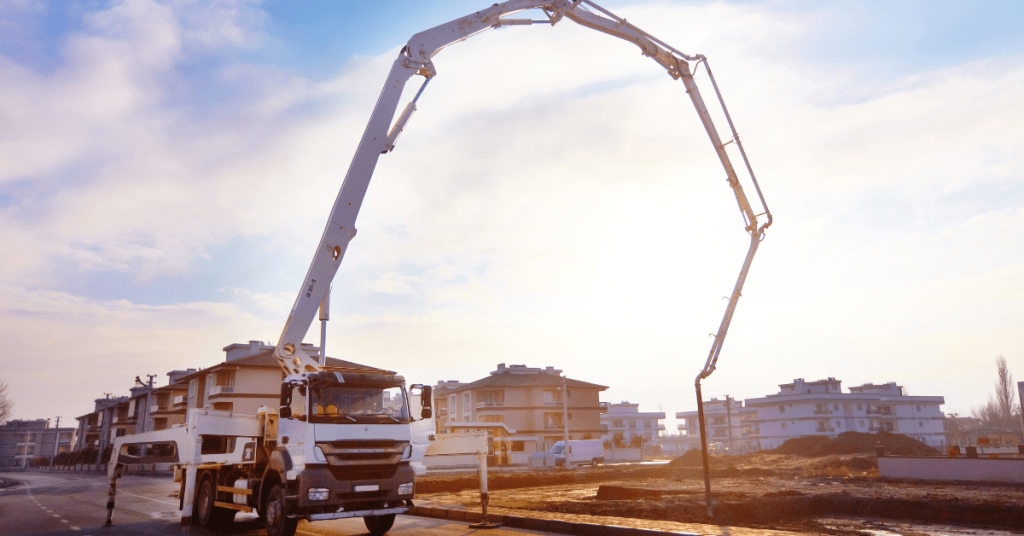
Concrete pumping has transformed the way construction projects handle one of their most essential materials. Rather than relying solely on wheelbarrows, cranes, or manual labour to move concrete from mixer to placement site, pumping offers a faster, more precise, and often more economical solution. But what exactly makes concrete pumping so valuable? And more importantly, where does it make the biggest difference? In this guide, we’ll explore five practical applications where concrete pumping proves its worth, helping you understand when this method might be the right choice for your next project. Understanding Concrete Pumping Before diving into specific applications, it’s worth understanding what concrete pumping actually involves. The process uses specialised equipment—either a boom pump mounted on a lorry or a line pump connected to flexible hoses—to transport liquid concrete from the delivery vehicle directly to where it’s needed. This might sound straightforward, but the implications are significant. Concrete pumping eliminates much of the physical labour traditionally associated with placing concrete, reduces the time materials spend in transit (which matters when you’re working with a product that begins setting the moment it’s mixed), and allows access to areas that would otherwise be extremely difficult to reach. 1. Residential Foundations and Footings One of the most common applications for concrete pumping is laying foundations for homes and residential extensions. Whether you’re building a new house, adding a conservatory, or constructing a garden room, the foundation work sets the stage for everything that follows. Pumping concrete for residential foundations offers several advantages. The precision of placement means you can fill formwork evenly and completely, reducing the risk of voids or weak spots that could cause problems years down the line. It’s also considerably faster than traditional methods, which matters when you’re paying tradespeople by the hour and want to move on to the next phase of construction. For properties with limited access—perhaps a terraced house with no side entrance, or a garden project at the rear of a property—pumping becomes not just convenient but essential. The flexible hoses used in line pumping can navigate through narrow passages, over walls, and around obstacles that would stop a wheelbarrow in its tracks. 2. Commercial and Industrial Floor Slabs Large floor slabs for warehouses, factories, and commercial buildings represent another area where concrete pumping excels. These projects typically require substantial volumes of concrete placed quickly and consistently across expansive areas. The speed of pumped concrete delivery helps maintain what’s known as a “wet edge”—keeping the previously placed concrete workable so that new material bonds properly with it. This is crucial for creating seamless, structurally sound floor slabs without cold joints that could compromise strength or durability. Industrial flooring also demands consistent quality throughout. Pumping helps achieve this by delivering concrete at a steady rate, allowing finishing teams to work systematically across the surface. The result is a more uniform slab with better surface characteristics and fewer defects requiring remediation. 3. Hard-to-Reach Locations Perhaps no application demonstrates the value of concrete pumping quite like projects in difficult-to-access locations. Construction sites don’t always offer the luxury of easy vehicle access or plenty of space to manoeuvre equipment. Consider a basement conversion where concrete needs to reach several metres below ground level. Or a high-rise construction project where materials must travel vertically as well as horizontally. Or simply a back garden separated from the road by a house and narrow side passage. In these situations, pumping transforms projects from logistically nightmarish to entirely manageable. Boom pumps can extend over obstacles and reach elevated positions, while line pumps can thread through confined spaces. What might otherwise require scaffolding, cranes, or armies of workers with wheelbarrows becomes a streamlined operation. 4. Swimming Pools and Water Features Constructing swimming pools, ponds, and decorative water features presents unique challenges. These structures require watertight concrete shells, often with curved or complex geometries that demand careful placement. Pumped concrete allows for the precise application needed when forming pool walls and floors. The material can be placed exactly where required, worked into curves and corners, and consolidated properly to eliminate voids that could later become leak points. The speed of pumped delivery also matters here. Pool construction typically uses concrete with specific additives for waterproofing and durability. Placing this material quickly and efficiently helps ensure it performs as intended, without the complications that can arise from extended handling times. 5. Structural Elements and Reinforced Concrete Work Columns, beams, suspended slabs, and other structural elements often involve dense reinforcement steel that concrete must flow around and through completely. Traditional placement methods can struggle with this, potentially leaving voids around reinforcement that compromise structural integrity. Pumped concrete, particularly when specified with appropriate mix designs for flowability, can navigate through congested reinforcement more effectively. The pressure behind the material helps it find its way into all the spaces within formwork, resulting in better consolidation and stronger finished elements. This application extends to bridge construction, retaining walls, and other civil engineering projects where structural performance is paramount and access is often challenging. Choosing the Right Approach While concrete pumping offers clear advantages in many situations, it’s not automatically the best choice for every project. Very small pours might not justify the setup involved, and some mix designs aren’t suitable for pumping. The key lies in matching the method to the project’s specific requirements. Factors to consider include the volume of concrete needed, site access constraints, placement locations, and the complexity of the pour. Working with an experienced supplier who understands both the concrete itself and the logistics of delivery helps ensure you get the right solution. They can assess your project, recommend appropriate methods, and coordinate delivery to keep your construction programme on track. The Bottom Line Concrete pumping has earned its place as a standard technique in modern construction for good reason. From residential foundations to commercial floor slabs, from awkward access situations to precision structural work, pumping delivers concrete where it’s needed, when it’s needed, with less labour and greater accuracy than traditional methods. Understanding these
5 Ways Commercial Concrete Benefits Rotherham Businesses

Running a business in Rotherham means making smart choices about your building projects. Whether you’re expanding your warehouse, creating new office space, or building a retail location, the materials you choose matter. Commercial concrete has become the top choice for business owners across South Yorkshire, and for good reason. When you’re planning a construction project, understanding the concrete benefits Rotherham businesses experience can help you make the right decision. This versatile material offers advantages that directly impact your bottom line and long-term success. Let’s explore five key ways that using commercial concrete can benefit your business in Rotherham and help your project succeed. 1. Fast Construction Means Lower Costs Time is money in business, and commercial concrete helps you save both. Ready mix concrete arrives at your site already mixed and ready to pour. This means your construction team can work quickly without delays. Unlike site-mixed concrete, which requires time-consuming on-site preparation, ready-mix concrete is prepared at batching plants using precise measurements and high-quality ingredients. Professional concrete suppliers in Rotherham use modern batching plants that ensure every load meets a high standard. This quality control saves you time and guarantees consistent results. The cost effectiveness of ready mix concrete becomes clear when you consider the complete picture. Many local suppliers offer competitive prices whilst maintaining excellent customer service. Some even allow you to collect your concrete if that suits your project better, giving you flexible options that work around your schedule. Faster construction also means: You pay workers for less time Your business can start operating sooner You reduce the cost of site security and equipment rental Less disruption to your existing operations Lower overall project costs with better cost effectiveness 2. Strength That Lasts for Decades Commercial buildings need to handle heavy use every single day. Quality concrete provides the strength and durability that businesses require. Unlike other materials that weaken over time, properly mixed concrete actually gets stronger as it ages. This strength is especially important for businesses in Rotherham’s industrial sector. Warehouses need floors that can support heavy machinery and constant forklift traffic. Areas with heavy traffic, whether from vehicles or foot traffic, benefit greatly from concrete’s robust nature. Retail spaces need structures that remain safe and stable for customers and staff year after year. Modern concrete mixes meet strict UK concrete standards that ensure quality and safety. These standards guarantee your building will stand strong for many years to come. When you choose local concrete suppliers who understand South Yorkshire’s specific requirements, you get a product built to last. The long-term benefits of this strength cannot be overstated. A well-constructed concrete building in Rotherham can serve your business for 50 years or more without major structural work. 3. Lower Maintenance Saves Money Long-Term Every pound you spend on building maintenance is a pound that doesn’t go towards growing your business. Concrete requires very little maintenance compared to other building materials. Wood needs regular treatment to prevent rot. Steel can rust and corrode. Brick can crack and crumble. Concrete stands up to harsh weather, heavy use, and time itself without constant attention. For Rotherham businesses, this means: Fewer repair costs over the years Less downtime for maintenance work Buildings that look professional for longer More predictable budgets without surprise repair bills 4. Flexibility for Different Business Needs Many business owners think concrete is only good for basic structures. However, modern commercial concrete is an incredibly versatile material that can be adapted to almost any construction project. Whether you need industrial warehouse flooring, attractive shopfronts, car parks, or office foundations, quality concrete in Rotherham can be customised to match your specific requirements. Different mixes provide different properties, from extra strength to improved water resistance. You can even use concrete blocks for certain applications where they offer practical advantages. Professional concrete suppliers in Rotherham work with you to understand your project needs. They can recommend the right mix design and delivery method for your situation. This personalised customer service ensures your construction project gets exactly what it needs to succeed. Concrete works well for: Large warehouse floors that handle heavy loads Attractive retail spaces with decorative finishes Multi-storey car parks that serve your customers Foundation work for any size building Extensions to existing structures Loading bays and service areas 5. Better Safety for Your Employees and Customers Safety should be a top priority for any business owner. Concrete offers excellent fire resistance, which is crucial for protecting your investment, your employees, and your customers. Unlike wood or some modern building materials, concrete doesn’t burn. If a fire does start, concrete walls and floors help contain it and give people more time to evacuate safely. This fire resistance can also lower your insurance premiums, saving you money each year. Concrete also provides: Stable, level surfaces that reduce trip hazards Resistance to chemicals and spills in industrial settings Protection against extreme weather conditions Sound insulation between different areas of your building Comparing Concrete to Other Building Materials Understanding how concrete compares to other options helps you make the best choice for your business project. Feature Concrete Steel Frame Timber Frame Brick Construction Speed Fast Medium Fast Slow Durability Excellent Good Fair Good Fire Resistance Excellent Fair Poor Good Maintenance Needs Very Low Medium High Medium Load Capacity Excellent Excellent Fair Good Weather Resistance Excellent Fair Poor Good Cost Effectiveness Excellent Medium Medium High Making the Right Choice for Your Rotherham Business Choosing the right materials for your commercial building project affects your business for years to come. Commercial concrete offers a winning combination of speed, strength, low maintenance, flexibility, and safety that few other materials can match. The concrete benefits Rotherham businesses experience go beyond just the building phase. This versatile material continues delivering value throughout the life of your structure. When you work with experienced concrete suppliers in Rotherham, you get access to expertise that helps your project succeed from start to finish. Local concrete suppliers understand the specific needs of businesses across
Understanding Concrete Pumping – Efficiency in Construction

Concrete pumping has transformed modern construction, enabling projects that would have been impractical or impossible using traditional concrete placement methods. From high-rise developments reaching skyward to residential projects with challenging site access, concrete pumps deliver ready mix concrete precisely where it’s needed with remarkable efficiency. Understanding how concrete pumping works, the different systems available, and when pumping provides the optimal solution helps contractors, developers, and property owners make informed decisions that improve project outcomes whilst controlling costs. What Is Concrete Pumping? Concrete pumping involves using specialised mechanical equipment to transfer liquid concrete from the delivery truck through pipework or hoses to the exact pour location. This technology overcomes the limitations of gravity-based concrete placement, enabling concrete to travel horizontally, vertically, or around obstacles that would otherwise require extensive manual handling. The concrete pump itself creates pressure that forces concrete through the delivery system. Modern pumps achieve this using either piston mechanisms or rotating screws, each with distinct characteristics suited to different applications. The concrete travels through steel or flexible pipework—typically 100-150mm diameter for standard applications—emerging at the discharge point ready for placement. This seemingly straightforward process represents sophisticated engineering. The pump must move highly viscous, abrasive material considerable distances whilst maintaining mix integrity, avoiding segregation, and operating safely under substantial pressures. Quality concrete pumping equipment, operated by trained professionals, accomplishes this reliably across diverse construction applications. Types of Concrete Pumps Boom Pumps Boom pumps, often called cement pumps in industry parlance, mount the pumping mechanism and distribution system on a truck chassis. The defining feature is the articulated boom arm—a multi-section hydraulic arm that positions and supports the concrete delivery pipeline. These impressive machines feature boom reaches ranging from approximately 20 metres for smaller truck-mounted units to over 60 metres for large commercial pumps. The boom articulates through multiple joints, enabling the operator to position the concrete discharge point precisely, even navigating around obstacles or placing concrete in confined spaces that the truck itself cannot access. Boom pumps excel at large-volume pours where the truck can position relatively close to the site. Foundation pours, ground floor slabs, and lower-level construction benefit from boom pump efficiency. The operator controls boom position and concrete flow remotely, often from a position where they can see the pour location, ensuring precise placement. The mobility and positioning capability of boom pumps make them particularly valuable for projects where the pump can establish a central location and reach multiple pour points by repositioning the boom rather than moving the entire truck. This reduces setup time and maximises productivity. Line Pumps (Trailer-Mounted Pumps) Line pumps provide a more compact, flexible concrete pumping solution. These units mount the pumping mechanism on a trailer or skid, using separate pipework and hoses to transport concrete from the pump to the pour location. The pump connects to flexible or rigid pipeline—often a combination of both—that runs from the pump to wherever concrete is needed. This pipeline can be configured in various routes, running along the ground, up scaffolding, through buildings, or around obstacles. Rigid steel pipes provide the main trunk lines, whilst flexible hoses (typically 3-4 metre sections) make the final connections and allow positioning flexibility at the discharge point. Line pumps suit projects where access constraints prevent boom pump deployment or where the concrete must travel complex routes. Residential developments with narrow site access, renovations within existing buildings, or projects requiring concrete placement far from vehicle positions all benefit from line pump versatility. The trade-off involves more manual labour to set up and configure the pipeline system and potentially slower pumping rates compared to boom pumps. However, for many applications—particularly smaller residential and commercial projects—line pumps provide the optimal balance of capability, accessibility, and cost. Advantages of Concrete Pumping Enhanced Speed and Productivity Concrete pumping dramatically accelerates pour rates compared to traditional methods. Where manual handling using wheelbarrows might achieve 1-2 cubic metres per hour with multiple labourers, concrete pumps routinely deliver 20-60 cubic metres per hour depending on equipment size and mix characteristics. This productivity matters enormously for commercial projects where time directly translates to cost. Completing foundation pours in hours rather than days accelerates project schedules, reduces labour costs, and minimises concrete delivery logistics. For projects requiring large volumes—commercial slabs, multi-storey construction, or infrastructure work—pumping often represents the only practical placement method. Even for smaller residential projects, pumping efficiency provides value. A domestic extension foundation requiring 4-6 cubic metres can be placed in 15-20 minutes via pump, compared to several hours of wheelbarrowing. The labour team focuses on screeding, levelling, and finishing rather than exhausting themselves transporting concrete. Improved Accessibility Perhaps concrete pumping’s most transformative benefit is enabling concrete placement in locations that gravity-based methods cannot reach. Rear gardens with side-access only, upper floors in multi-storey construction, basement pours requiring concrete to travel below ground level, and sites with limited vehicle access all become feasible with appropriate pumping equipment. Consider a typical terraced property renovation requiring a rear extension foundation. The site access—a narrow side passage perhaps 800mm wide—prevents mixer truck access to the rear garden. Without pumping, the only option involves wheelbarrowing several cubic metres of concrete through the passage, an exhausting, time-consuming process that compromises concrete quality as working time elapses. A line pump with flexible hose easily routes through the same passage, delivering concrete directly to the formwork in minutes. This accessibility advantage extends across construction types. High-rise buildings, bridge construction, tunnel linings, and infrastructure projects all rely on concrete pumping to achieve placement that would otherwise be impossible or prohibitively expensive. Reduced Labour Requirements Traditional concrete placement demands significant manual labour—workers to push wheelbarrows, navigate site obstacles, and deliver concrete to pour locations. This labour-intensive process creates safety risks from manual handling, exposes workers to physical strain, and requires substantial workforce deployment. Concrete pumping reduces labour requirements dramatically. Rather than a team of labourers transporting concrete, one or two workers manage the pump discharge, whilst others focus on screeding, finishing, and quality control. This efficiency reduces labour costs whilst improving working conditions and