
What Are the Key Differences Between Ready Mix Concrete and On-Site Mixing?

You might not realise that the choice between ready mix concrete and on-site mixing can greatly impact the overall success of your construction project. Each method has its own set of advantages and challenges that can affect material consistency, quality control, and even project timelines. Imagine the implications for cost and flexibility when selecting between these two options for your specific needs. Understanding these differences will guide you in making the best decision for your project’s unique requirements. Let’s explore how these factors play an essential role in achieving your construction goals. Key Takeaways – Ready mix concrete is pre-mixed at a batching plant, ensuring consistent quality, while on-site mixing is done directly at the construction site. – Ready mix offers uniformity and strict quality control, whereas on-site mixing allows for real-time adjustments and flexibility. – Ready mix is efficient for large-scale projects with predictable costs, while on-site mixing suits smaller projects with lower transportation expenses. – Ready mix requires mixer trucks and sufficient space for delivery, whereas on-site mixing needs storage and precise material handling. – Ready mix production supports sustainability with controlled waste management, while on-site mixing may lead to increased material waste. Definition and Basics When you explore the world of concrete, understanding the definition and basics of ready mix concrete and on-site mixing is crucial. Ready mix concrete is a pre-mixed blend of cement, water, and aggregates prepared at a batching plant. It’s delivered to your site in a truck mixer, guaranteeing a consistent mix using precise mixing techniques. This method is ideal for large-scale projects where time and uniformity are critical, as it allows for efficient and accurate application methods. On the other hand, on-site mixing involves combining the raw materials—cement, water, and aggregates—directly at the construction site. You’ll find this technique advantageous for smaller projects or those requiring frequent adjustments in mix proportions. On-site mixing offers flexibility, as you can alter the mix based on specific project needs, which mightn’t be feasible with ready mix concrete. However, it requires meticulous attention to mixing techniques to guarantee proper consistency and strength. Both methods have distinct application methods tailored to project requirements. Ready mix is suited for high-volume needs, while on-site mixing offers adaptability. Understanding these basics helps you determine the most effective approach for your construction projects. Material Consistency Achieving material consistency is paramount in concrete applications, and both ready mix and on-site mixing offer distinct advantages in this regard. Ready mix concrete provides uniformity through its controlled environment, where mixing techniques guarantee precise proportions of cement, water, and aggregate types. This method reduces variability and enhances predictability in performance. On the other hand, on-site mixing allows for adaptability. You can adjust the mix based on immediate requirements and environmental conditions, tailoring the aggregate types and proportions to suit specific project needs. When considering material consistency, evaluate the following aspects: Mixing Techniques: Ready mix utilises high-tech batching plants, guaranteeing thorough mixing and minimising human error. Conversely, on-site mixing relies on manual or mobile mixers, which require skilled operators to achieve consistency. Aggregate Types: Both methods offer flexibility in choosing aggregates, but ready mix often incorporates pre-tested aggregates, providing a more consistent quality. On-site mixing allows real-time selection based on availability and project scope. Time Efficiency: Ready mix offers rapid deployment, maintaining consistency from plant to site. On-site mixing can lead to variations if not properly managed, as environmental factors and delays can affect the mix’s uniformity. Understanding these factors helps you select the best approach for achieving consistent concrete in your projects. Quality Control In evaluating concrete solutions, material consistency naturally leads to reflections of quality control. When you opt for ready mix concrete, you’re choosing a product that adheres strictly to predefined quality standards. These standards guarantee that the concrete is mixed under controlled conditions, using precise mixing techniques. The entire process is monitored, from the selection of raw materials to the final product, guaranteeing uniformity and reliability. Conversely, on-site mixing often involves variability. While it provides flexibility regarding adjusting the mix to specific project requirements, maintaining consistent quality can be challenging. The mixing techniques depend heavily on the skills of the personnel and the conditions at the site. This can lead to deviations from intended quality standards if not carefully managed. In ready mix concrete, automated systems and stringent protocols govern the mixing process, minimising human error. You benefit from a consistency that’s often hard to achieve with on-site mixing. However, on-site mixing allows immediate adjustments if project specifications change. It’s essential to weigh these aspects against your project’s requirements to guarantee that your choice aligns with your quality expectations and project goals. Time Efficiency Time efficiency plays an essential role in selecting the appropriate concrete solution for your project. When you contemplate ready mix concrete, it’s pre-mixed and delivered to your site, reducing the time required for preparation. This method is particularly advantageous if labour availability is limited, as it minimises on-site labour requirements. On the other hand, on-site mixing allows you to produce concrete as needed, which can be beneficial if your project schedule is flexible and you anticipate delays in transportation logistics. Here are three key points to reflect upon when evaluating time efficiency: Setup Time: Ready mix concrete eliminates the need for on-site setup of mixing equipment. This means you can start construction activities almost immediately upon delivery. Batch Consistency: Ready mix guarantees consistent batch quality, reducing the time spent on adjusting mix proportions, which can be a significant factor if labour availability is variable. Delivery Coordination: Effective transportation logistics for ready mix concrete can enhance project efficiency. However, any delays in delivery schedules can impact the overall timeline, whereas on-site mixing offers more flexibility in timing. Cost Considerations When evaluating the cost considerations of ready mix concrete versus on-site mixing, it’s vital to analyse both direct
Why Is Ready Mix Concrete Ideal for Time-Sensitive Projects?

You know that in construction, time is often as valuable as the materials themselves. Ready mix concrete is a key player when deadlines are tight, offering solutions that go beyond just being quick. It provides consistent quality and reduces labour requirements, but there’s more to its role in fast-paced projects. How does it streamline logistics and enhance site safety while minimising waste? These aspects are essential for maintaining momentum and hitting those critical deadlines. Let’s explore how ready mix concrete truly supports the demands of modern, time-sensitive construction projects. Key Takeaways – Ready mix concrete’s rapid setting accelerates construction timelines, ensuring projects remain on schedule. – Consistent quality assurance minimises rework, supporting timely project completion. – Pre-scheduled deliveries align with construction timelines, preventing delays and maintaining momentum. – Streamlined logistics reduce on-site complexities, allowing for efficient resource allocation and faster project progress. – Supply flexibility adapts to project needs, accommodating quick changes without compromising timelines. Faster Project Completion When deadlines loom and efficiency is paramount, ready mix concrete becomes an essential ally in achieving faster project completion. This material, meticulously engineered for rapid setting, allows you to expedite construction timelines without compromising structural integrity. By leveraging its precisely controlled mixture, you guarantee that the concrete reaches its initial set more quickly than traditional methods. This accelerated process is particularly advantageous for projects where minimising downtime is vital. Optimal curing is another pivotal factor in ready mix concrete’s efficacy. The controlled environment in which it’s produced enables you to achieve a uniform hydration process, essential for developing the desired strength and durability. This guarantees that the structure can withstand the loads for which it was designed, thereby reducing the likelihood of project delays caused by unforeseen structural issues. Utilising ready mix concrete means you can allocate resources more efficiently, as the need for on-site mixing is eliminated. This reduction in labour and time translates directly into cost savings and improved productivity. Consistent Quality Assurance Quality assurance in ready mix concrete is like the backbone of a structurally sound building, guaranteeing reliability and consistency in every batch. You rely on rigorous quality control protocols to achieve material consistency, which is vital for time-sensitive projects. Each batch is carefully engineered, with precise measurements of cement, aggregates, water, and admixtures, assuring uniformity. This consistency is essential for meeting structural specifications and maintaining project timelines. Utilising ready mix concrete means you’re benefiting from advanced batching systems and automated processes that minimise human error. These systems facilitate stringent quality control measures, guaranteeing that each delivery meets the required standards. By incorporating real-time monitoring and testing, you’re confident that any deviations are promptly identified and corrected, preventing costly delays and rework. In addition to precision, ready mix concrete offers traceability. You can easily track the source and composition of each batch, providing transparency and accountability. This traceability guarantees compliance with industry standards and project specifications. Reduced Labour Requirements Opting for ready mix concrete considerably reduces labour requirements on your construction site. When you choose this option, you eliminate the need for on-site mixing, which typically demands significant manpower. Instead, the concrete arrives pre-mixed, directly from the batching plant, ensuring labour efficiency. This shift allows you to allocate your workforce to other critical tasks, enhancing overall productivity. In traditional concrete preparation, workers must measure, mix, and transport materials, which can lead to errors and inefficiencies. Ready mix concrete minimises these issues by providing a consistent product, reducing the need for skilled labour in mixing operations. Consequently, this translates into substantial cost savings as you can decrease the number of workers required on-site, cutting down on labour costs and resources. Furthermore, ready mix concrete’s precise mix design reduces the chances of rework due to human error, further optimising labour efficiency. By decreasing your reliance on labour-intensive tasks, you not only save on direct labour expenses but also reduce indirect costs associated with prolonged project timelines. Ultimately, this streamlining of labour requirements contributes to the financial viability and timely completion of your construction projects, making ready mix concrete a strategic choice. Streamlined Logistics Efficiently managing logistics often plays a critical role in the success of time-sensitive construction projects, and ready mix concrete greatly simplifies this aspect. By utilising ready mix concrete, you can achieve superior delivery efficiency and guarantee material availability. With the concrete mixed off-site and delivered directly to your construction site, logistical complexities are greatly minimised. This approach eliminates the need for on-site batch plants, reducing both time and space requirements. Consider the streamlined logistics offered by ready mix concrete: – Pre-scheduled deliveries: Plan deliveries to coincide precisely with your construction timeline, guaranteeing no delays occur. – Consistent quality control: Uniform batches are produced off-site, reducing the risk of inconsistencies due to on-site environmental factors. – Reduced on-site labour: With concrete ready to pour upon arrival, labour focus shifts to placement rather than mixing. – Optimised resource allocation: Allocate manpower and equipment more effectively, minimising idle time and maximising productivity. – Enhanced supply chain management: A reliable supply chain ensures continuous material availability, preventing project halts. Minimise Waste Production Significantly reducing waste production is a key advantage of using ready mix concrete in construction projects. By precisely measuring and mixing components at a batching plant, you guarantee ideal material usage, which directly translates to minimise waste. This precision not only contributes to environmental benefits by reducing excess materials but also enhances cost efficiency. When you minimise waste, you effectively lower disposal costs, reduce raw material consumption, and lessen the environmental impact associated with concrete production. In contrast to traditional on-site mixing, ready mix concrete allows for the exact volume required, eliminating overproduction and resultant waste. As a result, you gain both ecological and financial advantages. The controlled environment of a batching plant guarantees that the mix design complies with specified requirements, mitigating the risk of errors that could lead to material waste.
How Do Concrete Pumps Speed Up the Construction Process?

When you think about speeding up construction projects, concrete pumps probably aren’t the first thing that comes to mind. Yet, they play a pivotal role in transforming how quickly and efficiently concrete is placed. Imagine eliminating the bottleneck of manual labour and ensuring concrete reaches every corner of the site without delay. With concrete pumps, you’re not just saving time; you’re enhancing consistency and reducing waste. But how exactly do these pumps cater to diverse project needs while minimising delays? Let’s explore the intricacies of their operation and uncover the secret to streamlined construction timelines. Key Takeaways – Concrete pumps accelerate pouring by delivering concrete directly to specific locations, reducing manual labour and fatigue. – They ensure consistent concrete flow, minimising errors, rework, and waste with even setting and enhanced surface finish. – Pumps improve site accessibility, reaching challenging locations and high-rise buildings, reducing transportation risks and maintaining cleanliness. – Efficient resource management through strategic planning and pump utilisation minimises waste, reduces idle time, and prevents delays. – Versatile pumping options suit different project needs, optimising material placement and reducing labour and equipment costs. Enhanced Concrete Placement When it comes to enhanced concrete placement, efficiency and precision take centre stage. You’ll find that pump technology markedly elevates the process. By using advanced pumps, you can achieve high placement precision, guaranteeing that concrete is delivered exactly where it’s needed. This precision is vital, especially in complex structures or tight spaces where traditional methods might struggle. The ability to direct concrete with such accuracy minimises waste and enhances structural integrity, making your construction tasks more efficient and reliable. Focusing on pump technology, you’ll notice that it’s designed with safety and effectiveness in mind. The technology reduces the risk of spills and uneven distribution, which can lead to structural weaknesses. With the right equipment, you secure the safety of the construction site and the longevity of the structure itself. Additionally, the ease of controlling the flow and direction of concrete through pumps allows you to maintain a steady and controlled pace, avoiding unnecessary delays and maintaining schedule adherence. Reduced Manual Labor By integrating concrete pumps into your construction workflow, you greatly reduce the need for manual labour. This advancement in technology allows you to move concrete more efficiently, minimising the physical strain on your workforce. Manual methods often require numerous workers to transport and place concrete, which can lead to fatigue and increased risk of injury. With concrete pumps, you enhance labour efficiency by enabling fewer workers to manage larger volumes of concrete in a shorter time frame. This not only speeds up the construction process but also optimises your workforce management by reallocating labour to other critical tasks. Concrete pumps streamline operations, allowing you to maintain a leaner team without sacrificing productivity. The automated process guarantees consistent concrete flow, reducing errors and rework that can arise from manual handling. By decreasing the dependency on manual labour, you can also enhance site safety. The reduced need for workers to manually carry heavy loads minimises the potential for accidents and guarantees compliance with safety regulations. Increased Worksite Accessibility With concrete pumps at your disposal, accessibility to challenging worksite locations greatly improves. These machines enhance your worksite logistics by reaching areas that traditional methods can’t. Whether you’re dealing with uneven ground or high-rise buildings, concrete pumps are designed to adapt to various terrains, guaranteeing that concrete delivery is efficient and safe. This adaptability minimises risks associated with transporting heavy materials manually across difficult terrains. Imagine traversing a complex construction site: – Steep inclines: Pumping concrete uphill without the need for cumbersome wheelbarrows. – Tight urban settings: Reaching upper levels of a building without disrupting city traffic. – Remote locations: Efficient delivery of concrete to sites far from main roads. – Confined spaces: Manoeuvring around obstacles like trees or existing structures. – Varied terrain: Handling soft, muddy, or rocky grounds with ease. Concrete pumps also contribute to enhanced safety by reducing the need for heavy lifting and the potential for injuries. Furthermore, by streamlining worksite logistics, they help maintain a clean, organised environment, reducing trip hazards. This guarantees that your team can focus on tasks without the distraction of logistical challenges, ultimately speeding up the construction process while prioritising safety and efficiency. Faster Concrete Pouring Concrete pumps revolutionise construction timelines by greatly accelerating the concrete pouring process. When you’re on a tight schedule, pump technology enables you to move large volumes of concrete quickly and efficiently. Unlike traditional methods where concrete is manually transported in wheelbarrows or buckets, pumps allow you to deliver concrete directly to the exact location you need. This not only speeds up the operation but also reduces the manual labour involved, minimising fatigue and increasing safety on the site. To master faster concrete pouring, you need to understand the various pouring techniques that are enhanced by pump technology. Line pumps and boom pumps are two types of equipment used, each suited for different project requirements. Line pumps, ideal for smaller projects, can navigate around obstacles and reach places that are difficult to access. Boom pumps, on the other hand, are perfect for high-volume tasks, extending their reach to pour concrete in hard-to-access areas like high-rise buildings. Consistent Concrete Flow Achieving a faster pouring process is just one part of modern concrete pumping; guaranteeing a consistent concrete flow is equally important. With advanced pumping technology, you can maintain uniformity in the mix, avoiding blockages and guaranteeing ideal fluid dynamics. This technique is essential for high-quality construction and minimises project delays. Imagine a smooth, uninterrupted flow of concrete that fills every corner of your formwork without hassle. – Steady Pressure: Pumps deliver concrete with precise pressure, preventing sudden surges. – Ideal Mix Consistency: Advanced technology guarantees the mix remains homogeneous, reducing segregation. – Controlled Delivery: You can adjust the flow rate to match the project’s
What Makes Ready Mix Concrete Environmentally Friendly for Commercial Sites?

You’ve probably heard about ready mix concrete being touted as an eco-friendly option for commercial sites, but what makes it stand out in the domain of sustainability? It’s not just about reducing carbon emissions, although that’s a significant factor. The secret lies in its efficient use of resources and innovative incorporation of recycled materials. These practices not only cut down on waste but also contribute to energy savings during production. So, what are the specific methods that make ready mix concrete a sustainable choice for modern construction projects? Let’s explore this intriguing aspect further. Key Takeaways – Ready mix concrete utilises alternative materials, reducing reliance on virgin resources and enhancing output efficiency. – Optimised mix designs lower cement content, significantly reducing carbon emissions and greenhouse gas output. – Incorporation of recycled aggregates conserves natural resources and promotes a circular economy by repurposing construction debris. – Energy-efficient production practices, including renewable energy, decrease energy consumption and carbon emissions. – Water conservation practices, such as rainwater harvesting and greywater reuse, minimise reliance on municipal water supplies. Efficient Resource Utilisation In the domain of ready mix concrete production, efficient resource utilisation stands as a cornerstone for both economic and environmental sustainability. You should focus on optimising material inputs and maximising output efficiency, which involves integrating alternative materials like fly ash, slag, or recycled aggregates. These materials not only reduce dependency on virgin resources but also enhance the concrete’s lifecycle performance. By incorporating alternative materials, you’re not just conserving natural resources; you’re also improving the overall durability and longevity of the concrete. Utilising a life cycle assessment (LCA) is vital in evaluating the environmental impacts associated with the entire lifecycle of ready mix concrete. Conducting an LCA allows you to quantify resource consumption, waste generation, and energy usage from raw material extraction to end-of-life disposal. This thorough analysis helps in identifying potential areas where resource efficiency can be improved. You can pinpoint stages within the production process where alternative materials might reduce both economic costs and environmental impacts. Reduced Carbon Emissions Achieving reduced carbon emissions in ready mix concrete production is essential for advancing environmental sustainability within the industry. When you focus on minimising the carbon footprint, you’re directly addressing the substantial greenhouse gas emissions that arise during cement manufacturing. By optimising the mix design, you can decrease the cement content, which is the primary source of carbon emissions in concrete. This adjustment not only lowers the carbon footprint but also enhances the material’s overall performance. To further reduce emissions, you can implement energy-efficient practices in the production process. Utilising renewable energy sources in the concrete batching plants notably cuts down on greenhouse gas emissions. Additionally, adopting advanced transportation logistics reduces fuel consumption during delivery, ensuring a more sustainable distribution network. Carbon capture and sequestration technologies also play a pivotal role in mitigating emissions. By capturing carbon dioxide generated during cement production, you can prevent it from entering the atmosphere, thereby directly reducing the carbon footprint. Implementing these strategies requires a thorough understanding of the production processes and a commitment to innovation, but the environmental benefits and alignment with industry standards make these efforts invaluable for sustainable development. Incorporation of Recycled Materials By integrating recycled materials into ready mix concrete, you substantially enhance its sustainability profile while maintaining structural integrity. Utilising recycled aggregates such as crushed concrete or reclaimed asphalt pavement replaces natural aggregates, reducing the need for virgin materials. This substitution not only conserves natural resources but also minimises the energy consumption and emissions associated with aggregate extraction and processing. Recycled aggregates offer significant ecological benefits, particularly in reducing landfill waste. By repurposing construction debris, you decrease the volume of materials disposed of in landfills, promoting a circular economy within the construction sector. Additionally, incorporating recycled content can improve thermal properties and durability, potentially extending the lifespan of the concrete structure. From a technical standpoint, understanding the specific characteristics of recycled aggregates is essential. Variability in size, shape, and composition can affect workability, strength, and performance. As a result, rigorous testing and quality control measures are necessary to guarantee the recycled materials meet the required specifications. Incorporating recycled materials in your concrete mix not only aligns with sustainable building practices but also meets industry standards and regulations. This approach reflects a commitment to environmental stewardship, making it a significant component in eco-friendly commercial construction projects. Minimisation of Construction Waste Effective construction waste management is vital for enhancing the sustainability of ready mix concrete projects. By optimising construction site logistics, you guarantee a streamlined workflow that minimises waste generation. It’s imperative to implement precise waste management strategies, such as just-in-time delivery and accurate quantity estimations. These not only reduce surplus material but also enhance operational efficiency. A key strategy involves employing modular design techniques to minimise offcuts and excess concrete. Incorporating pre-fabricated components can greatly reduce on-site waste, as these elements are manufactured in controlled environments with precise measurements. This approach helps mitigate the risk of over-ordering and material misallocation. Furthermore, an effective communication protocol across your project team aids in identifying potential waste sources and developing proactive solutions. Utilising digital tools for tracking material usage and waste generation provides real-time data that supports timely decision-making and adjustments. Another essential aspect is segregating and recycling waste materials on-site. Implementing dedicated zones for different waste types facilitates easier recycling and disposal, fostering an eco-friendly construction process. Energy Savings in Production Reducing energy consumption in the production of ready mix concrete is essential for improving environmental sustainability and cost-efficiency. You can achieve this by implementing energy efficient technologies and utilising alternative fuel usage. High-efficiency mixers, for instance, optimise the blending process, reducing the time and energy required to achieve a homogenous mixture. These technologies not only lower energy consumption but also improve the overall quality of the concrete. In addition, integrating alternative
How Can Commercial Concrete Ensure Durability for Industrial Projects?

Imagine you’re overseeing a large industrial warehouse project, and you’ve chosen a concrete mix that promises durability against extreme conditions. You’re aware that material selection and mix design play essential roles, but how do you guarantee these choices translate into long-lasting performance? Consider the impact of advanced admixtures and curing techniques that can greatly enhance your concrete’s resilience. What about the role of proper reinforcement and rigorous testing in preventing structural failures? Understanding these elements can make all the difference in the longevity of your project. Curious to explore more about optimising commercial concrete for durability? Key Takeaways – Select materials with high compressive and tensile strength to enhance concrete performance in industrial environments. – Design concrete mixes with optimal water-cement ratios to reduce porosity and improve durability. – Use advanced admixtures to strengthen concrete against environmental stressors and minimise cracking. – Implement innovative curing techniques to maintain moisture and prevent premature drying and cracking. – Conduct regular testing and quality control to ensure concrete maintains strength and resistance over time. Importance of Material Selection In the domain of commercial concrete durability, material selection stands as a vital foundation for ensuring long-lasting structures. When you’re selecting materials, you need to take into account the material properties that directly influence the concrete’s performance metrics. Factors like compressive strength, tensile strength, and modulus of elasticity are essential. These properties dictate how well the concrete will withstand environmental stresses, loads, and potential chemical attacks. Choosing the right aggregate is essential. You’re looking for aggregates that enhance the concrete’s strength and durability without compromising workability. The choice of cement type, with its specific chemical composition, also plays a pivotal role. Cement with higher sulphate resistance, for instance, is preferable in harsh environments. Admixtures aren’t to be overlooked, as they modify material properties to improve specific performance metrics. Air-entraining agents, water reducers, and plasticizers can enhance durability by improving freeze-thaw resistance or reducing water content without affecting workability. Ultimately, understanding the interplay of these material properties and performance metrics allows you to make informed decisions, ensuring the concrete meets the necessary standards for durability and longevity in commercial applications. This meticulous selection process is key to achieving structural integrity over time. Role of Concrete Mix Design A key aspect of achieving concrete durability in commercial applications is the precise role of concrete mix design. You need to understand that the mix design dictates the concrete properties essential for withstanding harsh industrial environments. It involves carefully selecting ingredients and determining their mix proportions to optimise strength, workability, and resistance to environmental factors. By adjusting the water-cement ratio, you influence the porosity and permeability of the concrete, consequently affecting its durability. Lowering this ratio typically enhances strength and reduces permeability, making the concrete more resistant to chemical attacks and freeze-thaw cycles. In your mix design process, achieving the correct balance between aggregates, cement, and water is critical. Proper mix proportions guarantee the concrete can endure physical stresses without compromising structural integrity. You must also consider the specific conditions the concrete will face. For instance, exposure to aggressive chemicals or fluctuating temperatures requires tailored mix designs that address these challenges. Remember, a well-designed mix not only meets the immediate performance requirements but also extends the lifespan of the concrete, reducing long-term maintenance costs and promoting sustainability. Therefore, mastering concrete mix design is essential in constructing durable, high-performance commercial concrete structures. Benefits of Advanced Admixtures With technological advancements in construction materials, advanced admixtures have become pivotal in enhancing concrete durability. By incorporating polymer additives, you can notably improve the flexibility and strength of concrete. These additives increase resistance to environmental stressors, such as temperature fluctuations and chemical exposure, guaranteeing your concrete structures withstand harsh industrial conditions. Polymer additives also minimise shrinkage and cracking, contributing to the longevity of your projects. Fibre reinforcement is another key component you should consider. Integrating fibres into your concrete mix enhances tensile strength and impact resistance. This reinforcement method distributes stress across the structure, reducing the risk of localised damage. Additionally, fibre reinforcement can improve abrasion resistance, which is particularly beneficial for industrial floors subjected to heavy machinery and constant traffic. You’ll find that advanced admixtures also offer efficiency during the construction process. They facilitate easier handling and placement, reducing labour costs and time. By optimising the concrete’s workability, these admixtures can help you achieve a more uniform and dense matrix, ultimately improving the overall performance of the material. To summarise, leveraging advanced admixtures like polymer additives and fibre reinforcement guarantees your industrial projects meet the rigorous demands of durability and resilience. Innovative Curing Techniques Building on the advancements of admixtures, innovative curing techniques further enhance concrete durability by improving the hardening process. These methods guarantee that concrete achieves maximum strength and longevity by effectively managing moisture retention. You need to focus on these cutting-edge curing methods to improve your industrial projects: Membrane-Forming Curing Compounds: These compounds create a physical barrier on the concrete surface, preventing moisture loss. By retaining moisture, they allow the concrete to hydrate fully, increasing durability. Internal Curing Agents: By incorporating water-absorbing materials like lightweight aggregates, internal curing agents enhance moisture retention from within the concrete matrix. This facilitates continuous hydration, reducing shrinkage and cracking. Advanced Curing Blankets and Covers: These materials are designed to maintain ideal moisture levels and temperature conditions. They provide a controlled environment, promoting uniform curing and enhancing the integrity of the concrete structure. Incorporating these curing methods not only improves moisture retention but also minimises risks associated with premature drying and cracking. By utilising these innovative techniques, you guarantee the concrete in your industrial projects is robust, resilient, and capable of withstanding demanding conditions over time. Focus on these strategies to maximise your concrete’s potential and achieve superior durability. Impact of Reinforcement Practices Reinforcing concrete structures markedly enhances their strength
Why Should You Consider Concrete Pumps for Precise Pouring?

Imagine being able to pour concrete with pinpoint accuracy, even in the most hard-to-reach areas of your construction project. Concrete pumps make this possible, offering you a level of precision that simply can’t be achieved with traditional methods. But that’s just scratching the surface of their benefits. You’re probably wondering how this technology not only enhances your project’s efficiency but also impacts costs and labour requirements. There’s more to discover about how concrete pumps can transform the way you approach construction, ensuring quality and safety with every pour. Key Takeaways – Concrete pumps ensure precise concrete flow, minimising waste and enhancing structural integrity. – They reduce project duration and labour costs, optimising budget management and efficiency. – Pumps adapt to various terrains and weather, ensuring consistent performance in diverse environments. – Enhanced safety standards are achieved by minimising manual handling risks and ensuring trained personnel manage equipment. – Their ability to access hard-to-reach areas makes them ideal for complex construction tasks. Enhanced Pouring Accuracy When it comes to enhanced pouring accuracy, concrete pumps are indispensable tools that deliver precision and efficiency on construction sites. You rely on pump technology to guarantee that concrete flows exactly where it’s needed, minimising waste and maximising structural integrity. This technology integrates precision engineering, allowing you to control the delivery of concrete with pinpoint accuracy. With advancements in pump systems, you’re equipped to tackle complex construction demands, achieving a level of detail that’s hard to match with traditional methods. Utilising state-of-the-art pump technology, you can manage concrete placement even in challenging environments. These pumps, designed with precision engineering, feature adjustable booms and sophisticated controls. This allows you to direct the flow with exceptional accuracy, avoiding over-pouring and reducing the need for costly rework. The precision engineering behind these machines guarantees that each component works seamlessly, enhancing your ability to achieve the exact specifications required. Increased Project Efficiency Leveraging these precision-engineered concrete pumps not only enhances pouring accuracy but also greatly boosts project efficiency. By integrating these advanced pumps into your workflow, you’re streamlining time management and guaranteeing adherence to tight project timelines. The ability to transport concrete precisely where it’s needed reduces manual labour and minimises delays, allowing you to allocate resources more effectively. As a result, your team can focus on other essential aspects of the construction process, reducing overall project duration and costs. Consider the following benefits of utilising concrete pumps: – Reduced Labour Costs: By minimising the need for manual handling, you reduce labour costs and potential delays. – Enhanced Workflow: With precise delivery, you can maintain a continuous pour, which is vital for meeting project timelines. – Improved Site Safety: Concrete pumps reduce foot traffic and equipment congestion, enhancing on-site safety protocols. – Optimised Resource Allocation: Efficient concrete delivery guarantees materials are used effectively, optimising site resources. These pumps are integral to modern construction projects, allowing you to meet stringent deadlines while maintaining high-quality standards. Versatility in Usage Although construction sites often demand flexibility, concrete pumps excel by offering unparalleled versatility in usage across diverse project environments. Whether you’re working on industrial applications or residential projects, concrete pumps adapt to your specific needs. With technology advancements, these machines have improved in precision and efficiency, making them a top choice for contractors seeking project scalability. In industrial applications, the ability to handle high volumes of concrete with minimal downtime becomes essential. Concrete pumps address this with advanced equipment selection that meets stringent maintenance requirements. For residential projects, where space might be limited, their compact design allows for easy manoeuvrability, enhancing contractor preferences for tight spaces. Environmental considerations play a significant role too. Concrete pumps minimise waste and reduce emissions, aligning with eco-friendly construction practices. This versatility extends to different terrains and weather conditions, guaranteeing consistent performance regardless of external factors. Choosing the right concrete pump involves understanding your specific project needs. Factors like project size, site conditions, and concrete mix design influence the selection process. Cost-Effective Solutions Concrete pumps frequently emerge as cost-effective solutions within the construction industry, thanks to their efficiency and reduced labour costs. When you integrate concrete pumps into your projects, you optimise budget management by decreasing the need for manual labour and minimising material wastage. The precision they offer considerably curtails the risk of over-ordering concrete, thereby ensuring long-term savings. Utilising concrete pumps means you’re not only investing in equipment but also in a strategic approach to managing expenses effectively. Consider these key advantages regarding budget management and savings: – Reduced Concrete Waste: Accurately controlled pours mean minimal excess, saving costs on materials. – Time Efficiency: Rapid concrete placement reduces project duration, conserving both time and money. – Maintenance Costs: Modern pumps require less frequent maintenance, translating to lower operational expenses. – Equipment Leasing: Opt for leasing pumps to manage upfront costs and allocate funds across other project needs. Reduced Labour Requirements In the domain of construction, integrating concrete pumps greatly reduces labour requirements, leading to enhanced productivity and efficiency. By utilising these advanced machines, you’re able to achieve significant labour savings, as the need for manual hauling and pouring diminishes dramatically. Concrete pumps streamline the concrete placement process, allowing you to allocate your workforce more effectively across the project. This workforce optimization not only reduces the number of labourers required but also enables them to focus on more skilled tasks, ultimately boosting the quality of your construction work. Concrete pumps eliminate the necessity for time-consuming and labour-intensive manual methods, such as wheelbarrows and buckets, which can often result in inconsistent pour quality and increased fatigue among workers. When you employ concrete pumps, you guarantee a continuous flow of concrete directly to hard-to-reach areas, minimising downtime and maximising project timelines. The precision offered by these pumps allows for accurate targeting, reducing spillage and waste. This precise delivery system results in a cleaner job site,
Is Ready Mix Concrete the Best Option for Large-Scale Commercial Builds?

When you weigh the consistent quality, time efficiency, and logistical ease of ready mix concrete, you might wonder if it’s truly the best choice for large-scale commercial builds. Sure, it offers precise batching and reduces human error, but have you considered how initial costs compare to long-term savings? While it promises adaptability and structural reliability, are there hidden challenges or limitations you haven’t thought about? Before you make a decision, it’s essential to explore whether alternatives might offer better value or meet specific project needs. Key Takeaways – Ready mix concrete ensures consistent quality and structural integrity, crucial for supporting heavy loads in large-scale commercial projects. – Its advanced mixing technology reduces human error, leading to faster construction times and efficient resource allocation. – While initially more expensive, ready mix concrete can lead to long-term savings through efficiency and discounts on large orders. – Environmental impacts can be mitigated with local material sourcing and energy-efficient production, reducing the carbon footprint. – Efficient delivery logistics and scheduling are vital to minimise delays, making ready mix concrete a reliable choice for large projects. Understanding Ready Mix Concrete Understanding ready mix concrete is vital for any commercial construction project. When you’re dealing with ready mix concrete, it’s important to understand the mixing process. This involves batching the precise quantity of cement, water, and aggregates in a controlled setting. The goal is to achieve consistent quality and strength that meets the specific requirements of your project. When you analyse the mixing process, you’ll find that it minimises the potential for human error, guaranteeing a uniform blend that’s difficult to replicate in on-site mixing scenarios. Beyond the mixing, delivery logistics play a significant role in utilising ready mix concrete effectively. You must coordinate the delivery timing precisely to align with your construction schedule. Ready mix concrete is typically transported in specialised trucks equipped with rotating drums to prevent setting during transit. Your challenge is to manage traffic, site accessibility, and unloading efficiency to make sure the concrete remains workable on arrival. Understanding these logistical intricacies helps you mitigate the risk of delays and material wastage. Benefits for Large Projects Why is ready mix concrete particularly advantageous for large commercial projects? It offers significant benefits, especially regarding durability features and efficient mixing techniques. When you’re managing a large-scale build, the structural integrity of your materials is paramount. Ready mix concrete provides consistent quality due to its controlled manufacturing environment. This guarantees that the durability features required for enduring heavy loads and environmental stressors are met. You can be confident that your project will stand the test of time. Efficient mixing techniques are another key advantage. Ready mix concrete is produced using automated systems that precisely measure and blend ingredients, reducing human error. This precision minimises inconsistencies that can arise with on-site mixing methods, guaranteeing uniformity across large pores. For large projects, this means faster construction times and reduced labour costs, as you won’t need to manually mix batches on-site. Additionally, using ready mix concrete supports logistical efficiency. With deliveries scheduled to meet your project’s timeline, you avoid delays associated with on-site batching. This streamlined process enhances project management, allowing you to allocate resources more effectively and meet deadlines with greater reliability. Ultimately, ready mix concrete optimises both quality and efficiency for large commercial builds. Cost Considerations While the benefits of ready mix concrete for large projects are clear, evaluating the cost implications is equally important. You must consider how ready mix concrete fits within your budget constraints. The initial cost might seem higher compared to on-site mixing, but remember, the advantages in quality and consistency can lead to long-term savings. Precision in mixing leads to reduced wastage, minimising excess costs. Pricing variability is another vital factor. Prices for ready mix concrete can fluctuate based on factors such as market demand, distance from the plant to the site, and the specific mix design required. You should analyse these variables to accurately predict project costs. Consider negotiating fixed pricing contracts to mitigate the risk of price hikes during the project timeline. While evaluating costs, assess the potential for economies of scale. Large orders might attract discounts, reducing the per-unit cost. Additionally, accounting for ancillary expenses like transportation, labour, and storage is essential. While ready mix concrete might seem costly upfront, its contribution to project stability and efficiency often outweighs the initial expense, aligning with long-term financial goals. Ultimately, a detailed cost-benefit analysis will guide you in making informed decisions. Time Efficiency Factors In relation to time efficiency, ready mix concrete presents a notable advantage over on-site mixing. By utilising advanced mixing technology, ready mix concrete guarantees consistency and uniformity, reducing the likelihood of delays caused by inconsistencies or human error. This technology enables precise control over the ratios and quality of materials, allowing you to meet specific project requirements efficiently. Delivery logistics further enhance time efficiency. Ready mix concrete is produced off-site and delivered as per your schedule, minimising on-site disruptions. This logistical advantage guarantees that the concrete arrives ready for immediate use, eliminating the need for on-site preparation and mixing. Consequently, you can adhere to tight construction timelines, limiting potential downtime and accelerating project completion. Additionally, ready mix concrete reduces labour hours considerably. Since the concrete arrives pre-mixed, your workforce can focus on placement and finishing tasks rather than mixing, optimising labour allocation and reducing overall project duration. This streamlined approach enhances site productivity, allowing you to allocate resources more effectively. By leveraging these time efficiency factors, you can achieve faster project turnaround times, making ready mix concrete a strategic choice for large-scale commercial builds where time is of the essence. Environmental Impact The environmental impact of ready mix concrete, a significant consideration in modern construction, is greatly influenced by its production and transportation processes. When you examine these factors, you’ll find that optimising sustainability practices is critical. The production
How Does Ready Mix Concrete Improve Efficiency in Construction?

When you’re tackling a construction project, ready mix concrete can be a game-changer in boosting efficiency. By eliminating on-site mixing, you save time and reduce labour costs, allowing your team to focus on specialised tasks that truly matter. The controlled production environment guarantees consistent quality, which means fewer delays due to variability or quality issues. Plus, precise batching and timely deliveries help optimise resource allocation. But how exactly does this translate to minimised material wastage and improved environmental impact? There’s more to uncover about these advantages that could transform your project’s success. Key Takeaways – Ready mix concrete eliminates on-site mixing, significantly reducing labour time and intensity. – It ensures consistent quality through controlled production, minimising variability and human error. – The use of ready mix concrete reduces labour costs by requiring fewer workers for the same quality output. – Precise delivery and batching systems minimise material wastage, optimising resource use. – It supports enhanced project planning, improving scheduling and resource allocation for efficient construction. Time-Saving Benefits One of the significant advantages of using ready mix concrete in construction is its ability to save time effectively. When you opt for ready mix concrete, you eliminate the need for on-site mixing, which can be time-consuming and labour-intensive. This streamlined process allows you to focus on other vital aspects of your project. The efficiency of transport logistics plays an essential role here. Ready mix concrete is delivered directly to your site, reducing delays associated with raw material procurement and on-site preparation. By having a steady supply of concrete, you can adhere more closely to your project timelines, minimising potential setbacks. Moreover, ready mix concrete enables you to coordinate large-scale pours with precision, as the concrete arrives ready for immediate use. This aspect is particularly beneficial for projects with tight schedules or those requiring continuous pours to maintain structural integrity. Consistent Quality Assurance Guaranteeing consistent quality in construction projects becomes considerably more manageable with ready mix concrete. By leveraging ready mix, you gain access to a rigorously controlled production process that assures precise mixture optimization. This involves selecting the perfect ratio of cement, aggregates, and additives, confirming that each batch meets stringent quality control measures. Such precision minimises variability and enhances the structural integrity of your projects, reducing potential risks associated with on-site mixing errors. Ready mix concrete undergoes thorough testing at production facilities, where advanced equipment and technology monitor each component’s consistency. This automated and repeatable process guarantees that every batch delivers uniform performance characteristics. In contrast, manual mixing on-site often leads to inconsistent results due to human error and environmental factors, such as temperature and humidity fluctuations. Moreover, ready mix suppliers maintain stringent quality control systems, employing certified technicians to oversee production. They continuously analyse samples, making real-time adjustments to mixture optimization based on project specifications. This level of expertise and oversight guarantees that your construction projects benefit from concrete that consistently meets or exceeds industry standards. Labour Cost Reduction Utilising ready mix concrete greatly reduces labour costs in construction projects. By integrating this solution, you effectively streamline workforce optimization. Ready mix concrete arrives pre-prepared, eliminating the need for on-site mixing, which considerably cuts down on manual labour. This allows you to utilise fewer workers for the same, if not better, quality output. Consequently, you can reallocate your workforce to other critical tasks, maximising productivity without increasing labour expenses. Skill enhancement is another benefit that comes with using ready mix concrete. Your team members can focus on developing specialised skills rather than spending time on repetitive mixing tasks. By freeing up your workforce from routine activities, you encourage skill advancement, which translates to higher quality craftsmanship and improved project outcomes. This shift not only optimises labour costs but also enhances your team’s capability to tackle complex challenges, adding value to your projects. Additionally, by reducing dependence on manual labour for concrete preparation, you mitigate risks associated with human error, improving overall efficiency. Essentially, adopting ready mix concrete in your construction projects streamlines operations, promotes workforce skill development, and effectively reduces labour costs, ensuring your project’s success. Minimised Material Wastage Adopting ready mix concrete in your construction projects greatly reduces material wastage. By leveraging supply chain optimization, you guarantee that the precise amount of concrete is delivered directly to your site, eliminating the guesswork and potential overestimation associated with on-site mixing. This precision minimises excess material that often ends up as waste, thereby enhancing resource efficiency. Ready mix concrete providers utilise advanced batching systems that ensure consistent quality and exact proportions, further reducing errors and waste. Transportation logistics also play a critical role in minimising wastage. The use of specialised transit mixers ensures that the concrete is mixed en route, maintaining its quality and workability upon arrival. This method eliminates the common issue of concrete setting prematurely, which often leads to disposal. Additionally, strategically scheduled deliveries reduce idle time and the need for on-site storage, which can lead to material degradation and loss. Enhanced Project Planning Implementing ready mix concrete greatly enhances project planning by providing predictability and control over construction timelines. By opting for ready mix over traditional on-site mixing, you considerably enhance scheduling efficiency and streamline resource allocation. The precise formulation and timely delivery of ready mix concrete mean you can plan each phase of your construction project with greater accuracy. This allows you to allocate resources more efficiently, reducing idle time and ensuring that every aspect of your project progresses smoothly. Consider these benefits: – Consistent Quality: Every batch meets exact specifications, reducing the likelihood of delays due to quality issues. – Time Efficiency: Ready mix concrete cuts down on the time required for on-site mixing, allowing for quicker project progression. – Reduced Labour Needs: Less manual labour is required for mixing, freeing up your workforce for other tasks. – Precision in Delivery: With scheduled deliveries, you can better align your workforce and
What Are the Benefits of Using Concrete Pumps for Commercial Projects?

Did you know that using concrete pumps can reduce project duration by up to 25% compared to traditional methods? When you’re managing commercial construction projects, efficiency and cost savings are essential. Concrete pumps streamline operations by delivering materials directly where they’re needed, which minimises labour costs and material waste. They also enhance safety by reducing manual handling and improving site accessibility. But how exactly do these benefits translate into tangible outcomes for your projects, and what other advantages might you be overlooking? Let’s explore how concrete pumps can be a game-changer for your next venture. Key Takeaways – Concrete pumps streamline operations with direct site delivery, reducing manual transport and expediting timelines. – They minimise labour costs by requiring fewer workers for concrete placement, optimising resource use. – Concrete pumps enhance safety by reducing manual handling and eliminating unstable equipment. – They ensure precise placement, maintaining structural integrity and reducing rework. – Concrete pumps offer versatility, adapting to various project requirements and challenging site conditions. Increased Efficiency When considering commercial construction projects, efficiency is paramount, and concrete pumps greatly contribute to this goal. They streamline operations by delivering concrete directly to the required location, considerably improving time management on-site. By minimising the need for manual transportation of concrete, you can expedite the process and reduce the overall project timeline. Concrete pumps provide a continuous flow, allowing for uninterrupted work, which is vital in maintaining project schedules and preventing delays. Using concrete pumps also results in substantial labour reduction. Traditional methods often require a large workforce to carry, mix, and pour concrete manually. With concrete pumps, fewer workers are needed to achieve the same task, freeing up your team to focus on other important aspects of the project. This not only optimises your workforce allocation but also enhances overall productivity on the job site. Moreover, concrete pumps guarantee precise placement, reducing the likelihood of errors and rework, which further boosts efficiency. By incorporating these advanced tools into your construction projects, you’re able to effectively manage resources and maintain high standards of quality, ultimately leading to successful project completion within the anticipated time frame. Cost-Effectiveness Concrete pumps act as a financial ally in commercial construction projects by greatly enhancing cost-effectiveness. By utilising concrete pumps, you minimise labour costs and maximise productivity, as fewer workers are required to handle concrete placement. This reduction in labour expenses is a vital factor in budget considerations. In addition, concrete pumps facilitate faster concrete placement, helping you adhere to project timelines more effectively. When deadlines are met, you avoid potential penalties and additional costs, ensuring the project remains financially viable. From an analytical perspective, concrete pumps reduce the likelihood of material waste. Traditional methods often result in spillage and inefficient use of resources, but pumps deliver concrete directly to the designated location with precision, minimising excess. This precision not only saves money on materials but also optimised resource allocation, contributing to budget considerations. Moreover, the versatility of concrete pumps allows you to reach difficult or inaccessible areas without the need for additional equipment. This versatility eliminates the costs associated with renting or purchasing supplementary machinery, further enhancing cost-effectiveness. Enhanced Safety In addition to their cost-effectiveness, concrete pumps greatly enhance safety on commercial construction sites. By using concrete pumps, you minimise the need for manual handling and reduce the number of workers required on site, thereby lowering the risk of accidents. Worker protection is further enhanced as the pumps eliminate the necessity for wheelbarrows and cranes, which can often lead to injuries due to their instability and the exertion required to operate them. With fewer workers involved in physically transporting concrete, you greatly reduce the exposure to potential hazards. Concrete pumps also improve site accessibility, which is essential for maintaining a safe environment. These pumps can deliver concrete to hard-to-reach areas without the need for workers to navigate treacherous paths or unstable ground. By allowing concrete to be placed directly where needed, you minimise the risk of slips, trips, and falls, which are common in conventional concrete pouring methods. Additionally, concrete pumps operate with precision and control, reducing the likelihood of spills and splashes that could lead to slippery surfaces. Improved Quality Utilising concrete pumps in your commercial projects greatly enhances the quality of the final output. By enabling precision placement, concrete pumps allow you to deliver the material exactly where it’s needed, minimising waste and reducing the potential for errors. This precision guarantees that the structural integrity of your project is maintained, as the concrete is evenly distributed and compacted, reducing the likelihood of weak points or inconsistencies. Such accuracy also facilitates adherence to design specifications, enhancing the overall reliability and safety of the structure. Additionally, concrete pumps contribute to a superior surface finish. The controlled flow of concrete minimises the need for excessive manual intervention, which can often lead to surface imperfections. Pumps reduce the risk of segregation and bleeding, guaranteeing a uniform texture and appearance across all surfaces. This results in a smoother, more aesthetically pleasing finish that meets high-quality standards, essential for commercial projects where appearance and durability are paramount. Furthermore, using pumps decreases the time spent on rework due to defects, allowing you to maintain project timelines and budgets more effectively. Consequently, incorporating concrete pumps into your workflow translates into a higher calibre of construction, reflecting professionalism and precision. Versatility and Flexibility A key advantage of employing concrete pumps in commercial projects is their versatility and flexibility. When you’re managing a construction site, the ability to adapt to various scenarios is essential, and concrete pumps excel in this area. With their adaptable applications, these pumps can handle a wide range of project requirements, from high-rise buildings to intricate architectural designs. They allow you to easily navigate challenging site conditions and reach areas that traditional methods struggle to access, such as confined spaces or elevated locations.
What Makes Domestic Concrete From National Minimix Stand Out?
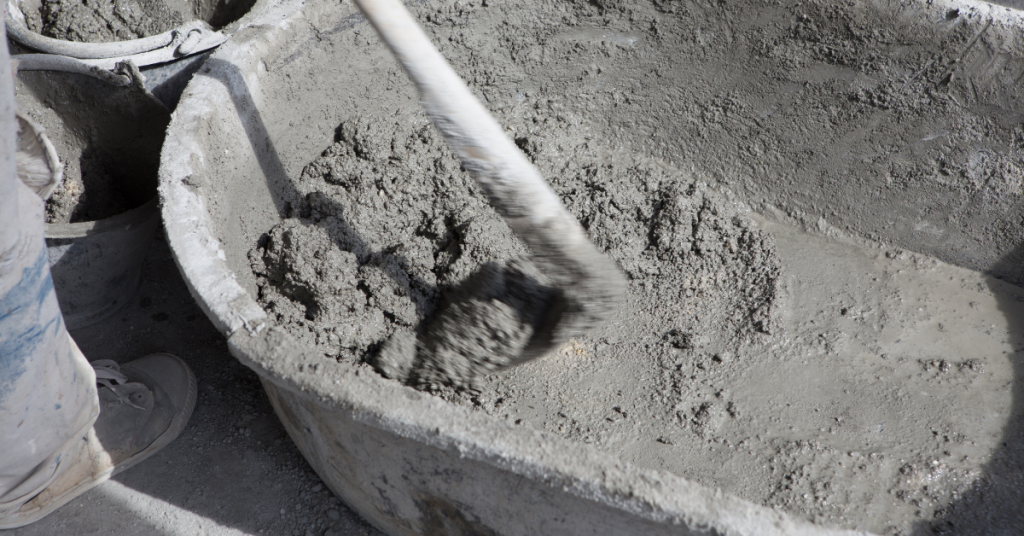
Imagine a concrete that withstands harsh weather and heavy loads, maintaining its integrity year after year. When you choose National Minimix, you’re opting for superior durability and consistent quality that’s tailored for every project. Their advanced mixing techniques and state-of-the-art equipment guarantee each batch exceeds industry standards. Not only are the custom mixes designed for peak performance, but they also offer easy application, catering to all expertise levels. Plus, the exceptional support means you get expert guidance and personalised solutions. Curious about how these features translate to project success? Key Takeaways – Superior durability with exceptional weather resistance and freeze-thaw resilience. – Consistent quality through advanced mixing techniques and extensive testing. – Custom mixes tailored to specific project needs and environmental conditions. – Easy application with user-friendly design, reducing complexity and downtime. – Exceptional support from seasoned experts, ensuring precise guidance and timely responses. Superior Durability When evaluating concrete for domestic use, superior durability stands out as a critical factor. You’ll find that National Minimix concrete demonstrates exceptional weather resistance, ensuring it can withstand harsh environmental conditions. This resilience is essential for structures exposed to fluctuating climates, such as driveways, patios, and foundations. The concrete’s formulation includes specially selected aggregates and admixtures that enhance its ability to resist freeze-thaw cycles, minimising the risk of cracking and surface degradation. To achieve a long lifespan, you must consider concrete’s composition and curing process. National Minimix employs a meticulous blending process, ensuring consistent particle distribution and ideal hydration. This results in a dense, robust structure capable of enduring significant wear and tear over time. In addition, the inclusion of air-entraining agents in the mix improves its durability by preventing water infiltration, which is often the primary cause of concrete deterioration. Consistent Quality A hallmark of National Minimix concrete is its consistent quality, which guarantees reliable performance for all domestic applications. You can trust that each batch of concrete meets stringent standards, thanks to advanced mixing techniques and rigorous quality control measures. National Minimix employs state-of-the-art equipment to guarantee uniformity in every mix. By using precise ratios of cement, aggregate, and water, they achieve ideal consistency and strength. In addition to sophisticated mixing techniques, National Minimix has an all-encompassing quality control process. Samples from each batch undergo extensive testing to verify properties like compressive strength, workability, and setting time. This meticulous approach guarantees that the concrete performs reliably under various conditions, from foundations to driveways. You’ll appreciate the attention to detail that goes into monitoring and adjusting the mix to meet exact specifications. Quality control teams conduct real-time assessments and make necessary adjustments to maintain high standards. This results in concrete that not only meets but often exceeds industry benchmarks. Custom Mixes Building on the foundation of consistent quality, National Minimix offers custom mixes tailored to meet the specific needs of your project. Whether you’re working on a residential driveway, a patio, or a complex construction task, our custom mixes provide the tailored solutions you require. We don’t believe in a one-size-fits-all approach; instead, we focus on understanding your specifications to deliver concrete mixes that match your unique requirements. Our personalised service guarantees that you receive the best blend of materials, enhancing the durability and performance of your project. By collaborating closely with you, we fine-tune the mix to achieve the precise balance of strength, workability, and setting time. You’ll benefit from our technical expertise, which assures that every batch meets stringent quality standards. Furthermore, our team leverages advanced technology and industry best practices to create mixes that offer superior performance. We consider factors like climate conditions, load requirements, and specific site constraints to deliver a product that stands up to any challenge. National Minimix’s custom mixes aren’t just about meeting expectations; they’re about exceeding them with precision and reliability. Easy Application National Minimix’s concrete solutions are designed for easy application, guaranteeing a seamless experience from start to finish. You’ll appreciate the user-friendly process that allows for a quick setup, minimising downtime and maximising efficiency. The concrete mix is engineered to be workable and manageable, reducing the complexity often associated with traditional concrete applications. From the moment you start mixing to the final pour, the consistency and texture of National Minimix’s product facilitate smoother spreading and levelling. This user-friendly process eliminates the need for extensive labour or specialised equipment, making it accessible even for those with limited technical expertise. Moreover, the quick setup time assures that the concrete reaches peak strength without unnecessary delays. This not only accelerates project timelines but also enhances the structural integrity of the finished surface. The blend’s precise formulation guarantees uniform curing, thereby preventing common issues like cracks or weak spots. Exceptional Support With a commitment to exceptional support, National Minimix guarantees that your project receives the expert guidance and assistance it deserves. From the initial consultation to the final pour, their team of professionals stands ready to provide you with precise, actionable advice tailored to your specific needs. Here’s what sets their exceptional support apart: Expert Guidance: National Minimix employs a team of seasoned experts who possess extensive knowledge of concrete applications. Their advice guarantees that you select the best mix for your project, mitigating potential issues. Responsive Customer Service: They prioritise your inquiries and provide timely, detailed responses. This level of responsiveness helps prevent delays and keeps your project on track. Project-Specific Assistance: Whether you’re dealing with unique site conditions or specific structural requirements, they offer customised solutions. Their expertise translates into practical, effective strategies tailored to your project. Customer Feedback Integration: National Minimix actively incorporates customer feedback to refine their services. This continuous improvement loop guarantees that their support remains aligned with your evolving needs. Frequently Asked Questions What Are the Environmental Benefits of Using National Minimix Concrete? You’ll appreciate National Minimix concrete’s environmental benefits. They employ sustainability