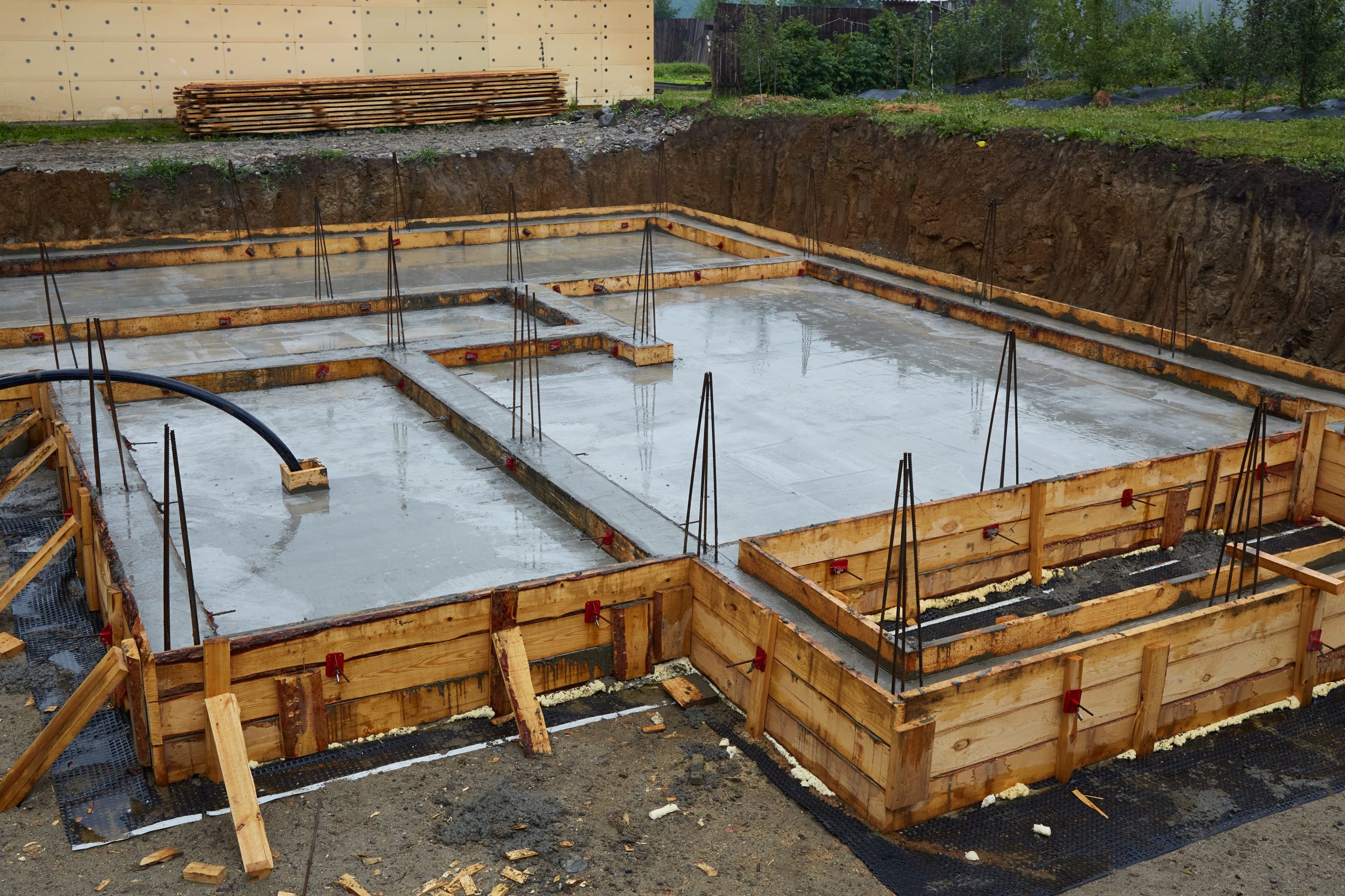
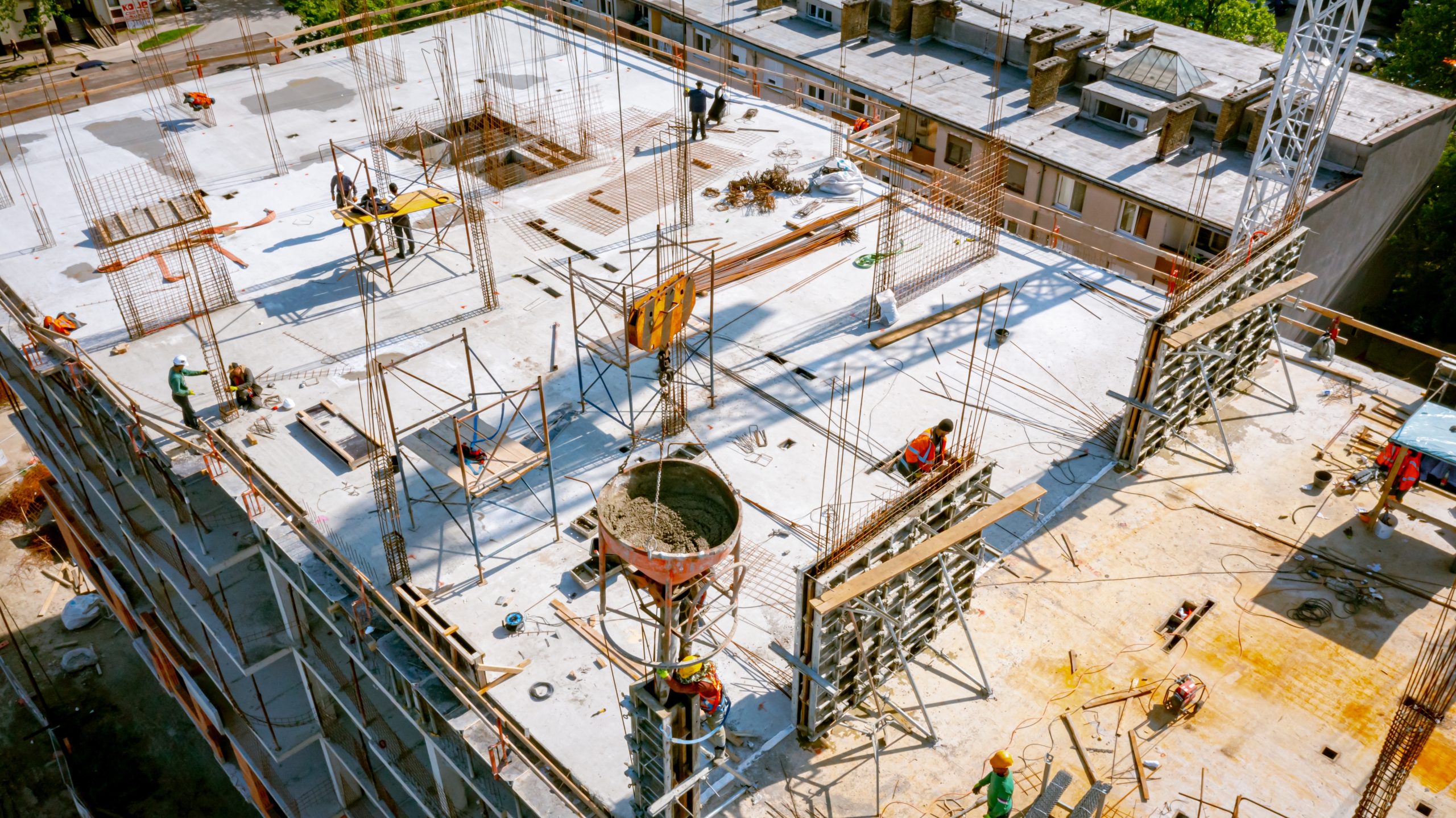
Weather conditions play a critical role in concrete construction, and rain is perhaps the most concerning weather factor for anyone planning a concrete pour. The question of whether you can safely pour concrete in the rain doesn’t have a simple yes or no answer – it depends on various factors including the intensity of rainfall, timing, and specific project requirements. Understanding these nuances can help you make informed decisions that protect both your investment and the long-term quality of your concrete work.
Understanding Rain’s Impact on Fresh Concrete
Rain affects concrete differently depending on when it occurs during the concrete’s lifecycle. Fresh concrete is most vulnerable immediately after placement and during the first few hours of curing. During this critical period, excess water from rainfall can have several detrimental effects on the concrete’s final properties and appearance.
When raindrops hit the surface of fresh concrete, they can cause surface scaling, dusting, and an overall weakened top layer. The additional water effectively increases the water-cement ratio at the surface, leading to reduced strength and durability in this crucial zone. More severe rainfall can wash away cement paste entirely, exposing aggregate and creating an uneven, poor-quality surface finish.
The concrete’s plastic state makes it particularly susceptible to damage from rain impact. During this phase, which typically lasts 2-4 hours after placement, the concrete hasn’t yet developed sufficient structural integrity to resist the mechanical action of falling raindrops or the dilution effects of additional water.
Light Rain vs Heavy Downpours
The intensity and duration of rainfall are crucial factors in determining whether concrete work can proceed safely. Light drizzle or mist may have minimal impact on concrete that’s been properly placed and finished, particularly if protective measures are implemented quickly.
Light rain, defined as less than 2.5mm per hour, may be manageable with appropriate precautions such as plastic sheeting coverage immediately after finishing. However, even light rain can cause surface defects if it continues for extended periods or if the concrete surface isn’t properly protected.
Heavy rain, exceeding 7.5mm per hour, presents significant risks to concrete quality and should generally halt concrete operations entirely. Heavy rainfall can wash cement paste from the surface, create pockmarks and surface irregularities, and fundamentally compromise the concrete’s structural integrity. The risk increases exponentially with rainfall intensity.
Moderate rainfall, between 2.5-7.5mm per hour, requires careful assessment of project requirements, available protection methods, and the critical nature of the work being undertaken. Professional judgment becomes essential in these borderline conditions.
Timing Considerations and Concrete Maturity
The stage of concrete curing when rain begins is perhaps more important than the rain intensity itself. Concrete that has achieved initial set, typically 4-6 hours after placement in normal conditions, is much more resistant to rain damage than freshly placed material.
If rain begins during the first hour after placement, when concrete is still in its plastic state, the risks are highest. Surface damage is almost inevitable, and the concrete’s long-term durability may be compromised. Emergency protection measures become essential to salvage the work.
Rain occurring 2-3 hours after placement presents moderate risk. The concrete has begun to stiffen but hasn’t yet achieved sufficient strength to resist surface damage completely. Quick action to provide protection can often prevent serious quality issues.
Once concrete has reached initial set, typically 4-6 hours after placement, light to moderate rain poses minimal structural risk. However, surface aesthetics may still be affected, which could be important for decorative or exposed concrete applications.
Protective Measures and Emergency Responses
When unexpected rain threatens a concrete pour, several protective measures can help minimise damage. Plastic sheeting remains the most common emergency protection, but it must be applied carefully to avoid marking the concrete surface while it’s still plastic.
Temporary shelters, such as marquees or tarpaulins supported above the concrete surface, provide better protection than direct covering. These allow air circulation whilst preventing rain contact, reducing the risk of surface marking or colour variations that can occur with direct plastic contact.
For large areas, waterproof curing compounds can provide some protection against light rain whilst serving their primary function of moisture retention for proper curing. However, these compounds aren’t designed as rain protection and shouldn’t be relied upon in heavy rainfall conditions.
Emergency drainage becomes crucial if water accumulates on or around the concrete surface. Standing water can leach cement from the surface and should be removed as quickly as possible using squeegees, brooms, or other appropriate tools.
Planning and Weather Monitoring
Successful concrete projects require careful weather monitoring and contingency planning. Modern weather forecasting provides increasingly accurate short-term predictions that can help inform decision-making about concrete scheduling.
Check weather forecasts for at least 24-48 hours ahead of your planned concrete pour. Look not just at the chance of rain but also at rainfall intensity predictions, timing, and duration. Remember that weather can change rapidly, so continue monitoring conditions right up to pour time.
Have contingency plans ready for various weather scenarios. This might include access to emergency protection materials, contact details for weather monitoring services, or alternative scheduling arrangements with your concrete supplier.
Consider seasonal patterns and typical weather conditions for your area. Some regions have predictable afternoon thunderstorms during certain seasons, whilst others may experience prolonged periods of unsettled weather that require different planning approaches.
The Mini Mix Advantage in Changeable Weather
Mini mix concrete offers significant advantages when dealing with unpredictable weather conditions. Because concrete is mixed fresh on your site only when you’re ready to proceed, you can make last-minute decisions based on current conditions rather than committing to delivery times set days in advance.
If weather conditions deteriorate while your mini mix vehicle is on site, you have the flexibility to delay mixing until conditions improve, rather than dealing with concrete that’s already been batched and is steadily losing workability. This flexibility can save both money and project quality.
The ability to mix smaller quantities also means you can work in phases, completing sections of work between weather windows rather than committing to large pours that might be interrupted by rainfall.
Quality Implications and Long-term Effects
Concrete that has been exposed to rain during its critical early hours may suffer long-term quality issues beyond immediate surface defects. Increased water-cement ratios at the surface can lead to reduced durability, increased permeability, and higher susceptibility to freeze-thaw damage in colder climates.
Surface scaling and dusting problems may not become apparent immediately but can manifest over time as the concrete experiences weathering and use. These issues can be particularly problematic for decorative concrete or high-traffic areas where appearance and surface integrity are important.
In structural applications, rain damage to concrete surfaces can compromise the concrete’s ability to protect reinforcing steel from corrosion, potentially leading to costly repairs in future years.
Making the Right Decision
The decision to proceed with concrete work in threatening weather conditions should always err on the side of caution. The cost of delaying a pour is invariably less than the cost of replacing poor-quality concrete or dealing with long-term durability issues.
Consider the specific requirements of your project. Decorative or architectural concrete requires higher standards for surface quality than hidden structural work, influencing the acceptable level of weather risk.
Evaluate your ability to provide adequate protection if weather conditions deteriorate during the pour. Having protection available but not readily deployable isn’t sufficient – you need to be able to implement protective measures quickly and effectively.
Professional Guidance and Support
Weather-related decisions about concrete work often benefit from professional expertise. Experienced concrete suppliers like National Mini Mix can provide valuable guidance based on local conditions, specific mix designs, and project requirements.
Our team understands the relationship between weather conditions and concrete performance, helping you make informed decisions that protect your investment whilst maintaining realistic project schedules. We can also provide advice on protective measures and emergency procedures if weather conditions change unexpectedly.
Remember that concrete work is inherently weather-dependent, and successful projects require flexibility and good judgment when conditions aren’t ideal. When in doubt, it’s always better to wait for suitable conditions than to compromise the quality and longevity of your concrete work.