
What Makes Domestic Concrete From National Minimix Stand Out?
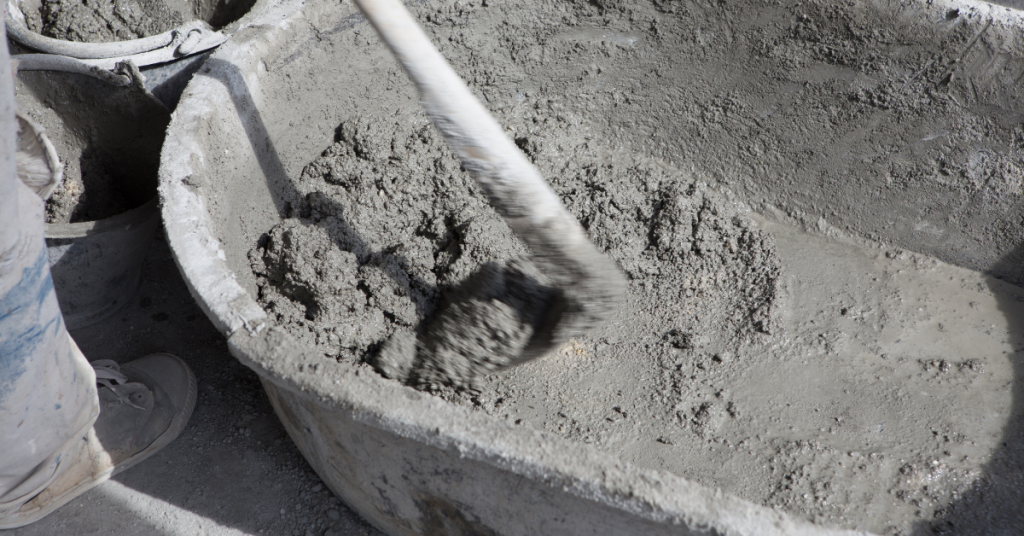
Imagine a concrete that withstands harsh weather and heavy loads, maintaining its integrity year after year. When you choose National Minimix, you’re opting for superior durability and consistent quality that’s tailored for every project. Their advanced mixing techniques and state-of-the-art equipment guarantee each batch exceeds industry standards. Not only are the custom mixes designed for peak performance, but they also offer easy application, catering to all expertise levels. Plus, the exceptional support means you get expert guidance and personalised solutions. Curious about how these features translate to project success? Key Takeaways – Superior durability with exceptional weather resistance and freeze-thaw resilience. – Consistent quality through advanced mixing techniques and extensive testing. – Custom mixes tailored to specific project needs and environmental conditions. – Easy application with user-friendly design, reducing complexity and downtime. – Exceptional support from seasoned experts, ensuring precise guidance and timely responses. Superior Durability When evaluating concrete for domestic use, superior durability stands out as a critical factor. You’ll find that National Minimix concrete demonstrates exceptional weather resistance, ensuring it can withstand harsh environmental conditions. This resilience is essential for structures exposed to fluctuating climates, such as driveways, patios, and foundations. The concrete’s formulation includes specially selected aggregates and admixtures that enhance its ability to resist freeze-thaw cycles, minimising the risk of cracking and surface degradation. To achieve a long lifespan, you must consider concrete’s composition and curing process. National Minimix employs a meticulous blending process, ensuring consistent particle distribution and ideal hydration. This results in a dense, robust structure capable of enduring significant wear and tear over time. In addition, the inclusion of air-entraining agents in the mix improves its durability by preventing water infiltration, which is often the primary cause of concrete deterioration. Consistent Quality A hallmark of National Minimix concrete is its consistent quality, which guarantees reliable performance for all domestic applications. You can trust that each batch of concrete meets stringent standards, thanks to advanced mixing techniques and rigorous quality control measures. National Minimix employs state-of-the-art equipment to guarantee uniformity in every mix. By using precise ratios of cement, aggregate, and water, they achieve ideal consistency and strength. In addition to sophisticated mixing techniques, National Minimix has an all-encompassing quality control process. Samples from each batch undergo extensive testing to verify properties like compressive strength, workability, and setting time. This meticulous approach guarantees that the concrete performs reliably under various conditions, from foundations to driveways. You’ll appreciate the attention to detail that goes into monitoring and adjusting the mix to meet exact specifications. Quality control teams conduct real-time assessments and make necessary adjustments to maintain high standards. This results in concrete that not only meets but often exceeds industry benchmarks. Custom Mixes Building on the foundation of consistent quality, National Minimix offers custom mixes tailored to meet the specific needs of your project. Whether you’re working on a residential driveway, a patio, or a complex construction task, our custom mixes provide the tailored solutions you require. We don’t believe in a one-size-fits-all approach; instead, we focus on understanding your specifications to deliver concrete mixes that match your unique requirements. Our personalised service guarantees that you receive the best blend of materials, enhancing the durability and performance of your project. By collaborating closely with you, we fine-tune the mix to achieve the precise balance of strength, workability, and setting time. You’ll benefit from our technical expertise, which assures that every batch meets stringent quality standards. Furthermore, our team leverages advanced technology and industry best practices to create mixes that offer superior performance. We consider factors like climate conditions, load requirements, and specific site constraints to deliver a product that stands up to any challenge. National Minimix’s custom mixes aren’t just about meeting expectations; they’re about exceeding them with precision and reliability. Easy Application National Minimix’s concrete solutions are designed for easy application, guaranteeing a seamless experience from start to finish. You’ll appreciate the user-friendly process that allows for a quick setup, minimising downtime and maximising efficiency. The concrete mix is engineered to be workable and manageable, reducing the complexity often associated with traditional concrete applications. From the moment you start mixing to the final pour, the consistency and texture of National Minimix’s product facilitate smoother spreading and levelling. This user-friendly process eliminates the need for extensive labour or specialised equipment, making it accessible even for those with limited technical expertise. Moreover, the quick setup time assures that the concrete reaches peak strength without unnecessary delays. This not only accelerates project timelines but also enhances the structural integrity of the finished surface. The blend’s precise formulation guarantees uniform curing, thereby preventing common issues like cracks or weak spots. Exceptional Support With a commitment to exceptional support, National Minimix guarantees that your project receives the expert guidance and assistance it deserves. From the initial consultation to the final pour, their team of professionals stands ready to provide you with precise, actionable advice tailored to your specific needs. Here’s what sets their exceptional support apart: Expert Guidance: National Minimix employs a team of seasoned experts who possess extensive knowledge of concrete applications. Their advice guarantees that you select the best mix for your project, mitigating potential issues. Responsive Customer Service: They prioritise your inquiries and provide timely, detailed responses. This level of responsiveness helps prevent delays and keeps your project on track. Project-Specific Assistance: Whether you’re dealing with unique site conditions or specific structural requirements, they offer customised solutions. Their expertise translates into practical, effective strategies tailored to your project. Customer Feedback Integration: National Minimix actively incorporates customer feedback to refine their services. This continuous improvement loop guarantees that their support remains aligned with your evolving needs. Frequently Asked Questions What Are the Environmental Benefits of Using National Minimix Concrete? You’ll appreciate National Minimix concrete’s environmental benefits. They employ sustainability
Why Is Ready Mix Concrete Ideal for Commercial Flooring Solutions?
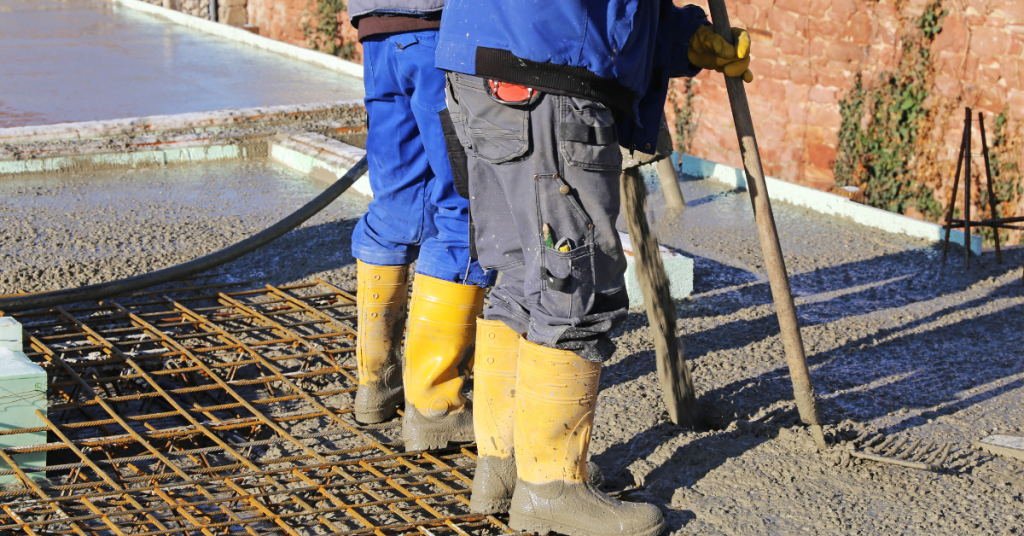
When it comes to commercial flooring, why settle for anything less than the ideal solution? Ready mix concrete offers unmatched durability, quick installation, and cost-effectiveness, making it a top choice for businesses aiming for efficiency and longevity. Imagine a flooring option that not only supports heavy loads but also minimises waste and labour costs through precise mixing. Additionally, its customizable finishes and sustainability benefits make it a forward-thinking choice. So, what exactly makes ready mix concrete stand out in today’s competitive market? Key Takeaways – Exceptional load capacity and resistance to wear make it ideal for heavy-duty commercial environments. – Pre-mixed formulation reduces on-site labour and speeds up installation, lowering overall costs. – Advanced mixing techniques ensure consistent quality, minimising variability and enhancing durability. – Sustainable production practices reduce environmental impact, aligning with green building initiatives. – Customizable finishes and flexible thickness options cater to specific commercial flooring needs. Durability and Strength When considering ready mix concrete for commercial flooring, the durability and strength of the material stand out as crucial factors. You’ll find that ready mix concrete offers an unparalleled surface finish, guaranteeing a smooth and even layer that’s fundamental for heavy-duty environments. Its exceptional load capacity makes it ideal for spaces subject to significant weight, such as warehouses and industrial facilities. Ready mix concrete is formulated to withstand intense pressure and wear, making it highly resistant to cracking and other forms of degradation. This robustness is essential for commercial settings where flooring is subjected to constant stress from machinery, foot traffic, and heavy loads. By choosing ready mix concrete, you guarantee that your flooring can handle these demands without compromising its structural integrity. Additionally, the surface finish of ready mix concrete can be customised to meet specific needs, whether you require a non-slip texture or a highly polished look. This versatility, combined with its impressive load capacity, makes ready mix concrete a superior choice for commercial flooring projects. Cost-Effectiveness One of the key advantages of ready mix concrete for commercial flooring is its cost-effectiveness. When you opt for ready mix concrete, you make a strategic decision that maximises both your initial and long-term savings. Here’s why: – Optimal Material Selection: Ready mix concrete is precisely engineered, minimising waste and ensuring you only pay for what you need. – Reduced Labour Costs: Because it’s pre-mixed, the need for on-site labour to mix materials is greatly reduced, leading to lower labour expenses. – Minimise Material Waste: The precise batching process reduces material wastage, which directly translates to cost savings. – Long-Term Durability: The inherent strength of ready mix concrete means fewer repairs and replacements over time, contributing to long-term savings. – Economies of Scale: Bulk purchasing of ready mix concrete often comes with discounts, further reducing overall costs. Quick Installation Achieving quick installation is a standout benefit of using ready mix concrete for commercial flooring. When you’re managing a commercial project, adhering to strict project timelines is vital. Ready mix concrete is designed to be fast setting, which considerably reduces the time required for installation. This rapid setting characteristic minimises downtime and allows you to move forward with subsequent construction phases without delay. With ready mix concrete, you can precisely control the mixture’s composition, guaranteeing ideal curing times tailored to your specific needs. This control translates to a consistent and reliable setting process, eliminating the guesswork often associated with on-site mixing. The concrete arrives ready to pour, removing the need for additional preparation steps that could otherwise prolong the installation. Moreover, the use of ready mix concrete guarantees uniformity and quality, which are essential for achieving a smooth and durable floor surface. By leveraging this solution, you not only expedite the installation process but also maintain high standards of workmanship. For commercial flooring projects where time is of the essence, ready mix concrete offers an unparalleled advantage in meeting tight deadlines without compromising on quality. Reduced Labour Costs Utilising ready mix concrete for commercial flooring projects can notably reduce labour costs. By opting for ready mix concrete, you streamline various aspects of your project, greatly enhancing labour efficiency and adhering to tighter project timelines. This pre-mixed solution arrives at your site ready for immediate application, eliminating the need for on-site mixing and preparation. Consider the following advantages: – Minimal On-Site Preparation: Ready mix concrete arrives pre-mixed, cutting down on the time and labour required for mixing. – Fewer Labour Hours: The quick installation process reduces the overall hours needed, allowing you to allocate your workforce more effectively. – Reduced Supervision Needs: With a standardised mix, the need for constant supervision and quality checks diminishes, freeing up management resources. – Lower Risk of Errors: Consistency in the mix means fewer mistakes, reducing the need for costly rework and additional labour. – Streamlined Project Timelines: Faster installation translates to quicker project completion, optimising labour schedules and reducing costs associated with extended labour periods. Consistency and Quality Ready mix concrete guarantees unparalleled consistency and quality for commercial flooring projects. When you choose ready mix, you’re opting for a solution engineered with precise mixing techniques and stringent quality control measures. These processes make certain that each batch maintains exact proportions of cement, aggregates, and water, resulting in uniform material properties. Unlike traditional on-site mixing, ready mix concrete is produced in a controlled environment. This minimises the risk of human error and variability, providing you with a consistent product every time. Advanced mixing techniques, including automated batching systems and computer-controlled operations, further enhance the precision of the mixture. The consistency in material properties directly impacts the quality of your commercial flooring. Uniform strength, texture, and durability mean fewer cracks and a longer lifespan for your floors. Additionally, ready mix concrete undergoes rigorous testing to meet industry standards, ensuring high-quality performance. Versatile Applications For commercial flooring projects, ready mix concrete offers versatile
What Are the Environmental Benefits of Using Ready Mix Concrete in Domestic Construction?
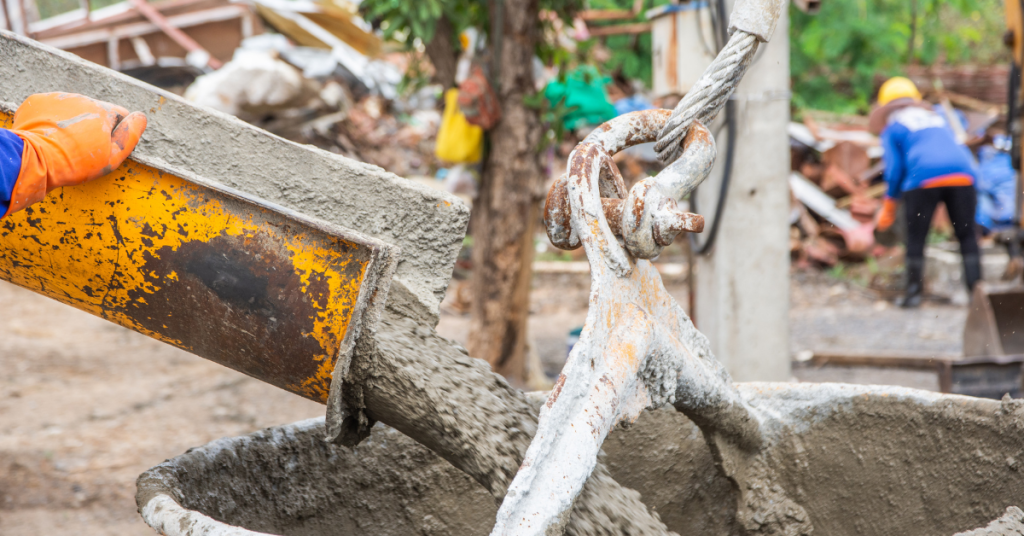
Imagine building your home as planting a tree, where every decision you make impacts the environment’s health. Choosing ready mix concrete can greatly reduce waste by ensuring precise material sourcing and optimising resource usage. You also achieve better energy efficiency, lowering carbon emissions and promoting water conservation. By incorporating recycled materials, ready mix concrete supports sustainable practices, enhancing air quality and reducing noise pollution. Curious about how this choice contributes to a more eco-friendly construction process and extends the lifespan of your home? Let’s explore the multifaceted benefits in more detail. Key Takeaways – Ready mix concrete reduces material waste and conserves resources through precise sourcing and batching. – Centralised production lowers carbon emissions by optimising raw material use and energy efficiency. – Enhanced durability and longevity minimise the need for repairs and replacements, saving resources. – Controlled water-to-cement ratios and recycling practices promote efficient water management. – Off-site mixing reduces dust, particulate matter, and noise pollution, improving air quality and reducing construction noise. Reduced Waste Reduced waste is one of the primary environmental benefits of ready mix concrete. When you use ready mix concrete, precise material sourcing and batching minimise excess. Traditional construction practices often involve on-site mixing, where inaccurate measurements can lead to significant waste. In contrast, ready mix concrete is produced in a controlled environment, guaranteeing the exact amount needed for your project is delivered. By adopting ready mix concrete, you also reduce the risk of over-ordering. This precision not only conserves raw materials but also lessens the environmental burden associated with their extraction and transportation. Studies have shown that ready mix concrete can reduce material waste by up to 10% compared to on-site mixing methods. Additionally, ready mix concrete helps streamline your construction practices. With pre-measured materials, you eliminate the guesswork and the associated waste, leading to more efficient use of resources. The controlled production process guarantees consistent quality and reduces the likelihood of rework, further minimising waste. Energy Efficiency When evaluating the energy efficiency of ready mix concrete, one must consider its production process. Ready mix concrete is produced in a controlled environment, which optimises the use of raw materials and reduces energy waste. This efficiency extends to its application in construction, where its inherent properties contribute considerably to energy conservation. One of the primary benefits is its thermal mass. Ready mix concrete can absorb, store, and gradually release heat, helping to stabilise indoor temperatures. This reduces the need for heating and cooling systems, which are major energy consumers in domestic buildings. By maintaining a consistent indoor temperature, you’ll find that your energy bills decrease and your home’s overall energy footprint is minimised. Additionally, ready mix concrete offers substantial thermal insulation properties. Its dense composition impedes the flow of heat, keeping homes cool in summer and warmer in winter. These insulating qualities further enhance energy efficiency by reducing the reliance on artificial climate control systems. Incorporating ready mix concrete into your domestic construction can lead to a more energy-efficient home, leveraging its thermal mass and thermal insulation to create a comfortable living environment while conserving energy resources. Lower Carbon Emissions One often overlooked advantage of ready mix concrete is its potential to lower carbon emissions markedly. By utilising ready mix concrete, you can greatly reduce the carbon footprint associated with domestic construction projects. This is primarily because ready mix concrete is produced in a controlled environment, where the precise proportions of materials can be managed more efficiently than on-site mixing. Studies indicate that centralised batching plants can optimise the mix design, thereby reducing the amount of cement, one of the primary contributors to CO2 emissions in concrete production. Additionally, these plants often implement sustainable practices such as recycling water and using supplementary cementitious materials, which further decrease carbon output. Another key aspect is transportation. Ready mix concrete is delivered in large quantities, minimising the number of trips required compared to the frequent deliveries needed for on-site mixing materials. This not only reduces fuel consumption but also cuts down on the associated emissions from transportation. Resource Optimisation Efficient resource management is another significant benefit of ready mix concrete. You can achieve remarkable sustainability through optimised resource use. This efficiency stems from the precise blending of materials to meet specific requirements, reducing waste and improving overall environmental performance. Here’s how ready mix concrete optimises resources: Sustainable Sourcing: Ready mix concrete often uses locally sourced materials, minimising transportation emissions and supporting local economies. Sustainable sourcing also means using recycled or by-product materials like fly ash and slag, reducing the strain on natural resources. Material Longevity: The durability of ready mix concrete guarantees that structures last longer, thereby decreasing the need for frequent repairs and replacements. This longevity translates to lower resource consumption over the building’s lifecycle, contributing to more sustainable construction practices. Precision Mixing: The controlled environment of ready mix concrete production assures that the exact amount of materials is used, reducing excess and guaranteeing consistency. This precision minimises the risk of over-ordering or under-utilisation, leading to more efficient resource use. Improved Durability Although often overlooked, the improved durability of ready mix concrete plays an essential role in sustainable construction. The long term performance of ready mix concrete contributes greatly to its environmental benefits. When you use ready mix concrete, you’re investing in a material specifically engineered for maximum structural integrity, which translates to fewer repairs and replacements over the lifespan of the building. This durability reduces the consumption of raw materials and energy associated with maintenance activities. Evidence shows that ready mix concrete’s consistent quality guarantees ideal curing and hardening processes, which directly impact the material’s strength and resistance to environmental stressors such as weathering, chemical attacks, and mechanical loads. As a result, structures built with ready mix concrete exhibit superior longevity and resilience compared to those using traditional site-mixed concrete. Water Conservation Water conservation is
How Does National Minimix Ensure Quality in Ready Mix Concrete for Commercial Clients?
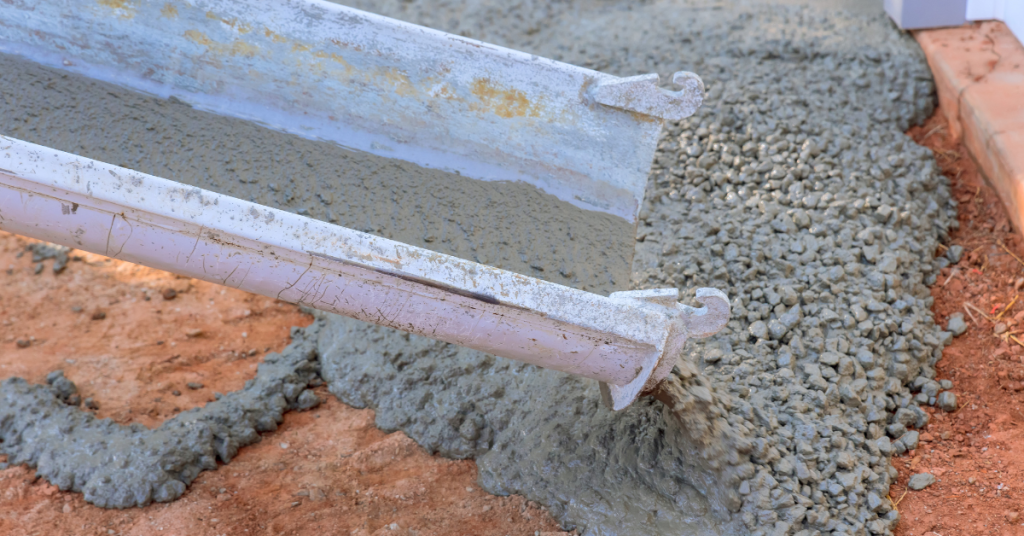
When considering National Minimix for your commercial concrete needs, you’ll find that their approach to quality is thorough and meticulous. They employ advanced mixing technology and use only top-tier raw materials, ensuring that each batch meets stringent standards. The team doesn’t just rely on machinery; skilled professionals monitor every critical parameter and conduct thorough testing. Their ability to customise concrete solutions to fit specific project requirements further showcases their dedication. Plus, their efficient delivery systems mean you get your materials right when you need them. Want to know how continuous improvement practices elevate their offerings even more? Key Takeaways – National Minimix uses advanced mixing technology with real-time adjustments to ensure consistent quality and eliminate human error. – High-quality raw materials, including premium cement and clean water, are rigorously vetted to ensure structural integrity. – Stringent quality control measures, including slump and compressive strength tests, confirm the performance of each concrete batch. – A skilled professional team with continuous training ensures expertise in mix design and concrete production techniques. – Customised concrete formulations are developed to meet specific project requirements, optimising performance and durability. Advanced Mixing Technology Embracing advanced mixing technology, you can greatly enhance the quality and consistency of ready-mix concrete. By integrating state-of-the-art equipment and software, you guarantee that each batch achieves uniform mixing efficiency. Advanced mixers, equipped with sensors and automated controls, allow for precise adjustments in real-time, reducing the risk of human error and enhancing the overall product quality. You can leverage technology integration to monitor and control various parameters such as water-cement ratio, mixing time, and temperature. These variables are critical in maintaining the structural integrity and durability of the concrete. High-speed mixers guarantee that all ingredients are thoroughly combined, eliminating inconsistencies and weak spots in the final product. Moreover, data analytics tools provide valuable insights into the mixing process. By analysing this data, you can fine-tune your operations, leading to continuous improvements in mixing efficiency. This not only boosts productivity but also guarantees that each batch meets stringent quality standards. Incorporating advanced mixing technology isn’t just about using modern equipment; it’s about creating a seamless, efficient process that assures high-quality ready-mix concrete every time. This precision-focused approach greatly impacts the reliability and performance of your concrete, making it ideal for commercial applications. High-Quality Raw Materials While advanced mixing technology sets the stage for superior ready-mix concrete, the foundation of quality lies in the raw materials you choose. National Minimix employs meticulous sourcing strategies to guarantee every batch meets a high standard. To achieve this, they prioritise: High-Grade Aggregates: By selecting top-quality sand and gravel, you maintain the structural integrity and durability of the concrete. Premium Cement: Using only the best cement guarantees ideal binding properties, which is essential for long-lasting concrete structures. Clean Water: The purity of water can’t be overlooked. Contaminant-free water prevents any adverse chemical reactions that could compromise the concrete’s integrity. National Minimix’s approach is both analytical and precision-focused. They don’t just source from any supplier; they rigorously vet each one to guarantee consistent quality. Material testing is a cornerstone of their process. Each batch of raw materials undergoes thorough testing to verify its suitability for use in concrete. This includes sieve analysis for aggregates and chemical composition tests for cement. Rigorous Quality Control National Minimix’s commitment to quality doesn’t stop at sourcing top-tier raw materials; it extends into a rigorous quality control process that guarantees each batch of concrete meets stringent standards. You can trust their quality assurance methods because they don’t leave anything to chance. Every step of the production process involves stringent testing protocols designed to confirm the final product’s integrity and performance. First, raw materials undergo thorough testing before they even enter the mixing process. This confirms that only materials meeting National Minimix’s high standards are used. Once the mixing begins, automated systems continuously monitor the proportions and consistency, making real-time adjustments as needed. This level of precision confirms uniformity in every batch. Moreover, each batch of ready mix concrete is subjected to rigorous testing protocols, including slump tests, compressive strength tests, and air content verification. These tests confirm that the concrete meets the required specifications and performs as expected under various conditions. Through these meticulous quality assurance measures, National Minimix guarantees that you receive a product that not only meets but exceeds industry standards. This rigorous approach gives you the confidence that your commercial projects will stand the test of time. Skilled Professional Team Guaranteeing high-quality concrete in every batch requires more than just rigorous quality control; it also demands a skilled professional team behind the scenes. At National Minimix, the backbone of our excellence is our dedicated team, whose expertise is honed through continuous professional training and effective team collaboration. Key Aspects of Our Skilled Professional Team: Extensive Training Programs: Our team undergoes regular professional training to stay updated with the latest industry standards and techniques. This guarantees that every member is well-equipped to handle the complexities of concrete production. Collaborative Environment: We foster a culture of team collaboration, where communication and problem-solving are paramount. This synergy enables us to detect and address potential issues swiftly, maintaining the highest quality standards. Experienced Personnel: Employing seasoned professionals who bring years of hands-on experience to the table assures precision in every step of the process, from mix design to delivery. Custom Concrete Solutions Crafting concrete that meets the unique demands of each project, custom concrete solutions stand as a demonstration of our commitment to excellence. You can rely on National Minimix to provide bespoke mixtures that align perfectly with your project’s specific needs. Our team meticulously analyses the requirements of each commercial venture, guaranteeing that every batch of ready mix concrete is a tailored formulation, optimised for performance and durability. We start by understanding the structural demands, environmental conditions, and design specifications
What Should You Consider When Choosing Concrete for Domestic Driveways?

When considering concrete for your domestic driveway, you’ll need to think about several key factors to guarantee the best results. Durability is paramount, so opt for a mix with high compressive strength, ideally between 3000 to 4000 psi. Don’t overlook load-bearing capacity, confirming proper thickness and reinforcement. Climate suitability is another vital aspect, as different weather conditions can affect the performance of your driveway. You’ll also want to evaluate the aesthetic appeal, making sure the colour and texture complement your home. But is that all? There are other important considerations that could make or break your decision. Key Takeaways – Ensure proper mix proportions and curing processes for crack resistance and durability. – Consider climate-specific additives to enhance performance in varying weather conditions. – Select aesthetic finishes, like stamped or coloured concrete, to complement your home. – Balance upfront costs with long-term benefits, choosing reinforced concrete for greater longevity. – Regular maintenance, including sealing and cleaning, extends the life of the driveway. Durability When choosing concrete for your domestic driveway, durability is a critical factor you simply can’t overlook. Concrete’s longevity depends greatly on its crack resistance and surface finish. Confirming your concrete mix contains the right proportions of cement, water, aggregates, and admixtures is essential for enhancing crack resistance. A well-prepared mix reduces the risk of cracks caused by thermal expansion, contraction, and freeze-thaw cycles. Pay attention to the curing process as well. Proper curing increases the concrete’s overall strength and durability. You’ll want to keep the surface moist and at a stable temperature for at least seven days post-pouring. This practice minimises surface cracking and enhances the driveway’s lifespan. The surface finish also plays a pivotal role in durability. A smooth, well-compacted surface finish prevents water infiltration, which can lead to internal cracking and erosion. Techniques like troweling and brushing confirm a uniform, dense surface, providing additional protection against weathering and wear. Load-Bearing Capacity Reflecting on the load-bearing capacity of your concrete driveway is vital to guarantee it withstands the weight of vehicles and other heavy loads. To make certain your driveway meets these demands, you need to focus on specific technical aspects, particularly compressive strength and mix design. Here are four key points to take into account: Compressive Strength: Choose a concrete mix with a high compressive strength. A typical value for residential driveways is 3000 to 4000 psi. This measurement indicates the maximum load the concrete can handle before failing. Mix Design: Pay close attention to the mix design, which involves the ratio of cement, water, and aggregates. A well-balanced mix guarantees ideal performance, durability, and strength. Adding the right amount of water is essential to maintain the desired consistency and strength. Thickness: The thickness of your driveway greatly impacts its load-bearing capacity. A minimum thickness of 4 inches is recommended for standard passenger vehicles. For heavier loads, think about increasing the thickness to 6 inches or more. Reinforcement: Incorporating reinforcement, such as steel rebar or wire mesh, can enhance the driveway’s ability to bear heavy loads. This additional support helps distribute weight more evenly and prevents cracking. Climate Considerations Taking climate into account is essential when selecting concrete for your driveway to guarantee it withstands local weather conditions. In regions experiencing freeze-thaw cycles, the concrete’s ability to resist cracking and scaling becomes paramount. Concrete with a low water-cement ratio will minimise moisture absorption, which can lead to freeze-thaw damage. You’ll want to opt for air-entrained concrete; the microscopic air bubbles it contains help to relieve internal pressure caused by freezing water. In areas with high humidity or frequent rainfall, moisture absorption is a critical concern. Concrete should be mixed with additives such as fly ash or silica fume to enhance its impermeability. These supplementary cementitious materials reduce the concrete’s porosity, thereby limiting water ingress and subsequent freeze-thaw degradation. For regions with hot climates, the selection of concrete should focus on minimising thermal expansion and contraction. High temperatures can cause the concrete to expand and then contract as it cools, leading to potential cracking. You can mitigate this by incorporating a well-graded aggregate mix and using a curing compound to retain moisture during the curing process. Aesthetic Appeal Aesthetic appeal plays an essential role in selecting concrete for your driveway, as it markedly impacts your home’s curb appeal. When choosing concrete, consider these factors to guarantee your driveway enhances the visual appeal of your property: Color Options: Concrete doesn’t have to be dull. Modern techniques allow you to select from a wide range of colour options, from natural earth tones to vibrant hues. Consider how these colours will complement your home’s exterior and landscaping. Surface Textures: Varying surface textures can add significant visual interest. Opt for smooth finishes for a sleek look or exposed aggregate for a more rustic feel. Textured concrete can also improve traction, beneficial for safety. Pattern Imprints: Stamped concrete allows you to mimic the appearance of other materials such as brick, slate, or cobblestone. This approach provides the aesthetic benefits of expensive materials without the associated costs and maintenance. Finishing Techniques: Techniques like broom finish, trowel finish, or salt finish can add subtle yet impactful details to your driveway. Each method offers a unique look and feel, enhancing the overall design. Budget Constraints Budget constraints greatly impact your choice of concrete for a domestic driveway. It’s vital to balance immediate costs with long-term benefits. Opting for cost effective options doesn’t mean compromising on quality. Standard concrete is often the most economical choice initially, but it’s important to evaluate its durability and lifespan. Analysing the long term investment, reinforced concrete can be more economical. Though it’s pricier upfront, it offers enhanced strength and longevity, reducing the need for frequent repairs or replacements. This option can ultimately save you money over the driveway’s
How Can Ready Mix Concrete Improve the Efficiency of Your Commercial Build?

When you choose ready mix concrete for your commercial build, you’re setting the stage for a more efficient project. It cuts labour costs, minimises material waste, and guarantees consistent quality. Imagine having pre-mixed concrete delivered right to your site, speeding up timelines and simplifying logistics. Your skilled workers can then focus on critical tasks rather than mixing concrete. Plus, with precise measurements and controlled mixing, you’ll face fewer rework scenarios, enhancing overall safety and durability. Curious how else ready mix concrete can transform your construction process? Key Takeaways – Reduces labour costs by eliminating on-site mixing and reallocating skilled workers to critical tasks. – Ensures consistent quality with controlled mixing, reducing downtime and minimising rework. – Minimises material waste through precise measurements and efficient usage, leading to fewer transportation trips. – Accelerates project timelines with streamlined logistics and optimised scheduling for construction activities. – Enhances site safety by reducing the need for on-site mixing and maintaining rigorous safety protocols. Reduced Labour Costs When opting for ready mix concrete, you’re greatly cutting down on labour costs associated with on-site mixing. By eliminating the need for manual preparation, you enhance labour productivity, allowing your workforce to focus on more value-added tasks. Ready mix concrete arrives at your site pre-mixed to precise specifications, ensuring consistent quality and freeing up your team from the complexities of measuring, mixing, and adjusting materials. This streamlined process translates directly into cost savings. Skilled labourers, who’d otherwise spend time mixing concrete, can now be reallocated to other critical areas of your project. This shift not only speeds up the construction timeline but also reduces the number of labour hours needed, markedly lowering your overall labour expenses. Furthermore, the predictability of ready mix concrete minimises downtime due to errors in mixing ratios or delays in preparation. Consistency in the mix contributes to fewer reworks and quality issues, translating into additional labour productivity and cost efficiency. Minimise Material Waste Opting for ready mix concrete not only reduces labour costs but also minimise material waste, an important factor in commercial builds. When you choose ready mix concrete, you’re guaranteeing precise measurements and efficient use of materials. This precision stems from the controlled environment in which the concrete is mixed, reducing discrepancies and eliminating overuse. Sustainable practices are at the core of ready mix concrete production. By minimising excess material, you’re directly contributing to a reduction in waste, which aligns with modern environmental standards. The precise batching process guarantees that the exact amount of material required is delivered to your site, mitigating the risk of leftover concrete that typically ends up as waste. Transportation logistics also play a vital role in minimising material waste. Ready mix concrete is transported in specialised trucks that mix the concrete en route to your build site. This method not only maintains the concrete’s consistency but also guarantees that there’s no material loss during transit. Additionally, fewer trips are needed compared to traditional methods, thereby reducing fuel consumption and associated emissions. Consistent Quality Guaranteeing consistent quality in concrete is essential for the structural integrity of commercial builds. Ready mix concrete offers a reliable solution, thanks to its stringent quality control measures and precise mix design formulations. When you use ready mix concrete, you’re guaranteed a homogenous blend of materials, which is vital for achieving uniform strength and durability across your project. Quality control in ready mix concrete involves rigorous testing at every stage, from raw material selection to the final product. This includes checks on aggregate size, water-cement ratio, and the curing process, guaranteeing that each batch meets the specified standards. By following these stringent protocols, you eliminate the variability that often plagues on-site mixing, thereby reducing the risk of structural deficiencies. Moreover, the mix design of ready mix concrete is customised to meet the specific requirements of your project. Whether you need high-strength concrete for load-bearing columns or a more flexible mix for flooring, ready mix suppliers can tailor the formulation to your needs. This precision in mix design guarantees peak performance, reducing the likelihood of future repairs and maintenance. Faster Project Timelines By leveraging ready mix concrete, you can considerably accelerate project timelines, directly impacting your bottom line. Ready mix concrete allows for streamlined logistics, minimising delays often associated with on-site mixing. The material is prepared under controlled conditions and delivered directly to your site, eliminating the need for time-consuming batching processes. This efficiency guarantees that your construction phases progress without the interruptions typically caused by material inconsistencies or mixing errors. Optimised scheduling is another critical advantage of using ready mix concrete. With precise delivery times, you can plan your construction activities more accurately. This enables better coordination among different trades and contractors, reducing idle times and enhancing workflow efficiency. The consistency of ready mix concrete also means fewer quality checks are needed, allowing your team to focus on progressing the build rather than troubleshooting material issues. In addition, the utilisation of ready mix concrete reduces the dependency on on-site labour for mixing, freeing up your workforce to concentrate on other critical tasks. By minimising logistical bottlenecks and optimising scheduling, you can guarantee that your commercial build progresses swiftly and efficiently, ultimately leading to faster project completion and improved cost management. Enhanced Site Safety Leveraging ready mix concrete not only accelerates project timelines but also greatly enhances site safety. By using ready mix concrete, you’re reducing the need for on-site mixing, which minimises the risk of accidents related to manual handling and mixing procedures. This shift decreases exposure to hazardous materials and heavy machinery, leading to a safer work environment. Proper worker training is vital when you incorporate ready mix concrete into your project. Making sure your team is well-versed in handling this material can markedly mitigate risks. Training programs should cover safe handling procedures, emergency protocols, and proper usage of personal protective equipment (PPE). This specialised training helps
Can Domestic Concrete Be Used for Large-Scale Commercial Projects?

You might think domestic concrete isn’t robust enough for large-scale commercial projects, but it can be surprisingly effective. With compressive strengths from 20 to 30 MPa, it meets many structural needs. Plus, advancements in high-performance concrete and digital monitoring technology make it even more reliable and adaptable. Let’s explore how domestic concrete’s cost-effectiveness, durability, and environmental benefits can play a pivotal role in commercial applications, and consider the specific challenges and opportunities it presents. Key Takeaways – Domestic concrete can be used for large-scale commercial projects, provided project specifications and quality standards are met. – Cost efficiency and local material sourcing make domestic concrete an attractive option for commercial applications. – Technological advancements enhance the performance and sustainability of domestic concrete for demanding commercial needs. – Detailed project analysis and skilled labour availability are crucial for successful implementation of domestic concrete in large projects. – Proven case studies demonstrate the adaptability and benefits of domestic concrete in various commercial settings. Understanding Domestic Concrete Understanding domestic concrete is vital for anyone involved in commercial projects. You need to grasp its material properties to assess its suitability for larger-scale applications. Domestic concrete typically comprises a mix of cement, water, aggregates, and occasionally admixtures, tailored for residential needs. It’s important to highlight that domestic concrete is formulated to meet specific strength parameters, often lower than those required for commercial structures. You should evaluate its compressive strength, tensile strength, and durability under variable environmental conditions. Compressive strength in domestic concrete usually ranges from 20 to 30 MPa, which is adequate for residential foundations and driveways. However, commercial projects may demand higher strength grades, necessitating a thorough analysis of the material properties. Additionally, consider the concrete’s workability and setting time. Domestic concrete often has a higher water-cement ratio, enhancing workability but potentially compromising long-term durability and strength. You must also scrutinise its thermal expansion coefficients and shrinkage rates, which can impact structural integrity over time. Requirements for Commercial Projects When planning commercial projects, it’s crucial to recognize the distinct requirements for commercial-grade concrete, which differ greatly from those of domestic concrete. Commercial projects demand adherence to stringent compliance standards, which guarantee the durability and safety of large-scale structures. You’ll need to factor in several critical elements to meet these rigorous demands. Project Specifications: Unlike domestic projects, commercial endeavours necessitate detailed project specifications. These include load-bearing capacity, thermal resistance, and specific mix designs tailored to the project’s unique needs. Material Sourcing: Reliable and high-quality material sourcing is non-negotiable. Sourcing decisions should prioritise suppliers who can guarantee consistency and compliance with industry standards. Cost Analysis: Conduct a thorough cost analysis, balancing material costs against long-term benefits. Consider not just the initial expenditure but also the lifecycle costs, including maintenance and potential replacements. In addition to these technical aspects, environmental impact and labour considerations play a significant role. You must evaluate the sustainability of your materials and practices, aiming to minimise carbon footprints. Labour considerations involve guaranteeing skilled labour availability and adherence to safety regulations. By addressing these factors, you’ll be better equipped to meet the demanding requirements of commercial concrete projects. Strengths of Domestic Concrete Domestic concrete offers numerous strengths that make it an ideal choice for smaller-scale projects. You’ll find that domestic concrete possesses excellent durability factors, which are essential for maintaining structural integrity over time. Its resistance to environmental stressors such as freeze-thaw cycles, moisture infiltration, and chemical erosion guarantees longevity. This makes it particularly suitable for residential foundations, walkways, and driveways, where long-term performance is a key consideration. Moreover, regarding cost efficiency, domestic concrete stands out. The materials used—locally sourced aggregates, cement, and water—are generally more affordable than their commercial-grade counterparts. This results in lower upfront costs without necessarily compromising on fundamental performance characteristics. When you factor in the reduced transportation expenses due to local sourcing, the overall project budget benefits greatly. Additionally, domestic concrete’s adaptability allows for various mix designs tailored to specific project requirements. Whether you need a higher compressive strength for load-bearing walls or increased workability for intricate designs, domestic concrete can be customised accordingly. This versatility guarantees that you’re not only saving on costs but also meeting the unique demands of your project efficiently and effectively. Limitations and Challenges While domestic concrete boasts several advantages, it also comes with its own set of limitations and challenges that you should consider for commercial projects. Understanding these can help you make informed decisions and mitigate potential risks. First, material properties of domestic concrete may not always meet the stringent performance standards required for large-scale projects. Variabilities in raw materials can affect the strength and durability, leading to possible structural concerns. Second, the cost implications can be significant. Although local sourcing might seem cheaper initially, you must account for potential hidden costs related to quality control and regulatory compliance. Adhering to stringent building codes could necessitate additional treatments or additives, increasing overall expenses. Third, project scalability is an essential factor. Domestic suppliers may struggle with supply chain challenges, affecting timely delivery of large quantities required for extensive projects. Furthermore, labour availability could be limited, impacting construction timelines and efficiency. In summary, the limitations of using domestic concrete for commercial projects revolve around: Material Properties: Variability and performance concerns. Cost Implications: Hidden costs and regulatory compliance. Project Scalability: Supply chain and labour availability issues. Technological Advancements Through the lens of technological advancements, the concrete industry has witnessed transformative changes that directly impact commercial projects. One significant breakthrough is in sustainable innovations, which have drastically improved the material performance of domestic concrete. By incorporating supplementary cementitious materials (SCMs) like fly ash and slag, you can enhance the durability and longevity of your concrete structures while reducing carbon footprint. These advancements not only align with green building standards but also offer cost efficiencies in the long term. Another pivotal development is the
Why Is Ready Mix Concrete the Best Choice for Small Home Renovations?
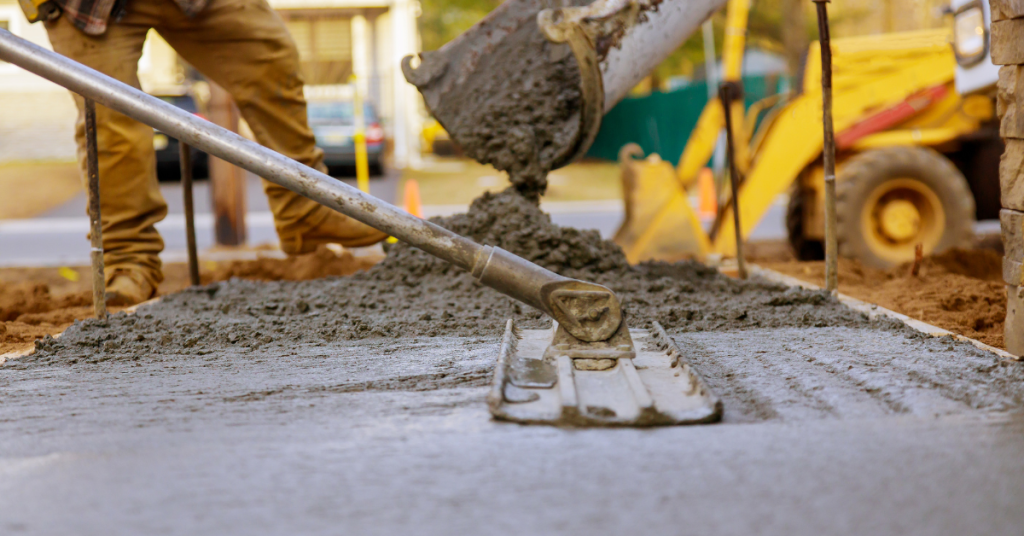
When you’re tackling small home renovations, choosing ready mix concrete can make a significant difference. It offers unmatched convenience by eliminating on-site mixing, which not only saves time but also reduces labour costs. You get a consistent quality mix every time, ensuring reliable strength and durability for your projects. Plus, its versatility allows for a variety of applications, from patios to driveways, enhancing your creative options. But there’s more to evaluate—how does it compare regarding cost-effectiveness and environmental impact? Let’s explore further to see why it stands out as the best choice. Key Takeaways – Ready mix concrete saves time by eliminating on-site mixing and reducing labour costs. – It ensures consistent quality through strict quality control measures in production. – The product is versatile, suitable for various renovation projects like patios and driveways. – Offers cost-effectiveness by minimising material wastage and labour inefficiencies. – Environmentally friendly, reducing waste and emissions with sustainable production practices. Convenience and Accessibility One of the biggest advantages of using ready mix concrete for home renovations is its unparalleled convenience and accessibility. You don’t need to worry about mixing materials on-site, which saves you time and reduces labour costs. Ready mix concrete comes pre-mixed, ensuring a consistent blend, allowing you to focus on the placement and finishing processes. Additionally, local suppliers offer user-friendly options tailored to your specific needs. You can easily order the exact quantity required for your project, minimising waste and saving money. Most suppliers provide online ordering systems, making it simple for you to schedule deliveries at your convenience. This level of accessibility is particularly beneficial for smaller renovation projects where precision and timing are essential. Moreover, local suppliers often have a variety of mix designs readily available, catering to different construction requirements. They also offer technical support, ensuring that you select the right product for your needs. By leveraging the expertise of these suppliers, you can make informed decisions, enhancing the efficiency and effectiveness of your renovation project. This ease of access to high-quality, pre-mixed concrete makes ready mix an ideal choice for home renovations. Consistent Quality Guaranteeing consistent quality is vital when it comes to ready mix concrete for home renovations. You don’t want to compromise on the structural integrity of your project. Ready mix concrete offers a precise mix design that’s prepared under strict quality control measures. This guarantees each batch maintains the same composition, strength, and durability. When you opt for ready mix concrete, you benefit from a well-engineered mix design tailored to meet specific project requirements. This precision means you won’t encounter variations that could weaken your structure. Quality control doesn’t just happen at the final stage; it’s integrated throughout the entire production process. From selecting raw materials to the mixing and transportation phases, every step is monitored to adhere to stringent standards. Furthermore, ready mix concrete undergoes rigorous testing before it reaches your site. By maintaining high standards, you guarantee that the concrete’s performance is reliable and consistent. This is particularly vital for home renovations where even minor inconsistencies can lead to significant issues over time. By choosing ready mix concrete, you leverage advanced technology and expertise to achieve a uniformly high-quality product, guaranteeing your renovation stands the test of time. Versatility in Applications Ready mix concrete, with its versatility in applications, offers a reliable solution for a wide range of home renovation projects. You can leverage its adaptability to create custom mixes that cater to your specific needs, whether you’re working on a patio, driveway, or even an interior floor. This flexibility guarantees that you achieve the ideal strength, durability, and finish required for each unique application. When it comes to innovative designs, ready mix concrete can be a game-changer. You can experiment with various textures, colours, and patterns to enhance the aesthetic appeal of your project. For instance, stamped concrete can mimic the look of natural stone or brick, providing a high-end finish without the associated costs. Additionally, coloured concrete allows you to match or contrast existing design elements seamlessly. The technical precision of ready mix concrete guarantees consistency in every batch, minimising the risk of structural issues down the line. By opting for ready mix, you also benefit from the expertise of professionals who can tailor the mix to meet specific project requirements. This level of customization and innovation makes ready mix concrete a superior choice for your home renovation needs. Time-Saving Benefits Frequently, home renovation projects come with tight deadlines, and ready mix concrete offers considerable time-saving benefits that are hard to overlook. One of the primary advantages is its impact on labour efficiency. When you opt for ready mix concrete, you eliminate the need for on-site mixing, which can be both time-consuming and labour-intensive. This pre-mixed solution arrives at your site ready for immediate use, allowing your team to focus on other critical tasks. By using ready mix concrete, you streamline the construction process, thereby enhancing labour efficiency. With precise formulations prepared in a controlled environment, there’s minimal risk of human error, which often leads to time-consuming rework. This precision guarantees that the concrete sets and cures as expected, keeping your project timelines intact. Additionally, ready mix concrete greatly reduces the time spent on logistics. Coordinating the delivery of raw materials and managing on-site mixing can create delays. By having the concrete delivered pre-mixed, you can better manage your project timelines, guaranteeing that various stages of the renovation proceed smoothly and without unnecessary interruptions. To conclude, ready mix concrete provides substantial time-saving benefits, making it an excellent choice for small home renovations. Cost-Effectiveness While the time-saving benefits of ready mix concrete are compelling, you’ll find its cost-effectiveness equally advantageous. When considering small home renovations, managing budget considerations becomes essential. Ready mix concrete offers a predictable and often lower overall cost compared to traditional on-site mixing methods. In terms of pricing comparisons, ready mix
How Does Commercial Concrete Differ From Domestic Concrete?
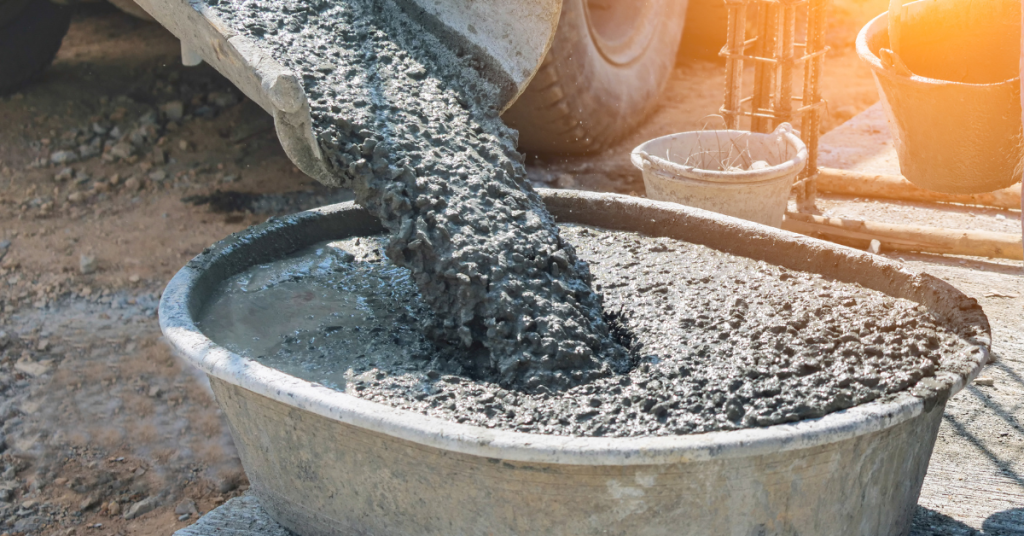
When you consider the differences between commercial and domestic concrete, you’ll find notable variations in composition, strength, and application. Commercial concrete includes larger aggregates and chemical admixtures designed for high-load environments like multi-story buildings, while domestic concrete prioritises aesthetics and ease of application. These differences also extend to curing time, load-bearing capacity, and installation techniques. But what about maintenance requirements and environmental impact? Understanding these aspects can greatly influence your choice depending on your project’s needs. So, what’s the real impact of these differences on your next construction project? Key Takeaways – Commercial concrete uses larger aggregates and chemical admixtures for performance; domestic concrete employs finer aggregates for smoother finishes. – Commercial concrete demands higher compressive strength for heavy loads; domestic concrete requires moderate strength for residential use. – Commercial concrete involves advanced reinforcement methods like steel rebar and post-tensioning; domestic concrete uses basic rebar or wire mesh. – Commercial concrete employs advanced curing methods and temperature control; domestic projects use traditional water curing techniques. – Commercial projects have higher material and labour costs due to complexity and regulations; domestic projects are generally less expensive. Composition When examining the composition of commercial and domestic concrete, you’ll find distinct differences tailored to their specific applications. Commercial concrete often utilises larger aggregate types, such as crushed stone or gravel, to enhance the structural integrity required for high-load environments. These aggregate types provide a robust framework that supports heavy machinery, vehicles, and substantial foot traffic. On the other hand, domestic concrete typically employs finer aggregates like sand or smaller pebbles. These finer aggregates guarantee a smoother finish, which is more suitable for residential settings like patios, driveways, and walkways. The choice of aggregates directly affects the concrete’s workability and finish, making it critical to select the appropriate type for each application. Admixture variations also play a significant role in differentiating commercial from domestic concrete. In commercial applications, you’ll often incorporate chemical admixtures such as superplasticizers, accelerators, and air-entraining agents to meet stringent performance criteria. These admixtures enhance workability, reduce setting times, and improve freeze-thaw resistance. Conversely, domestic concrete may require fewer admixtures or simpler formulations, focusing primarily on ease of application and aesthetic appeal. Understanding these compositional differences guarantees that the concrete mix you choose will perform effectively in its intended environment. Strength and Durability Strength and durability are paramount when choosing between commercial and domestic concrete, as each application demands specific performance characteristics. For commercial concrete, you often need higher compressive strength and enhanced durability due to the rigorous conditions it faces, such as heavy foot traffic, vehicular loads, and exposure to harsh weather. Achieving this involves precise mix ratios, often incorporating additives like fly ash, silica fume, and superplasticizers to enhance the concrete’s properties. In contrast, domestic concrete typically requires moderate strength and durability, sufficient for residential applications like driveways, patios, and walkways. Here, the mix ratios are less stringent but still need to meet basic performance testing standards to guarantee longevity and safety. Performance testing for commercial concrete is more rigorous and includes tests such as compressive strength tests, flexural strength tests, and rapid chloride permeability tests to verify the concrete’s ability to withstand various stresses and environmental factors. For domestic concrete, performance testing might involve simpler evaluations like slump tests and basic compressive strength tests. Ultimately, understanding these differences in strength and durability requirements, supported by appropriate mix ratios and performance testing, guarantees that you select the right type of concrete for your specific application. Load-Bearing Capacity Having discussed the strength and durability requirements for commercial and domestic concrete, another important aspect to contemplate is load-bearing capacity. For commercial concrete applications, the load-bearing capacity must accommodate substantial weight considerations, such as those posed by multi-story buildings, heavy machinery, and high-traffic areas. This necessitates advanced reinforcement methods, including the use of steel rebar, post-tensioning, and sometimes even fibre-reinforced polymers. These methods enhance the concrete’s ability to withstand significant compressive and tensile stresses. In contrast, domestic concrete applications generally deal with lower weight considerations. Residential floors, driveways, and patios don’t typically encounter the same intense loads. Therefore, reinforcement methods for domestic concrete might be less complex, often limited to basic rebar or wire mesh. However, it’s essential not to underestimate the importance of proper reinforcement even in domestic settings to avoid issues like cracking and settlement. Curing Time Curing time plays an essential role in determining the final strength and durability of both commercial and domestic concrete applications. The curing process involves maintaining adequate moisture, temperature, and time to allow the concrete to achieve its desired properties. However, curing methods and temperature effects can vary considerably between these two types of projects. For commercial concrete, advanced curing methods such as steam curing or the use of curing compounds are often employed to expedite the process and enhance strength. These methods are imperative for large-scale projects where time constraints and structural integrity are paramount. In contrast, domestic concrete projects typically use traditional methods like water curing or covering with wet burlap, which are sufficient for smaller-scale applications. Temperature effects are another important factor. In commercial settings, temperature-controlled environments are sometimes used to guarantee ideal curing conditions. This approach minimises the risk of rapid moisture loss and thermal cracking. For domestic concrete, ambient temperature monitoring and adjustments may be necessary, but the scale and complexity are generally less demanding. Consider these key aspects: – Curing Methods: Advanced for commercial, traditional for domestic. – Temperature Effects: Controlled environments in commercial settings. – Time Constraints: More stringent in commercial projects. Usage Scenarios Understanding the curing time intricacies paves the way to examining the varied usage scenarios for commercial and domestic concrete. In industrial applications, commercial concrete must often withstand substantial loads, vibrations, and harsh environmental conditions. For instance, you’ll encounter it in factory floors, highways, and high-rise building foundations. This concrete
What Are the Benefits of Using Ready Mix Concrete for Your Domestic Project?
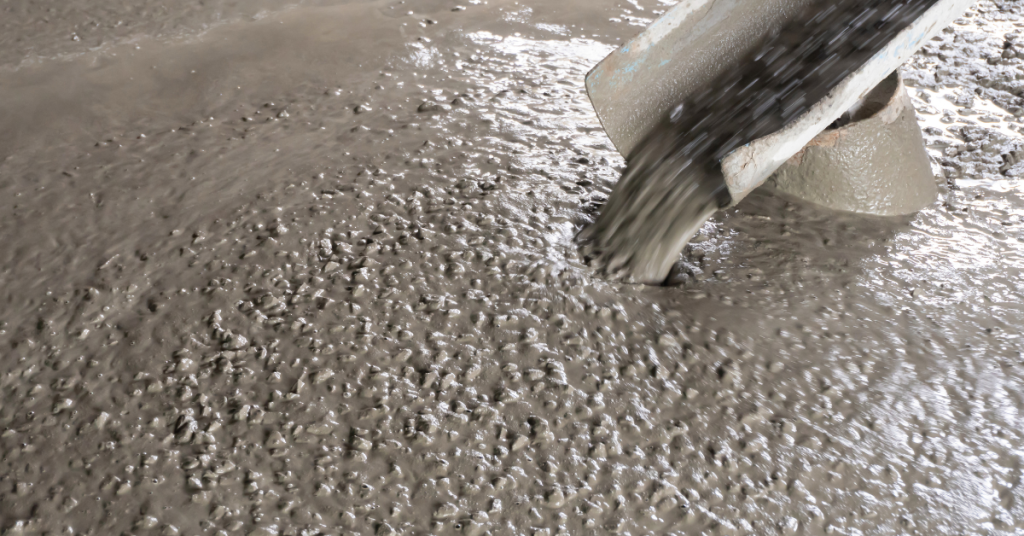
When you’re considering ready mix concrete for your domestic project, you’ll find it offers several compelling advantages. You’ll appreciate its consistent quality, thanks to precise formulations that guarantee uniformity and durability. Plus, it saves both time and labour costs since there’s no need for on-site mixing, speeding up your project completion. Its versatility also means it can be tailored to your specific needs, whether you’re working on a driveway, patio, or foundation. But there’s more to uncover about why this option might be the ideal choice for your next home improvement venture. Key Takeaways – Ready mix concrete ensures consistent quality and strength through precise formulation and computerised batching. – Off-site preparation and direct delivery save time, enhancing project efficiency. – Exact quantities minimise waste and costs, making it a cost-effective solution. – Engineered for durability, ready mix concrete withstands harsh weather and reduces maintenance needs. – Customizable mixes and versatile applications support creative designs and specific project requirements. Consistent Quality When it comes to consistent quality, ready mix concrete stands out due to its precise formulation and controlled production environment. You’ll find that ready mix concrete guarantees uniformity in mix design, which is critical for achieving the desired material properties. By using computerised batching and highly accurate measuring systems, the mix design is meticulously controlled. This guarantees that each batch has the exact proportions of cement, water, aggregates, and admixtures. In practical terms, this means you’re getting concrete that consistently meets the specified strength and durability requirements. This level of quality control is difficult to achieve with on-site mixing, where variations in the material properties can lead to inconsistencies. Ready mix concrete’s controlled production environment also minimises the risk of human error, guaranteeing that every cubic metre of concrete has the same high standards. Moreover, the material properties like workability, setting time, and resistance to environmental conditions are fine-tuned in a laboratory before production. This allows for the creation of specialised concrete mixes tailored to specific project needs, whether it’s high-strength concrete for structural applications or permeable concrete for drainage solutions. Time Efficiency To achieve ideal time efficiency in construction projects, ready mix concrete proves indispensable. Using advanced mixing techniques, you eliminate the time-consuming process of manually blending raw materials on-site. This guarantees a consistent, high-quality mix every time, reducing the likelihood of delays caused by inconsistent batches. Delivery logistics also play a vital role in time efficiency. Ready mix concrete is transported directly to your site in specialised trucks, minimising waiting times and streamlining the construction schedule. The precision of delivery guarantees that the concrete arrives exactly when you need it, allowing you to adhere to tight timelines. Consider the following benefits: Streamlined Process: Ready mix concrete is prepared off-site using precise mixing techniques. This guarantees that your project gets the exact mix needed without requiring additional adjustments. Reduced Labor: By outsourcing the mixing process, you free up labour resources that can be allocated to other critical tasks, accelerating your overall project timeline. Optimised Delivery: With efficient delivery logistics, you receive the concrete at the exact time and location specified, avoiding unnecessary delays and keeping your project on track. Cost-Effectiveness Considering the significant time savings, ready mix concrete also offers substantial cost-effectiveness for construction projects. When you use ready mix concrete, you can streamline budget planning effectively. By knowing the exact quantities needed, you avoid excess waste and reduce unnecessary costs. This precision plays an essential role in keeping your project within budget. Moreover, material sourcing becomes a breeze with ready mix concrete. You won’t have to worry about purchasing multiple components separately, which often leads to increased expenses and logistical challenges. The concrete is mixed to your specified requirements and delivered directly to your site, reducing the chance of costly errors. Additionally, using ready mix concrete minimises labour costs. Since it arrives pre-mixed and ready for immediate use, you’ll need fewer workers to handle the mixing process on-site. This reduction in labour not only cuts down on expenses but also accelerates the overall project timeline, further enhancing cost-effectiveness. Enhanced Durability Enhanced durability is one of the standout advantages of using ready mix concrete in your construction projects. When you choose this material, you’re investing in a product known for its robust weather resistance and impressive long-term performance. Ready mix concrete offers uniformity and consistency in its composition, guaranteeing that each batch meets stringent quality standards. This means your structures are less susceptible to cracking and other forms of degradation caused by environmental factors. Here’s why this is beneficial: Weather Resistance: Ready mix concrete is engineered to withstand harsh weather conditions, be it heavy rainfall, freezing temperatures, or extreme heat. This durability guarantees that your projects remain structurally sound over time. Longevity: The high-quality mix design provides long-term performance, reducing the need for frequent repairs or replacements. This longevity translates to cost savings and less maintenance over the years. Structural Integrity: The precise mixing process eliminates inconsistencies, leading to enhanced structural integrity. This is particularly essential for load-bearing elements, guaranteeing safety and reliability. Reduced Labor While enhanced durability remains a key benefit of ready mix concrete, another significant advantage is its potential to reduce labour costs and effort on your job site. By opting for ready mix concrete, you eliminate the need for on-site mixing, which involves considerable manual labour and time. This reduction in labour-intensive tasks translates to fewer workers required, thereby cutting down on labour costs. Additionally, using ready mix concrete improves safety on your job site. When concrete is mixed off-site and delivered ready to pour, you minimise the risks associated with handling raw materials like cement, sand, and gravel. This makes your site safer for workers, reducing the likelihood of accidents and injuries. Simplified logistics is another benefit. Ready mix concrete is delivered to your site in a pre-mixed state, ensuring that the