
Concrete Suppliers Barnsley: Family Business vs Large Corporations
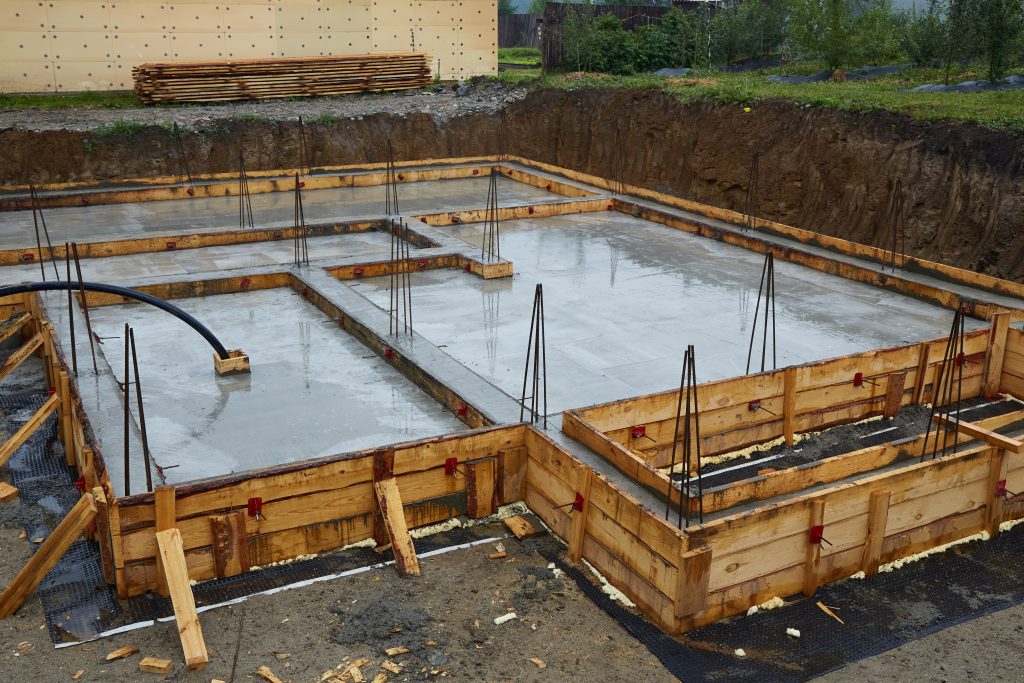
When you need ready mix concrete in Barnsley, you have an important choice to make. Should you work with a local family business or a large national company? This decision affects more than just price. It impacts the service you get, the support you receive, and your local community. The Personal Touch Family concrete suppliers bring something special to every job. When you ring National Mini Mix, you speak directly with people who care about your project. No complicated phone systems or distant call centres. Just real conversations with experienced staff who understand what you need. At National Mini Mix, 40 years of family ownership means we treat every customer like family. Your project matters to us because our family name depends on getting it right. Local Knowledge Makes a Difference Local family suppliers know Barnsley inside out. We know the roads, the traffic, and the best delivery routes. This helps us give you accurate delivery times and avoid delays. We also understand local building needs and soil conditions. When you need ready mix concrete Sheffield or Barnsley deliveries, we know exactly which concrete mix works best for your area. Large companies often use standard mixes that don’t account for local differences. Flexible Service Family businesses can adapt quickly to your changing needs. Need an earlier delivery? Want to change your order size? We can help without complicated approval processes. National companies follow strict procedures with little flexibility. Everything goes through multiple departments. This slows down your project and creates stress. At National Mini Mix, we cover areas throughout South Yorkshire including Barnsley, Rotherham, and Sheffield. Our family setup means we can make quick decisions to keep your project moving. We offer same-day delivery because we know construction schedules change. Better Communication Clear communication stops problems before they start. Family businesses keep you informed every step of the way. You get delivery updates, direct contact numbers, and quick responses when issues come up. Large companies often struggle with communication. You might speak to a different person each time, and messages get lost between departments. This creates confusion and delays. With a family supplier, you work with the same team. They remember your previous orders and understand what you need. This makes every project smoother. Fair Pricing Many people think large companies offer better prices. But family businesses often give better overall value. We keep costs down by running efficiently without layers of management. Big companies might show low prices, but watch for hidden fees. You might pay extra for delivery, small orders, or weekend service. Family businesses offer clear pricing with all costs included from the start. Supporting Your Community Choosing a family business helps Barnsley’s local economy. According to UK Finance research on family-owned businesses, family firms employ over 15 million people across the UK. When you use local suppliers, your money stays in the community, supporting local jobs. Family businesses invest locally in ways large companies don’t. We sponsor sports teams, support community events, and employ local people. This benefits everyone in Barnsley. Quality You Can Trust Family businesses put their reputation on every delivery. When your name is on the business, quality is personal. We test our concrete regularly and buy materials from British Standard approved suppliers. Every load shows our family’s commitment to doing things right. Large companies might deliver thousands of loads daily across the country. Your order is just another number. Quality comes from standard processes, not personal care. Emergency Support Construction doesn’t always go smoothly. Equipment breaks, weather changes, and problems pop up. Family businesses respond quickly because we understand what’s at stake. Try reaching a large company on Saturday afternoon when your concrete arrives wrong. With a family business, you ring the same mobile and speak to someone who can fix the problem straight away. Quick Comparison Feature Family Business Large Corporation Personal service Direct contact with experienced staff Call centres and automated systems Local knowledge Know Barnsley area well Standard national approach Flexibility Quick decisions and changes Strict procedures and approvals Communication Same team throughout Different people each time Pricing All costs included upfront Low prices plus hidden fees Quality Personal reputation matters Process-driven standards Emergency help Direct mobile contact Business hours only Community impact Supports local jobs Profits leave the area Making the Right Choice If you value personal service, local knowledge, flexible scheduling, and supporting your community, a family supplier offers clear benefits. At National Mini Mix, our 40 years serving South Yorkshire shows our commitment to quality and service. We give you professional standards with the personal touch that only a family business can offer. For your next concrete project in Barnsley, work with a supplier who knows your area and stands behind every delivery with their family name. Call us on 0114 273 1697 to see the difference.
Commercial Concrete Sheffield: Cost Breakdown for Business Owners

Planning a commercial project in Sheffield? Understanding concrete costs helps you budget properly and avoid surprises. This guide explains commercial concrete Sheffield pricing, from materials to delivery. Concrete Grade Pricing The strength grade you choose affects your costs. Different grades suit different jobs. C25/30 works for general commercial floors and light industrial use. It’s good for car parks and storage areas. C30/37 handles heavier loads. Warehouses often use this grade. C32/40 gives extra strength for demanding work like manufacturing facilities. C40/50 handles extreme loads in high-rise buildings and heavily loaded floors. Higher strength grades cost more because they contain extra cement. A C40/50 mix typically costs 15-20% more per cubic metre than C25/30. Volume Discounts The amount you order affects the price per cubic metre. Order VolumePrice SavingTypical Use1-5 cubic metresStandard rateSmall repairs, extensions6-10 cubic metres5-10% savingMedium slabs, foundations11-20 cubic metres10-15% savingLarge floors, car parks20+ cubic metres15-20% savingMajor developments Most suppliers charge minimum fees for small loads. Ordering at least 6 cubic metres gives better value. Plan your pours to get larger volumes per delivery. National Mini Mix has supplied Sheffield commercial customers since 1985. We help contractors plan efficient deliveries that keep projects moving without excessive costs. Pump Hire Costs Many sites need concrete pumping when trucks can’t park next to the pour location. Pump hire costs: Line pumps for ground level: £300-500 per day Boom pumps for multi-storey buildings: £600-900 per day Large boom pumps for high-rise: £900-1,200 per day Pump hire might seem expensive, but it often saves money overall. A team of five workers moving concrete manually for eight hours costs more than hiring a pump that finishes the same job in two hours with two operators. Use our concrete calculator to work out exactly how much you need. This helps you avoid ordering too much or too little. Seasonal Pricing Prices change throughout the year. Winter (November to February) sees lower demand but needs special additives for cold weather. These add £3-8 per cubic metre but suppliers often offer competitive rates. Summer (April to September) brings peak season. Prices can rise 5-10% and scheduling gets harder. Hot weather additives add £2-5 per cubic metre. Autumn (October to early November) offers the best balance. Good weather and falling demand mean reasonable prices. According to The Concrete Centre’s cost guidance, timing your concrete orders right can save money on large projects. Other Costs to Consider Delivery charges depend on distance from our plant. Sheffield and South Yorkshire sites usually fall within standard delivery zones. Sites further away pay £2-4 per loaded mile extra. Waiting time costs money. Most suppliers give 15-20 minutes free. After that, expect £1-2 per minute. Have your site ready when trucks arrive. Saturday deliveries cost 15-25% more than weekdays. Emergency deliveries can cost double. Plan pours for regular working hours. Special additives add costs. Waterproofing costs £5-12 per cubic metre. Fibre reinforcement adds £8-15 per cubic metre. Only use these when you need them. Getting Best Value Order efficiently. Larger volumes less often cost less than many small loads. Prepare properly. Ready sites mean trucks can unload straight away without waiting charges. Time it right. Autumn and early spring often give the best balance of good weather and fair prices. Specify correctly. Use the right strength grade for each job. Too strong wastes money. Too weak causes problems later. For pricing on your project, contact us on 0114 273 1697. We’ll discuss your needs and give you a detailed quote. National Mini Mix has served Sheffield for nearly 40 years. Our computer-controlled plant produces quality concrete to British Standards. We support your project from quote to delivery, making sure your concrete arrives on time and within budget.
Commercial Concrete Rotherham: Warehouse Floor Requirements

Getting your warehouse floor specification right is crucial for your Rotherham business. The wrong concrete grade or thickness can cost thousands in repairs and cause major disruption. This guide explains what you need to know about commercial warehouse floors. Understanding Concrete Grades Concrete grades show how strong the material is after it sets. For warehouse floors in Rotherham, you’ll typically choose from three main grades. C25 Concrete is the minimum for light industrial use. It handles light foot traffic and small vehicles like pallet jacks. It’s suitable for storage areas without heavy machinery or high stacking. Many small warehouse owners in Rotherham use C25 for low-traffic areas. C30 Concrete is the most common choice for standard warehouse floors. This grade handles forklift traffic, moderate stacking heights, and regular deliveries well. Most commercial concrete Sheffield suppliers recommend C30 as the best balance between cost and performance. C35 Concrete offers superior strength for heavy-duty work. You need this grade for very heavy machinery, high-bay storage systems, or constant heavy vehicle traffic. It’s also essential for racking systems that create concentrated loads on the floor. Floor Thickness Requirements Thickness matters just as much as grade. Here’s what you need for different uses: Application Type Recommended Thickness Suitable Concrete Grade Light storage, foot traffic only 100-125mm C25 Standard warehouse with forklifts 150-175mm C30 Heavy industrial, racking systems 200-250mm C35 Very heavy machinery or high-bay storage 250mm+ C35 with reinforcement For a typical Rotherham warehouse with forklifts and moderate pallet stacking, a 150mm thick C30 slab works well. High-bay racking or heavy manufacturing equipment needs greater thickness and a higher grade. Your local ground conditions matter too. Get a structural engineer to assess your site before finalising the specification. Reinforcement Options Reinforcement controls cracking and improves load-bearing capacity. Steel mesh (A142 or A193) sits within the concrete slab. It distributes loads and controls crack width. Position the mesh at mid-depth for best results. Fibre reinforcement uses synthetic or steel fibres mixed into the concrete. Fibres prevent early shrinkage cracks and improve impact resistance. Many warehouses combine mesh with fibres for the best performance. Post-tensioned slabs work well for very large floors. Steel cables tensioned after the concrete sets create bigger slab panels with fewer joints, reducing maintenance. Key Considerations Think about how you’ll use the space. Will heavy vehicles cross it daily? Are you installing racking? Your operational needs determine the right specification. Surface finish matters. A power-floated finish gives you a smooth, hard-wearing surface that’s easy to clean. Dry shake hardener creates an extremely tough surface for high-wear areas. Plan your joints carefully. Saw-cut joints at regular intervals let the concrete shrink naturally without random cracking. Your supplier can help plan the layout. Ground Preparation Your floor is only as good as what sits beneath it. You need 200-250mm of crushed stone or MOT Type 1, thoroughly compacted. A damp-proof membrane on top stops moisture rising into the concrete. The Concrete Society’s Design of Ground-Supported Floors guidance provides detailed technical standards for reliable warehouse floors. Working with Professional Suppliers Ordering ready mix concrete Sheffield from experienced suppliers makes a huge difference. They understand industrial floor requirements and can adjust the mix for your exact needs. For large pours, concrete pumping Sheffield services ensure consistent quality. Pumping places concrete quickly and accurately, essential for achieving a level, well-compacted slab. Getting It Right Focus on these key questions: What maximum loads will the floor carry? This determines your grade and thickness. Will you install racking systems? Point loads need careful design consideration. What traffic will use the floor? Different vehicles create different loading patterns. Do you need special finishes? Chemical resistance or slip resistance affects the specification. National Mini Mix has supplied warehouses across Rotherham for over 40 years. Our family business understands industrial flooring requirements and provides expert advice for your project. Contact us on 0114 273 1697 to discuss your warehouse floor needs.
Concrete Pump Sheffield: 5 Projects That Need Pumping Services

Some building jobs in Sheffield need concrete pumping Sheffield services to work properly. Without a concrete pump, these projects take much longer, cost more money, and often go wrong. National Mini Mix has been helping Sheffield builders and homeowners for over 40 years. We know exactly which projects need concrete pumps. Here are five common building jobs where pumping is essential, not optional. 1. Rear Garden Extensions with No Vehicle Access Many Sheffield homes have rear gardens that lorries cannot reach. This is especially common in Victorian and Edwardian terraced houses in areas like Crookes, Nether Edge, and Walkley. These properties often have narrow side passages or no access to the back garden at all. Carrying concrete through these tight spaces in wheelbarrows creates big problems. First, it is hard work and takes a very long time. Second, concrete starts to go hard after about 90 minutes. When you are wheeling concrete through narrow passages, you are racing against time. This pressure often leads to rushed, poor quality work. With concrete pumps hire equipment, a flexible hose feeds through side passages, over fences, or even through windows. The concrete flows continuously to exactly where you need it. This saves time, removes the heavy work, and makes sure the concrete quality stays good throughout your pour. 2. Basement Conversions and Underground Work Many Sheffield homes have basements or cellars that people want to convert into living space. These underground projects need concrete pumping because there is no other practical way to get concrete down there. Basement work needs lots of concrete for floors, walls, and underpinning. Getting concrete down to basement level the traditional way is almost impossible. The basement stairs are too narrow and steep, and carrying concrete down by hand would take days. Concrete pumps deliver material straight down to basement level with no problems. The pump handles the depth easily whilst keeping the concrete fresh and workable. This is important for waterproofing because basement floors need to be poured all in one go, without breaks that could let water in later. The Concrete Society explains how pumping concrete is often used on deep basements because other methods simply cannot reach. For Sheffield basement conversions, pumping is essential. 3. Second-Storey Extensions and Upper Floor Work Building upwards creates even bigger challenges than building downwards. Any concrete work on upper floors, second-storey extensions, or loft conversions needs pumping equipment to lift the concrete safely. Trying to lift concrete manually to upper floors is dangerous and extremely hard work. The concrete starts going hard whilst you are still lifting it, and workers get exhausted quickly. Small batches lifted separately also create weak joints in the finished work. Truck-mounted concrete pumps have extending arms that reach high up, usually 24 metres or more. This means concrete goes straight to second-storey floors or roof structures. The continuous flow means the whole pour happens quickly, creating strong work with no weak spots. For commercial concrete Sheffield projects with multiple storeys, pumping becomes even more important. Larger buildings need fast placement of big concrete volumes at height, which only pumping equipment can do safely. 4. Driveways on Steep Slopes Sheffield is famous for its hills. Many homes sit on steep slopes, which makes pouring concrete driveways very difficult. Traditional methods struggle badly with steep ground. Trying to use wheelbarrows on steep slopes is dangerous and exhausting. Workers must push heavy loads uphill on slippery ground. The concrete flows downhill on its own, making it hard to get the right levels. The extra time and effort means the concrete often starts going hard before the job is finished. Concrete pumping solves these slope problems easily. The pump sits at street level where the lorry can park safely. The flexible hose then extends uphill or downhill to where you need the concrete. Workers can focus on getting a good finish instead of exhausting transport work. The table below shows typical projects and what they need: Project Type Access Challenge Pumping Distance Needed Typical Volume Rear Extension Narrow side passage 15-30 metres horizontal 3-8 cubic metres Basement Conversion Vertical depth 2-4 metres vertical 5-15 cubic metres Second Storey Height requirement 6-10 metres vertical 4-12 cubic metres Slope Driveway Steep gradient 10-25 metres inclined 6-20 cubic metres Commercial Floor Large area coverage 20-50+ metres horizontal 30-100+ cubic metres 5. Large Commercial Floor Slabs Big commercial projects in Sheffield often need huge concrete floors poured all in one go. Warehouse floors, shops, factories, and car parks all work better with pumping services that allow fast coverage of large areas. Commercial projects have tight deadlines. Delays cost money. Large floors also need to be poured continuously to avoid weak joints. Trying to do this with traditional methods and multiple lorries is slow and creates quality problems. Concrete pumping keeps a steady flow going across large areas. The pump sits in one spot whilst the arm or hose reaches across the whole floor. Multiple concrete lorries can keep feeding the pump, so the pour never stops whilst the finishing team works steadily. This speed matters especially for commercial work where the concrete might include special additives for quick strength. The pumping equipment makes sure the pour happens fast enough for these special mixes to work properly. When Does Your Project Need Pumping? Knowing when your Sheffield project needs concrete pumping helps you plan properly from the start. The five project types above show where pumping is essential, but other jobs also benefit from pumping even when there might be alternatives. Look for these signs that you need pumping: restricted access, work at height, work underground, steep slopes, large volumes that need pouring quickly, or jobs needing precise placement. When any of these apply, talk about concrete pumping early in your planning. National Mini Mix has been supporting Sheffield construction since 1985. We provide ready mix concrete and professional pumping services across South Yorkshire. Our team can look at your project and recommend the best concrete
Concrete Calculator Sheffield: How to Get Accurate Measurements

Getting the right amount of concrete for your project is important. Order too little and you will need to stop work and wait for more. Order too much and you will waste money on material you do not need. This is where a concrete calculator becomes your best friend for planning driveways, patios, and foundations in Sheffield. Understanding Concrete Volume Calculations Calculating concrete volume is simpler than many Sheffield homeowners think. The basic formula multiplies three measurements: length, width, and depth. However, getting accurate results requires careful measuring and understanding common mistakes that can throw off your calculations. When you plan a concrete project, you measure the area in metres. The calculator then works out the volume in cubic metres (m³), which is how ready mix concrete suppliers measure their deliveries. One cubic metre equals 1,000 litres of concrete, enough to cover 10 square metres at 100mm depth. Common Measurement Mistakes Sheffield Homeowners Make Many people make the same errors when calculating concrete needs. The most common mistake is mixing up units of measurement. You might measure one dimension in centimetres and another in metres, which gives a completely wrong result. Another frequent error is forgetting to convert depth measurements. If you measure depth in millimetres but enter it as metres, you will order 1,000 times more concrete than you need. For example, a 100mm depth should be entered as 0.1 metres, not 100 metres. People also forget to account for wastage and uneven ground. According to The Concrete Society, you should add an extra 10% to your calculation to cover wastage and ground variations. This safety margin ensures you have enough concrete to complete your pour without running short. Step-by-Step Guide to Using a Concrete Calculator Start by measuring your project area carefully. You will need a tape measure and, ideally, a second person to help check your measurements. Measure the length and width of your project in metres. For depth, most domestic projects use these standard measurements: Project Type Recommended Depth Garden paths 75-100mm Patios 100-125mm Driveways 100-150mm Garage bases 100-150mm House foundations 150-225mm Measure all three dimensions twice to make sure they are correct. Small errors in measuring can lead to big differences in the amount of concrete you order. Next, convert all measurements to the same unit. Most calculators work in metres, so if you measured in centimetres, divide by 100. If you measured in millimetres, divide by 1,000. Enter your measurements into the calculator. The length goes first, then width, then depth. The calculator multiplies these three numbers to give you the volume in cubic metres. Finally, add 10% for wastage. If the calculator shows 2.0 m³, you should order 2.2 m³. This extra concrete covers spillage, uneven ground levels, and small measuring errors. Practical Examples for Sheffield Projects Let us look at some real examples of domestic projects in Sheffield: Example 1: Small Garden Patio A rectangular patio measuring 3 metres long by 2.5 metres wide, with a depth of 100mm (0.1 metres). Calculation: 3 × 2.5 × 0.1 = 0.75 m³ With 10% wastage: 0.75 + 0.075 = 0.825 m³ You should order approximately 0.85 m³ of ready mix concrete Sheffield. Example 2: Standard Driveway A driveway measuring 5 metres long by 3 metres wide, with a depth of 125mm (0.125 metres). Calculation: 5 × 3 × 0.125 = 1.875 m³ With 10% wastage: 1.875 + 0.1875 = 2.06 m³ You should order approximately 2.1 m³ of concrete. Example 3: House Extension Foundation A rectangular foundation measuring 6 metres long by 4 metres wide, with a depth of 200mm (0.2 metres). Calculation: 6 × 4 × 0.2 = 4.8 m³ With 10% wastage: 4.8 + 0.48 = 5.28 m³ You should order approximately 5.3 m³ of concrete. Tips for Complex Shapes Not all projects are simple rectangles. You might have an L-shaped driveway or a circular patio. For these projects, break the area into simple shapes. Calculate each shape separately, then add the volumes together. For an L-shaped area, divide it into two rectangles. Measure and calculate each rectangle, then add the results. For a circular patio, you need to know the radius (the distance from the centre to the edge). The formula for a circle is: radius × radius × 3.14 × depth. If your project has an irregular shape, draw it on paper and break it down into triangles, rectangles, and circles. Calculate each section separately and add them all together. When to Call the Experts Sometimes, a project is too complex for a simple calculator. If you have sloping ground, multiple levels, or unusual shapes, it helps to speak with a concrete supplier. At National Mini Mix, we have been helping Sheffield customers calculate their concrete needs since 1985. Our team can visit your site, take measurements, and work out exactly how much concrete you need. For domestic concrete Sheffield projects, we offer free advice on quantities. We understand that every project is different, and we want to make sure you order the right amount. Call us on 0114 273 1697, and our experienced team will guide you through the calculation process. Getting Your Concrete Delivered Once you know how much concrete you need, ordering is straightforward. Make sure you tell your supplier the exact volume you calculated, including the 10% wastage allowance. Also mention what the concrete is for, as different projects need different concrete mixes. For driveways, you need a stronger mix than for garden paths. For foundations, you might need a mix with specific properties. When you call to order, have your calculations ready and describe your project clearly. Most suppliers in Sheffield can deliver concrete on the same day or next day. Make sure your site is ready before the concrete arrives. You cannot store wet concrete, so you must be prepared to use it as soon as the truck arrives. Final Thoughts Using a concrete calculator takes the guesswork out of ordering ready mix concrete. By
Domestic Concrete Rotherham: Home Improvement Projects

Home improvements using concrete are popular across Rotherham. Whether you want a new driveway, a smart patio, or a solid base for a garden building, the right concrete makes all the difference. This guide helps homeowners plan their projects from start to finish. Popular Home Concrete Projects Rotherham residents order domestic concrete Rotherham for all sorts of jobs. Here are the most common: Driveways. A concrete driveway looks smart, handles heavy vehicles and lasts for decades. Many homeowners replace old tarmac or gravel with solid concrete. Patios. A poured concrete patio provides a level, durable surface for outdoor furniture, barbecues and family gatherings. It needs less maintenance than paving slabs. Garden paths. Concrete paths create clean routes through gardens without the wobbling and sinking you get with loose materials. Garage floors. Whether you are building a new garage or replacing a crumbling floor, concrete handles oil spills, heavy tools and vehicle weight. Shed bases. Every garden building needs a solid, level foundation. Concrete bases prevent timber from rotting and stop structures from shifting over time. Extension foundations. Adding a conservatory, utility room or other extension starts with proper foundations. Building regulations specify minimum concrete standards. Which Mix for Which Project? Different jobs need different concrete strengths. Here is a simple guide: Project Recommended Grade Why This Strength Shed base (light use) C15 or C20 Light structures with minimal load Garden paths C20 Foot traffic only, no vehicle weight Patios C25 Furniture weight, regular foot traffic Driveways C25 or C30 Vehicle weight, regular use Garage floors C25 Vehicles, tools, storage Foundations C25 to C30 Structural support, building regs compliance For most driveway concrete Rotherham and patio concrete Rotherham jobs, C25 is the standard choice. It provides enough strength for everyday domestic use without costing more than necessary. Working Out How Much You Need Getting the quantity right saves money and prevents problems. Measure your area. Note the length and width in metres. Decide on depth. Driveways usually need 100mm to 150mm. Paths and patios can often manage with 75mm to 100mm. Calculate volume. Multiply length x width x depth (all in metres) to get cubic metres. Add 10% for waste. Ground is rarely perfectly level. Some concrete spills. Order slightly more than your calculation suggests. For example, a 5m x 3m patio at 100mm depth: 5 x 3 x 0.1 = 1.5 cubic metres Plus 10% = 1.65 cubic metres (round up to 1.7m³) Use our concrete calculator for accurate figures based on your exact measurements. Preparing the Ground Good groundwork makes the difference between concrete that lasts 50 years and concrete that cracks in five. Mark out the area. Use string lines and pegs to define exact boundaries. Dig out. Remove topsoil, roots and any soft material. Dig to a depth that allows for your sub-base plus the concrete thickness. Create a sub-base. Lay 50mm to 100mm of compacted hardcore or MOT Type 1 aggregate. This provides drainage and prevents the ground beneath from moving. Build formwork. Timber boards hold the wet concrete in shape. Make sure they are level, straight and firmly staked. Check levels. Patios and driveways need a slight slope away from buildings for drainage. A fall of about 1 in 80 works well. According to The Concrete Centre, concrete is one of the most durable construction materials available, with buildings often outlasting their original purpose. Proper ground preparation and foundation design are essential for any concrete structure to perform correctly over its lifetime. Ordering Your Concrete When you call to order home concrete Rotherham, have this information ready: What the concrete is for. Tell us the specific project so we can recommend the right grade. The quantity needed. Give us your calculated volume including the 10% extra. Your address and access details. Can a truck reach your property? How wide is the driveway or gateway? Your preferred delivery day and time. We offer various time slots, and same-day delivery is often available. The Ordering Process for Smaller Jobs Many domestic orders are for modest quantities. A shed base might need less than a cubic metre. A small path might be half a cubic metre. Some suppliers insist on large minimum orders, which leaves homeowners stuck. We deliver smaller amounts happily. There is no point ordering twice what you need just to meet an artificial minimum. If you are unsure about quantities, call us. We can help you work out the right amount based on your dimensions. Getting this right saves money and prevents either running short or having excess. On Delivery Day The truck arrives in your booked time slot. The driver will call ahead, usually 30 to 60 minutes before arrival. Be ready. Everything should be prepared before the concrete turns up. Once it is mixed, the clock is ticking. Have help available. For anything larger than a very small pour, you need extra hands to spread and level the concrete quickly. Know where the truck can park. The driver needs to get reasonably close. If direct access is impossible, you will need to wheelbarrow the concrete. Plan your pour sequence. Start at the far end and work towards the exit point. This prevents walking on fresh concrete. Getting Started Ready to start your ready mix concrete Rotherham project? For more information on domestic work, visit our domestic concrete Sheffield page which covers similar home improvement projects. Call us on 0114 273 1697 to discuss your requirements. Our team can recommend the right mix, help calculate quantities and book a delivery time that suits you. As a residential concrete supplier with over 40 years experience, we know what works for concrete for home use across Rotherham and South Yorkshire.
Concrete Pumping Sheffield: How the Process Works
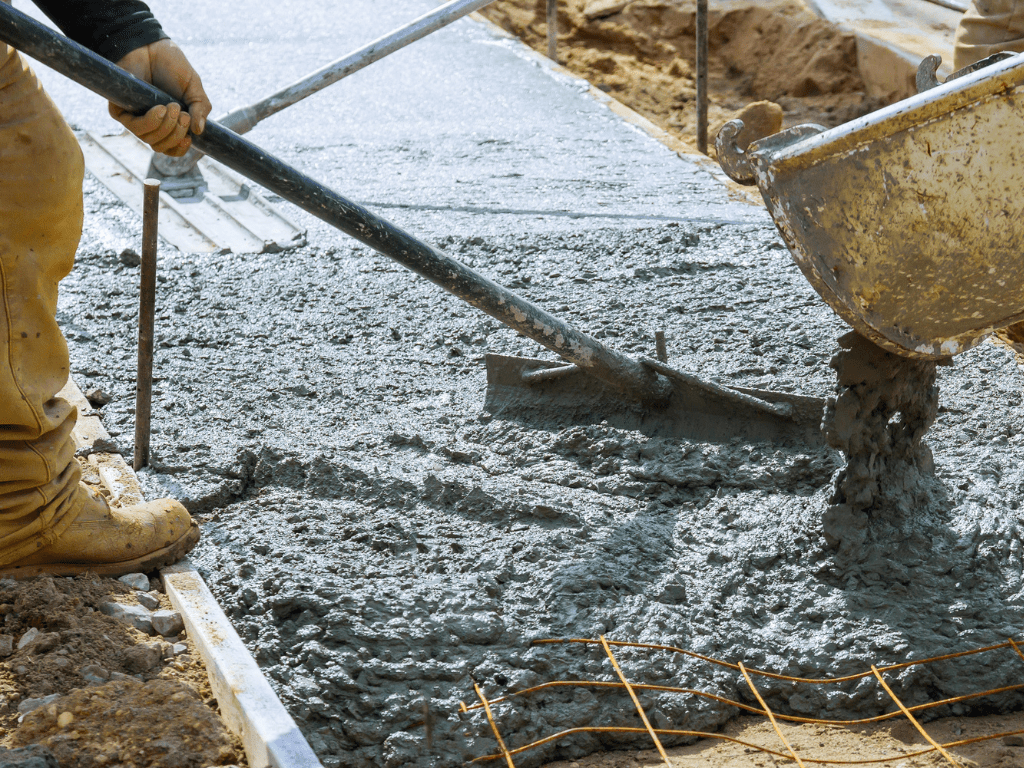
Knowing what happens during a concrete pump job helps you prepare properly. This guide walks through the entire process from arrival to clean-up, so Sheffield customers know exactly what to expect. Before the Day Arrives Good preparation starts before the pump turns up. Clear the setup area. Line pumps need a flat space roughly 3 metres by 6 metres. Remove cars, bins, garden furniture and anything else that might be in the way. Plan the hose route. The operator runs a flexible hose from the pump to your pour site. Walk this route yourself and note any obstacles. Remove what you can. Flag anything that cannot move. Check overhead clearance. The hose lies flat on the ground but needs lifting over obstacles. Note any low branches, washing lines or overhead cables. Prepare the pour site. Your formwork should be finished, your sub-base compacted, and any reinforcement in place. The pump operator is not there to help with groundwork. Arrange your team. You need at least one person at the pour end to direct the hose and spread the concrete. For larger pours, have additional helpers with shovels and rakes. The Pump Arrives The pump operator typically arrives 30 to 60 minutes before the concrete truck. This gives time for setup without wasting the concrete’s working time. Positioning the pump. The operator finds the best spot to set up. This needs to be stable ground where the pump can work without moving. Running the hose. Flexible hoses connect together in sections. The operator runs this from the pump hopper to your pour location, clipping sections together as they go. Checking the route. Once the hose is in place, the operator walks the line to check for problems. Sharp bends get re-routed. Pinch points get fixed. A test run happens. Before concrete arrives, some operators run water through the system to check everything is working properly. For more details on our concrete pump hire options, visit our dedicated page. The Concrete Truck Arrives With the pump ready, the concrete truck parks close to the hopper. Positioning matters. The truck reverses up to the pump and angles so the drum can discharge directly into the hopper. This might take a few attempts to get right. The first load goes in. Concrete flows from the truck into the hopper. The pump starts pushing material through the hose. Initial pumping is slower. The system needs priming. The first concrete moves slowly as it pushes air out of the line. During the Pour Once pumping starts, things move quickly. Controlling the flow. The pump operator manages the speed. They can speed up, slow down or stop completely depending on how fast you are placing concrete. Directing the hose. Someone at the pour end holds the hose and directs where concrete goes. This person needs to stay alert and communicate with the operator. Spreading and levelling. As concrete flows out, your team spreads it into the formwork, removes air pockets and levels the surface. Communication is constant. Hand signals, shouts or radios keep everyone in sync. The operator needs to know when to pause for levelling and when to speed up. Stage What Happens Your Role Initial pour Concrete starts flowing slowly Position hose at starting point Main pour Full flow rate achieved Direct hose, spread concrete Mid-pour adjustments Pauses for levelling or moving Signal to operator, level surface Final pour Last of the concrete placed Ensure even coverage, start finishing How Long Does Pumping Take? Actual pumping time varies by volume and complexity: Small domestic pour (1-2m³): 30 to 45 minutes of pumping Medium driveway (3-5m³): 1 to 2 hours Large foundation (6-10m³): 2 to 4 hours Add setup time at the start and clean-up at the end. A half-day booking covers most domestic Sheffield pump services jobs comfortably. The Clean-Up Process When the last of the concrete is placed, the system needs flushing. Clearing the hopper. Any remaining concrete in the hopper gets pushed through the system. Running the sponge. A foam ball (called a sponge or go-devil) is pushed through the hose with water. This clears the remaining concrete and cleans the pipe walls. Disconnecting hoses. Sections come apart and get stacked on the truck. Final rinse. Water flushes through again to make sure nothing is left to set inside the pipes. Washout location. The operator needs somewhere to discharge the wash water. This is usually a sacrificial area of your site or a washout container. Discuss this when booking. According to The Concrete Society, proper curing is the process of preventing moisture loss from young concrete whilst maintaining a satisfactory temperature. This is essential for achieving the best strength and durability. After the Pump Leaves Your job is not finished when the pump drives away. Start curing immediately. Cover the concrete with plastic sheeting or spray it with water. This keeps moisture in while the concrete hardens. Keep people and pets off. Concrete looks solid quickly but takes days to reach working strength. Protect your pour from foot traffic. Plan for formwork removal. Leave timber in place for at least 24 to 48 hours, longer in cold weather. Getting Started Want to see concrete pumping Sheffield in action on your project? Visit our concrete pumping Sheffield page for more information, or call National Mini Mix on 0114 273 1697. We arrange everything: the concrete, the pump, the scheduling. Tell us about your project and we will make sure the day runs smoothly.
Concrete Pump Sheffield: Access Solutions for Any Site

Some sites just will not cooperate with a concrete truck. Narrow side passages, walls in the way, upper floors with no vehicle access. These obstacles do not mean your project cannot happen. A concrete pump Sheffield service gets concrete exactly where it needs to go. When Pumping Makes Sense A concrete pump hire Sheffield solves problems that wheelbarrows cannot. Here are the situations where pumping is the sensible choice: Rear gardens without vehicle access. Many Sheffield properties have gardens behind the house with no direct route from the road. A pump sends concrete through a hose that threads around obstacles. Sites behind walls or fences. Permanent structures between the road and your pour site do not have to stop your project. Pumps go over, around or through gaps that trucks cannot navigate. Upper floors and basements. Carrying concrete upstairs in buckets is impractical. Pumping delivers it directly to elevated slabs or down into basement foundations. Large volume pours. Anything over a few cubic metres becomes exhausting by wheelbarrow. Pumping places concrete quickly before it starts to set. Tight timeframes. When you need concrete placed fast, pumping is the answer. It moves material at a pace no manual method can match. Types of Pump Available Sheffield concrete pumping uses two main types of equipment: Pump Type Reach Best Suited For Line pump Up to 100m horizontal, 30-40m vertical Domestic work, rear gardens, smaller pours Boom pump 20-60m reach in any direction Commercial sites, multi-storey, large volumes Line pumps are the workhorse for difficult access concrete Sheffield jobs. They are smaller, more affordable and perfect for residential properties. A flexible hose runs from the pump to your pour site, bending around corners and through narrow gaps. Boom pumps have an articulated arm that unfolds from the truck. This arm reaches over buildings, across sites and up to considerable heights. They are mainly used for commercial and industrial work. How Far Can Concrete Travel? Concrete pump rental Sheffield equipment can move material impressive distances. Line pumps regularly handle runs of 50 to 80 metres without problems. Several factors affect the maximum reach: Route complexity. Straight runs are easiest. Each bend in the hose creates resistance and reduces the practical distance. Vertical lift. Pumping upwards requires more pressure. A 30-metre vertical lift is achievable but harder than an 80-metre horizontal run. Mix design. Pumped concrete uses a specific mix that flows smoothly through pipes. Your supplier adjusts the mix for pumping. Hose diameter. Larger diameter hoses move concrete further with less pressure. Your pump operator chooses the right size for your job. Assessing Whether Your Site Needs a Pump Ask yourself these questions: Can a concrete truck park within 3 metres of the pour site? If yes, you might manage with direct pouring or short wheelbarrow runs. Is there a clear path for wheelbarrows? Think about steps, narrow gates, sharp corners and rough ground. If the route is difficult, pumping saves time and effort. How much concrete do you need? For anything over 2 cubic metres without direct access, pumping usually makes sense. How many helpers do you have? Wheelbarrowing is hard work. If you are short on labour, a pump compensates. What is the weather like? In hot weather, concrete sets faster. Pumping gets it placed quickly before workability drops. What Affects Pumping Costs Line pump Sheffield hire is charged by time, typically in half-day or full-day rates. The total cost depends on: Duration of the pour. Larger volumes take longer. A small rear garden patio might need two hours. A full driveway could take half a day. Setup complexity. Difficult routes require more hose and longer setup times. Concrete volume. More concrete means more pumping time. Travel distance. Pumps come from depots, so location affects the price. For most domestic jobs, pump hire adds a manageable amount to your project cost. Weighed against the alternative of struggling with wheelbarrows for hours, most customers find it worthwhile. According to The Concrete Centre, concrete has proven to be one of the most durable construction materials available. Using the right equipment and techniques ensures concrete is placed properly and achieves its full strength potential. Booking Tips for Sheffield Customers Get the best service by providing good information upfront: Describe your access. How wide is the route? Are there gates? Steps? Overhanging trees? The more detail, the better. Measure accurately. Know the distance from where the pump can set up to your pour location. Confirm parking. The pump needs space to operate. Check for parking restrictions and warn neighbours if needed. Book early. Pumps are popular during busy periods. Do not leave it to the last minute, especially in spring and summer. Getting Started For more information about concrete pumps hire, visit our dedicated page. You can also learn more about concrete pumping Sheffield services. Ready to book? Contact us on 0114 273 1697. Tell us about your site and we will advise whether pumping is the right solution. With over 40 years serving Sheffield, we know how to get concrete where it needs to go.
Concrete Mix Barnsley: Which Type for Your Project?

Ordering concrete seems straightforward until you see the different grades available. C10, C20, C25, C30… what do these numbers mean, and which one do you actually need? This guide explains concrete mixes in plain English so Barnsley customers can order with confidence. What the Numbers Mean Concrete grades tell you how strong the mix will be once it sets. The number refers to the compressive strength in newtons per square millimetre (N/mm²) after 28 days of curing. In simple terms, C25 concrete can handle 25 newtons of pressure per square millimetre before it fails. Higher numbers mean stronger concrete. You do not need to remember the science. What matters is matching the grade to your project. Common Grades and Their Uses Here is a breakdown of the ready mix concrete Barnsley grades most often ordered: Grade Strength Typical Uses C10 10 N/mm² Backfilling, drainage haunching, non-structural work C15 15 N/mm² Floor blinding, kerb beds, light shed bases C20 20 N/mm² Garden paths, small shed bases, light domestic use C25 25 N/mm² Driveways, patios, garage floors, foundations C30 30 N/mm² Heavy traffic areas, structural foundations, commercial use C35 35 N/mm² Industrial floors, agricultural buildings, heavy loads For most domestic projects in Barnsley, C25 is the standard choice. It handles vehicle weight on driveways, stands up to garden furniture on patios, and provides reliable foundations for extensions. Choosing the Right Mix for Your Project Let us look at specific projects and what concrete strength grades they need. Shed bases. A standard garden shed sits on C15 or C20 concrete. These structures are light and do not put much stress on the base. There is no need to pay extra for stronger mixes. Garden paths. Foot traffic only means C20 is plenty strong enough. If the path leads to a garage and might occasionally take a wheelbarrow of logs, stick with C20. Patios. Most patios use C25 driveway concrete mix. This handles garden furniture, barbecues, hot tubs and regular foot traffic without cracking or crumbling. Driveways. Cars are heavy, and they move. The combination of weight and friction means driveways need C25 or higher. If you have a particularly heavy vehicle or expect regular deliveries, consider C30. Garage floors. Similar requirements to driveways. Go with C25 for standard domestic use. If you are planning a workshop with heavy machinery, C30 offers extra durability. Foundations. Building regulations often specify minimum concrete strength grades for foundations. House extensions typically need C25 or C30 foundation concrete Barnsley. Always check with your building control officer. How Mix Design Affects Performance Concrete is not just cement and water. The mix includes aggregates (stones and sand), cement, water and sometimes additives. The cement content affects strength. More cement generally means stronger concrete, but too much can cause cracking. Aggregate size matters for different uses. Larger aggregates work well for foundations. Smaller aggregates create a smoother finish for exposed surfaces. Water content changes workability. More water makes concrete easier to pour but reduces final strength. Your supplier balances this for you. Additives modify properties. Retarders slow setting time for large pours. Accelerators speed things up in cold weather. Air-entraining agents improve frost resistance. According to The Concrete Society, proper curing is essential for concrete to reach its designed strength. Keeping concrete moist for the first few days allows the chemical reactions that build strength to continue properly. Practical Examples From Barnsley Projects Example 1: Terraced house driveway A typical two-car driveway in Barnsley might measure 5m x 4m. For this, you would order C25 concrete Barnsley at 100mm depth. This handles daily car use and occasional delivery vans without problems. Example 2: Back garden patio A 4m x 3m patio for a family barbecue area works well with C25 concrete at 75mm to 100mm depth. This manages table and chair legs, occasional plant pots being dragged across it, and children playing. Example 3: Workshop shed base A larger shed housing tools and a workbench might be 3m x 2.5m. C20 is usually fine unless you plan to store genuinely heavy equipment. Pour at 100mm depth on a compacted sub-base. Calculating Quantities Once you know the grade, work out how much you need. Use our concrete calculator for accurate figures, or do the maths yourself: Length (m) x Width (m) x Depth (m) = Volume in cubic metres Remember to add 10% for wastage and uneven ground. Special Requirements Some projects need more than just the right strength. Exposed aggregate finishes need a specific mix designed to reveal the stones underneath. Tell your supplier if you want this look. Pumpable concrete has a different consistency for flowing through pump pipes. If you need a pump for difficult access, mention this when ordering. Cold weather mixes include additives to help concrete set properly when temperatures drop. Winter pours in Barnsley often need this consideration. Getting Expert Advice Not sure which grade you need? Our ready mix concrete Sheffield team can help. Call 0114 273 1697 and tell us about your project. We will recommend the right concrete mix Barnsley for your specific job. With over 40 years of experience, we know which grades work best for local conditions and typical projects. Getting the right advice upfront saves money and ensures your concrete lasts for decades.
Concrete Suppliers Wakefield: Choosing the Right Company

Picking the right concrete supplier matters more than most people think. A good supplier gets the right mix to your site on time. A poor choice leads to delays, wrong quantities and wasted money. This guide helps Wakefield customers find a concrete company they can trust. What to Look For in a Supplier Not all concrete suppliers Wakefield are the same. Here are the things that separate reliable companies from the rest. Experience counts. A company that has been supplying ready mix concrete Wakefield for years understands local conditions, knows the roads and has worked out the common problems. Ask how long they have been operating. Range of mixes matters. Different jobs need different concrete strengths. A good supplier offers everything from basic C10 for backfilling to stronger C30 for driveways and foundations. If they only stock one or two mixes, they might not have what you need. Delivery flexibility is essential. Can they deliver when you need it? Do they offer morning, afternoon and evening slots? What about weekends? The best Wakefield concrete companies work around your schedule. Clear pricing builds trust. Honest suppliers give you a clear quote upfront. Watch out for hidden charges like minimum order fees, distance surcharges or waiting time costs. Ask for a full breakdown before you book. Questions to Ask Before Ordering Call a few concrete delivery Wakefield suppliers and ask these questions: What is your minimum order quantity? Some suppliers only deliver large volumes. This can leave homeowners stuck if they need just half a cubic metre for a shed base. Find a local concrete supplier happy to deliver smaller amounts. How long does the concrete stay workable? Standard ready mix stays pourable for about 90 minutes. If your site is far from the plant or involves wheelbarrowing, you might need a mix with retarder to extend the working time. Can you deliver at short notice? Plans change. Weather windows open up. A supplier who can respond quickly is worth finding. What happens if I need more? Sometimes you underestimate. Ask whether they can send a follow-up load the same day if you run short mid-pour. Do you provide pumping services? If access is tricky, pumping might be the answer. Not all suppliers offer this, so check if it is something you might need. Why Family Businesses Often Deliver Better Service Large national companies have their place, but family-run concrete near Wakefield suppliers often provide better customer service. Family businesses have their reputation in the community. They cannot afford poor reviews or unhappy customers spreading the word. This means they work harder to get things right. You speak to decision-makers. When you call a family company, you often talk directly to someone who can solve problems on the spot. No call centres, no waiting for a manager to call back. They know the local area. A family business based in South Yorkshire knows which roads get congested, which estates have narrow streets and which postcodes have tricky access. This local knowledge prevents delivery problems. According to The Concrete Society, proper concrete curing is essential for achieving the best strength and durability, which is why working with experienced suppliers matters. Benefits of Working With Established Suppliers Choosing a company with a track record offers several advantages: Benefit Why It Matters Consistent quality Established mixing processes mean reliable concrete every time Trained drivers Experienced crew who know how to pour efficiently Proper equipment Well-maintained trucks that arrive on time without breakdowns Technical advice Staff who can recommend the right mix for your specific job Aftercare A company that answers the phone if you have questions later Red Flags to Watch Out For Some signs suggest a supplier might cause problems: Vague pricing. If they will not give a clear quote, expect surprises on your invoice. No concrete specification. A professional supplier discusses the mix strength and makes sure it suits your project. Poor communication. If they are hard to reach before you order, imagine trying to contact them when something goes wrong. No reviews or references. Established companies have feedback from previous customers. If you cannot find any, ask why. Getting the Right Price Concrete near Wakefield is priced per cubic metre. Prices vary depending on the mix strength, delivery distance and any extras like pumping. Get quotes from at least two or three suppliers. Compare like for like. Some quotes include delivery while others add it on top. Some include a certain amount of on-site time while others charge by the minute. The cheapest quote is not always the best value. A supplier who gives good advice, delivers reliably and helps you avoid mistakes saves money in the long run. About Us We are a family business with over 40 years of experience supplying concrete across South Yorkshire. From our Sheffield base, we deliver to Wakefield and throughout the region. No job is too big or too small. We supply everything from small domestic pours to large commercial projects. Same-day delivery is available for most orders. Getting Started Looking for ready mix concrete in Wakefield? Call us on 0114 273 1697 to discuss your requirements. We will help you choose the right mix, calculate quantities and book a delivery time that works for you.