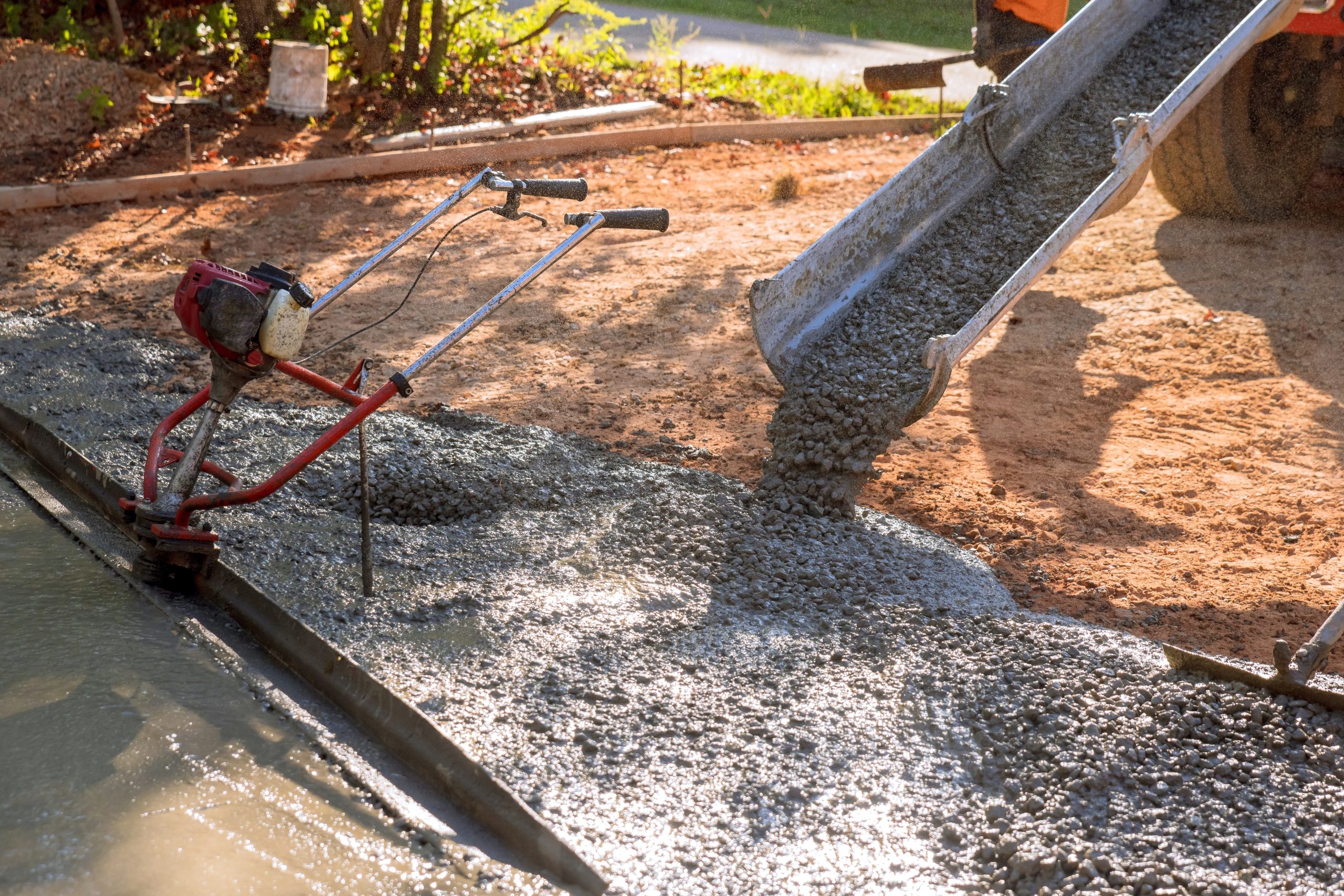
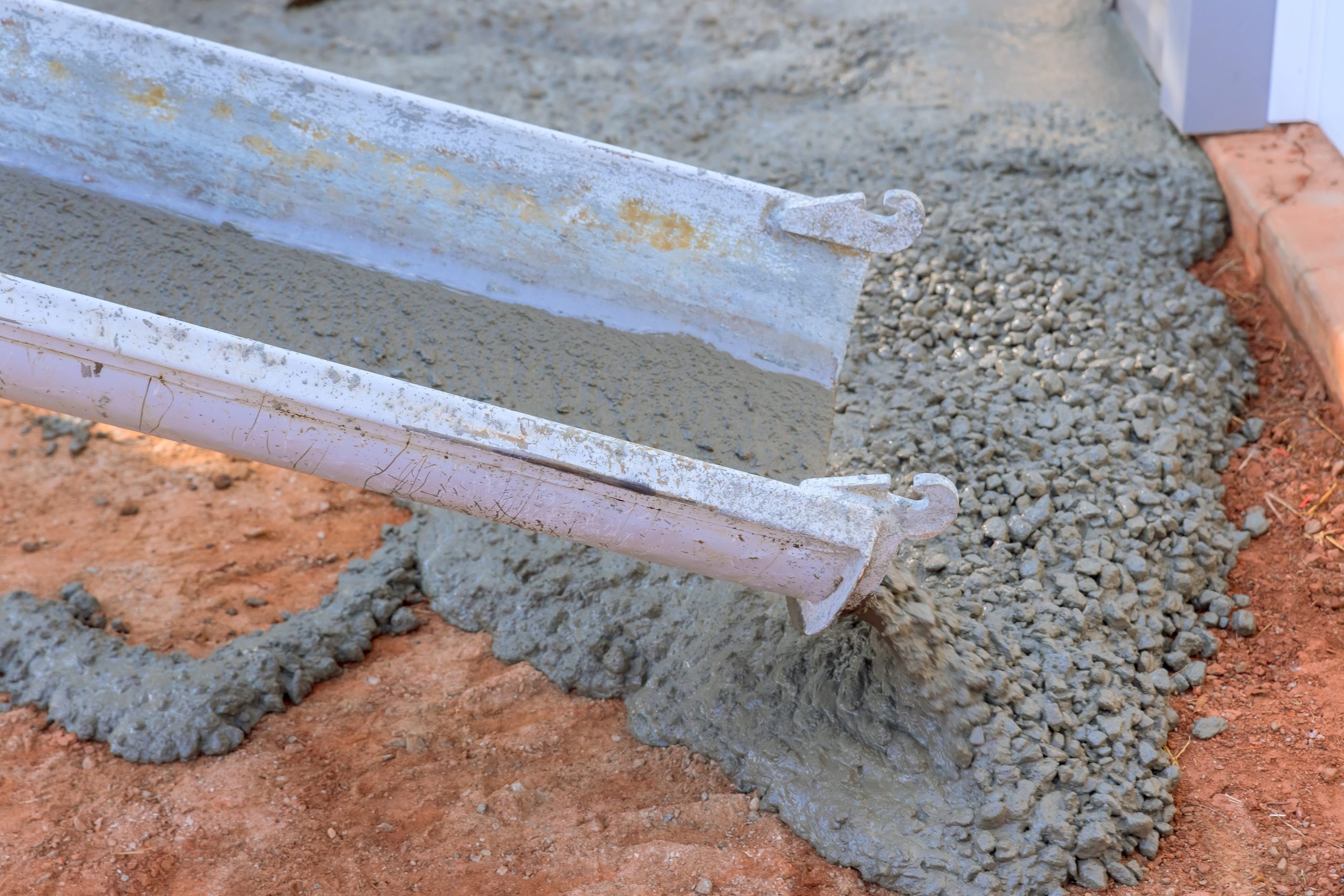
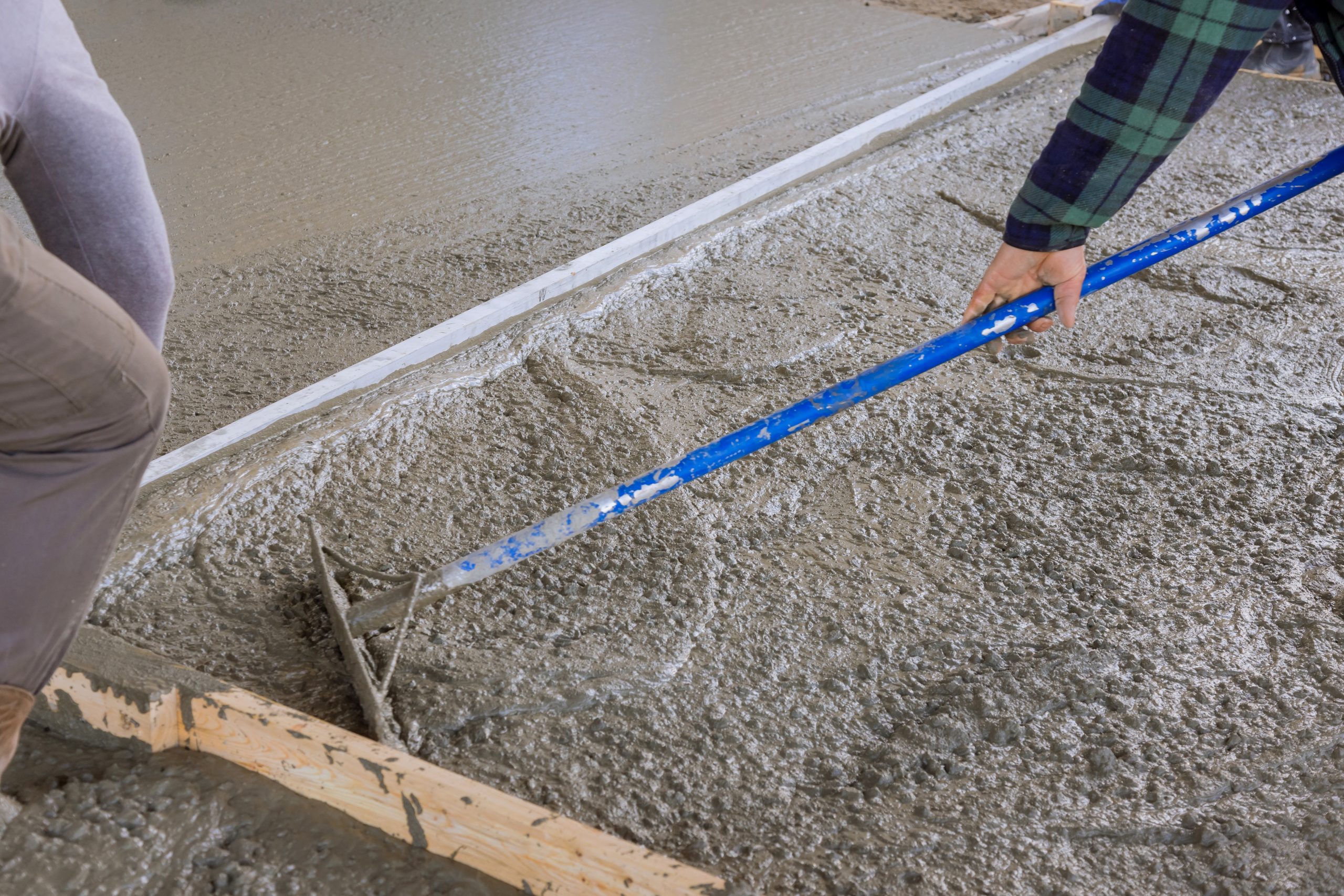
Understanding the working time available for concrete after delivery is crucial for any successful construction project. Whether you’re a professional contractor managing multiple pours or a homeowner tackling a DIY project, knowing how long you have to work with concrete before it becomes unusable can mean the difference between a successful installation and costly mistakes. The shelf life of ready mix concrete isn’t simply a matter of hours on a clock – it’s influenced by numerous factors that every concrete user should understand.
The Science Behind Concrete Setting
Concrete begins its chemical transformation the moment water comes into contact with cement. This process, known as hydration, is irreversible and continues until the concrete reaches its final hardened state. During the initial stages, concrete remains plastic and workable, but this window of opportunity is limited and decreases steadily from the moment mixing begins.
The hydration process occurs in distinct phases. Initially, concrete maintains its plastic state, remaining easy to pour, level, and finish. As time progresses, it transitions through a plastic state where it becomes increasingly stiff but still workable, before reaching initial set where it can no longer be effectively worked or finished. Understanding these phases helps you plan your work effectively and avoid the frustration of working with concrete that’s past its prime.
Traditional ready mix concrete, which is batched at a central plant and transported to your site, faces the challenge of this ongoing hydration process during transport and while waiting to be used. This is why timing becomes so critical with conventional concrete deliveries.
Standard Working Times for Ready Mix Concrete
Under typical conditions, ready mix concrete maintains workability for approximately 90 minutes to 2 hours after batching. However, this timeframe begins at the concrete plant, not when it arrives at your site. If your concrete has been in transit for 30-45 minutes, your actual working time on site may be reduced to just 60-90 minutes.
This working window can vary significantly based on the specific mix design. Higher cement content mixes tend to set more quickly, whilst mixes with certain admixtures may extend working time. The water-cement ratio also plays a crucial role, with higher water content generally providing longer workability but potentially compromising final strength.
It’s important to understand that these timeframes represent guidelines rather than absolute rules. Experienced concreters learn to assess concrete workability through visual and tactile cues, but for less experienced users, planning based on conservative time estimates is wise.
Environmental Factors Affecting Workability
Temperature is perhaps the most significant environmental factor affecting concrete shelf life. Hot weather accelerates the hydration process dramatically, potentially reducing working time to as little as 30-60 minutes in extreme conditions. Conversely, cold weather slows hydration, extending workability but potentially creating finishing challenges.
Humidity levels also impact concrete behaviour. Low humidity can cause rapid surface moisture loss, leading to premature stiffening and finishing difficulties. High humidity may extend workability slightly but can also affect the concrete’s ability to achieve proper surface finish.
Wind conditions compound the effects of temperature and humidity. Strong, dry winds can cause rapid moisture loss from the concrete surface, creating a stiff skin whilst the interior remains workable. This condition makes proper finishing extremely difficult and can lead to surface defects.
Mix Design and Admixture Effects
Modern concrete technology offers various admixtures that can significantly affect working time. Retarding admixtures are specifically designed to slow the hydration process, extending workability for several hours when necessary. These are particularly valuable for large pours or challenging site conditions where extended working time is essential.
Conversely, accelerating admixtures reduce working time but enable faster strength gain and earlier formwork removal. These admixtures are useful in cold weather conditions or when rapid turnaround is required.
The base mix design also influences shelf life. Higher strength mixes typically have shorter working times due to increased cement content, whilst lower strength mixes may remain workable longer. The aggregate type and grading can also affect workability retention, with certain combinations maintaining better consistency over time.
Signs of Concrete Deterioration
Recognising when concrete is approaching the end of its useful working life is crucial for quality control. Early signs include increased stiffness when stirring or pouring, difficulty in achieving smooth surfaces during screeding, and resistance to vibration or consolidation efforts.
As concrete continues to stiffen, you may notice the formation of a surface film or skin, difficulty in achieving proper finishes, and separation of the mix components. At this stage, adding water might seem like a solution, but this practice severely compromises concrete strength and durability and should never be attempted.
Once concrete reaches initial set, it cannot be re-tempered or rejuvenated. Attempting to work with concrete beyond its shelf life results in poor surface quality, reduced strength, and potential long-term durability issues.
The Mini Mix Advantage
This is where mini mix concrete demonstrates its significant advantages over traditional ready mix. Because mini mix is batched fresh on your site, you receive concrete at the beginning of its working life rather than partway through. This provides the maximum possible working time and ensures optimal concrete quality.
With mini mix, the concrete’s shelf life begins when it leaves the mixing unit on your site, giving you the full 90 minutes to 2 hours of working time. This extended window reduces pressure on installation crews and allows for more careful, thorough work that results in better finished quality.
Additionally, mini mix allows for adjustment of mix properties on site if conditions change. If weather conditions suggest you need extended working time, admixtures can be incorporated during mixing to achieve the desired workability retention.
Practical Planning Strategies
Successful concrete projects require careful timing and coordination. Plan your concrete delivery to coincide with your readiness to place and finish the material. Have all tools, equipment, and personnel ready before the concrete arrives, and ensure your site preparation is completely finished.
Consider breaking larger projects into smaller, manageable pours that can be completed within the working time available. This approach reduces waste, improves quality, and reduces stress on your installation team.
Weather monitoring is essential. Check forecasts carefully and be prepared to adjust your schedule if conditions aren’t suitable. Remember that concrete work is weather-dependent, and attempting to work in unsuitable conditions rarely produces satisfactory results.
Quality Assurance and Best Practices
Never attempt to extend concrete working life by adding water. This practice, known as re-tempering, significantly reduces concrete strength and can lead to premature failure. If concrete becomes too stiff to work effectively, it should be discarded rather than compromised.
Document the delivery time and environmental conditions for each concrete pour. This information is valuable for quality control and helps identify any issues that might affect long-term performance.
Work systematically and efficiently, but don’t sacrifice quality for speed. Proper consolidation, finishing, and curing are more important than rushing to beat the clock.
Professional Guidance and Support
Understanding concrete shelf life is just one aspect of successful concrete work. Professional suppliers like National Mini Mix provide not only quality materials but also the technical expertise to help you achieve optimal results within the time constraints of your specific project.
Our experienced operators can advise on mix selection, timing strategies, and best practices for your particular application and site conditions. This professional support, combined with the extended working time that mini mix provides, helps ensure your concrete project achieves the durability and quality you expect.
The key to successful concrete work lies in understanding these time constraints and planning accordingly, ensuring every pour achieves its full potential for strength, durability, and appearance.